The FDA has approved AstraZeneca and Daiichi Sankyo's drug Enhertu, in combination with Roche's Perjeta, as a first-line treatment for advanced HER2-positive breast cancer, based on a study showing improved progression-free survival and tumor response.
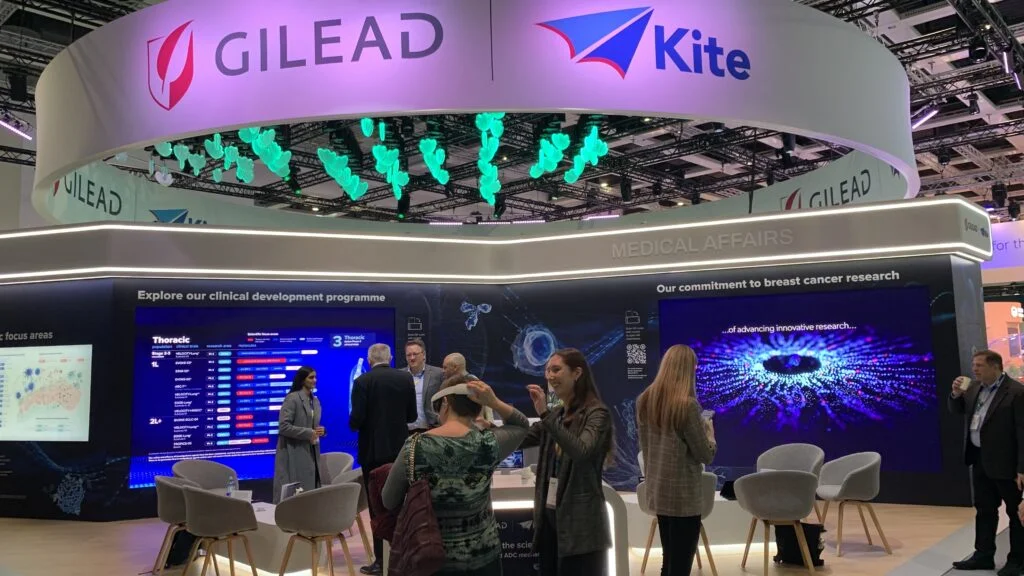
Major pharmaceutical companies Gilead, AstraZeneca, and Roche reported promising new study results for cancer treatments, particularly in breast cancer, leading to stock price increases for Gilead and AstraZeneca, while Roche's shares declined slightly. The studies highlight advancements in drug efficacy and potential growth in the cancer drug market, with implications for future sales and industry competition.
AstraZeneca and Gilead Sciences presented successful trial results for antibody-drug conjugates as new first-line treatments for metastatic triple-negative breast cancer, offering potential options after over a decade without new approvals for this aggressive cancer type.
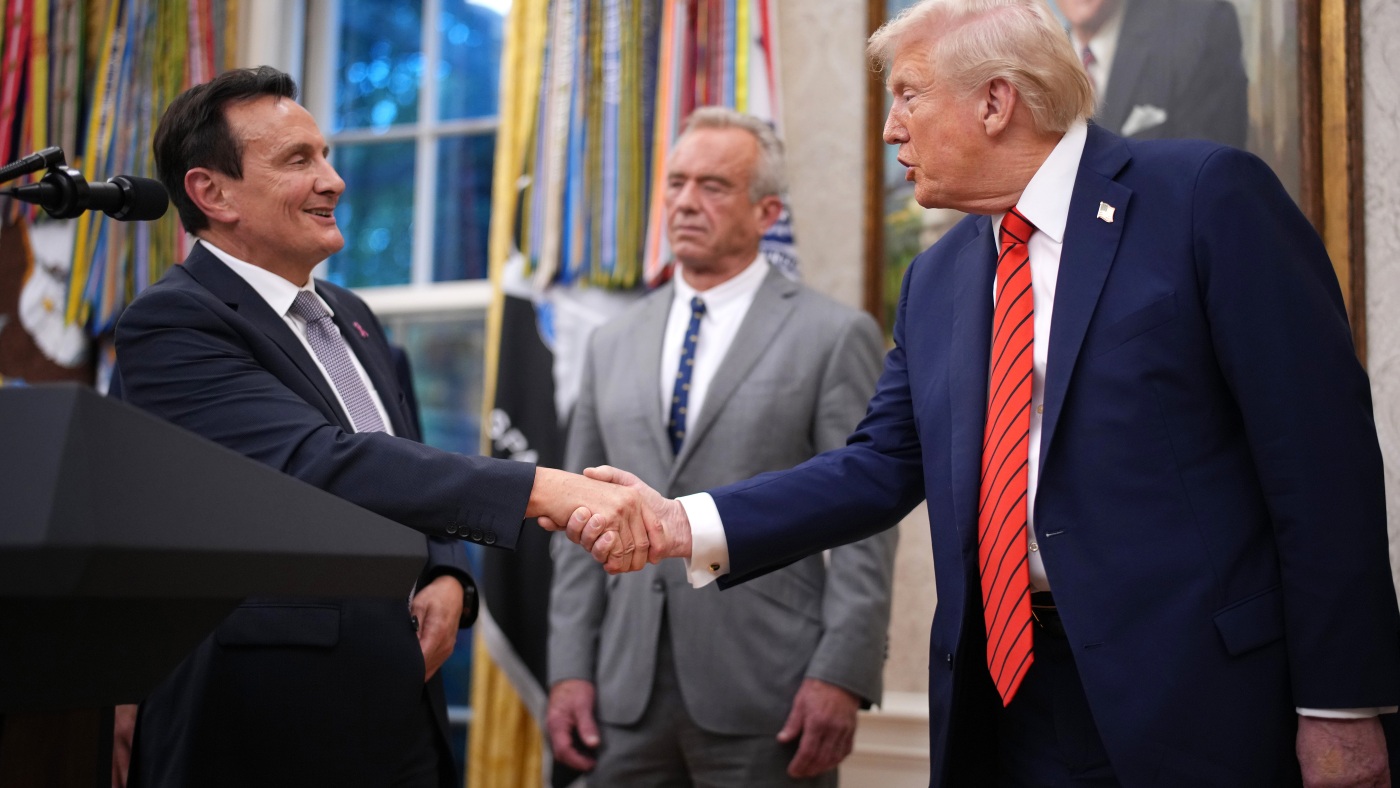
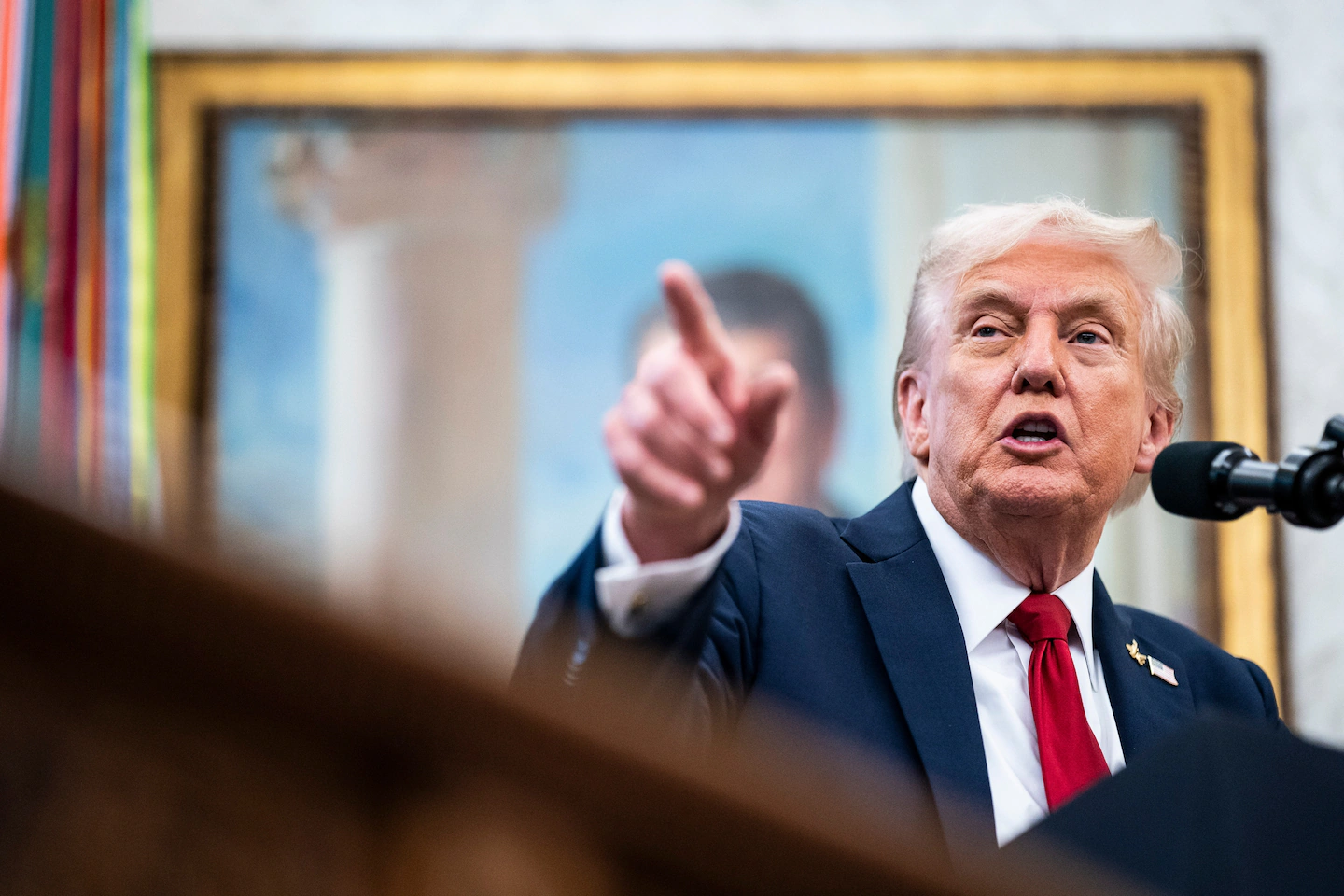
AstraZeneca CEO Pascal Soriot successfully negotiated a significant US medicine deal with President Trump, which included lowering drug prices and establishing a US manufacturing plant, shielding the company from tariffs and boosting its US presence, amid broader US efforts to reduce drug costs and attract pharmaceutical investments.
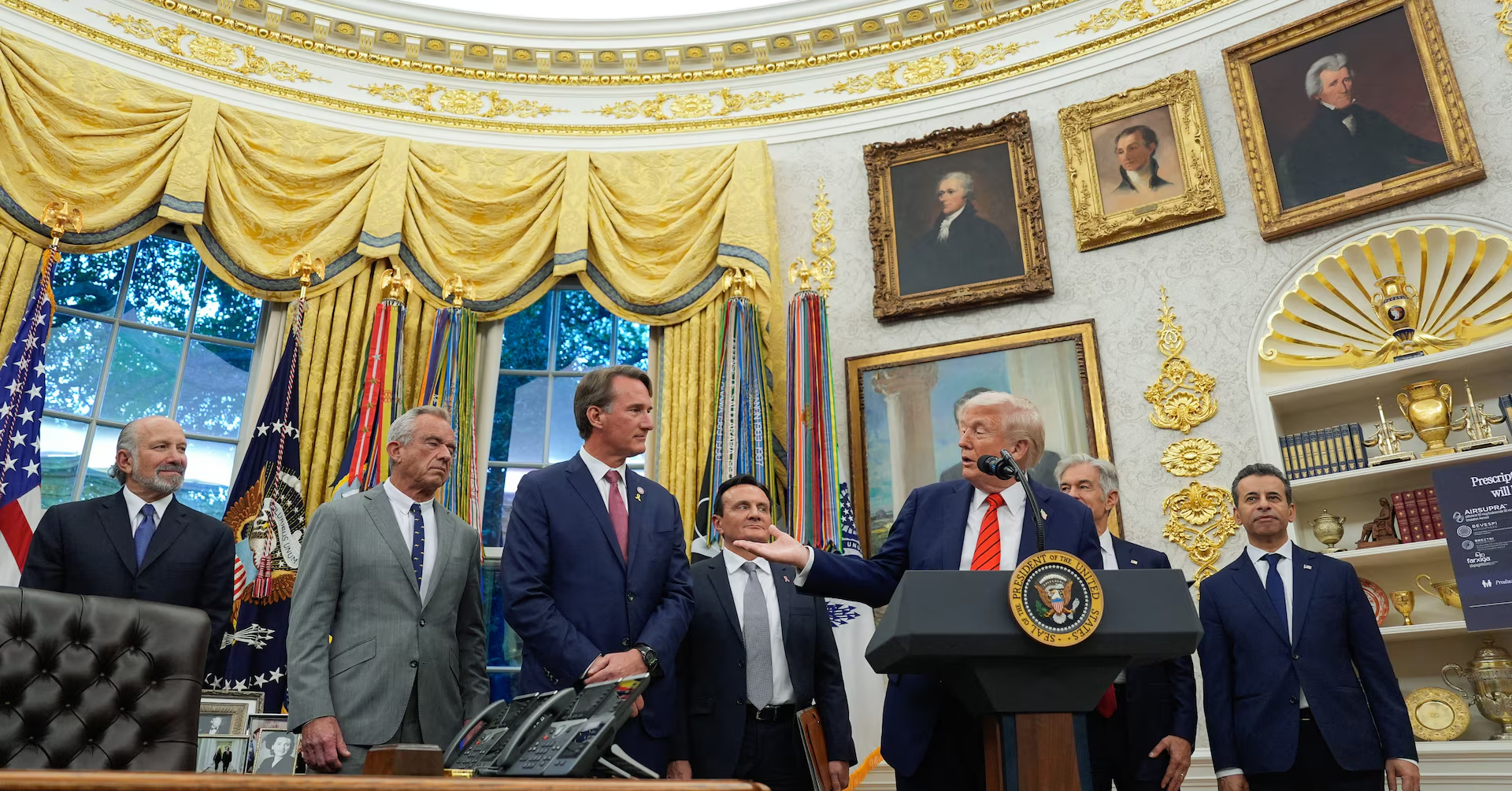
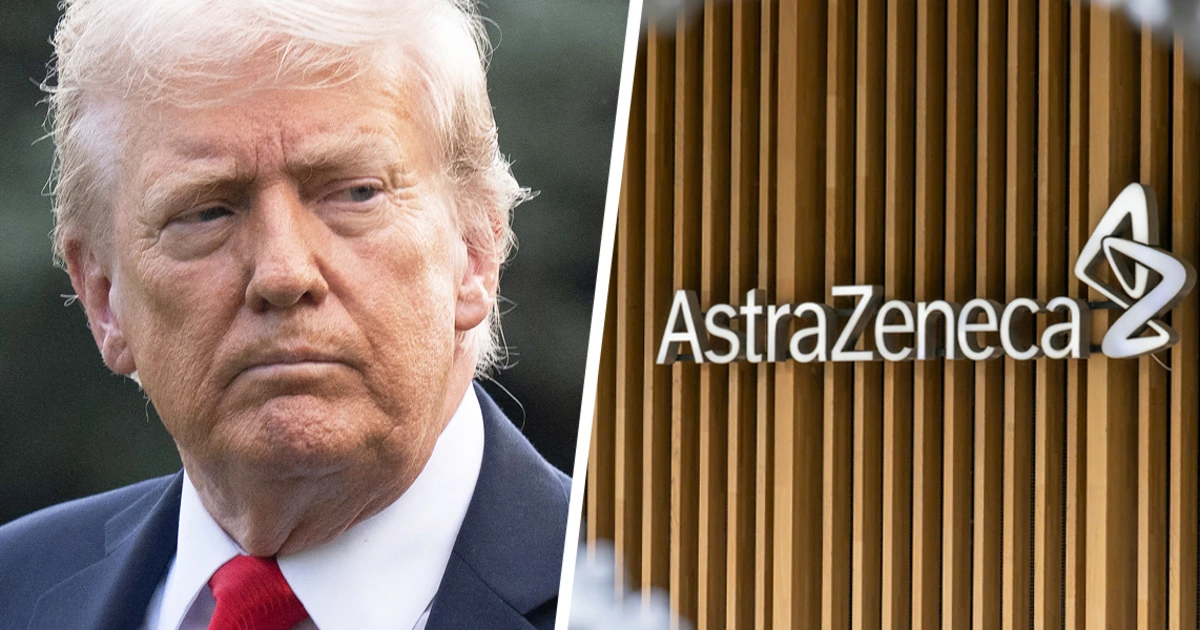
President Trump and AstraZeneca announced a deal to lower drug prices by adopting 'most-favored nation' pricing for Medicaid and new drugs, along with discounts on a government website, while AstraZeneca invests in U.S. manufacturing; the agreement includes a tariff exemption but does not directly reduce prices for Medicare or private insurance, with more deals expected from other drug companies.
AstraZeneca has agreed to lower drug prices for Medicaid by adopting most-favored-nation pricing, matching the lowest prices in developed countries, as part of a deal with the Trump administration aimed at reducing U.S. prescription drug costs. This follows similar agreements with Pfizer and is part of broader efforts to curb drug prices through executive actions and new government initiatives.
President Donald Trump announced a deal with AstraZeneca to lower prescription drug prices in the US, claiming significant discounts and leveraging tariff threats to secure manufacturing investments and delay tariffs, as part of his broader effort to reduce drug costs and bring manufacturing back to the US.
AstraZeneca has agreed with the Trump administration to lower drug prices through a deal that includes most-favored-nation pricing for Medicaid and discounts for direct consumer sales, along with expanding manufacturing in the U.S. and receiving tariff exemptions, as part of broader efforts to align U.S. drug prices with those in other developed countries.
President Trump announced a deal with AstraZeneca to align U.S. drug prices with those of other developed nations, resulting in significant savings for American patients and Medicaid programs, while also investing $50 billion in U.S. pharmaceutical manufacturing and R&D. The agreement includes discounts on key medicines for asthma and COPD, and aims to end the practice of foreign countries subsidizing their healthcare through higher U.S. drug prices.
President Donald Trump is set to announce a deal with AstraZeneca to sell its drugs to Medicaid at a discount, marking the second company to agree to the administration's efforts to lower drug prices.
The Trump administration has reached a deal with AstraZeneca to lower drug prices in the U.S., similar to an earlier agreement with Pfizer, involving selling drugs at the lowest international prices and potentially other incentives, as part of efforts to reduce medication costs and boost U.S. manufacturing investments.
President Trump announced an agreement with AstraZeneca to lower drug prices in the U.S., including a 'most-favored-nation' pricing model for low-income Americans, and a $50 billion investment in U.S. drug manufacturing and R&D, with the new pricing website TrumpRx.gov expected to launch in 2026.
AstraZeneca plans to invest $4.5 billion to expand its Virginia manufacturing facility near Charlottesville, creating 3,600 jobs and broadening its production scope to include cancer treatments and metabolic medicines, as part of a $50 billion US investment in biotech innovation.
AstraZeneca has signed a $555 million deal to utilize artificial intelligence for identifying targets in immunology research, aiming to enhance drug discovery and development in this field.
AstraZeneca has paused a £200m investment in a Cambridge research site, part of a broader trend of reduced UK pharmaceutical investment amid government support cuts and increased US focus, impacting jobs and research expansion in the UK.