Tag

Facial Reconstruction

All articles tagged with #facial reconstruction

history1 year ago

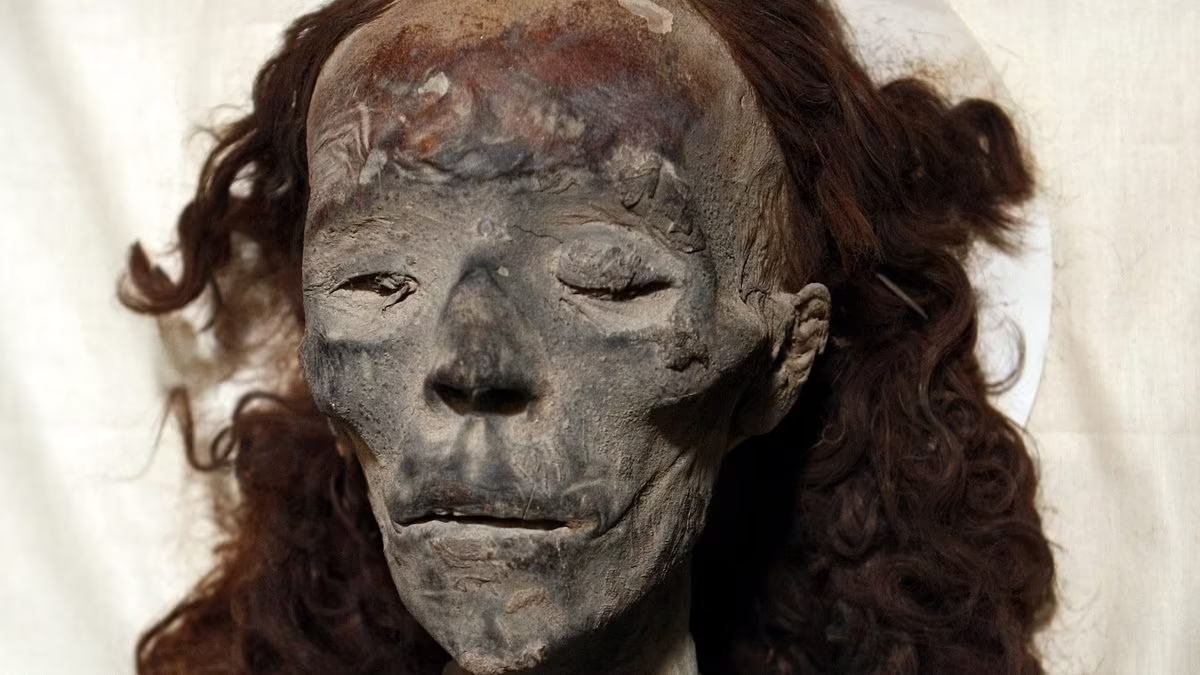
3,400-Year-Old Face of King Tut's Grandmother Reconstructed

A digital artist has reconstructed the face of Queen Tiye, the grandmother of King Tut, using her 3,400-year-old mummified remains. The artist employed Photoshop to add features like eyes, nose, and hair to her preserved bone structure, revealing a lifelike image of the ancient queen. Queen Tiye, the Great Royal Wife of Pharaoh Amenhotep III, was a significant figure in Egyptian royalty and the mother of Akhenaten, King Tut's father. Her mummy, discovered in 1898, was confirmed to be hers through DNA analysis in 2010.

historyarchaeology1 year ago

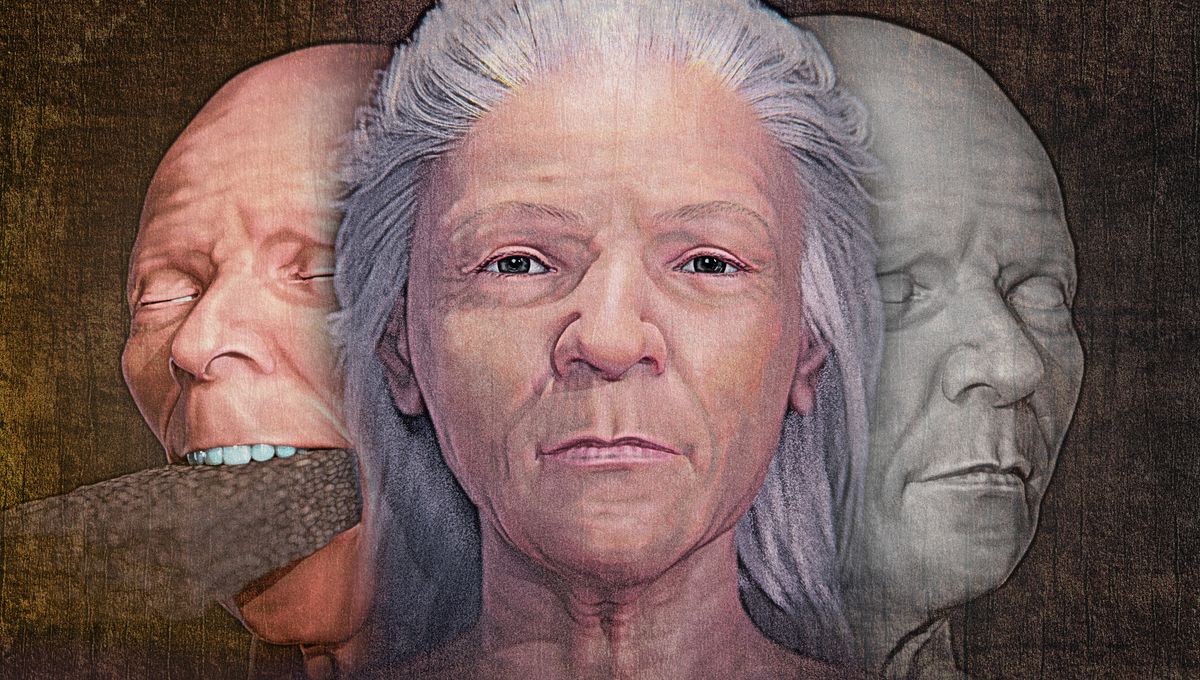
"Facial Reconstruction Reveals 16th-Century Italian 'Vampire' Buried with Brick in Mouth"

Researchers have reconstructed the face of a 16th-century Italian woman, buried in a mass grave for plague victims, who was believed to be a vampire due to a brick found in her mouth. The facial reconstruction, based on scans of the remains and historical data, revealed that the woman was around 60 years old and of lower class. The practice of placing a brick in the mouth of a suspected vampire was connected to the paranoia during the bubonic plague outbreak, and this is the first time archaeology has successfully reconstructed the ritual of exorcism of a vampire.

archaeologyhistory1 year ago

"Revealing the Face of a 16th-Century Vampire Woman with a Brick in Her Mouth"

A 16th-century "vampire" buried with a stone brick in her mouth has been reconstructed by a facial reconstruction expert. The woman's corpse, found in a mass grave for plague victims in Venice, may have been suspected of spreading the disease through her bloodthirst. The brick was likely placed in her mouth by gravediggers who noticed she had "eaten" her face shroud, possibly to prevent her from biting others. Further analysis of the bones suggested she was in her 60s and mainly ate vegetables and grains, indicative of a low social class. The facial reconstruction, based on images of the skeleton available online, has sparked debate about its accuracy.

science2 years ago

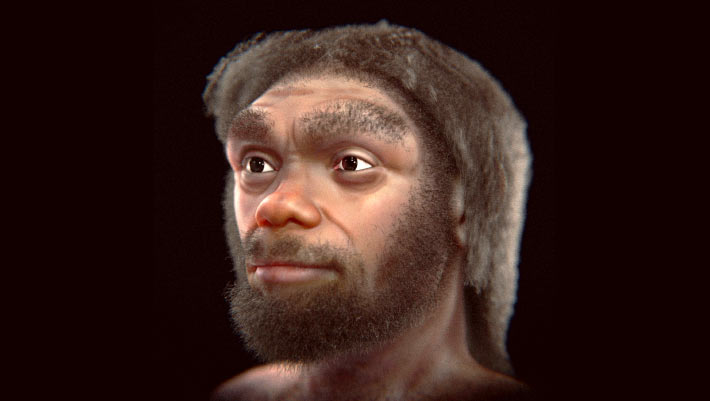
"Reconstruction Reveals the Face of Homo longi"

A Brazilian anthropologist has reconstructed the face of the archaic human species Homo longi, also known as Dragon man, using a well-preserved skull discovered in northeastern China in the 1930s. The species, identified from a nearly complete skull dated to 148,000 years ago, is an extinct species of the genus Homo that lived in Asia during the Middle Pleistocene. The facial approximation was made using computed tomography scans and forensic facial reconstruction techniques, providing valuable insights into the appearance of this ancient human species.

archaeologyanthropology2 years ago

"Neanderthal's 'Softer Side' Unveiled: Handsome Face from 56,000 Years Ago Sheds New Light"

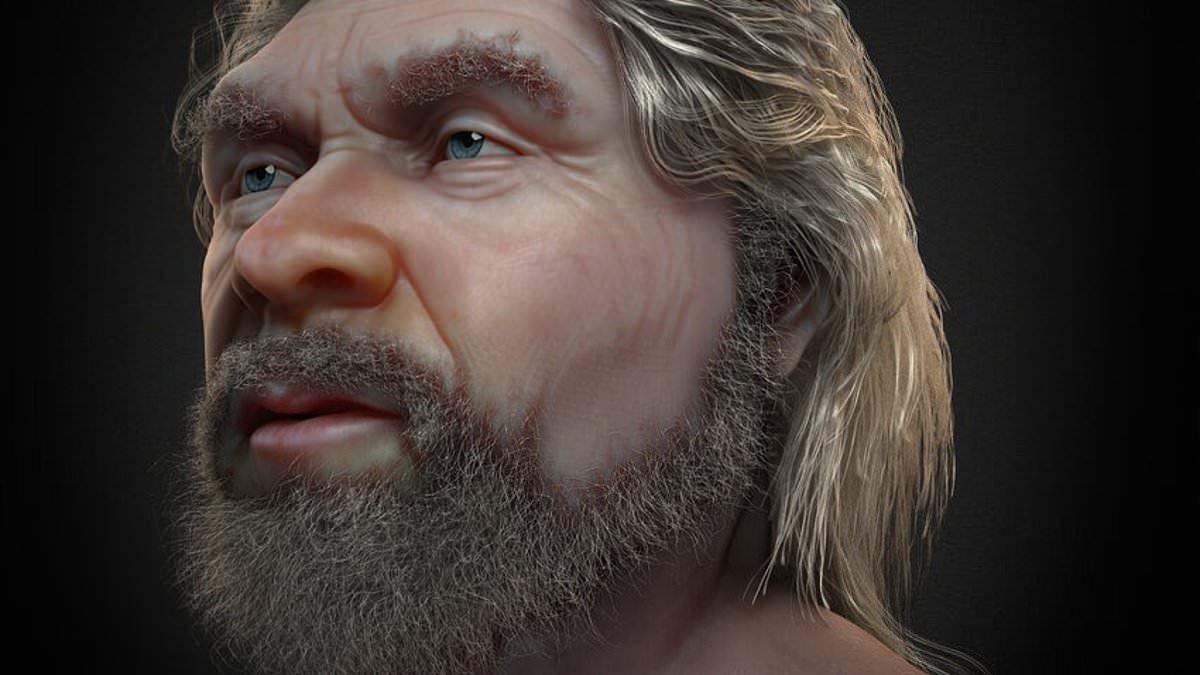
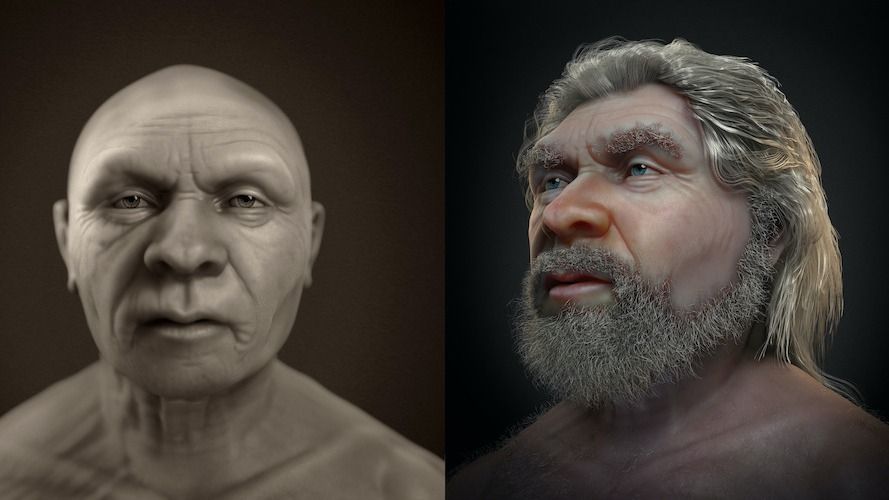
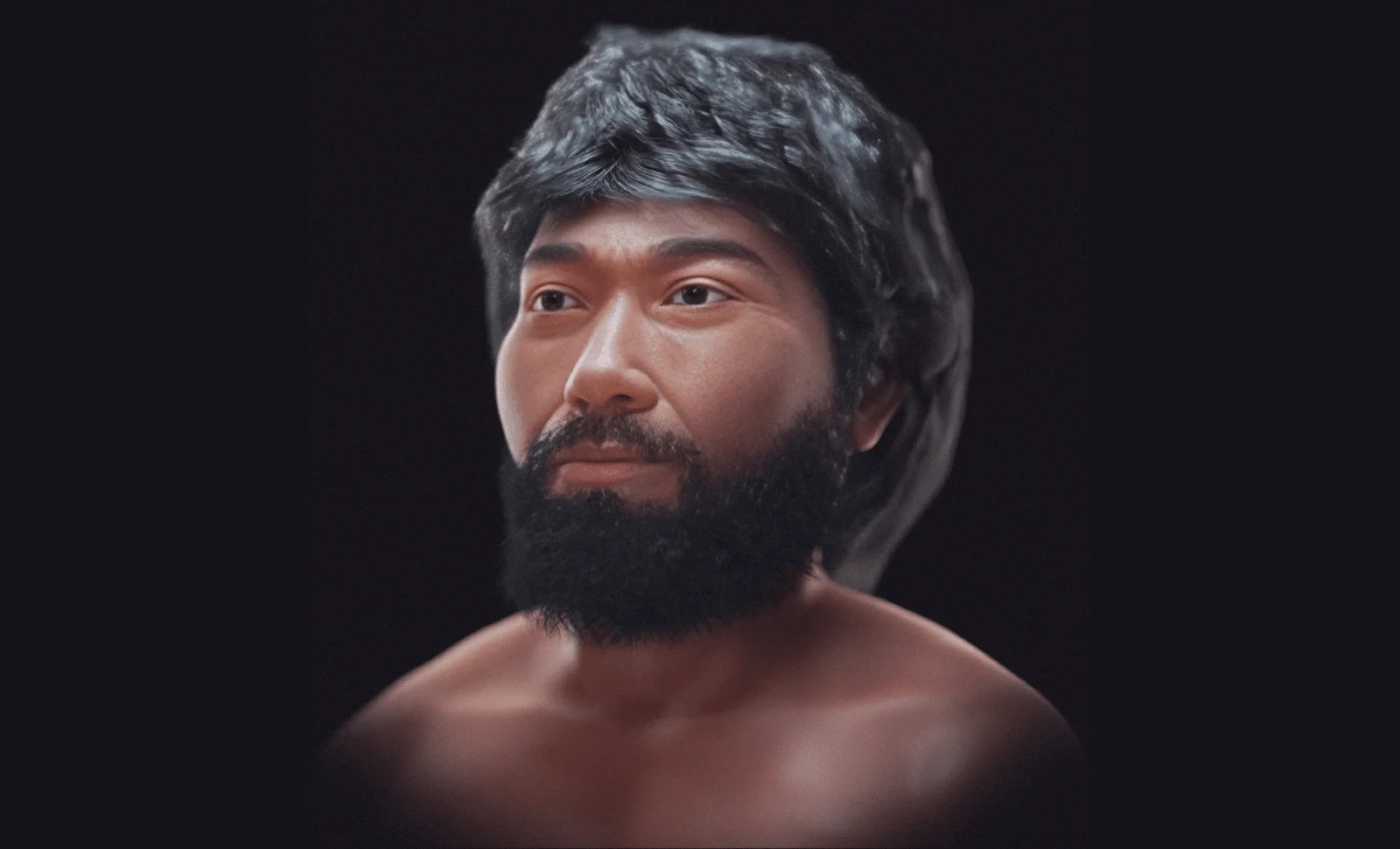
Researchers have reconstructed the face of a Neanderthal man who lived 56,000 years ago using skeletal remains found in France. The reconstruction reveals an old man with a long beard and suffering from severe periodontal disease. The study suggests that this could be one of the earliest documented cases of zoonotic infectious disease spillover. The Neanderthal man's face, reconstructed using computed tomography scans, provides insights into the appearance and health conditions of our ancient relatives.

anthropologyarchaeology2 years ago

Stunning facial reconstruction reveals the captivating features of a Neanderthal man

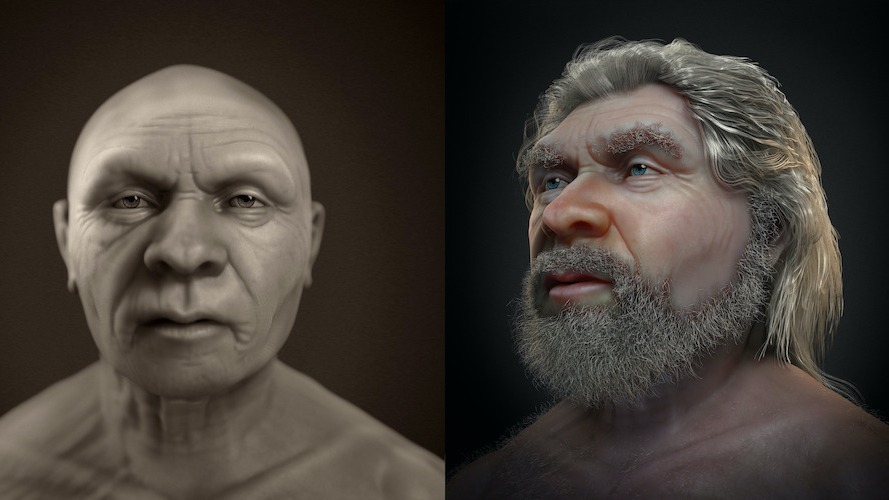
Forensic artists have created a digital facial approximation of the "old man" Neanderthal, whose nearly complete skeleton was discovered in France in 1908. Using CT scan data and measurements from a human skull, the artists reconstructed the face shape, skin, and muscles of the Neanderthal. The new reconstruction offers a more accurate and humanized depiction of the ancient man, challenging previous exaggerated ape-like portrayals. This advancement in facial reconstruction provides new insight into the anatomy and physiology of Neanderthals, highlighting their similarities and differences to modern humans.

archaeologyanthropology2 years ago

"Stunning Facial Reconstruction Brings Neanderthal 'Old Man' Back to Life"

Forensic artists have created a digital facial approximation of a Neanderthal known as the "old man" based on CT scan data of his skull. The Neanderthal, who lived between 47,000 and 56,000 years ago, had hallmark traits such as an oversize brow ridge and large eye orbits. The facial approximation provides a more accurate and humanized representation compared to previous exaggerated reconstructions. This new perspective reflects evolving knowledge about Neanderthals, showing their similarities to modern humans in anatomy and behavior.

archaeology2 years ago

Revealing the Face of Peru's Famous Incan Sacrifice: A 500-Year-Old Mummy

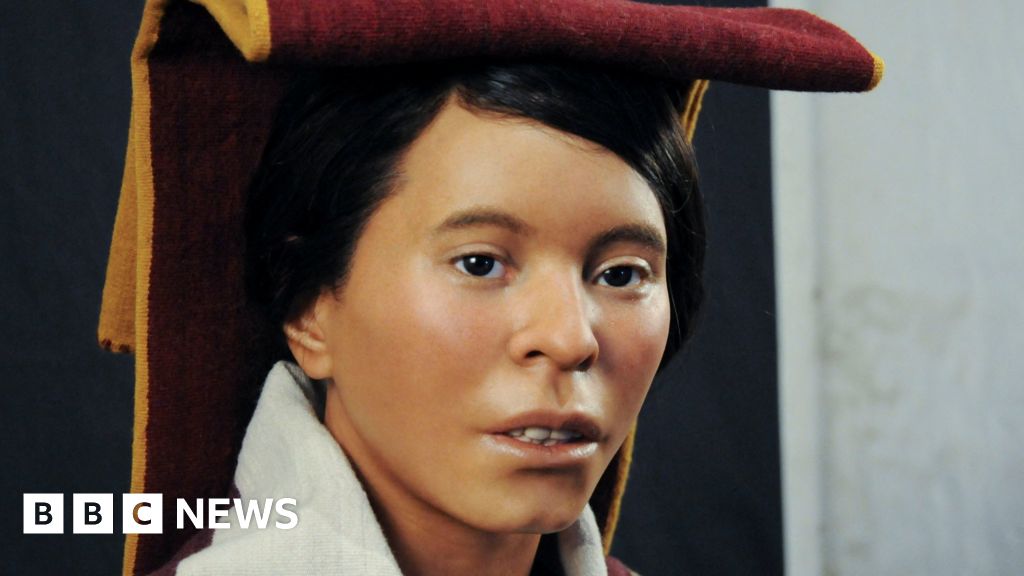
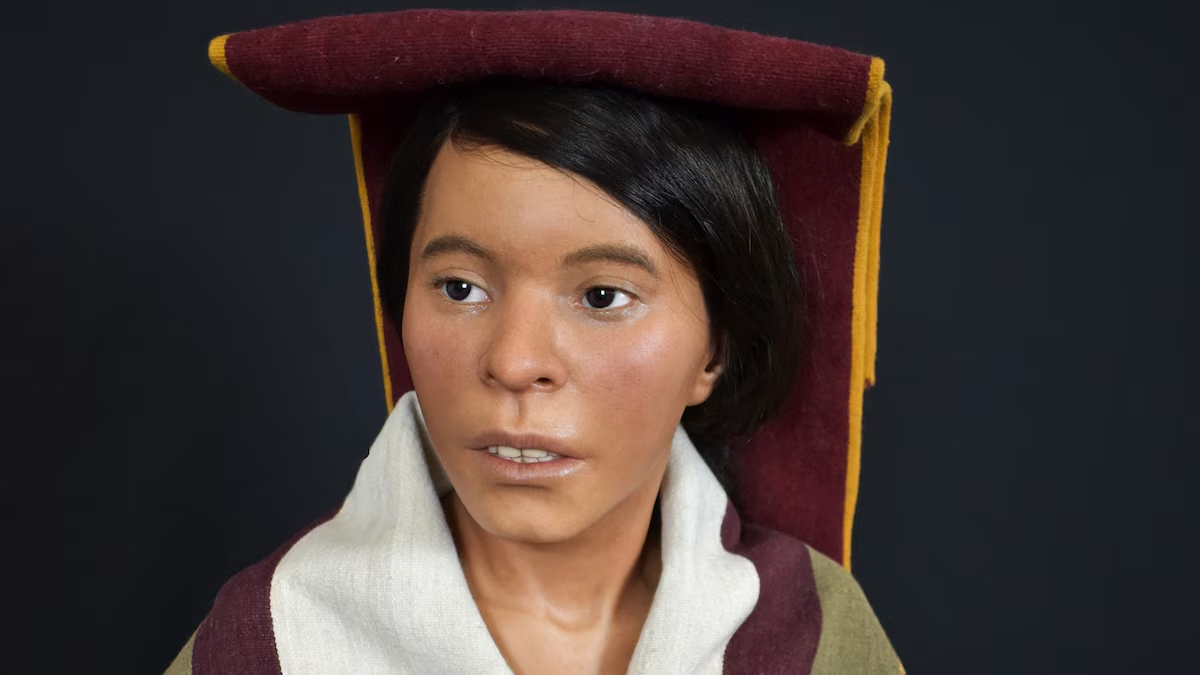
The reconstructed head and torso of Peru's most famous mummy, known as the "Ice Maiden of Ampato" or "Juanita," was unveiled in a ceremony, revealing what the Incan girl might have looked like when she was alive. The silicone-made bust, created by a team of Polish and Peruvian scientists with the help of a Swedish sculptor, portrays the teen girl with pronounced cheekbones, black eyes, and tanned skin. The mummy, believed to have been sacrificed more than 500 years ago in a ritual to appease Incan gods, was discovered in the Andes Mountains by National Geographic explorer Johan Reinhard. The facial reconstruction provides new insights into her life and the Incan culture.

archaeology2 years ago

"Archaeologists Reveal the Face of Peru's Famous 'Ice Maiden' Mummy"

Archaeologists have unveiled a silicon bust of Peru's famous mummy, known as "Juanita" or the "Inca Ice Maiden," providing a glimpse into what she may have looked like over 500 years ago. The mummy, believed to have been a teenage girl sacrificed in an Inca ritual, was discovered in 1995. The reconstruction involved body scans, skull measurements, DNA studies, and ethnological characteristics. The bust, created by a specialist in facial reconstruction, features pronounced cheekbones, dark eyes, and brown skin. The discovery sheds light on the Inca belief system and the significance of human sacrifices in their culture.

archaeology2 years ago

Revealing the Face of Peru's Famous Incan Sacrificial Mummy

A team of Polish and Peruvian scientists, along with a Swedish sculptor, have unveiled a silicone-made bust depicting the possible face of "Juanita," Peru's most famous mummy. The teenage Inca girl was sacrificed over 500 years ago atop the Andes. The facial reconstruction was achieved through the use of a replica skull, body scans, DNA studies, and anthropological characteristics. The mummy, discovered in 1995, has provided valuable insights into Inca culture and the life of the sacrificed individual.

archaeology2 years ago

Frozen Inca Girl's Face Recreated After 500 Years

The face of a 14-year-old Inca girl, known as the Ice Maiden of Ampato, who was sacrificed more than 500 years ago, has been reconstructed through archaeological analysis. The Ice Maiden's mummified body was found on Mount Ampato in Peru in 1995, and her face had deteriorated over time. The facial reconstruction, created by Swedish archaeologist and sculptor Oscar Nilsson, is now on display at a museum in Arequipa, Peru, along with the mummy and stories of other sacrificed children. The reconstruction offers insights into the Inca ritual of capacocha, which involved the sacrifice of children and animals to please the gods.

archaeology2 years ago

"Stunning Facial Reconstruction Reveals Bronze Age Woman in Ancient Grave"

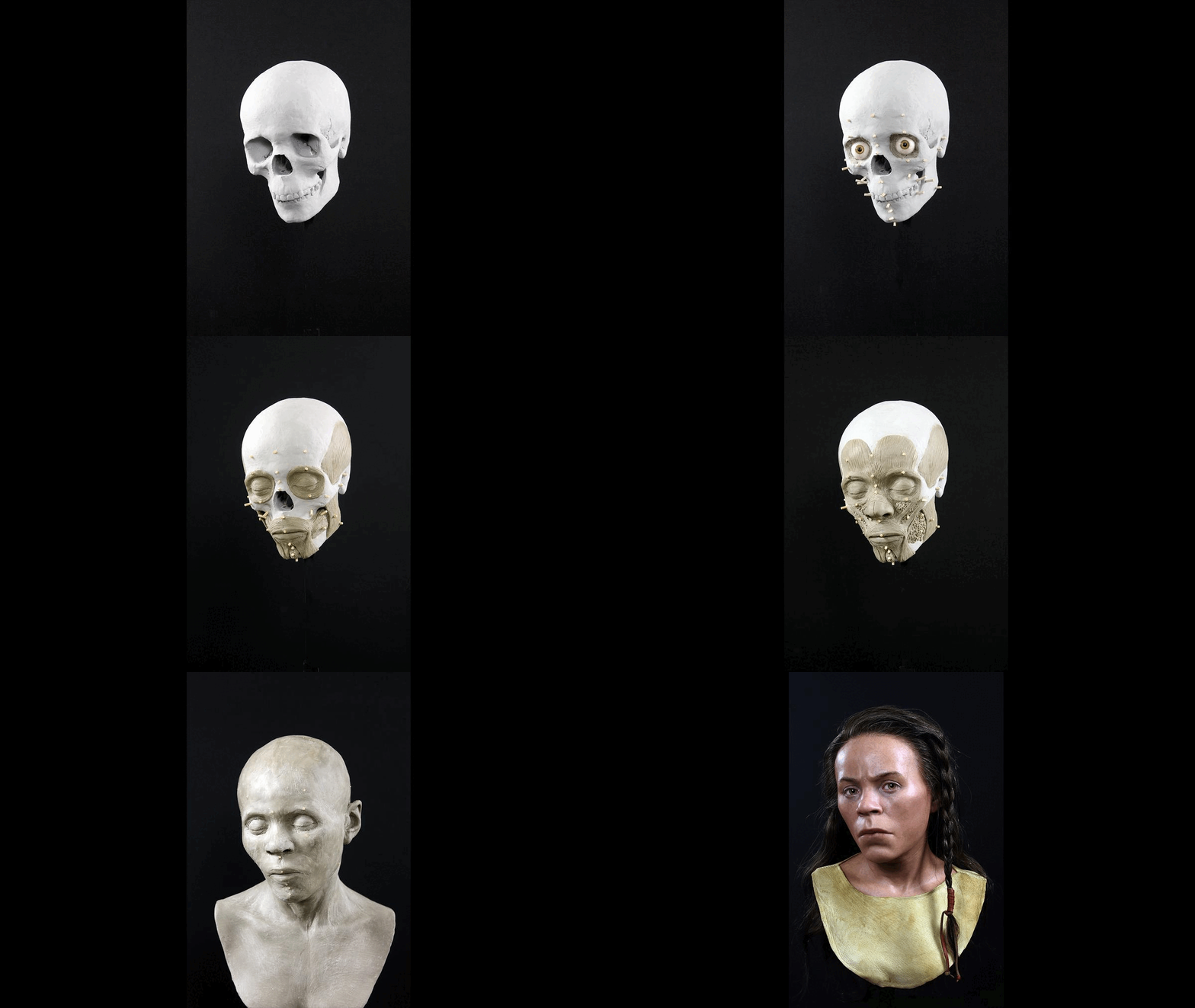
The facial reconstruction of a Bronze Age woman, known as Upper Largie Woman, has been unveiled at the Kilmartin Museum in Scotland. The woman, who died over 4,000 years ago, was buried in a stone-lined grave and lived during the Early Bronze Age. The reconstruction, created by a forensic artist using a 3D printed skull and plasticine clay, depicts a young woman with dark braided hair wearing a deer-skin outfit. Although her ethnic heritage is unknown, pottery found in her grave suggests she was part of the Beaker culture. The reconstruction is on display at the museum's permanent exhibit.

history2 years ago

Unveiling the True Face of Bonnie Prince Charlie: Recreated from Death Masks

Researchers at the University of Dundee have used death masks to recreate the face of Bonnie Prince Charlie, the leader of the unsuccessful 18th century Jacobite rebellion. The image reveals a different side to the traditionally heroic figure, portraying him as a normal person with blonde curly hair, wide eyes, and acne. The recreation was made by mapping and photographing the death masks, then using state-of-the-art software to "de-age" the prince. The final result will be included in an exhibition at the University of Dundee.