Tag

Andes Mountains

All articles tagged with #andes mountains

science-and-nature1 year ago

"Newly Discovered 'Dwarf' Mountain Creature Spotted Snacking on Plants in Peru"

In the mountains of Peru, scientists have discovered a new species of dwarf deer, named Pudella carlae or the Peruvian Yungas Pudu. This small, stocky deer with short legs and intense orange-brown fur was identified through differences in size, coloring, fur texture, skull shape, and DNA. The researchers found that the new species lives in the Andes mountains, between 5,900 and 10,800 feet in elevation, and prefers to eat leaves and fruits off shrubs and small trees. The discovery was made after scientists noticed distinct differences between the Northern Pudu living in northern Peru and those living in southern Peru, leading to the identification of this new species.

archaeology2 years ago

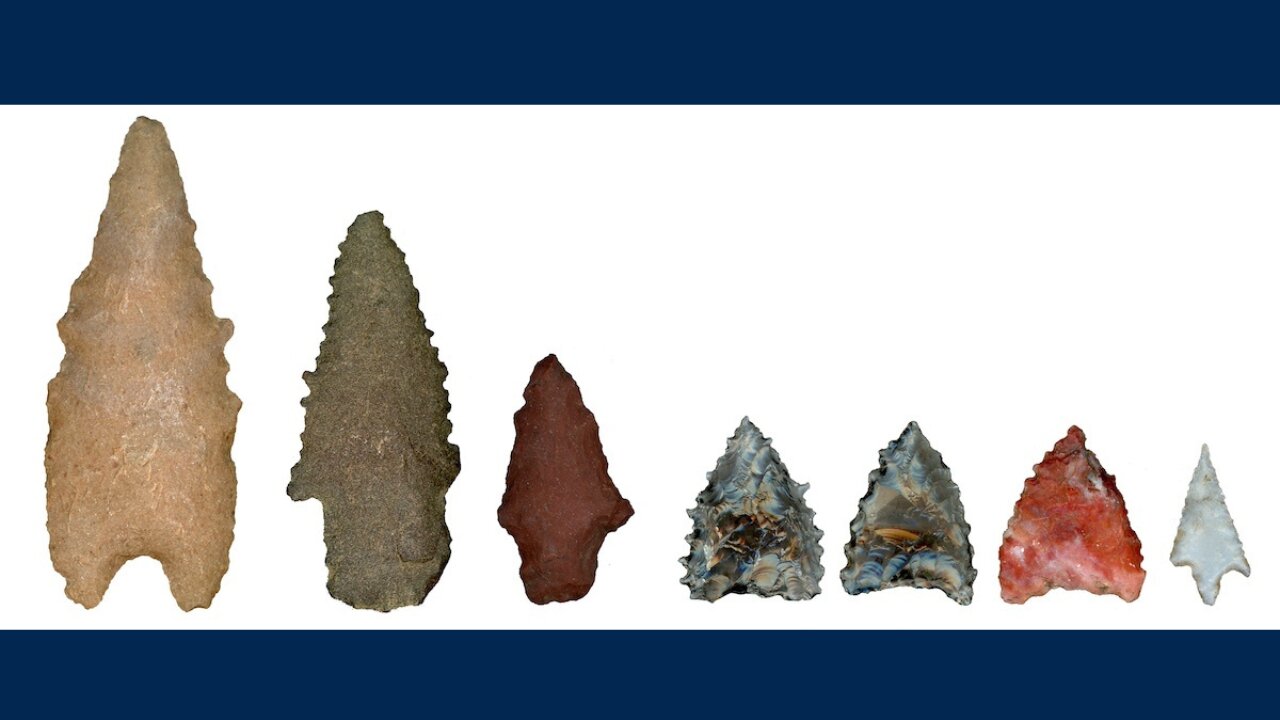
Ancient Archery in Andes Mountains Predates Prior Findings

A study led by anthropologists from the University of California, Davis, has found that the rise of archery technology in the Andes Mountains dates back to around 5,000 years ago, earlier than previously believed. The research, based on the analysis of 1,179 projectile points from the Lake Titicaca Basin, suggests that the adoption of bow-and-arrow technology coincided with the expansion of exchange networks and the growth of village settlements. The study provides insights into the social complexity of ancient Andean societies and highlights the significance of quantitative analysis of stone tools in understanding societal changes.

survivaltragedy2 years ago

Survivor of 1972 Andes plane crash speaks out on resorting to cannibalism

A survivor of the 1972 plane crash in the Andes Mountains, where passengers resorted to cannibalism to survive for 72 days, reflects on the harrowing experience for the upcoming Netflix film "Society of the Snow." The movie, set to release on January 4, recreates the crash site and depicts the extraordinary lengths the survivors went through. The survivors, including Nando Parrado and Roberto Canessa, hiked through treacherous conditions to get help. Only 16 of the original 45 passengers were rescued. The film sheds light on the group's pact to consume the bodies of the deceased and their ultimate rescue.

survivaltrue-story2 years ago

"Survivor of 1972 Andes plane crash reveals harrowing tale of cannibalism in 'Society of the Snow'"

A survivor of the 1972 plane crash in the Andes Mountains, where passengers resorted to cannibalism to survive, reflects on the harrowing experience for the upcoming Netflix film "Society of the Snow." The movie, set to release on January 4, recreates the crash site and depicts the extraordinary lengths the survivors went through to stay alive. After 72 days, only 16 of the original 45 passengers were rescued. The survivors created a shelter in the fuselage, rationed their limited food supplies, and eventually made the difficult decision to consume the bodies of their deceased companions. The film aims to retell their story of resilience and faith in the face of unimaginable circumstances.

survival2 years ago

"Survivor's Harrowing Tale: Battling Death Through Cannibalism in 1972 Plane Crash"

Dr. Roberto Canessa, a survivor of the 1972 plane crash in the Andes Mountains, has shared his experience of resorting to cannibalism to stay alive in freezing conditions for 72 days. Canessa, who was part of a Uruguayan rugby team, recounted the decision to eat the dead and the emotional toll it took on the survivors. The story has been adapted into a thriller film called "Society of the Snow" and has parallels with other works exploring the consequences of cannibalism. Canessa, now a pediatric cardiologist, continues to have reunions with other crash survivors and emphasizes the importance of appreciating life.

science-and-environment2 years ago

Andes Mountains Host Twin Volcanic Powerhouses

An astronaut aboard the International Space Station captured a photograph of the twin volcanoes Parinacota and Pomerape in the Andes Mountains. The volcanoes, part of the Nevados de Payachata volcanic group on the Chile-Bolivia border, are stratovolcanoes with peaks reaching around 20,500 feet. Parinacota, the younger and more active volcano, has a distinct circular crater, while Pomerape's flanks have eroded over time. A collapse of Parinacota's western flank thousands of years ago caused a debris avalanche, forming Chungará Lake. The image was taken on June 19, 2023, and highlights the snow-capped peaks and long shadows cast by the evening sunlight.

archaeology2 years ago

The Resurrection of Juanita: Unveiling the Face of a 500-Year-Old Inca Mummy

Scientists have created a 3D reconstruction of the face of a teenage girl known as the "Ice Maiden" or Juanita, who was sacrificed and buried near the summit of Ampato in the Andes Mountains 500 years ago. The reconstruction is part of an exhibition at the Andean Sanctuaries Museum in Peru, which aims to restore the identity of mummies and showcase the latest research on Incan rituals and mummies. The Inca Empire practiced human sacrifices to appease deities and protect the community, with children and young women chosen for the rituals. The discovery of Juanita's well-preserved remains in 1995 has provided valuable insights into Inca culture and rituals.

science2 years ago

Mice Thrive in Extreme Andean Altitudes, Puzzling Scientists

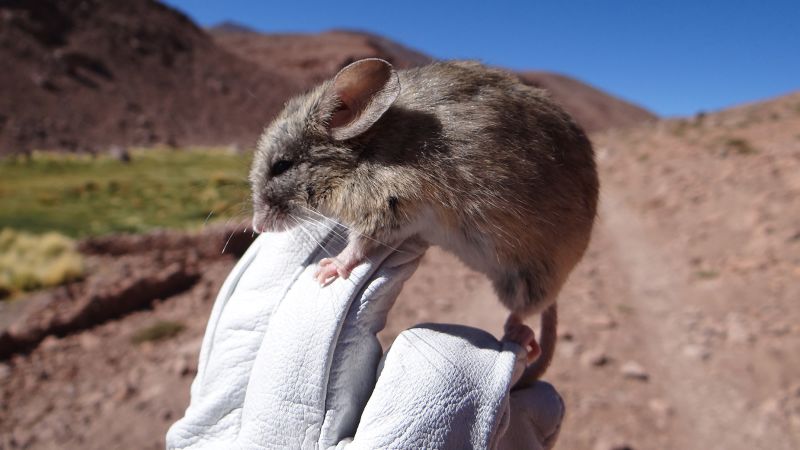
A team of scientists from Argentina, Chile, Bolivia, and the United States have discovered 13 mummified mice at elevations above 6,000 meters in the Andes mountains, making them the world's highest dwelling mammal. The mice, called Phyllotis vaccarum, are commonly found at lower elevations but have been found at extreme heights on the Atacama Plateau. The harsh conditions, similar to those on Mars, create perfect conditions for preservation. The researchers are conducting further studies to understand how the mice survive in these extreme conditions and are exploring theories such as their diet of lichens or the transportation of food by wind. This discovery challenges previous beliefs about species' survival capabilities in high-altitude environments.

archaeology2 years ago

Revealing the Face of Peru's Famous Incan Sacrifice: A 500-Year-Old Mummy

The reconstructed head and torso of Peru's most famous mummy, known as the "Ice Maiden of Ampato" or "Juanita," was unveiled in a ceremony, revealing what the Incan girl might have looked like when she was alive. The silicone-made bust, created by a team of Polish and Peruvian scientists with the help of a Swedish sculptor, portrays the teen girl with pronounced cheekbones, black eyes, and tanned skin. The mummy, believed to have been sacrificed more than 500 years ago in a ritual to appease Incan gods, was discovered in the Andes Mountains by National Geographic explorer Johan Reinhard. The facial reconstruction provides new insights into her life and the Incan culture.

accidents2 years ago

Tragedy Strikes Peru as Bus Plunges into Ravine, Claiming 24 Lives

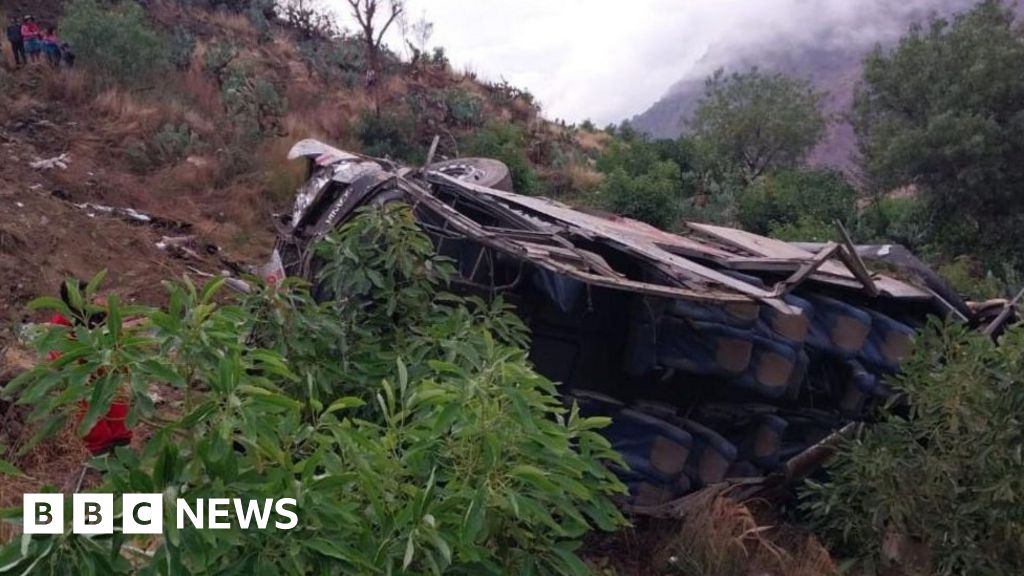
At least 24 people have been killed and 21 injured in a coach crash in Peru when the inter-city coach fell into a 200m-deep ravine while traveling overnight in the Andes mountains. Coach crashes are common in Peru, especially at night and on mountain highways. The cause of the accident is still unknown, but the mayor of a nearby town mentioned that the highway had not been repaired since a landslide a month ago. Firefighters and locals were the first to arrive at the scene and managed to rescue survivors and transport them to nearby hospitals.

earth-science2 years ago

Cracking the Mystery of the Andes Mountains' Formation.

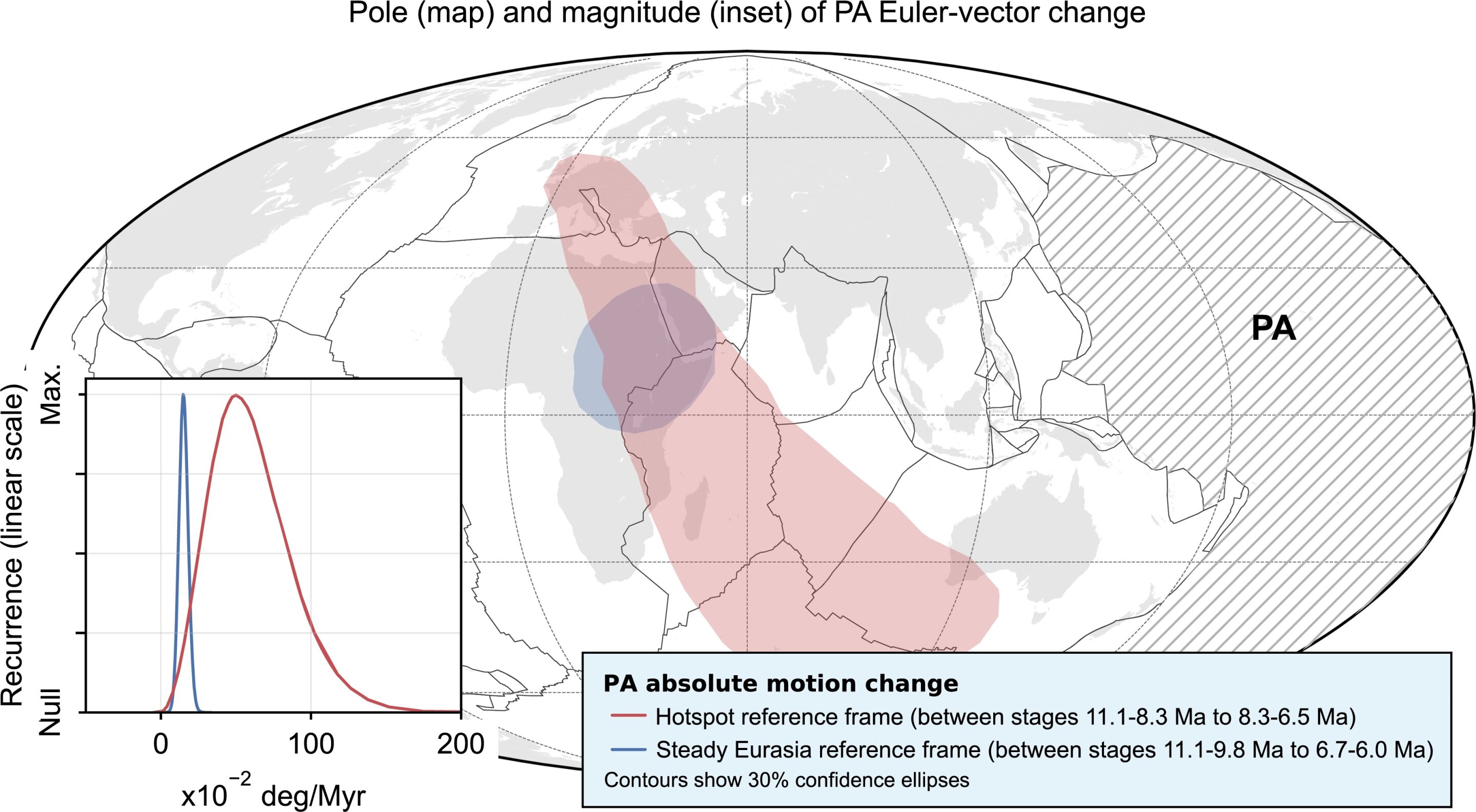
Researchers at the University of Copenhagen have developed a new method to estimate how Earth's tectonic plates changed speed over the past millions of years. Using this method, they found that the South American plate suddenly and spectacularly shifted gears and slowed on two significant occasions over the past 15 million years, which may have contributed to the widening of the Andes mountain range. The researchers' hypothesis is that the interaction between the expansion of the mountains and the lower speed of the plate was due to a phenomenon called delamination.

natural-disaster2 years ago

Deadly Landslide Claims 16 Lives in Central Ecuador.

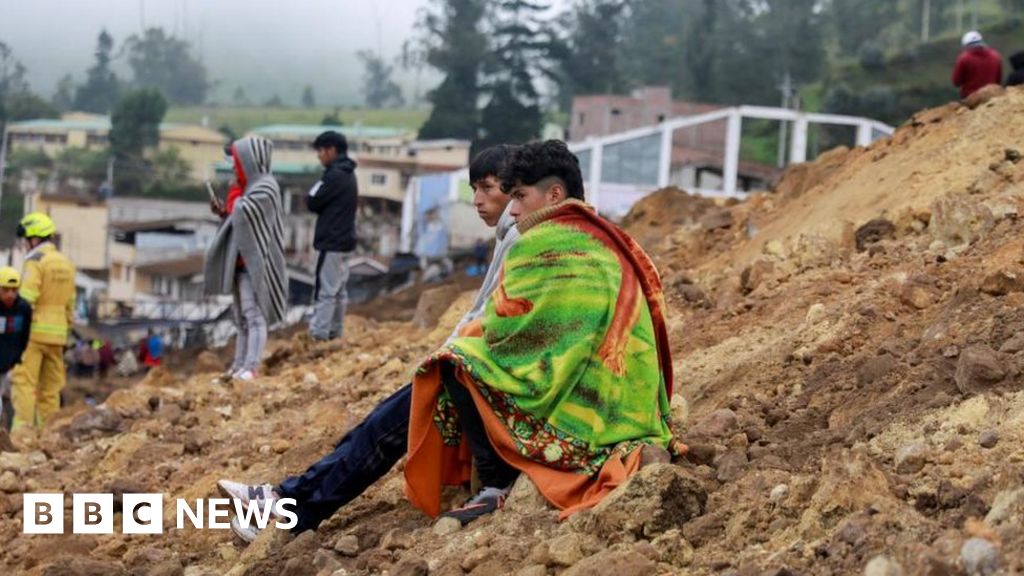
At least 16 people have died and several are still missing after a landslide buried entire families under mud and rubble in a mountain village in Ecuador. The incident occurred in the canton of Alausí, in the Andes mountains, where firefighters, police, and rescue teams are searching for trapped residents. More than a dozen people have been injured, and residents had been warning of fault lines forming in the area following heavy rains. The landslide comes just over a week after an earthquake struck Ecuador's southern coast, leaving more than a dozen people dead.