The National Kidney Registry, founded by Garet Hil after personal tragedy, has revolutionized kidney donation by creating a large pool for incompatible donors and recipients, facilitating nearly 12,000 swaps since 2007, and charging hospitals for access to its donor registry, thus transforming the organ donation system.

Fernando Goldsztein, whose son Frederico was diagnosed with medulloblastoma, has dedicated his life to finding a cure for this rare childhood brain tumor by founding the Medulloblastoma Initiative, which has raised $13 million and is working on new clinical trials to improve treatment options for affected children worldwide.
Fernando Goldsztein, whose son Frederico was diagnosed with medulloblastoma, a rare and aggressive childhood brain tumor, has dedicated his life to finding a cure by founding the Medulloblastoma Initiative, which has raised $13 million and is conducting clinical trials to develop new treatments, aiming to save not only his son but thousands of other children affected by this disease.
Pope Leo XIV emphasizes the importance of ensuring that AI in healthcare enhances human dignity and relationships, warning against technology replacing personal care and urging responsible use and international collaboration.
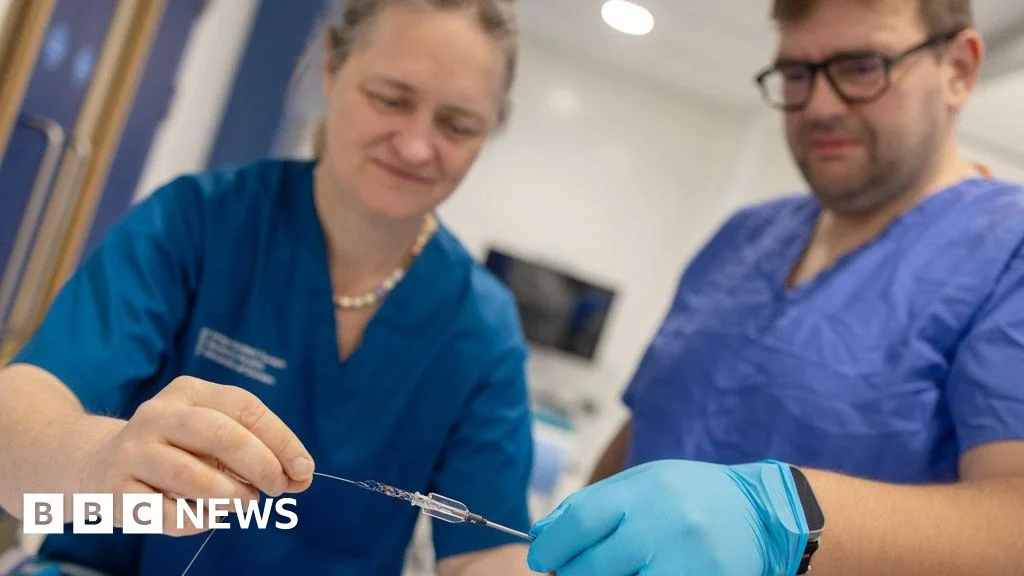
Doctors from Scotland and the US performed a world-first remote stroke thrombectomy using robotics, demonstrating that specialist surgeons can operate from anywhere, potentially transforming stroke treatment accessibility and timing.
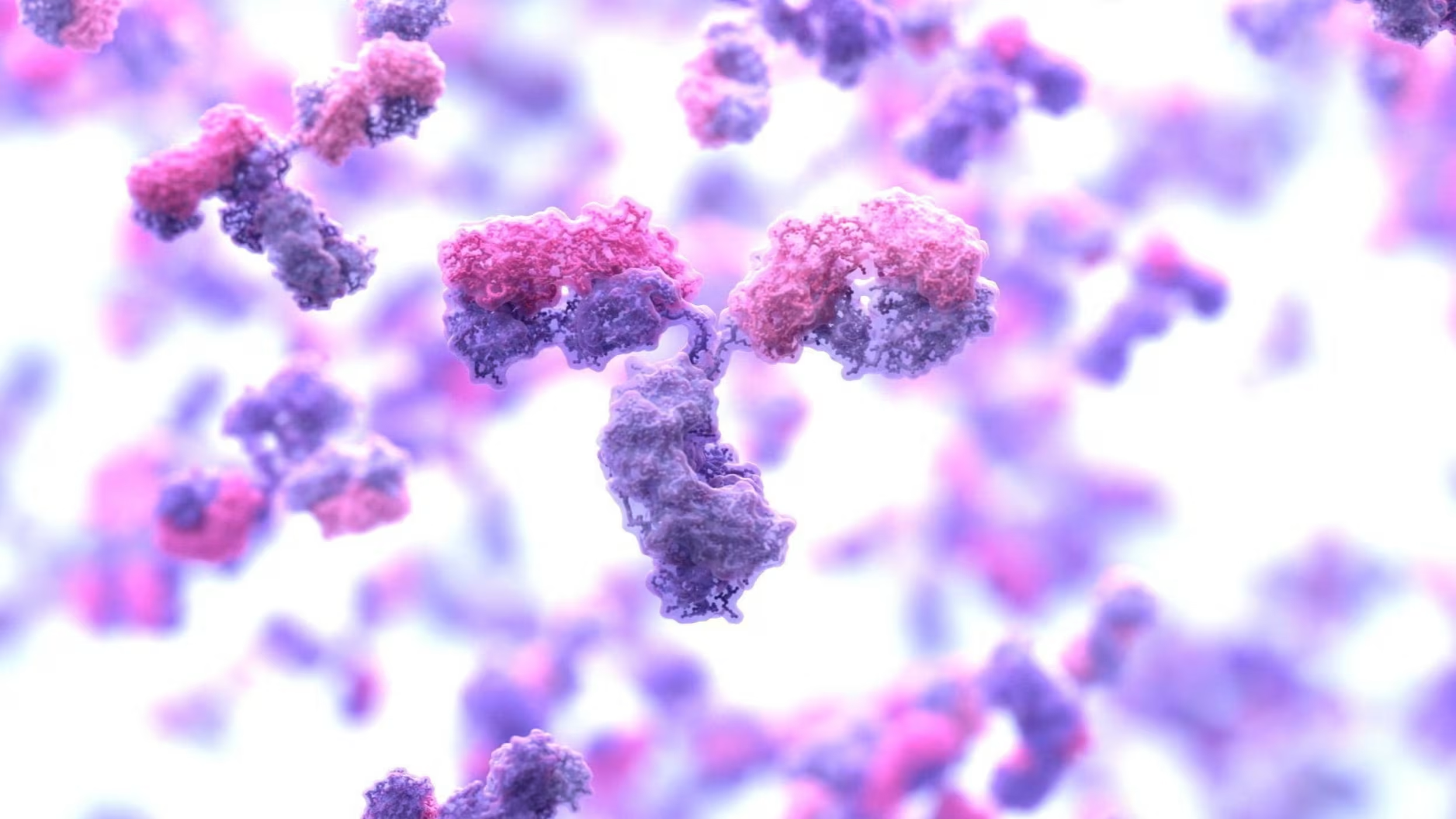
AI-designed antibodies are showing promise to significantly enhance drug development processes, potentially leading to faster and more effective treatments.
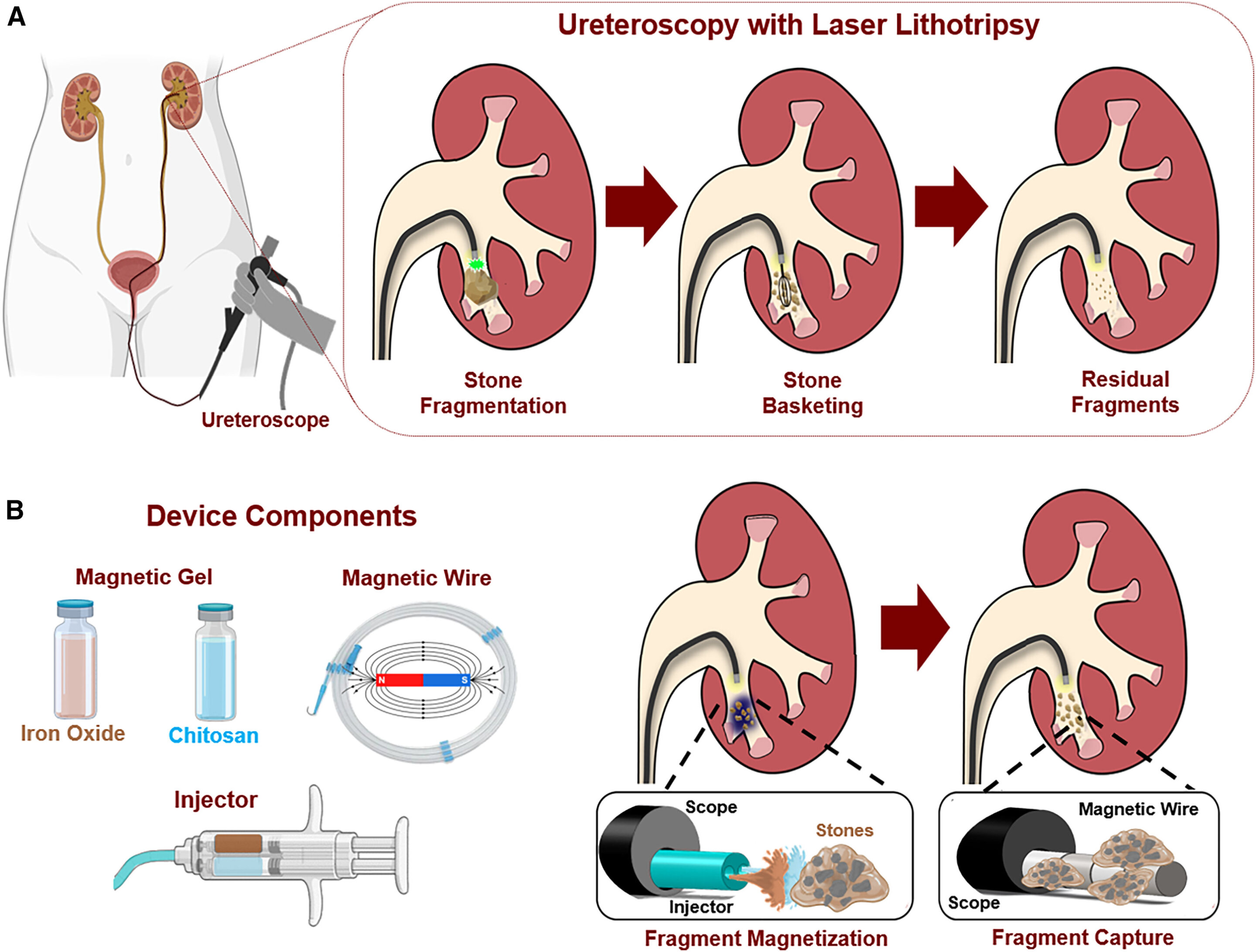
Stanford University developed a magnetic device compatible with ureteroscopy that effectively retrieves kidney stone fragments in pig models, outperforming traditional methods and showing promise for reducing residual fragments and associated complications in humans.
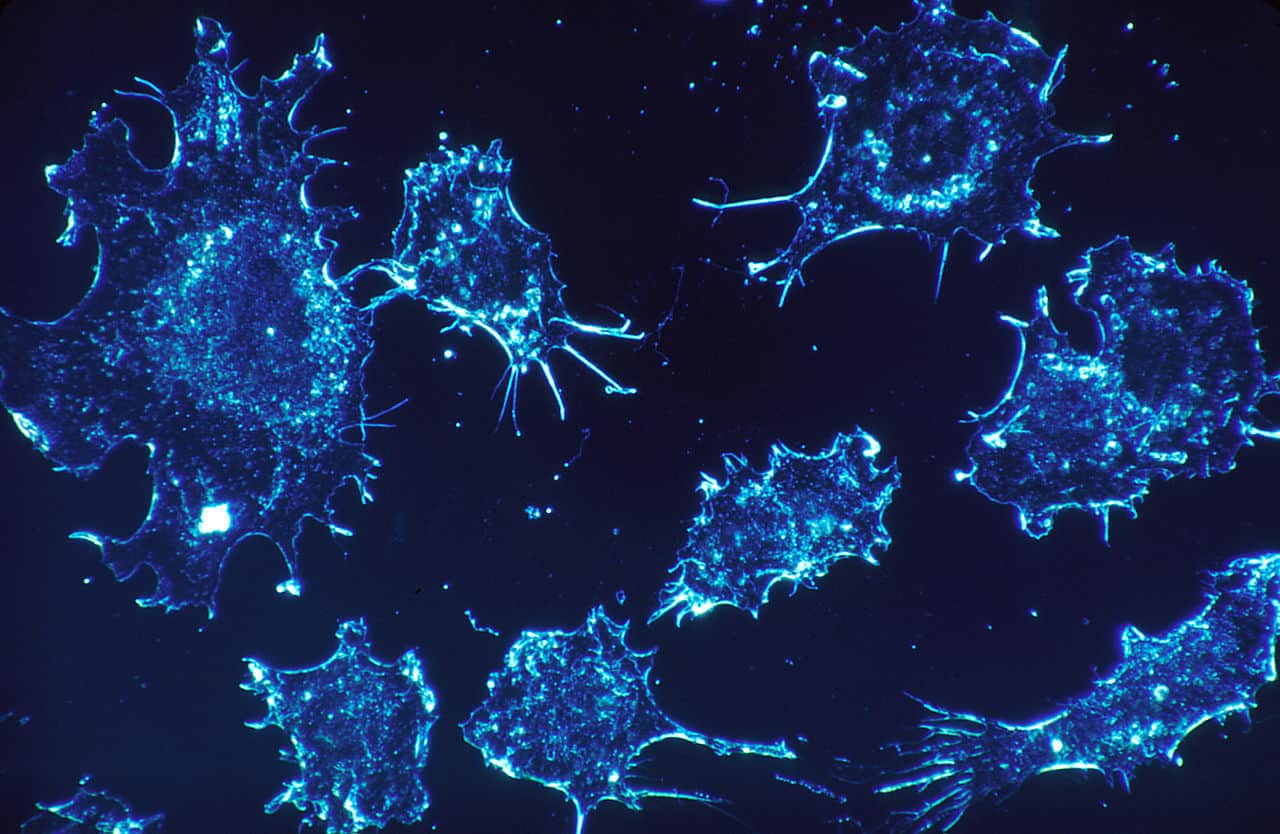
Scientists have developed a new, cost-effective cancer treatment using near-infrared LEDs and tin oxide nanoflakes that can selectively destroy cancer cells with minimal harm to healthy tissue, showing promising results in cell tests and potentially offering a safer, more accessible alternative to traditional therapies.
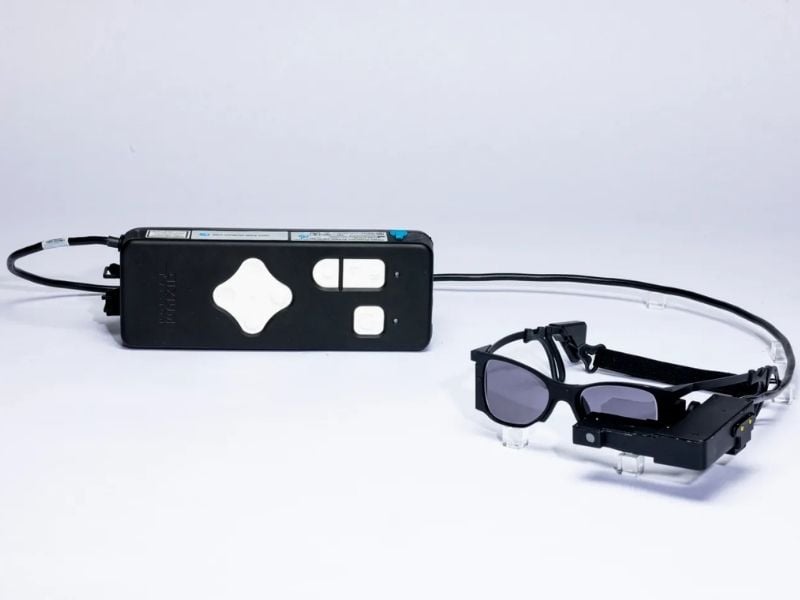
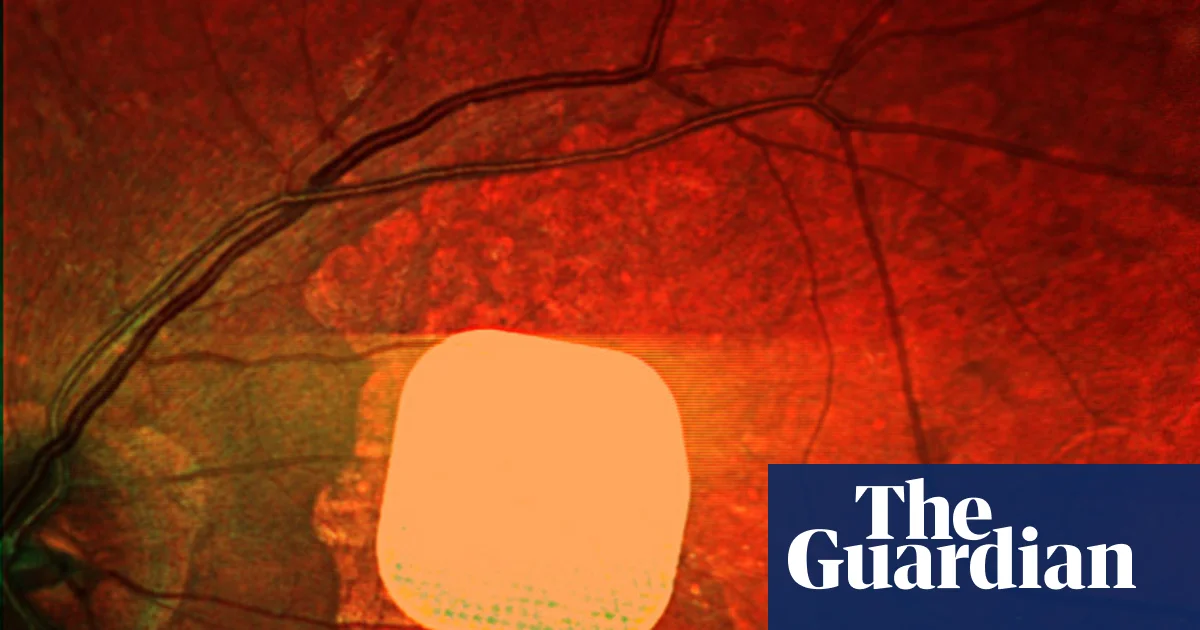
A new tiny retinal implant called PRIMA has shown promising results in helping people with advanced age-related macular degeneration regain some central vision, marking a significant step toward restoring sight in cases previously considered irreversible.
A Japanese clinical trial demonstrated that injecting non-oxygenated perfluorodecalin into the rectum is safe and tolerated, paving the way for a novel 'enteral ventilation' method that could assist patients with lung failure by delivering oxygen through the gut, inspired by a fish that breathes via its intestines.
Scientists have safely tested a novel method called enteral ventilation, which delivers oxygen through the rectum, potentially providing a new aid for patients with respiratory failure, especially when traditional methods are not suitable. The technique was safe in initial tests, with mild bloating as the only side effect, and could serve as a temporary oxygenation solution in critical care scenarios.
A first safety trial of 'enteral ventilation' or 'butt-breathing' using oxygen-rich liquid administered rectally shows promise, with future studies planned to assess its effectiveness for oxygenating blood, potentially aiding patients with lung issues.
Scientists have successfully tested the safety of a novel method called enteral ventilation, which delivers oxygen through the intestine, in a human trial involving healthy volunteers, paving the way for potential emergency treatments for severe respiratory failure.
A groundbreaking electronic eye implant, the Prima device, has successfully helped 84% of elderly patients with incurable dry age-related macular degeneration regain the ability to read, marking a significant advancement in artificial vision and offering new hope for those with sight loss.
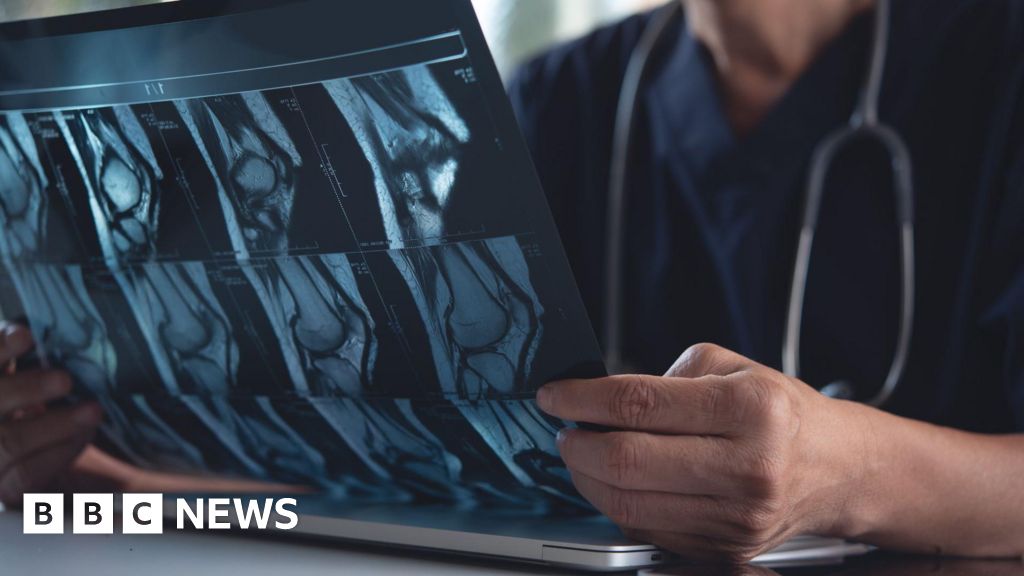
Researchers at the University of Surrey have developed an AI system that can predict future knee X-ray images and assess disease risk, potentially transforming osteoarthritis treatment by enabling earlier and personalized care. The system, trained on a large dataset, outperforms existing tools in speed and efficiency and could lead to similar innovations for other chronic diseases.