archaeologyhistory3.465 min read
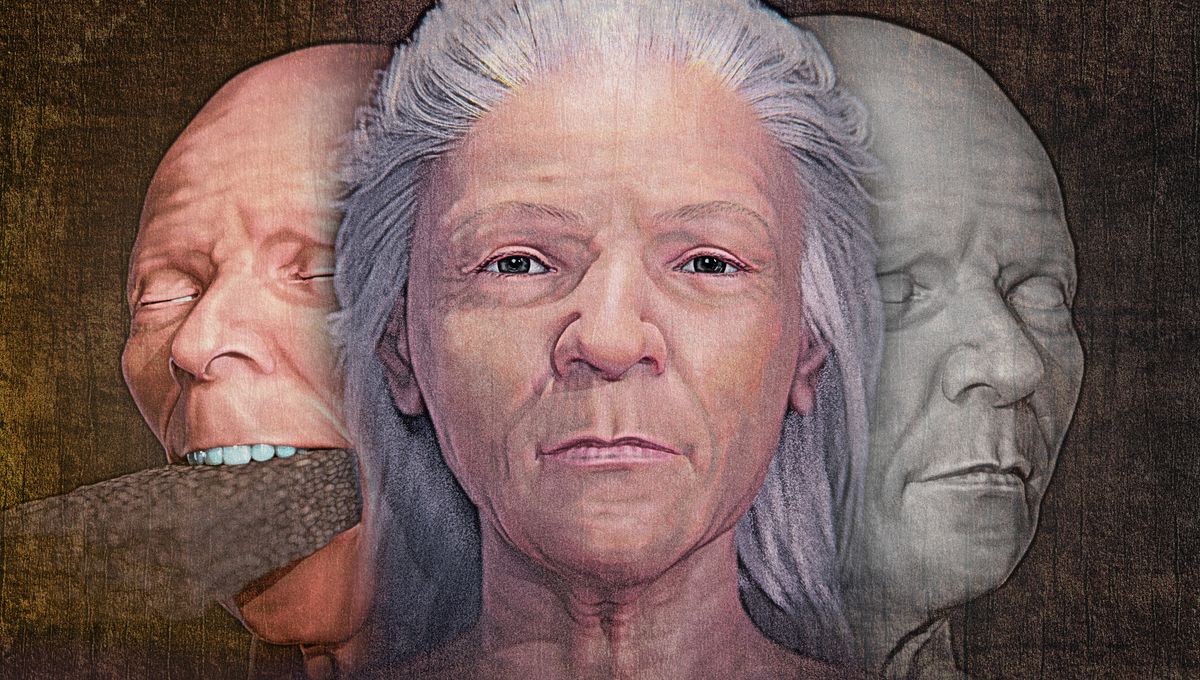
"Revealing the Face of a 16th-Century Vampire Woman with a Brick in Her Mouth"
1 year ago•Source: IFLScience

The latest archaeologyhistory stories, summarized by AI

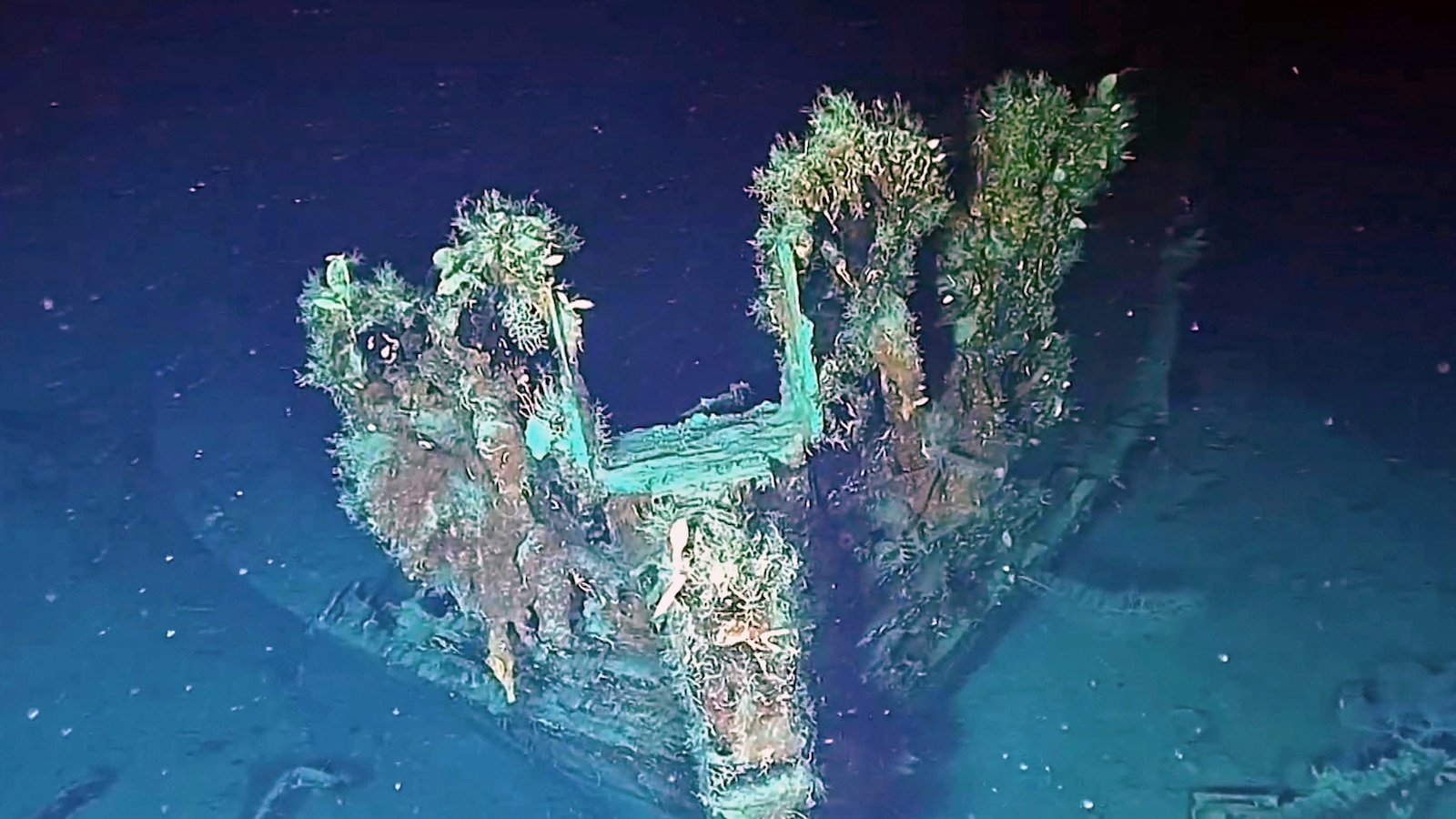
The Colombian government has approved a plan to recover the San Jose galleon, a 300-year-old sunken Spanish ship filled with billions of dollars worth of treasure, using robots to collect its gold, silver, and emeralds. The ship, owned by the Spanish Crown, sank near Cartagena in 1708 after being pursued by the British Navy. This discovery adds to recent findings of sunken treasures, including a 17th-century cannon off the English coast believed to be from the Merchant Royal, known as the "El Dorado of the seas."
Phys.org•1 year ago
Newsweek•2 years ago
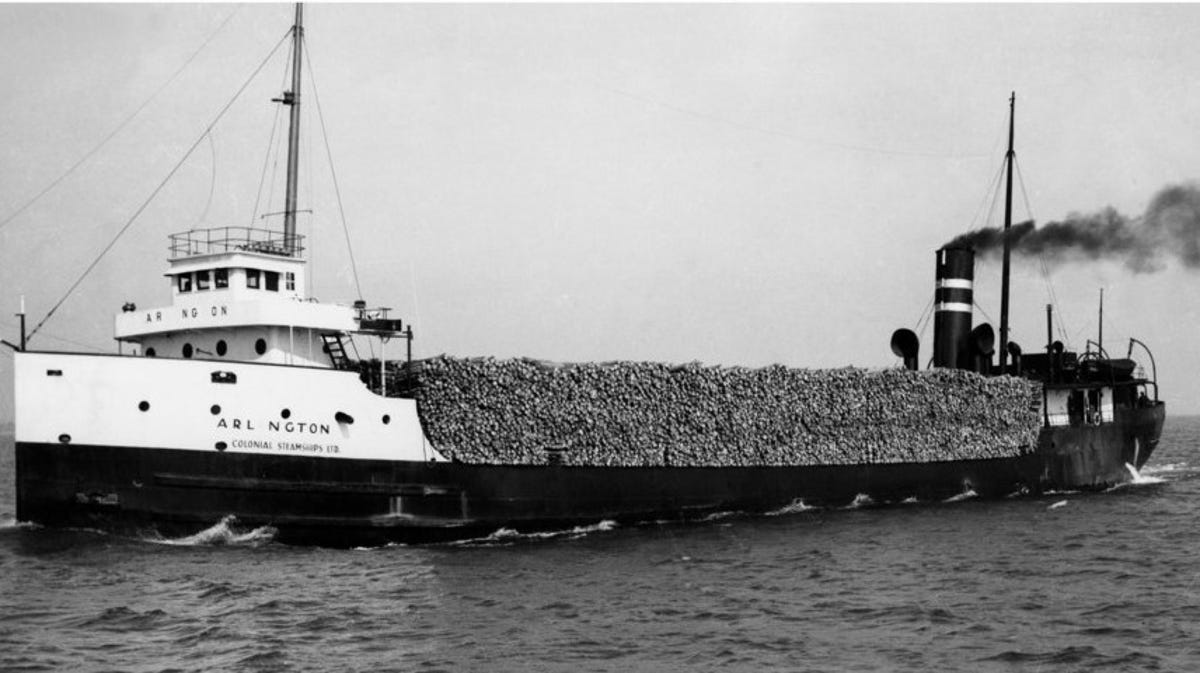
The wreckage of the 244-foot merchant ship Arlington, which sank in 1940, has been discovered in Lake Superior by the Great Lakes Shipwreck Historical Society and researcher Dan Fountain. The ship, loaded with wheat, sank in a storm, with the crew abandoning ship and the captain going down with it. This discovery adds to recent shipwreck findings in the Great Lakes, including a possible wreck in Lake Erie and the 150-year-old George L. Newman found in Lake Michigan.
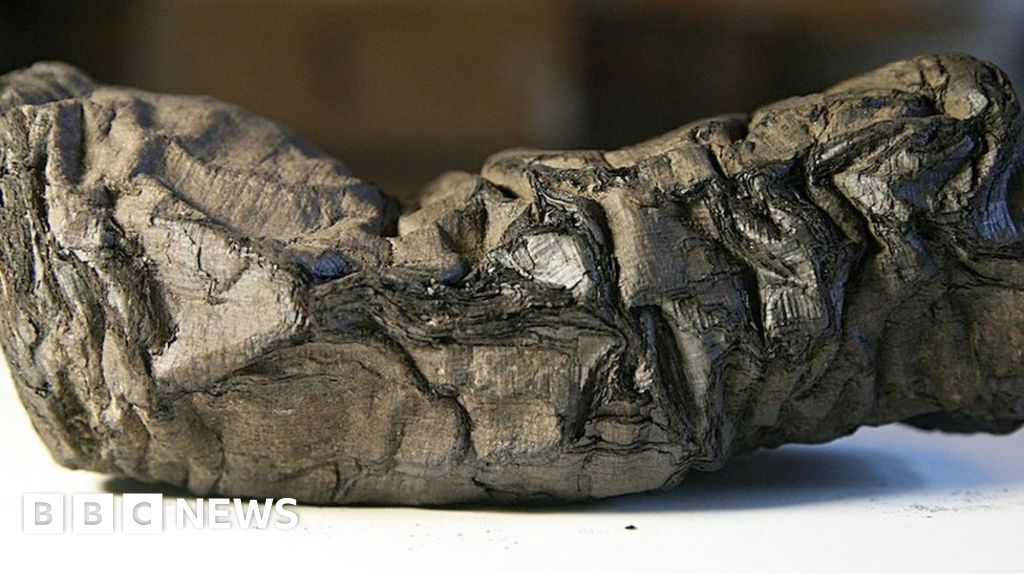
Three students have won a $700,000 prize for using AI to decipher a 2,000-year-old scroll charred during the Mount Vesuvius eruption in 79AD, believed to have belonged to Julius Caesar's father-in-law. The breakthrough has revealed writings by the Greek philosopher Philodemus discussing music and food, and experts believe it marks a revolution in Greek philosophy. The AI model has deciphered 2,000 Greek characters from one of the four scrolls, with hopes to eventually translate all 800.
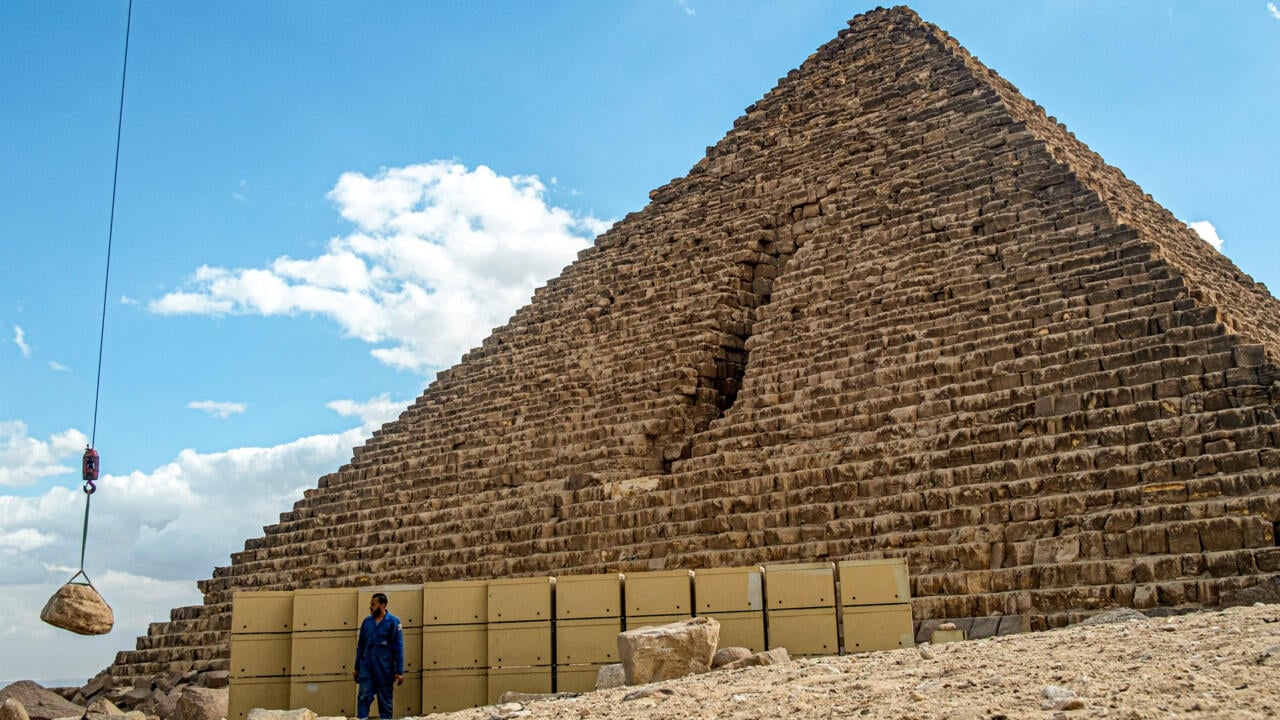
Egypt's antiquities ministry has announced the formation of a committee to review the restoration of Giza's Menkaure Pyramid following public outcry over a video showing workers setting blocks of granite on the base of the pyramid. The committee, chaired by well-known Egyptian archaeologist Zahi Hawass and including experts from the Czech Republic, Germany, and the United States, will assess the project and coordinate with UNESCO. The renovation aims to restore the pyramid's original style by reconstructing its granite base, but has sparked concerns about the preservation of its historic fabric.
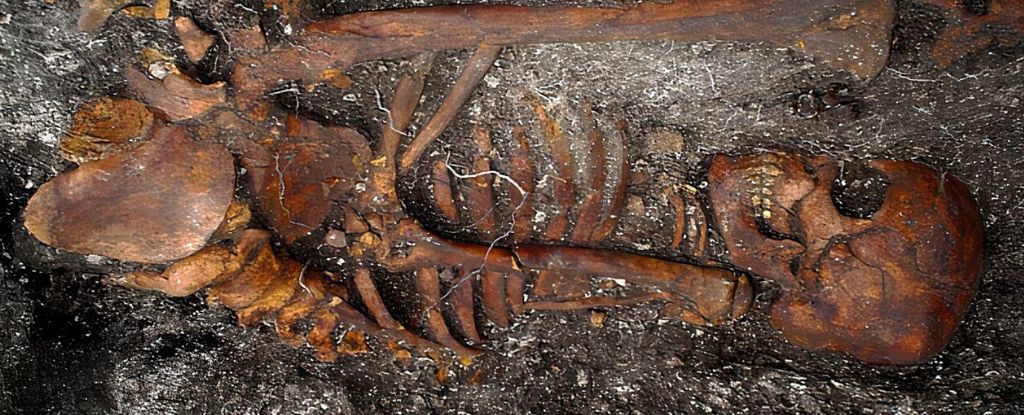
Researchers have discovered the oldest case of a syphilis-like disease in 2,000-year-old bones found in Brazil, undermining the theory that Christopher Columbus brought syphilis to Europe. The ancient bacterial subspecies of syphilis, closely related to a modern pathogen causing a disease called bejel, suggests that treponemal diseases existed in South America long before Columbus' arrival but were not the same as the venereal disease that later struck Europe. The findings challenge the long-held Columbian hypothesis and indicate that the origins of syphilis may not be confined to just one place or time.
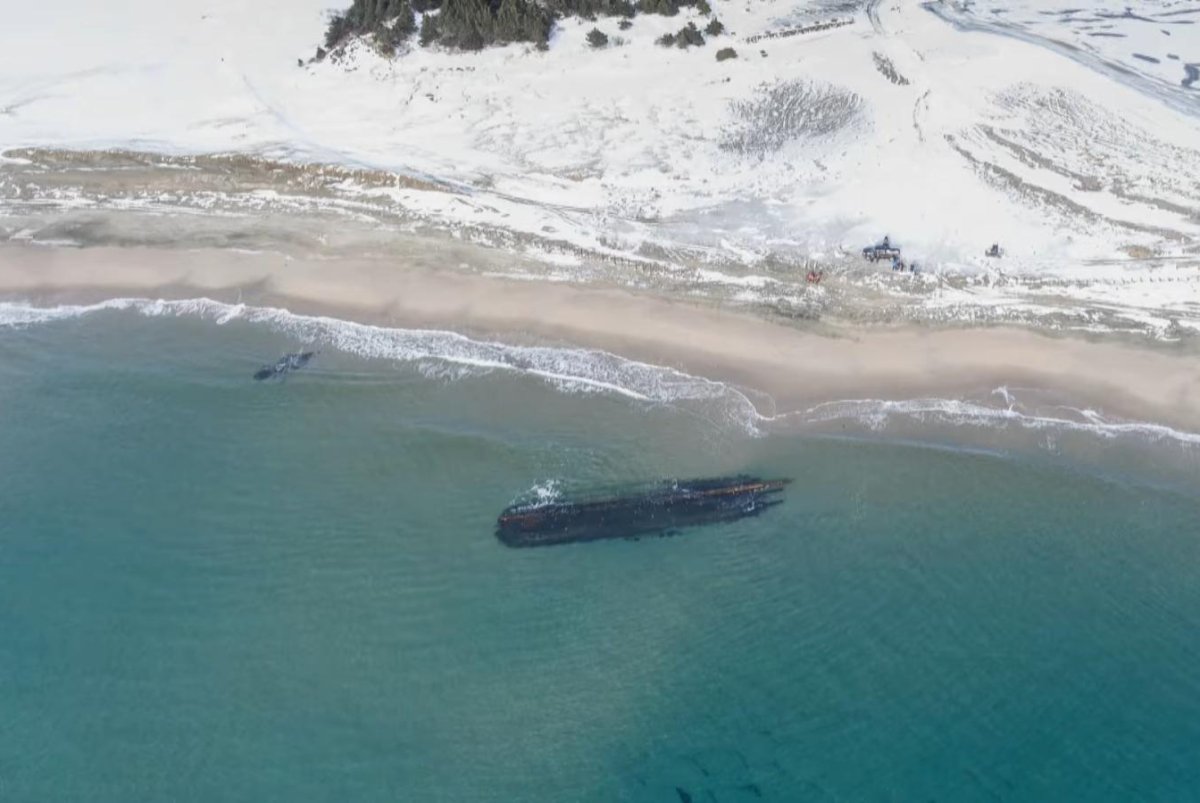
A shipwreck suspected to be from the 1800s has washed up in southwestern Newfoundland, Canada, near J.T. Cheeseman Provincial Park. The large chunk of an old wooden hull and some timbers were discovered by residents, and drone video of the wreckage has been posted to YouTube. Experts believe the shipwreck was likely buried for over a century before being unearthed by storms, and plans are underway to identify the vessel and learn more about its origins.
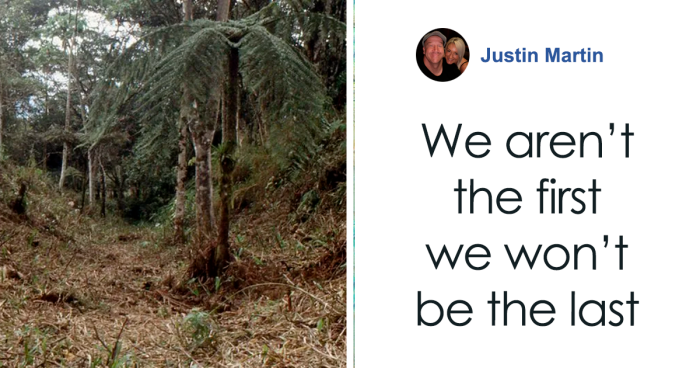
A team led by Stéphen Rostain used LiDAR technology to uncover a massive pre-Columbian civilization in the Amazon rainforest, challenging assumptions about the region's history. The discovery of over 6,000 raised earthen platforms covering 115 square miles, along with canals and roads, suggests a complex society of at least 10,000 inhabitants dating back to before 500 A.D. This finding opens up new avenues for archaeological investigation and prompts a reevaluation of historical narratives about the Amazon's ancient civilizations.
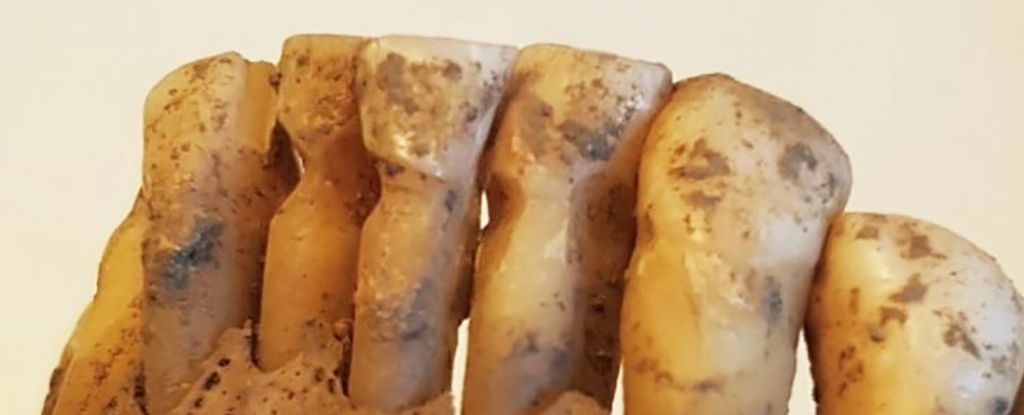
A study of 3,000 Viking-era teeth dating back a thousand years reveals evidence of advanced dentistry, including the use of toothpicks, filing of front teeth, and dental treatments for infections. The analysis, conducted by researchers from the University of Gothenburg and the Västergötlands Museum in Sweden, suggests that Viking oral health and dentistry were more sophisticated than previously believed, shedding new light on the dental practices of this ancient culture.
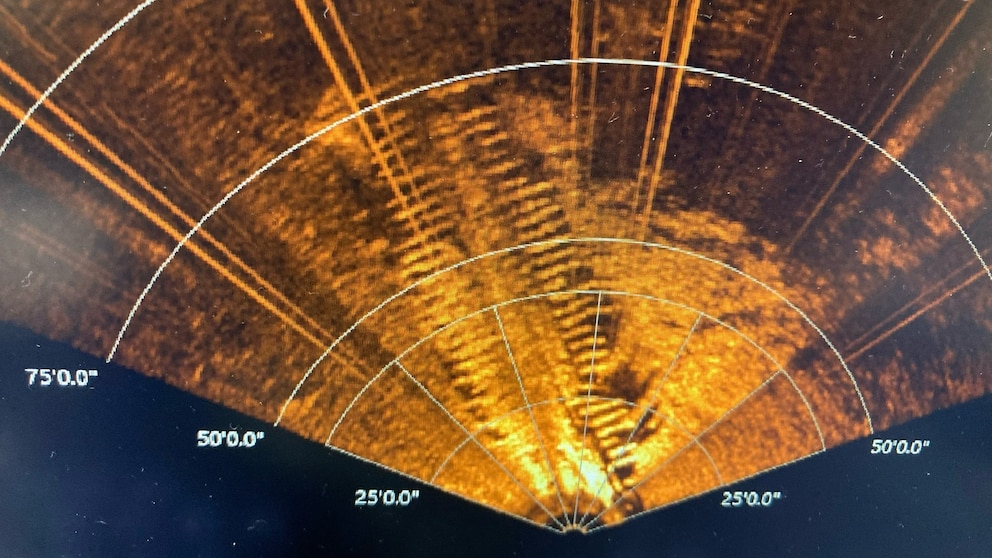
A father and daughter fishing on Lake Michigan discovered what they thought was an octopus using sonar, but it turned out to be a shipwreck missing for over 150 years. The ship, likely the George L. Newman, went missing in 1871 during the Great Peshtigo Fire. The wreck, located in 8 to 10 feet of water, was not marked on any historical or nautical charts. The Wisconsin Historical Society plans to survey the site in spring 2024 and assess it for listing on the National Register of Historic Places.
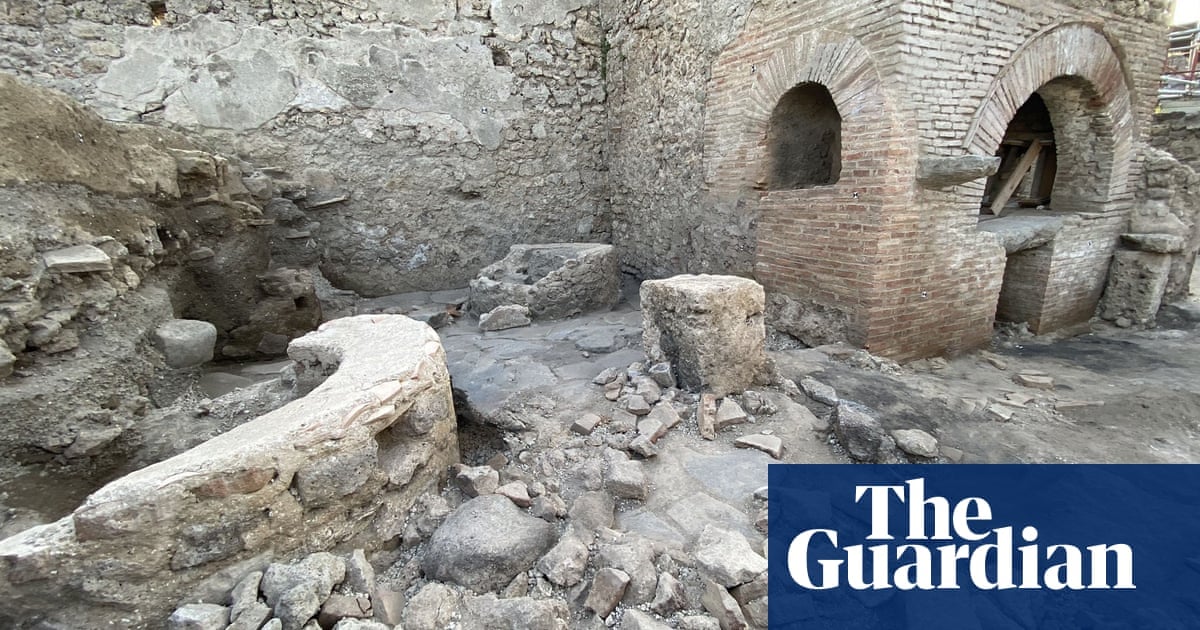
Archaeologists have uncovered a bakery in the ruins of Pompeii that served as a shocking example of Roman slavery. The cramped bakery, part of a home in the Regio IX area, contained small windows barred with iron and markings used to coordinate the movement of enslaved workers. The discovery sheds light on the forgotten daily lives of Pompeii's enslaved population, who made up the majority of the city's inhabitants and played a crucial role in its economy and culture. The bakery's isolation and restrictive layout highlight the brutal nature of ancient slavery. The findings add to previous discoveries of rooms inhabited by enslaved people and a tomb of a former enslaved person at Pompeii. An exhibition dedicated to the enslaved people of Pompeii will open in December.
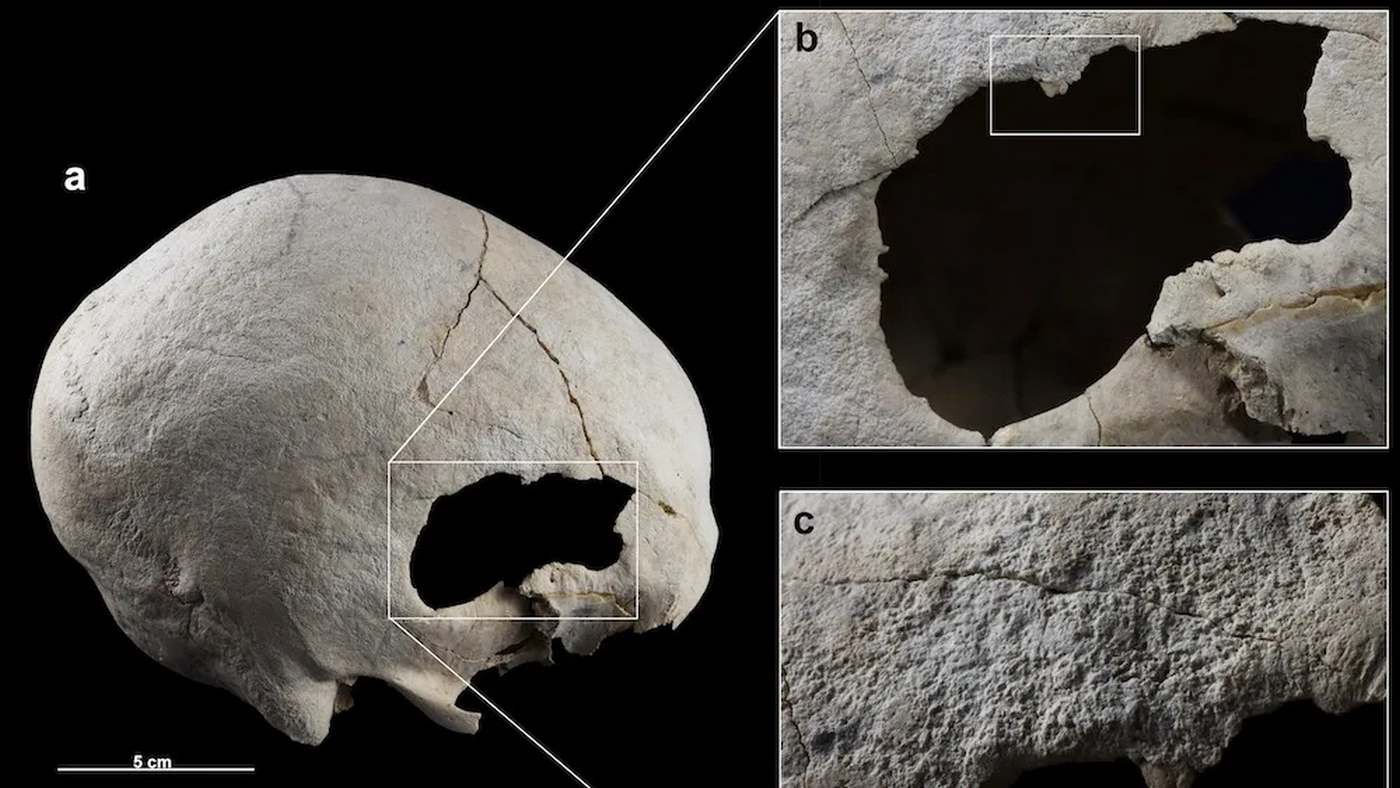
Archaeological remains from Spain have revealed that a woman from the late Neolithic/early Copper Age underwent two cranial surgeries during her adult life. The trepanations, or surgical entries into the cranium, were expertly made and aimed to access the outermost layer of tissue surrounding the brain and spinal cord. The surgeries were not the result of violence or ritual cannibalism, as the areas around the trepanations were clean, and the woman lived for months after the second procedure. This discovery showcases the medical knowledge and value placed on life in primitive societies during that time.