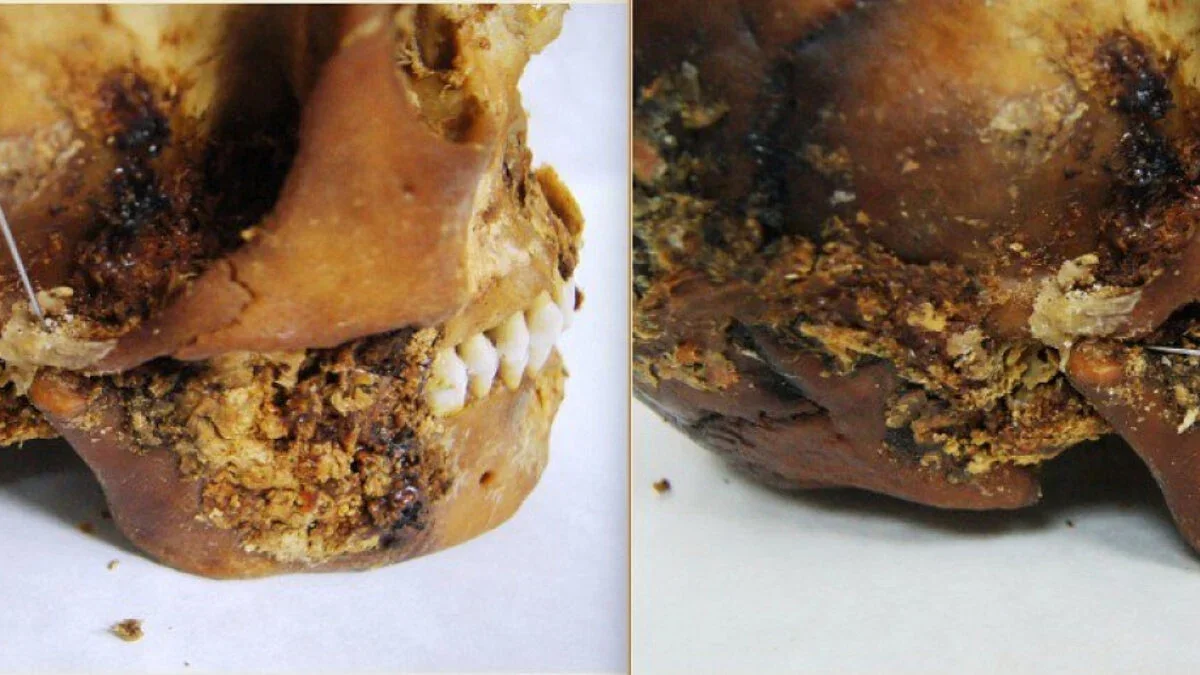
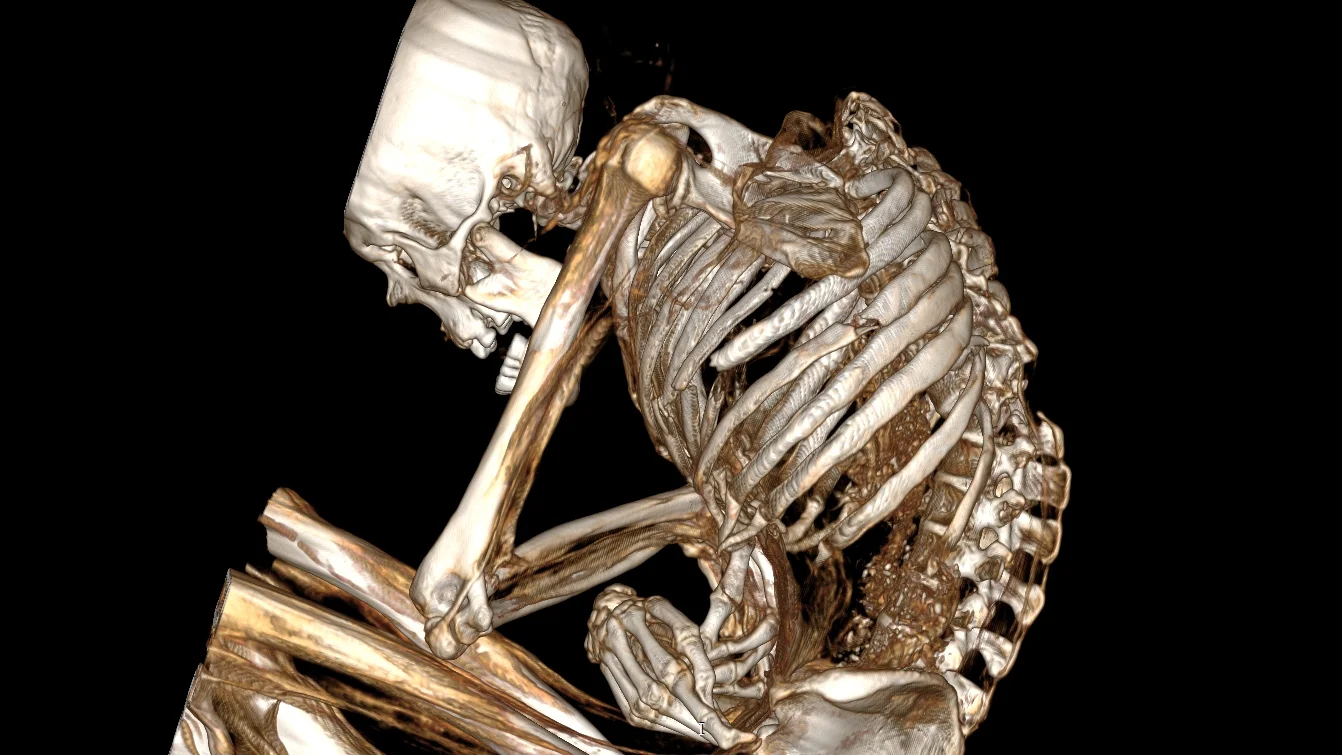
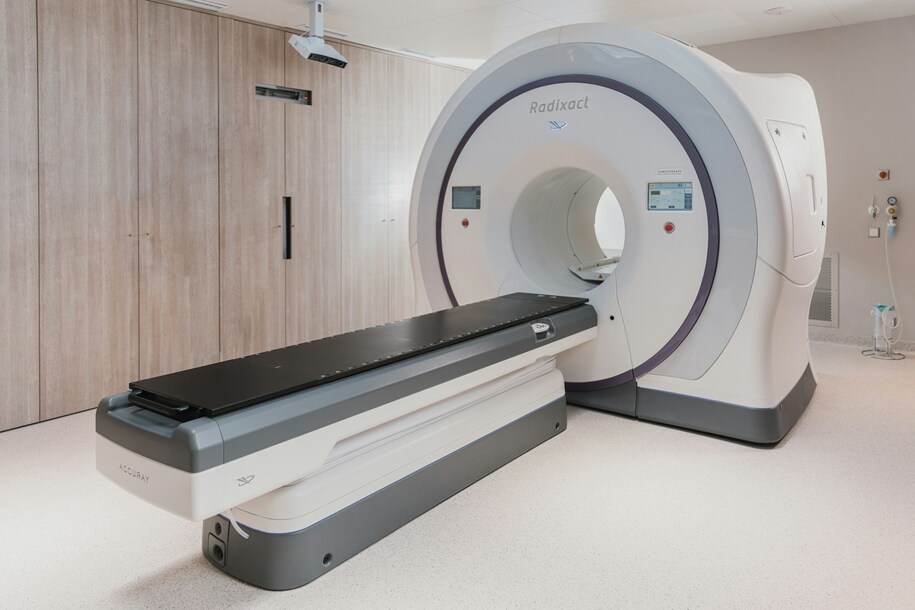
CT scans of a 2,500-year-old Pazyryk mummy from southern Siberia reveal a damaged jaw stabilized by a primitive prosthetic, likely made from elastic material, suggesting the woman survived long enough to move her jaw to a limited extent and highlighting Iron Age medical care in nomadic cultures.
A 1,100-year-old mummy of a miner found in Chile shows he died from extensive blunt-force trauma likely caused by a mine collapse, with CT scans revealing injuries consistent with a rockfall during turquoise extraction in ancient times.
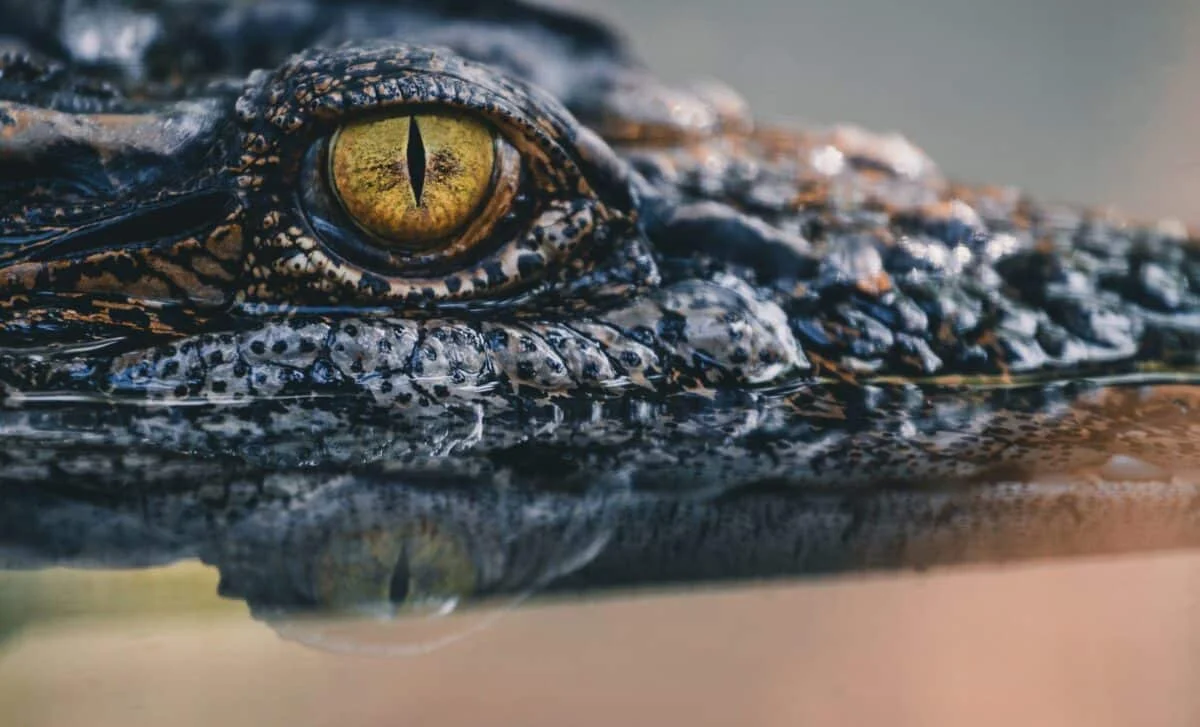
Scientists used non-invasive CT and X-ray technology to examine a 3,000-year-old Egyptian crocodile mummy, revealing it was likely sacrificed and providing insights into ancient Egyptian rituals and their reverence for crocodiles, including findings of a fish and stones in its stomach that suggest it was caught and sacrificed shortly before death.
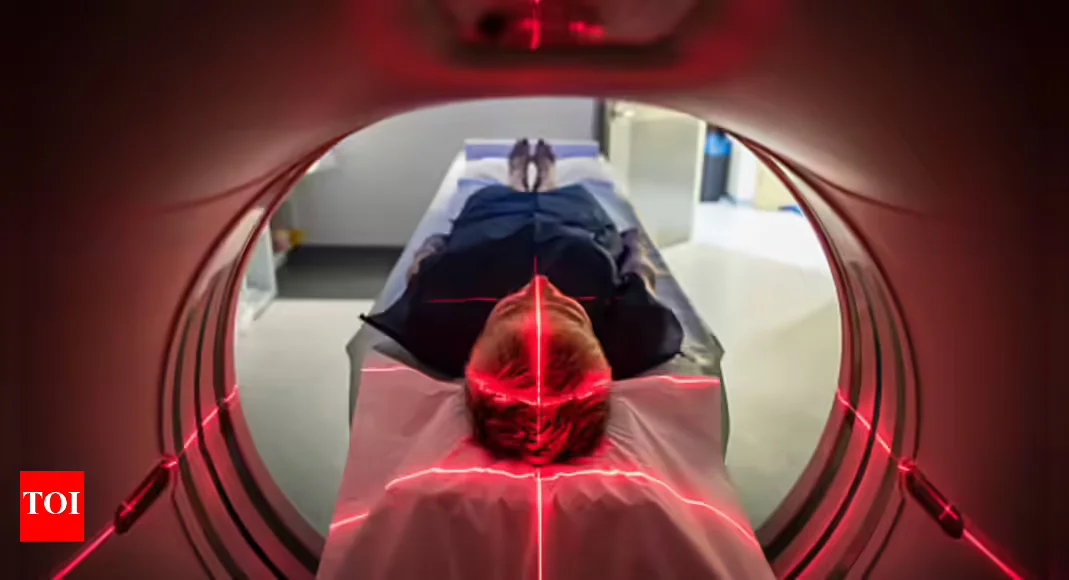
President Donald Trump clarified that he received a CT scan, not an MRI, during his October health check at Walter Reed, with his doctor confirming the procedure and results as normal, while Trump expressed regret over the imaging being used against him.
President Trump clarified that he underwent a CT scan, not an MRI, during his October health check at Walter Reed, and expressed regret about having the scan as it provided ammunition for critics; he also discussed his health regimen and lifestyle preferences.
Leticia Paul, a 22-year-old law graduate in Brazil, died from a rare allergic reaction (anaphylactic shock) caused by contrast dye during a routine CT scan, prompting an investigation into possible medical negligence and raising concerns about patient safety.
A 22-year-old lawyer in Brazil died less than 24 hours after suffering a severe allergic reaction to contrast dye during a CT scan, highlighting the risks associated with medical procedures and the importance of safety protocols.
A study estimates that the widespread use of CT scans in the US in 2023 could lead to approximately 103,000 new cancer cases over the lifetime of those exposed, highlighting the need to balance the diagnostic benefits of CT imaging with its potential long-term cancer risks, especially in children and frequent users.
A 22-year-old law graduate in Brazil died after an allergic reaction to contrast dye used during a routine CT scan for kidney stones, highlighting the rare but serious risks associated with medical imaging contrast agents.
A recent study analyzing 93 million CT scans in 2023 estimates that the radiation from these scans could lead to approximately 103,000 future cancers in the US, with higher risks in infants and children, and emphasizes the importance of justifying each scan and considering alternatives like MRI or ultrasound to reduce unnecessary radiation exposure, while acknowledging the critical diagnostic benefits of CT scans in urgent and complex cases.
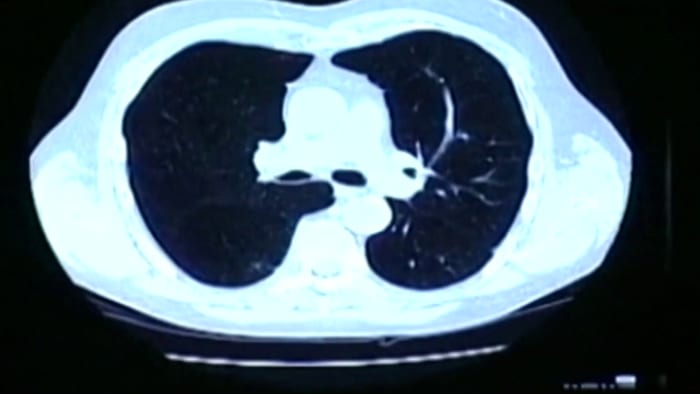
The American Cancer Society has issued new guidelines for lung cancer screening, expanding the criteria beyond just cigarette smokers. The guidelines now recommend that individuals between the ages of 50-80 with a 20-pack-year history or more should receive a yearly low-dose CT scan to screen for lung cancer. This change is estimated to increase the number of eligible individuals by about 5 million and could prevent an additional 21% of lung cancer deaths compared to the current recommendations. However, insurance coverage for these screenings may vary, so it is important to consult with a primary care provider to determine eligibility and coverage.
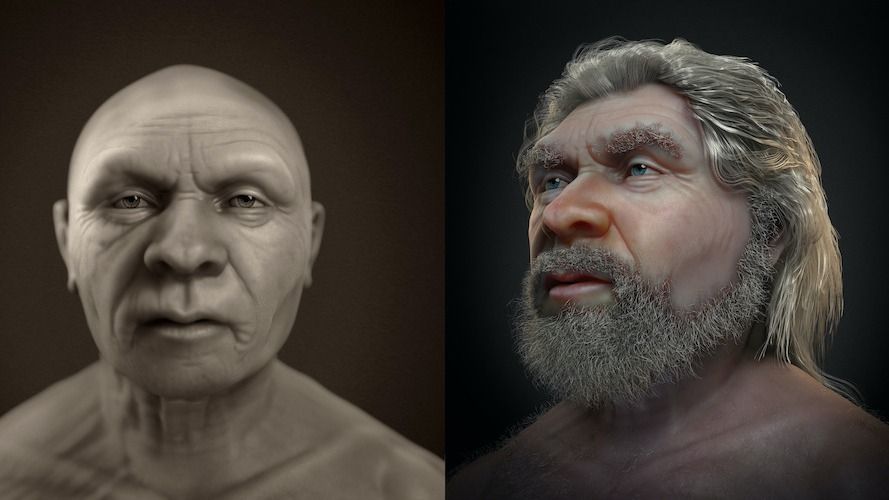
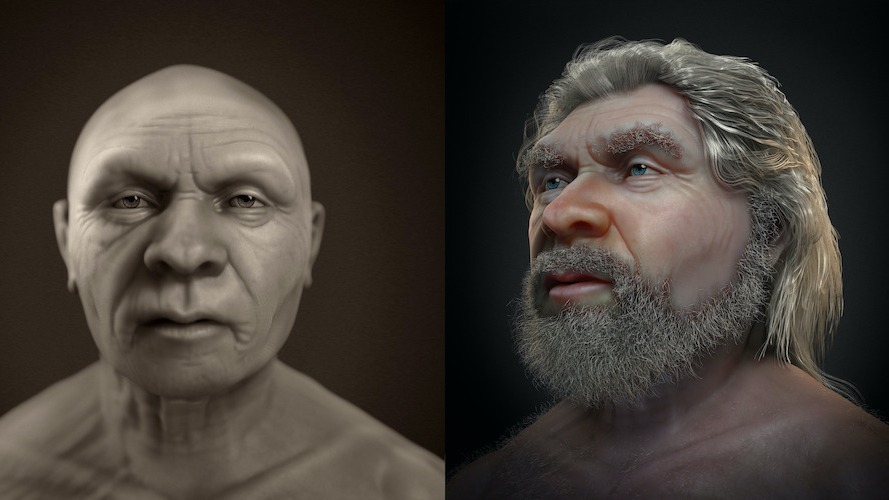
Forensic artists have created a digital facial approximation of the "old man" Neanderthal, whose nearly complete skeleton was discovered in France in 1908. Using CT scan data and measurements from a human skull, the artists reconstructed the face shape, skin, and muscles of the Neanderthal. The new reconstruction offers a more accurate and humanized depiction of the ancient man, challenging previous exaggerated ape-like portrayals. This advancement in facial reconstruction provides new insight into the anatomy and physiology of Neanderthals, highlighting their similarities and differences to modern humans.
Forensic artists have created a digital facial approximation of a Neanderthal known as the "old man" based on CT scan data of his skull. The Neanderthal, who lived between 47,000 and 56,000 years ago, had hallmark traits such as an oversize brow ridge and large eye orbits. The facial approximation provides a more accurate and humanized representation compared to previous exaggerated reconstructions. This new perspective reflects evolving knowledge about Neanderthals, showing their similarities to modern humans in anatomy and behavior.
A CT scan of the skull of a Thescelosaurus neglectus dinosaur named Willo has revealed that despite its small brain, it possessed unique sensory traits associated with animals that spend time underground, such as a heightened sense of smell and exceptional balance. The dinosaur had limited hearing abilities but compensated with a well-developed sense of smell. These findings suggest that T. neglectus may have engaged in burrowing behaviors or lived underground, similar to its ancestors. The research provides insight into the sensory abilities and potential lifestyles of dinosaurs, expanding our understanding of their ecological adaptations.
New guidelines from the American Cancer Society recommend that even heavy smokers who quit 15 years ago or more should undergo yearly lung cancer screening with low-dose CT scans. The previous guidance, which excluded ex-smokers who quit more than 15 years ago, was based on a flawed premise that the risk of cancer decreased over time. However, data revealed that the risk of lung cancer actually increased with age, even among those who had quit smoking long ago. Currently, only a fraction of high-risk individuals are getting screened, contributing to the abysmally low rates of screening in the United States. The new guidelines will expand eligibility for screening, potentially saving more lives through early detection of lung cancer.