Tag

Burial Site

All articles tagged with #burial site

Archaeologists Discover Rare Iron Age Ceremonial Wheel in Scotland

Originally Published 6 months ago — by Indian Defence Review

Featured image for Archaeologists Discover Rare Iron Age Ceremonial Wheel in Scotland
Source: Indian Defence Review

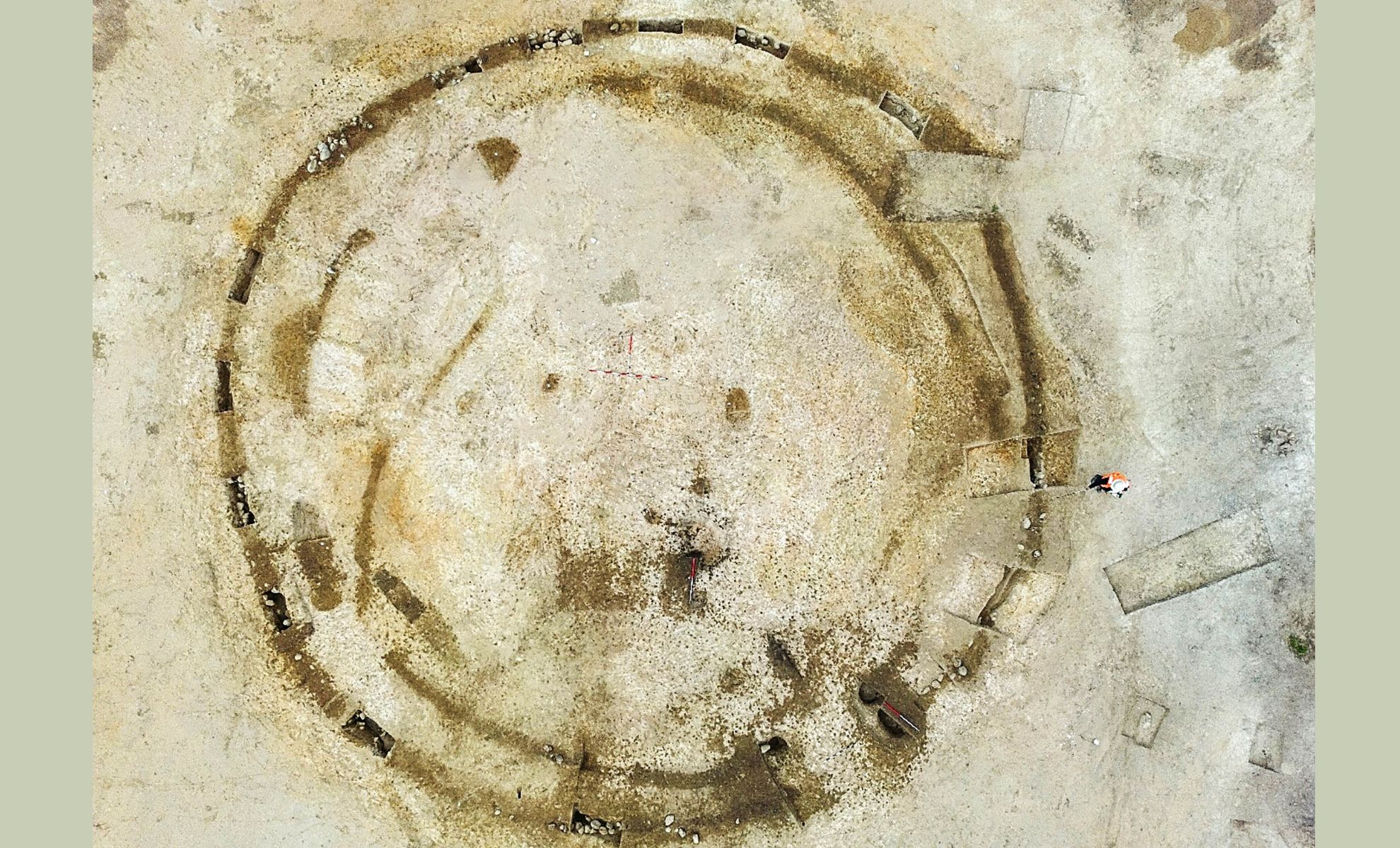
Archaeologists in Inverness, Scotland, discovered a rare Iron Age ceremonial wheel, likely part of a high-status burial, shedding new light on ancient Highland societies' social and ritual practices. The well-crafted iron tire, found near cremated remains and a prehistoric palisade circle, suggests complex craftsmanship and social hierarchies, challenging previous understandings of Iron Age Scotland.
"World's Oldest Burial Site Predates Homo Sapiens"

Originally Published 1 year ago — by ScienceAlert

Featured image for "World's Oldest Burial Site Predates Homo Sapiens"
Source: ScienceAlert

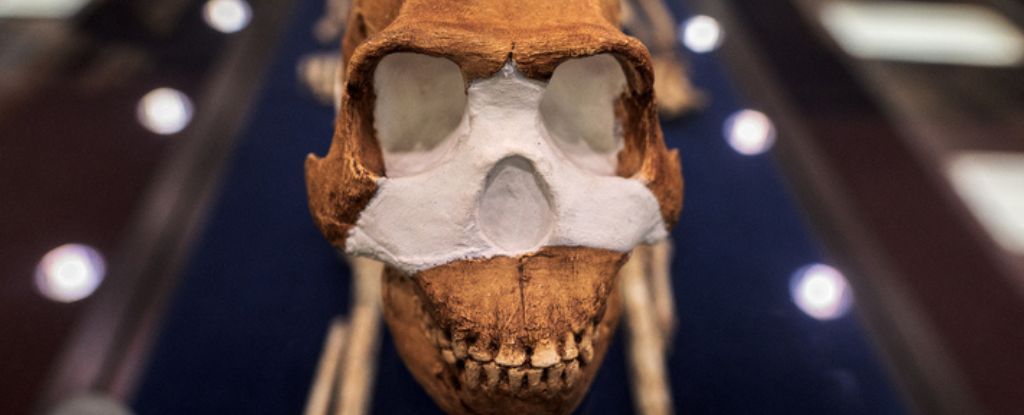
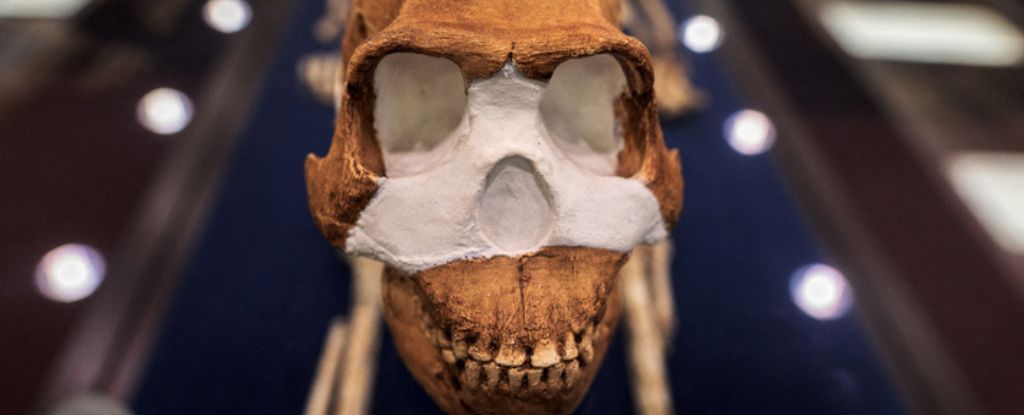
Paleontologists in South Africa have discovered the world's oldest known burial site, containing remains of Homo naledi, a small-brained hominid previously thought incapable of complex behavior. This finding, led by Lee Berger, challenges the belief that only large-brained species like Homo sapiens engaged in burial practices, suggesting that complex emotional and cognitive behaviors may have a more diverse evolutionary history.

"Revealing the Face of a 16th-Century Vampire Woman with a Brick in Her Mouth"

Originally Published 1 year ago — by IFLScience

Featured image for "Revealing the Face of a 16th-Century Vampire Woman with a Brick in Her Mouth"
Source: IFLScience

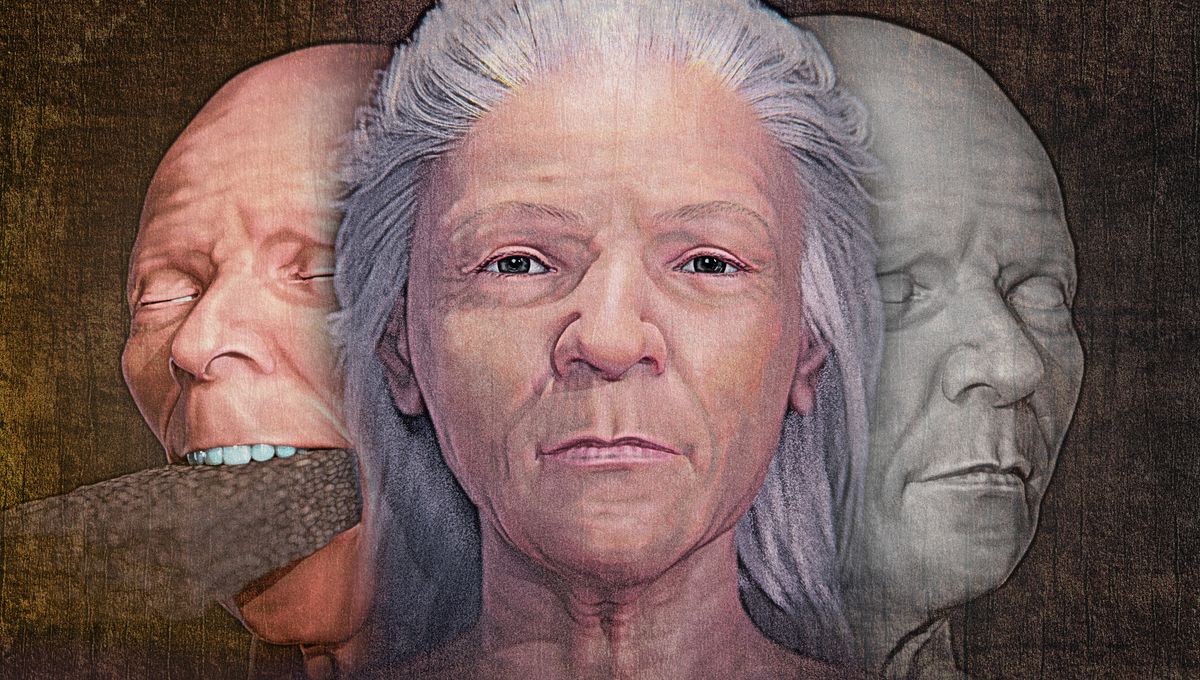
A 16th-century "vampire" buried with a stone brick in her mouth has been reconstructed by a facial reconstruction expert. The woman's corpse, found in a mass grave for plague victims in Venice, may have been suspected of spreading the disease through her bloodthirst. The brick was likely placed in her mouth by gravediggers who noticed she had "eaten" her face shroud, possibly to prevent her from biting others. Further analysis of the bones suggested she was in her 60s and mainly ate vegetables and grains, indicative of a low social class. The facial reconstruction, based on images of the skeleton available online, has sparked debate about its accuracy.

"Unearthing a Rare Roman Funerary Bed in Central London"

Originally Published 1 year ago — by CNN

Featured image for "Unearthing a Rare Roman Funerary Bed in Central London"
Source: CNN

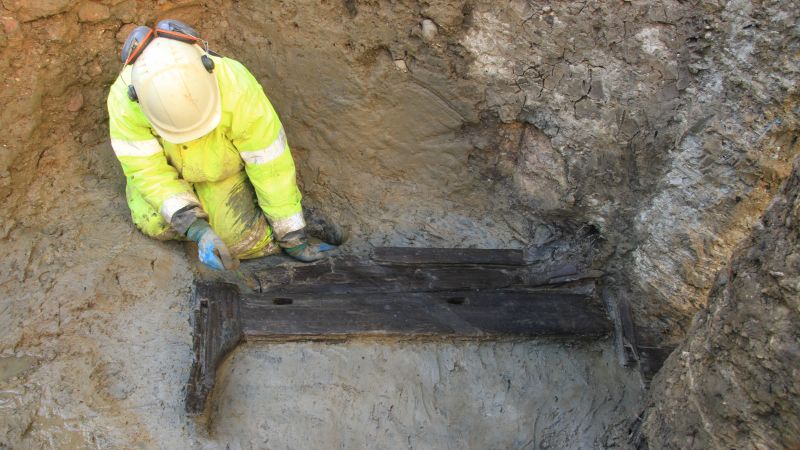
Archaeologists in central London have unearthed a Roman burial site containing a well-preserved wooden bed, believed to have been used in a funeral. The bed, made from high-quality oak and dismantled before burial, is the first complete example of its kind ever found in Britain. The discovery, made by the Museum of London Archaeology team, also included personal objects and skeletal remains, shedding new light on Roman funerary rituals. The site, located near Holborn Viaduct, has revealed layers of history, from Roman times to the 16th century and beyond, and is now being transformed into office space, with plans to display some of the archaeological finds.

"Ancient Grave Unveils Teen Girl, Child, and Treasures in U.K.: A Striking Discovery"

Originally Published 2 years ago — by CBS News

Featured image for "Ancient Grave Unveils Teen Girl, Child, and Treasures in U.K.: A Striking Discovery"
Source: CBS News

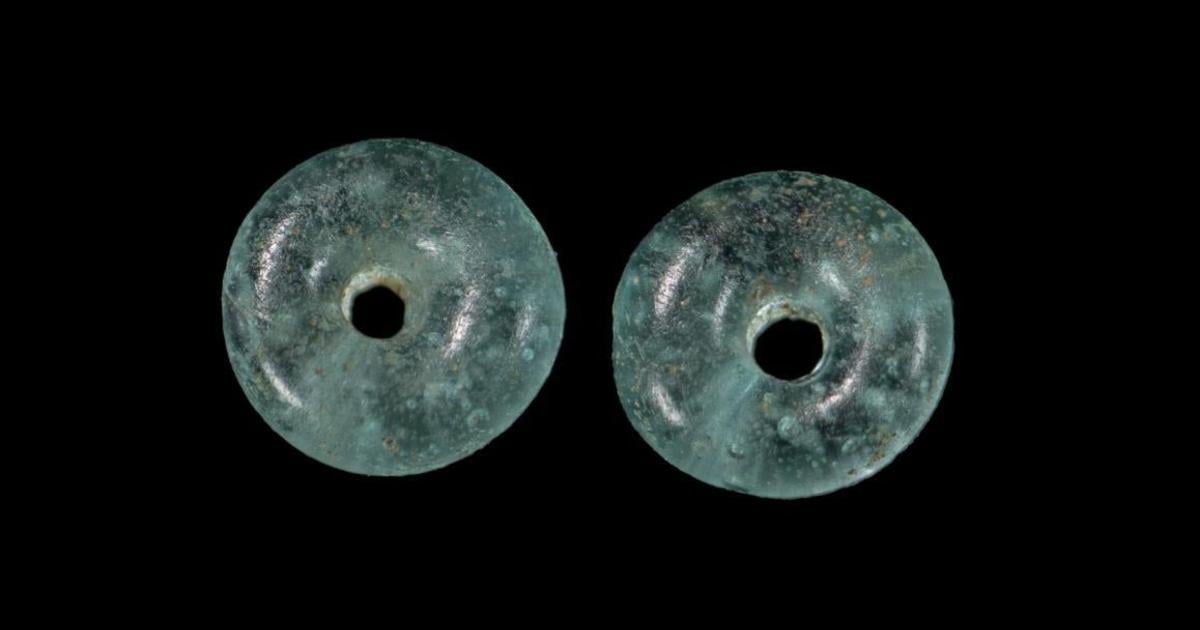
Construction for an electricity project in the U.K. led to the discovery of an Anglo-Saxon burial site in Lincolnshire, dating back at least 1,400 years, containing the remains of a teenage girl and a child along with various tools, jewelry, and pottery. The site, deemed a "striking discovery" by Wessex Archaeology, will undergo scientific analyses to understand the population's genetic background, diet, and familial relationships, shedding light on Anglo-Saxon life and death in the region. This finding is part of a series of archaeological discoveries along the cable route for the Viking Link energy project, including a wheelbarrow from the Bronze Age and a Romano-British farmstead.

Ancient Burial Site Predates Human Existence

Originally Published 2 years ago — by ScienceAlert

Featured image for Ancient Burial Site Predates Human Existence
Source: ScienceAlert

Paleontologists in South Africa have discovered the oldest known burial site in the world, challenging the current understanding of human evolution. The site contains the remains of Homo naledi, a small-brained distant relative of humans previously thought incapable of complex behavior. The burial site, dating back to at least 200,000 BC, contains deliberately dug holes filled in to cover the bodies, suggesting mortuary practices. The findings also include engravings on cave surfaces, indicating symbolic practices. These discoveries suggest that mortuary practices and symbolic behaviors were not limited to Homo sapiens or hominins with large brain sizes, potentially altering our understanding of human evolution.

Trump's Child Backs Controversial Burial Site for Ivana

Originally Published 2 years ago — by Yahoo Entertainment

Featured image for Trump's Child Backs Controversial Burial Site for Ivana
Source: Yahoo Entertainment

Eric Trump has expressed strong support for his father's decision to bury their mother, Ivana Trump, at the New Jersey Trump National Golf Club Bedminster. Despite criticism on social media about the unkempt state of the burial site, Eric praised his father's gesture, describing him as an incredible man with a heart of gold. Speculation has arisen about whether the move was motivated by a tax break, but Eric's admiration for the act remains unwavering.

Ancient Children's Burial Site Unearthed by Gas Workers in Peru

Originally Published 2 years ago — by The Washington Post

Featured image for Ancient Children's Burial Site Unearthed by Gas Workers in Peru
Source: The Washington Post

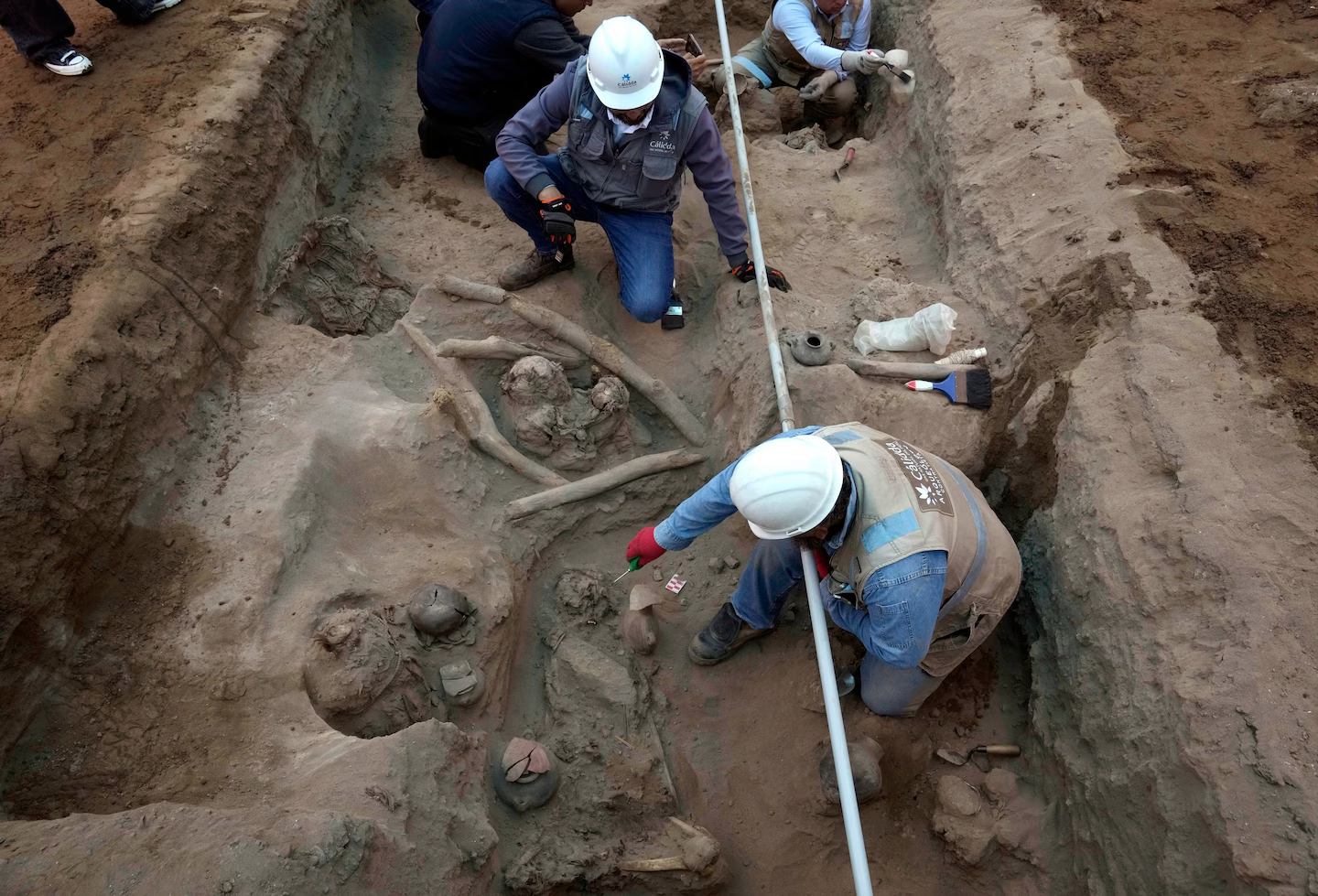
Gas workers in Peru uncovered a burial site believed to be up to 1,000 years old, containing eight bundles of funeral belongings, most of which belonged to children. The site, located in Lima's Carabayllo district, is thought to date back to the pre-Inca Ychsma culture. The remains, wrapped in cloth along with artifacts, will undergo further analysis to better understand the findings. This discovery adds to the growing number of archaeological sites in Lima that provide insights into the history and culture of Indigenous civilizations.

"Discovery of Two Adult Remains Unveiled in Latest Tulsa Race Massacre Dig"

Originally Published 2 years ago — by CNN

Featured image for "Discovery of Two Adult Remains Unveiled in Latest Tulsa Race Massacre Dig"
Source: CNN

The remains of two adults have been discovered in the ongoing third excavation at Oak Lawn Cemetery in Tulsa, Oklahoma, as part of the effort to find unidentified victims of the 1921 Tulsa Race Massacre. The archaeologists have exposed 22 grave shafts so far, with two remains already found. The excavation is based on limited information from death certificates and funeral homes, focusing on adult males buried in simple wood coffins. The first two excavations yielded a total of 52 burials, including 28 remains. The 1921 Tulsa Race Massacre resulted in the death of hundreds of African American residents, with bodies buried in mass graves and families left unaware of their loved ones' fate.

"Hidden Remembrance: The Neglected Grave of Ivana Trump on Trump's Vast Estate"

Originally Published 2 years ago — by Daily Mail

Featured image for "Hidden Remembrance: The Neglected Grave of Ivana Trump on Trump's Vast Estate"
Source: Daily Mail

Ivana Trump's grave at Trump National Golf Club in Bedminster, New Jersey has become overgrown with grass and is barely visible, according to exclusive pictures. The grave is cordoned off, preventing well-wishers from approaching the area. Ivana, the first wife of former president Donald Trump, died in July 2022 at the age of 73. She is buried at the family's golf club where they often spend their summers together.

Unraveling Prehistoric Lineage: Mapping Seven Generations with Ancient DNA

Originally Published 2 years ago — by Nature.com

Featured image for Unraveling Prehistoric Lineage: Mapping Seven Generations with Ancient DNA
Source: Nature.com

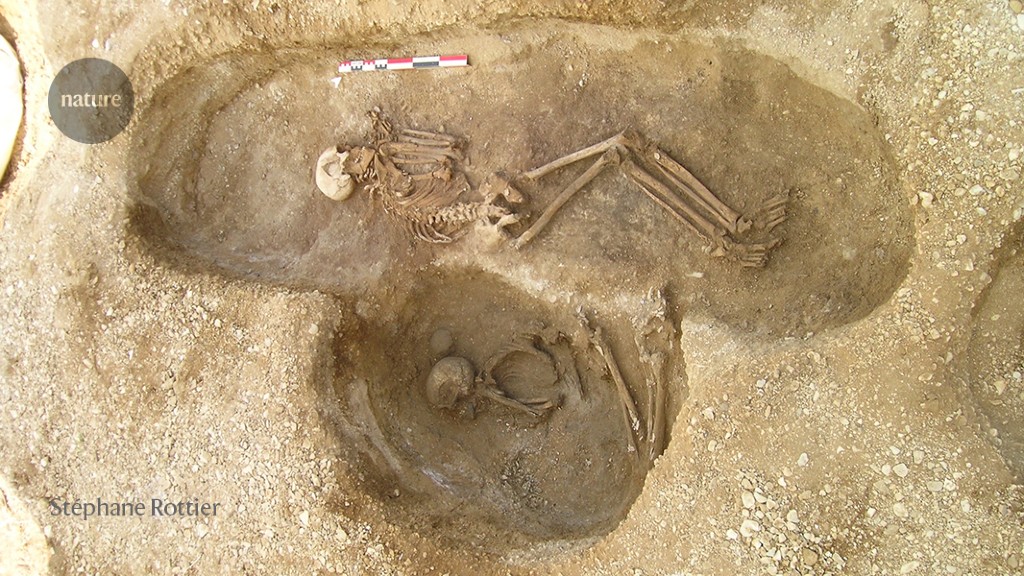
Ancient DNA analysis of a burial site in France has revealed the largest-ever genealogy of a prehistoric family, spanning seven generations. The study found that around two-thirds of the individuals buried at the site belonged to a single family tree, with closer burials indicating closer relationships. The analysis also revealed a fairly monogamous social structure, with no evidence of individuals having multiple partners. The study sheds light on life in an early farming community and highlights the importance of understanding ancient peoples through genetic analysis.

Unearthing the Tragic Fate of Native American Boarding School Children

Originally Published 2 years ago — by The Guardian US

Featured image for Unearthing the Tragic Fate of Native American Boarding School Children
Source: The Guardian US

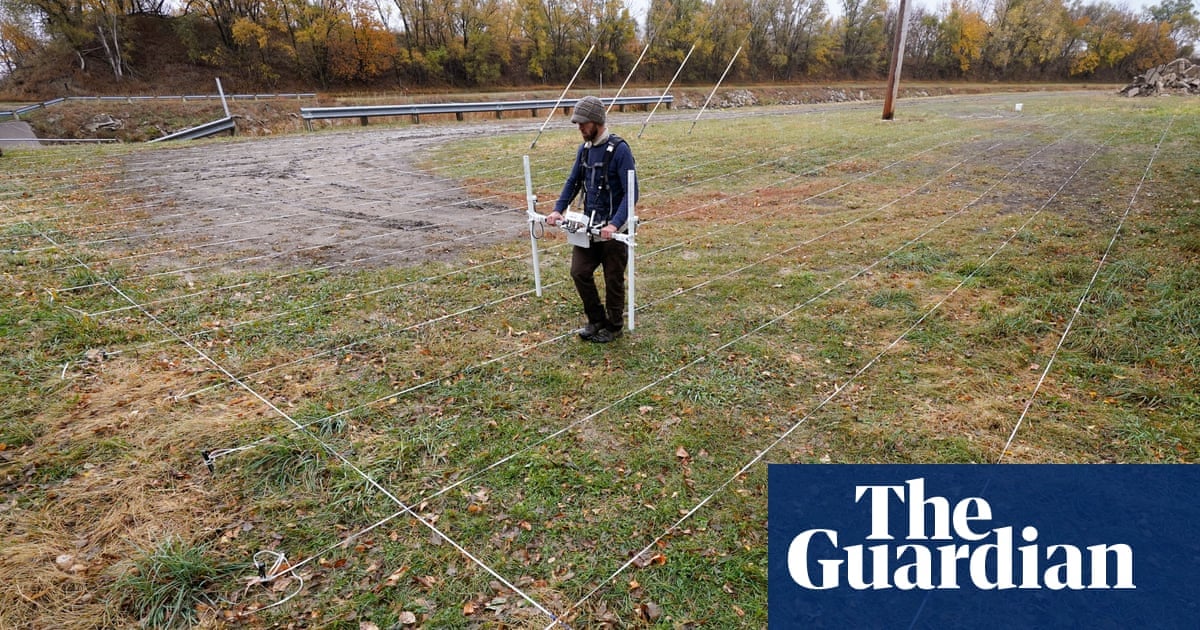
Archaeologists have begun excavating a field in Nebraska in search of the remains of children who died at the Genoa Indian industrial school, one of over 400 Native American boarding schools that separated Indigenous children from their families. The grave sites of these children have been lost for decades, but with the help of newspaper clippings, records, and ground-penetrating radar, researchers have identified a potential burial site. The excavation process will determine if there are human remains present, and if so, the state archaeology office will work with the Nebraska commission on Indian affairs to decide the next steps, which could include reburial or returning the remains to tribes. The federal government is also examining the boarding school system, with an initial report released in 2022.

"Paiute Tribe Unearths Tragic Discovery: 12 Children's Bodies Found at Former Utah Boarding School"

Originally Published 2 years ago — by Salt Lake Tribune

Featured image for "Paiute Tribe Unearths Tragic Discovery: 12 Children's Bodies Found at Former Utah Boarding School"
Source: Salt Lake Tribune

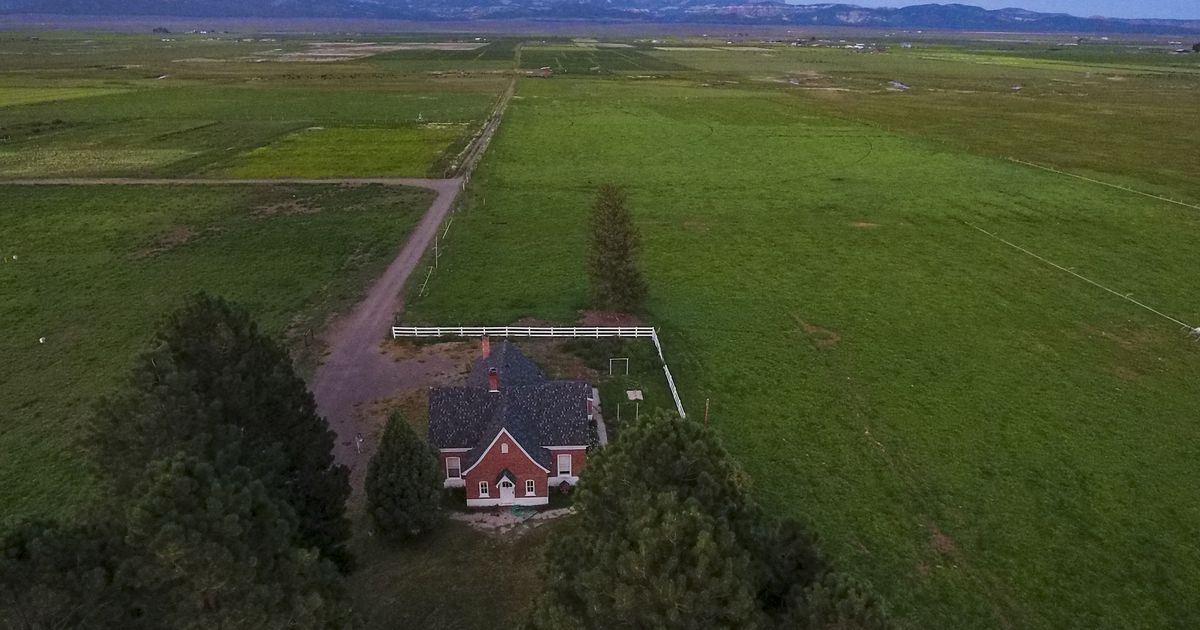
The Paiute Indian Tribe of Utah has confirmed that the bodies of 12 children have been found buried at the site of a former Indigenous boarding school in southern Utah. The discovery comes after ground-penetrating radar work was conducted, confirming the tribe's oral histories of children dying at the school. The tribe plans to honor and memorialize the children's suffering through a culturally appropriate interment. The findings highlight the historical abuse and mistreatment of Native American students at boarding schools, and coincide with the U.S. Department of Interior's efforts to investigate and address the abuse of Native students at such institutions.

3000-year-old sword found in pristine condition.

Originally Published 2 years ago — by Washington Examiner

Featured image for 3000-year-old sword found in pristine condition.
Source: Washington Examiner

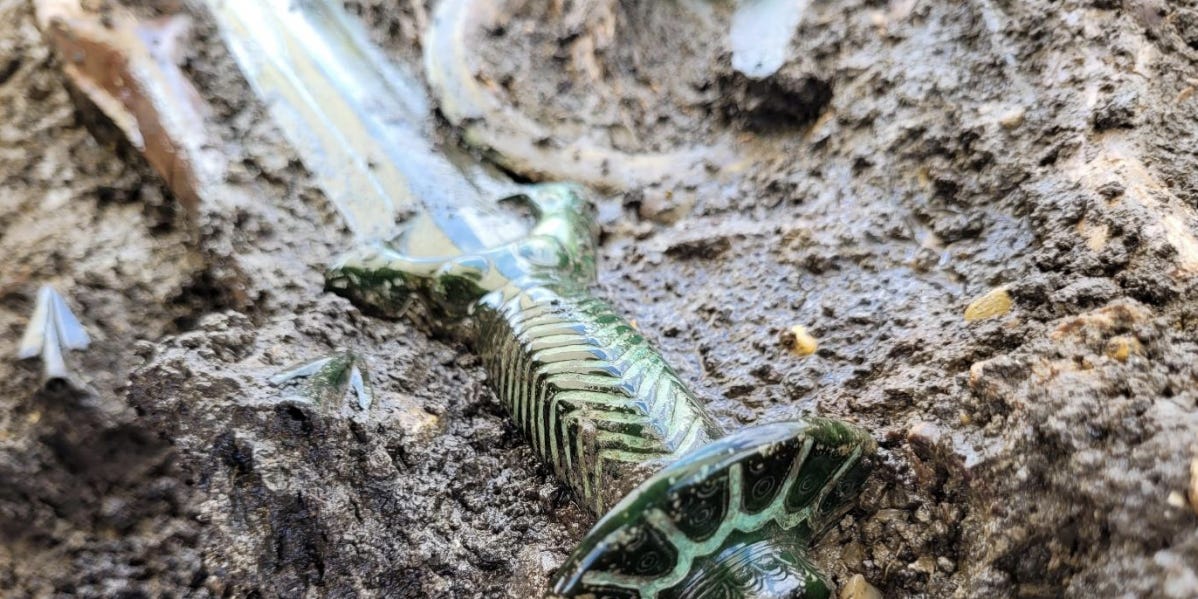
Archaeologists discovered a well-preserved octagonal sword believed to be more than 3,000 years old at a burial site in Bavaria, southern Germany. The sword is believed to date back to the 14th century B.C. and was buried with three people. Despite being a gift, researchers believe it was a real weapon balanced mainly for slashing. Other burial gifts, including rich bronze offerings, were also found during the excavation. The state of preservation is extraordinary, and the find is very rare, according to the Bavarian State Office for the Preservation of Monuments and Sites.

"Remarkable 3,000-Year-Old Sword Discovered in Pristine Condition"

Originally Published 2 years ago — by Insider

Featured image for "Remarkable 3,000-Year-Old Sword Discovered in Pristine Condition"
Source: Insider

Archaeologists have discovered a 3,000-year-old bronze sword in pristine condition at a burial site in Germany. The octagonal sword, believed to date back to the late 14th century BCE during the Middle Bronze Age, was found in a three-person grave that contained the remains of a man, woman, and teenager. The sword and the burial still need to be examined, but the state of preservation is extraordinary, according to preservation officials. Sword finds from this period are rare, and the historic Bronze Age lasted roughly from around 3300 BCE to 1200 BCE.