anthropologyarchaeology4.705 min read
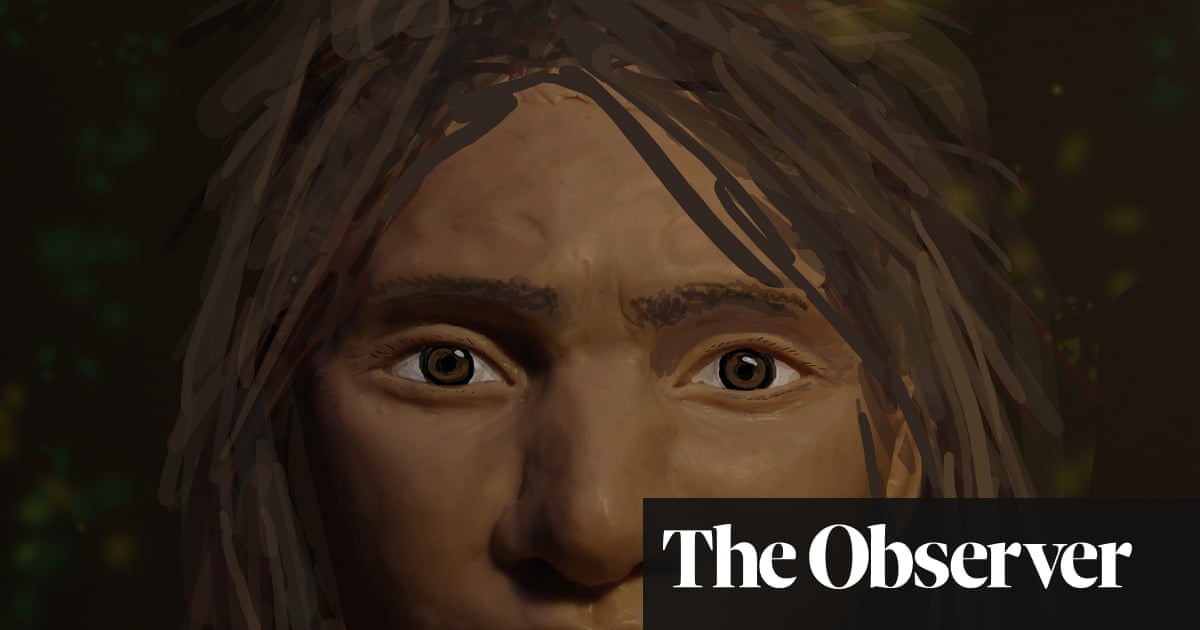
"Discovery: 150,000-Year-Old Chinese 'Dragon Man' Linked to Elusive Human Group"
1 year ago•Source: The Guardian

The latest anthropologyarchaeology stories, summarized by AI
Researchers have identified a geographic hub in the Persian Plateau, spanning Iran, southeast Iraq, and northeast Saudi Arabia, where the first humans leaving Africa lingered for thousands of years before dispersing to settle Asia and Europe. This conclusion is based on genomic datasets and paleoecological evidence, suggesting that this region provided an ideal habitat for the early human populations. The study sheds light on the early phases of human colonization of Eurasia and the genetic divergence between present-day East Asians and Europeans.
ScienceAlert•1 year ago
Livescience.com•2 years ago

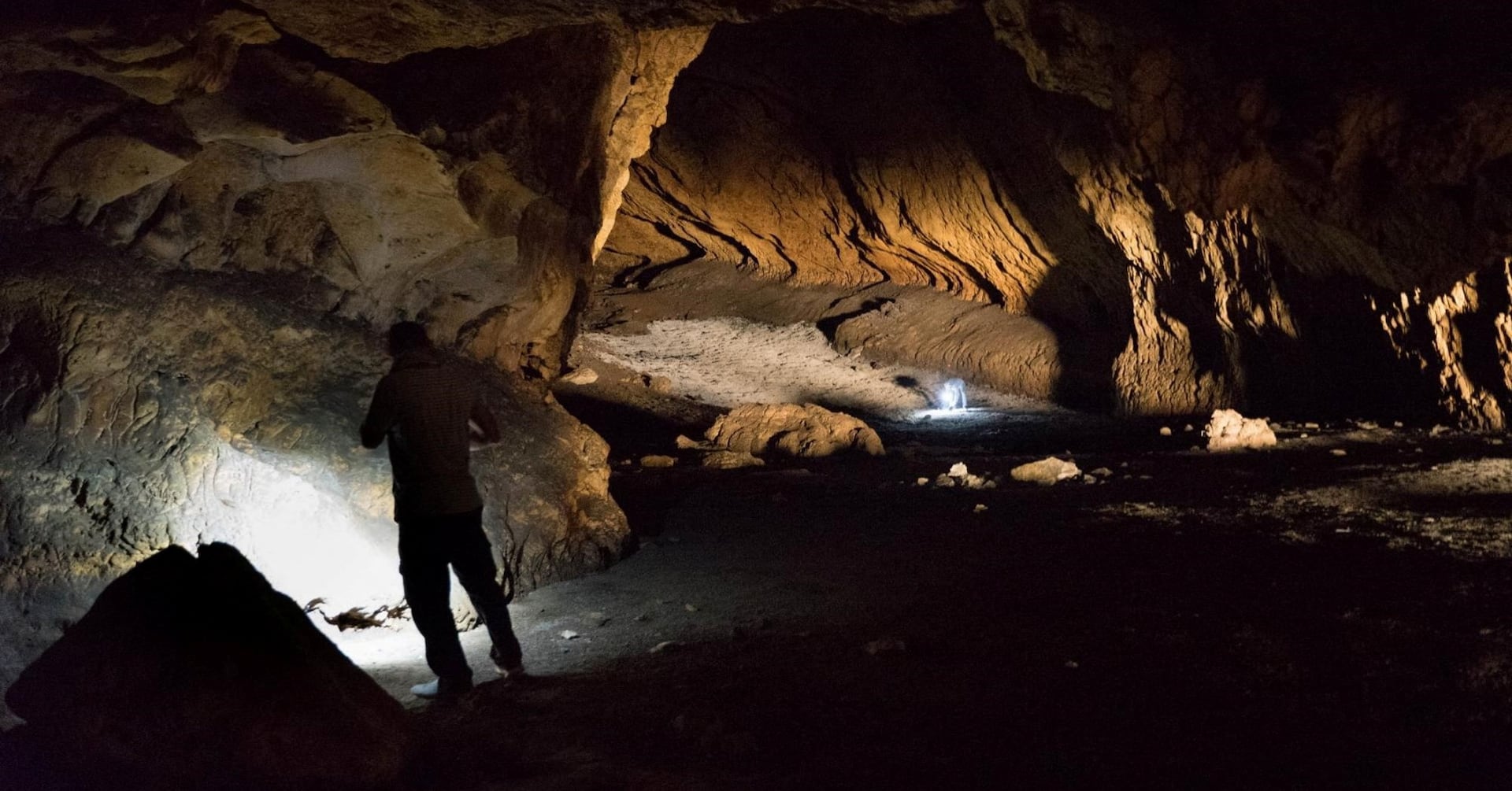
A recent study challenges previous claims that Homo naledi deliberately buried their dead and created rock art in Rising Star Cave, South Africa, with experts calling for more rigorous scientific analysis and documentation. The evidence presented so far was deemed not compelling enough to support the deliberate burial of the dead by Homo naledi, nor that they made the purported engravings, leading to a reevaluation of the findings. The critique emphasizes the need for additional documentation and scientific analyses before ruling out natural agents and post-depositional processes as responsible for the accumulation of bodies and to prove intentional excavation and filling of pits by Homo naledi.
A new study published in Nature sheds light on the Neolithization process in western Eurasia, revealing distinct differences in the spread of farming between eastern and western populations. The ancestry of western Europeans was shaped by three major migrations, with the Yamnaya culture's expansion eradicating an invisible boundary. Additionally, genetic analysis suggests that the elevated risk for multiple sclerosis among northern Europeans originated from the Yamnaya nomads, possibly due to environmental and lifestyle factors.
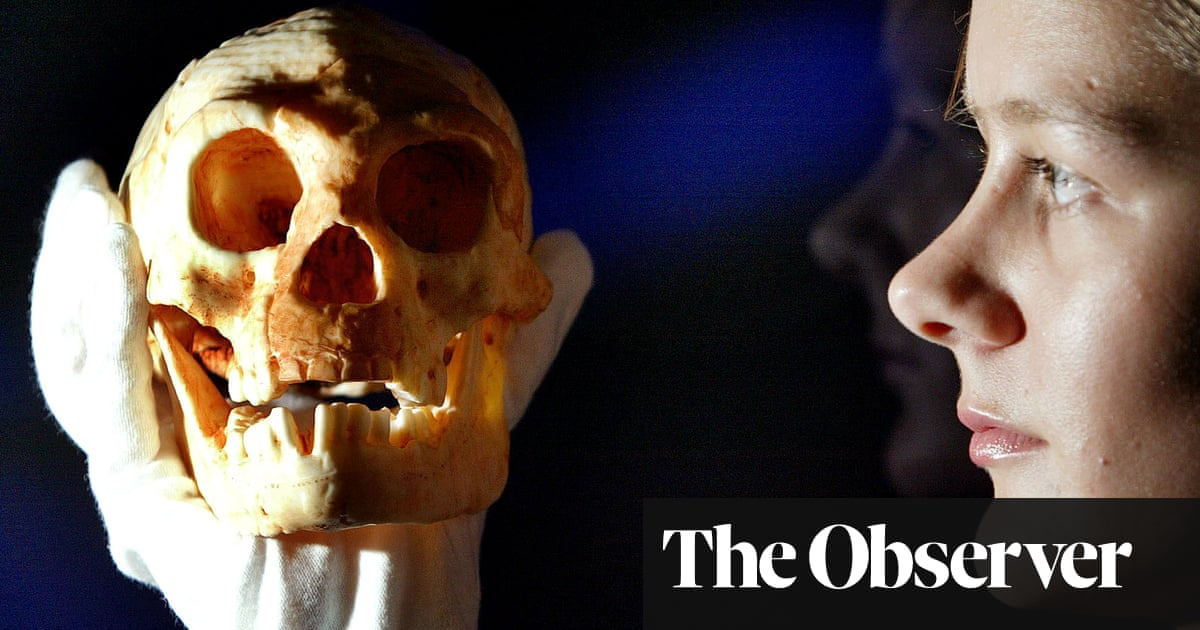
Just 300,000 years ago, there were at least nine species of humans on Earth, but today only Homo sapiens remains. The disappearance of our human cousins coincided with the spread of Homo sapiens out of Africa, but the exact reasons are still unclear. Hypotheses range from benign factors like better infant survival rates and climate changes to more active factors like hunting or interbreeding with other species. Homo sapiens had larger populations and greater genetic diversity, which may have given them an advantage in surviving environmental changes. They also had larger social networks, allowing for the exchange of ideas and innovation. Interbreeding with other species, such as Neanderthals and Denisovans, likely occurred and contributed to the genetic diversity of modern humans. The ability to adapt and cooperate will be crucial for humanity to overcome future challenges.
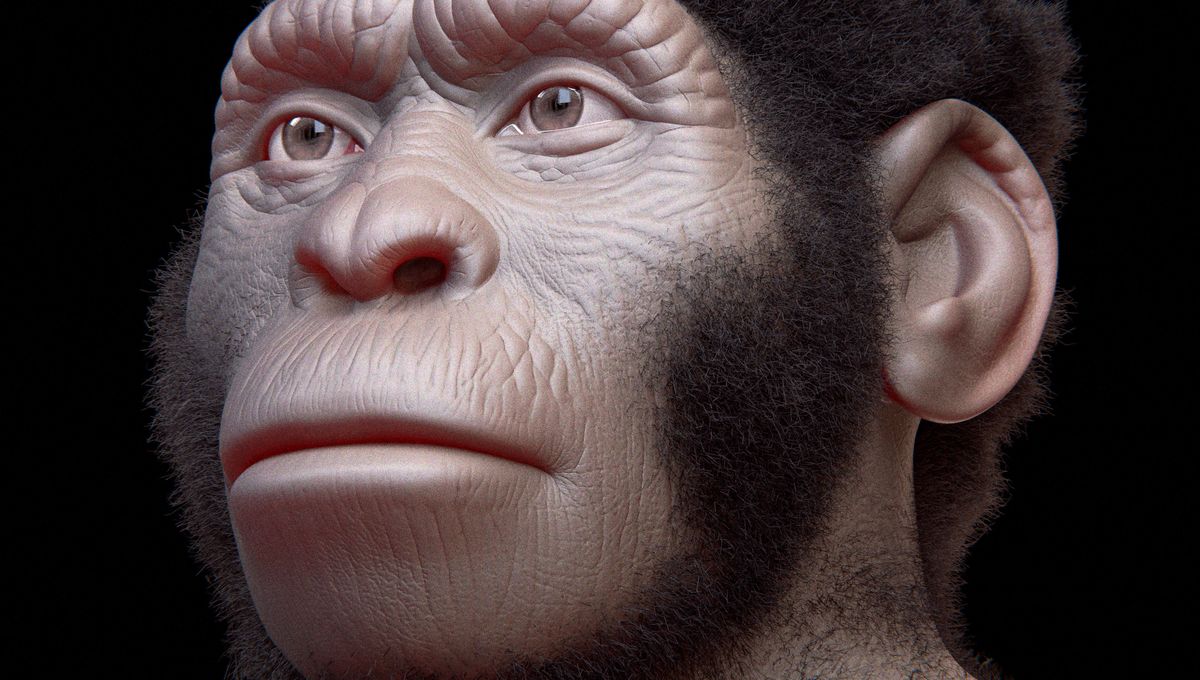
A new study challenges the claims made by researchers earlier this year that Homo naledi, an ancient hominid species, deliberately buried its dead and created rock art. The study highlights flaws in the evidence presented, including the scattered nature of the bones and the lack of scientific techniques used to date the alleged engravings. The authors argue that there is no convincing scientific evidence to support the claims of burial practices and rock art production by Homo naledi in the Rising Star Cave system.
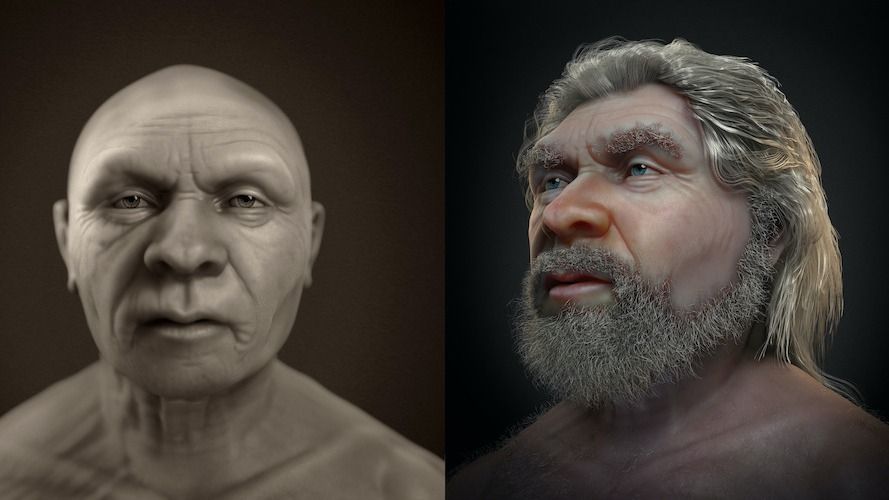
Forensic artists have created a digital facial approximation of the "old man" Neanderthal, whose nearly complete skeleton was discovered in France in 1908. Using CT scan data and measurements from a human skull, the artists reconstructed the face shape, skin, and muscles of the Neanderthal. The new reconstruction offers a more accurate and humanized depiction of the ancient man, challenging previous exaggerated ape-like portrayals. This advancement in facial reconstruction provides new insight into the anatomy and physiology of Neanderthals, highlighting their similarities and differences to modern humans.
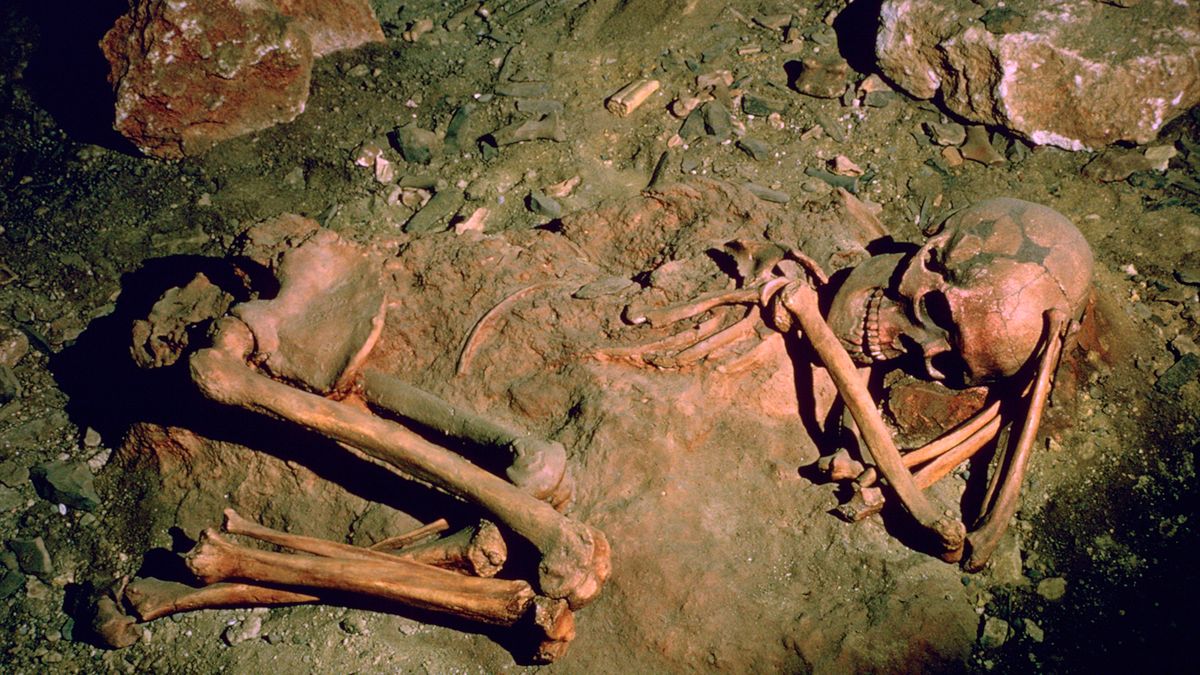
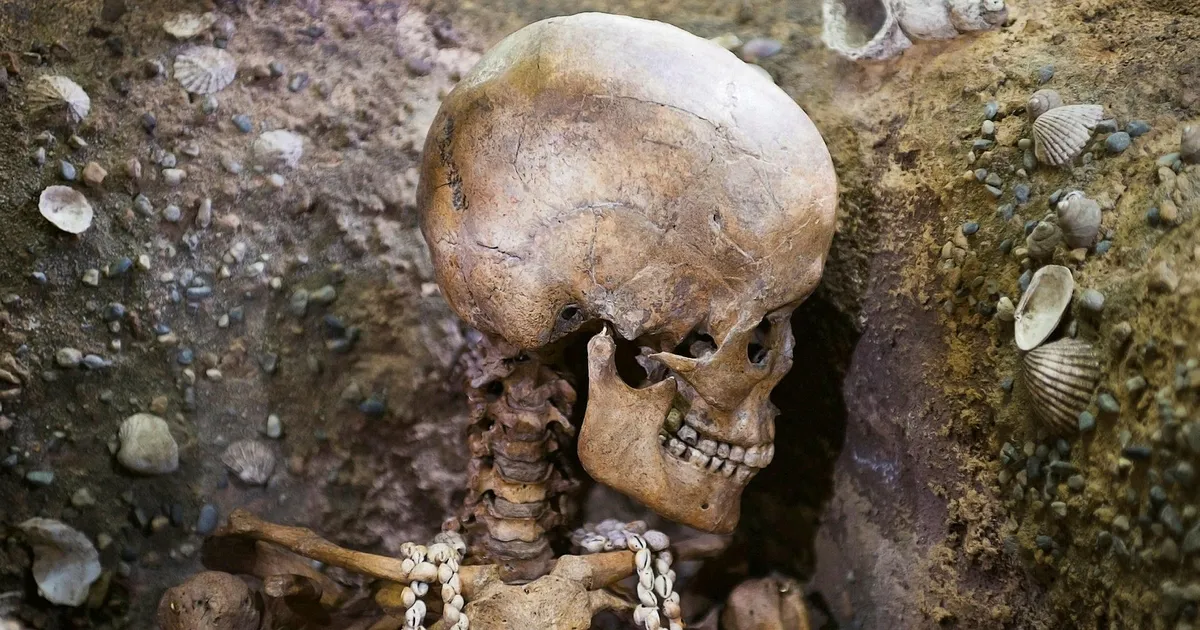
The earliest evidence of deliberate human burials dates back to the Middle Paleolithic period, around 120,000 years ago. These early burials were found in caves and involved placing the bodies in death postures, accompanied by human objects. While the origins of burial practices are not fully understood, it is believed that ancient humans sought to dispose of corpses to avoid the unpleasant process of decay and its associated risks. Burial practices varied over time and by region, with cremation burials appearing much later in human history.

Recent scientific discoveries are challenging the long-held perception of Neanderthals as primitive beings, shedding light on their complex nature and prompting us to reconsider our understanding of human evolution. By studying Neanderthals, we may gain insights into our own humanity and what it means to be human.

A new study suggests that Neanderthals and Homo sapiens coexisted for longer in regions where there was sufficient food to sustain both populations. The research challenges the assumption that the arrival of humans caused the extinction of Neanderthals, as regions with lower herbivore carrying capacity experienced their disappearance before the arrival of humans. The study highlights the complex interactions between the two species and the impact of environmental factors on their coexistence.

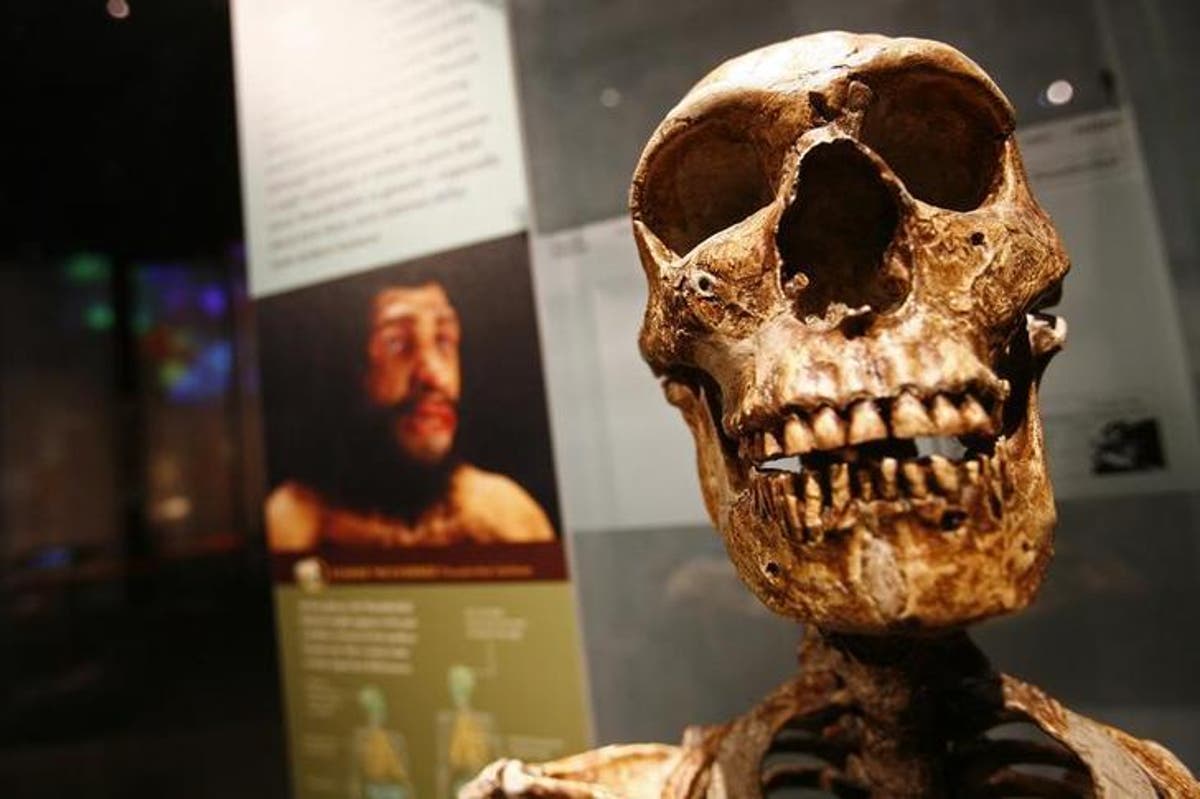
The discovery of the Hualongdong 6 skull in China, dating back 300,000 years, has intrigued researchers who believe it may represent a new "third lineage" in the human family tree. The skull exhibits a combination of modern human and archaic hominin traits, making it a unique and potentially significant find. While it is unclear whether this individual represents a new species or a close relative of Homo sapiens, further research and the discovery of additional fossils are needed to draw definitive conclusions.
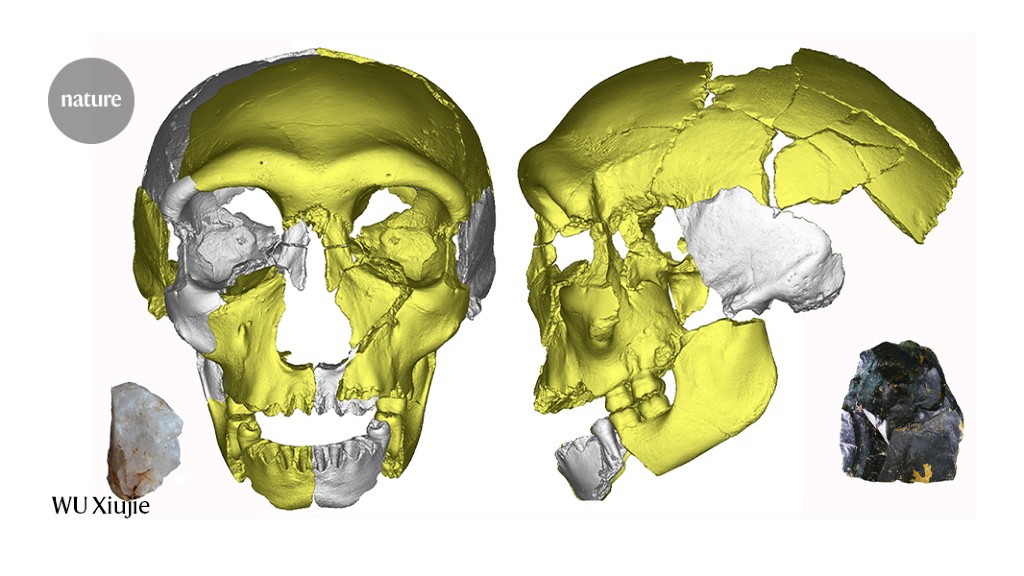
A 300,000-year-old fossilized jawbone discovered in Hualongdong cave in eastern China exhibits a mix of ancient and modern features, suggesting it could belong to an as-yet undescribed species of archaic human. The bone lacks a true chin, a key feature of Homo sapiens, but has a thinner side that resembles modern humans. The finding deepens the mystery of which ancient human species inhabited the region during the Middle to Late Pleistocene epoch. Further research and analysis, including the study of ancient proteins, are needed to determine the precise position of the Hualongdong people in the human family tree.