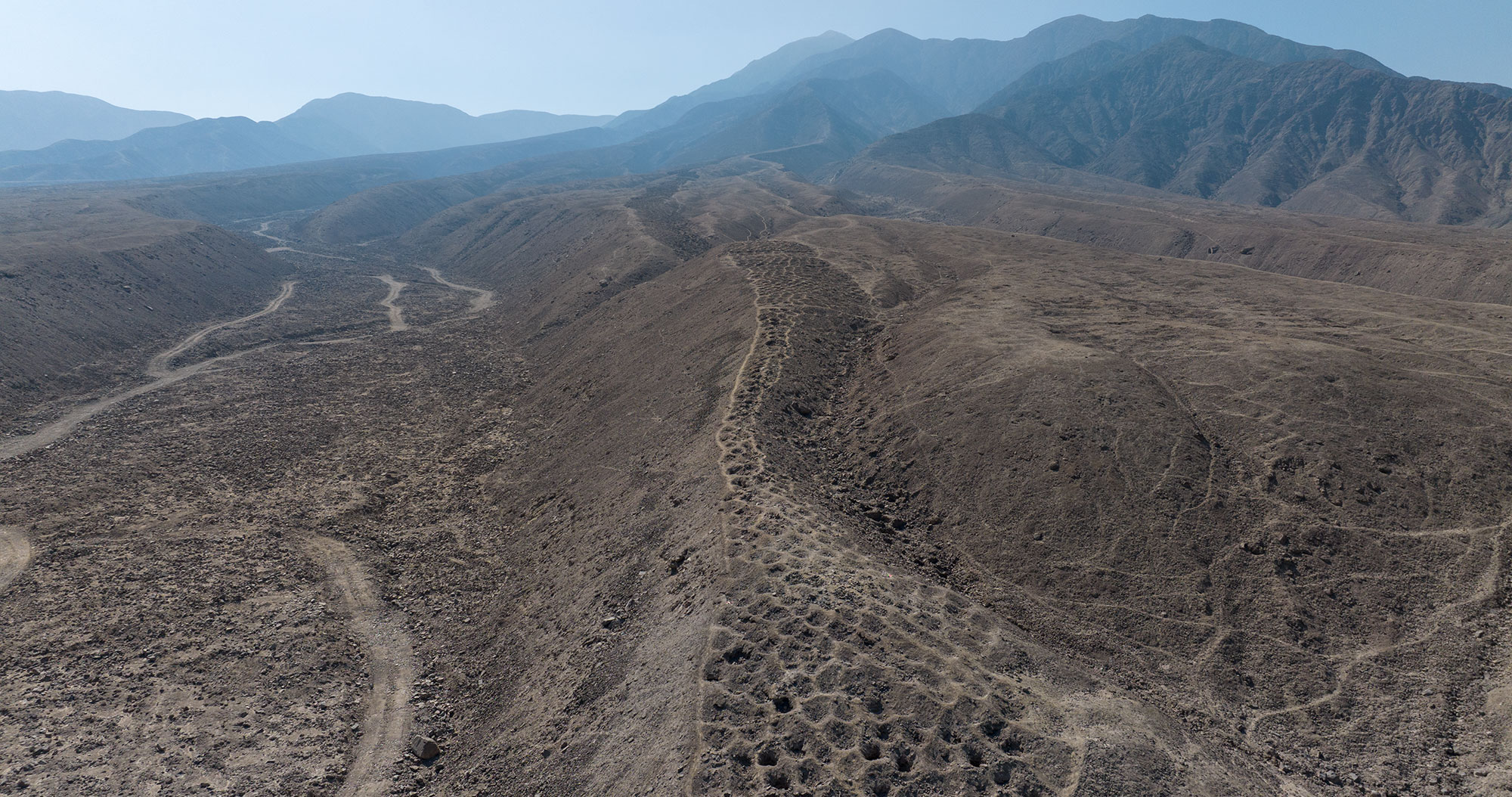
Researchers used drone technology to map over 5,000 aligned holes at Monte Sierpe in Peru, discovering similarities to Inca accounting devices and suggesting the site may have been used for agricultural, commercial, or administrative purposes by pre-Inca and Inca peoples. The findings raise questions about the unique presence of such monuments in the region.
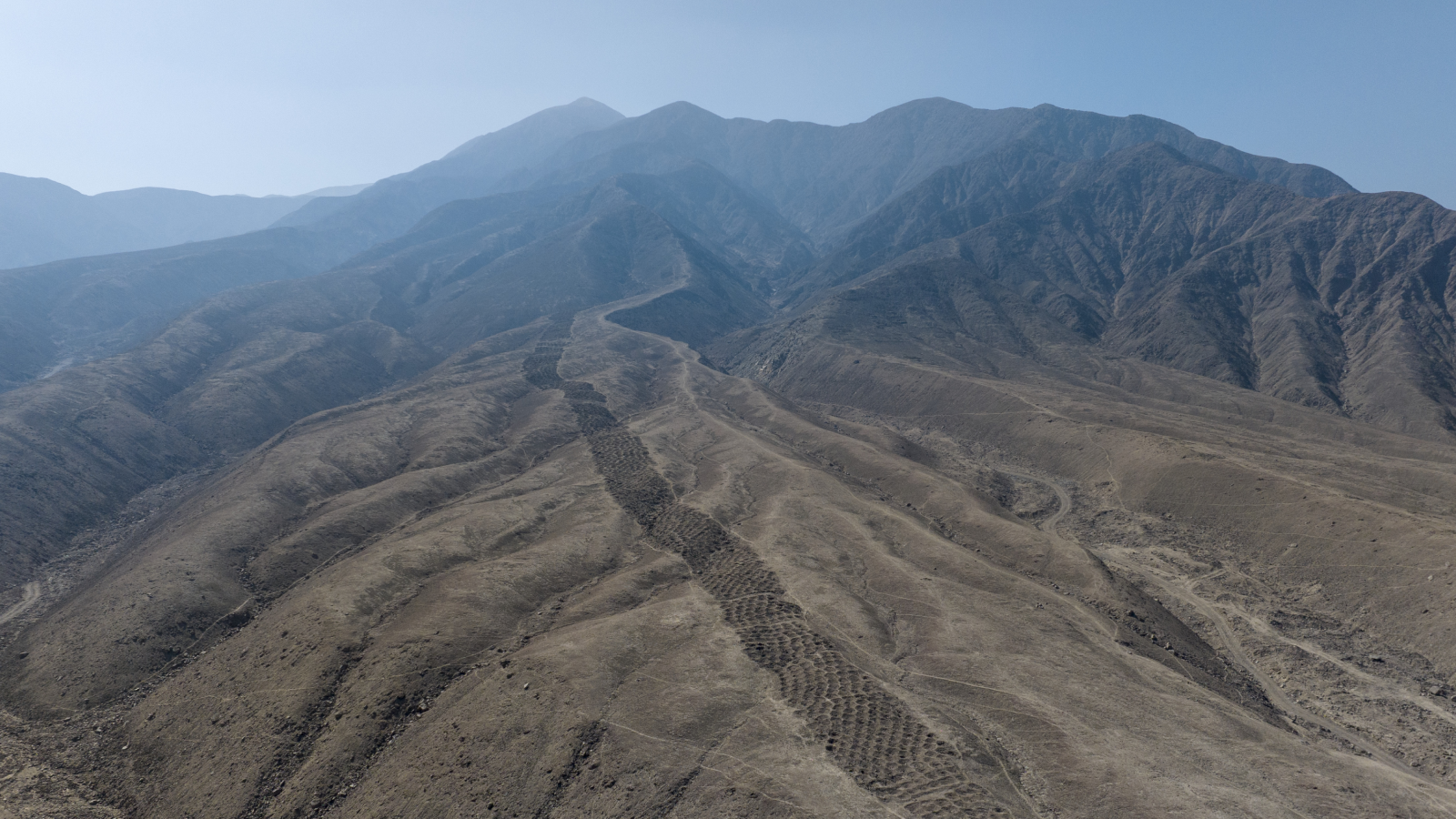
A new study suggests that the 5,200 holes in Monte Sierpe, Peru, may have been used for barter, record-keeping, and tribute collection during the Inca era, based on drone analysis, patterning, and plant remnants found in the holes.
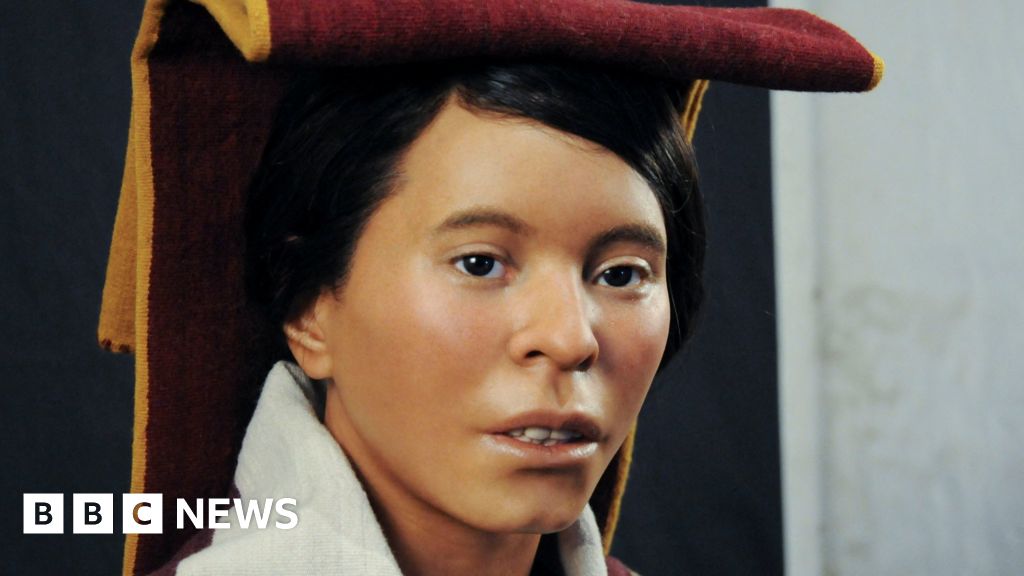
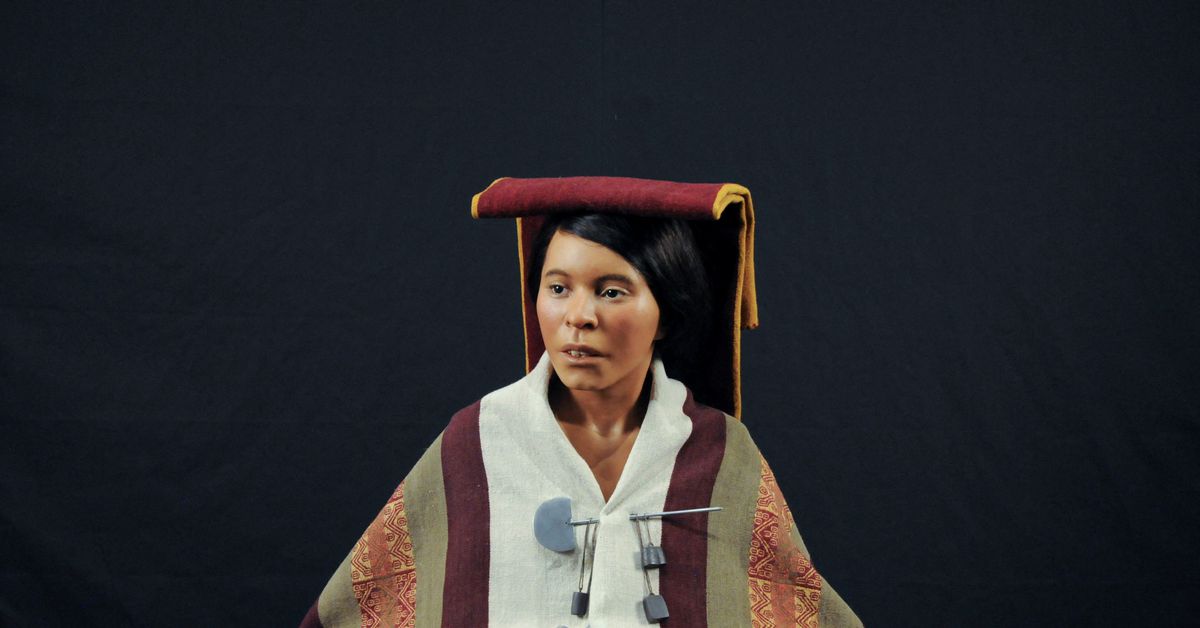
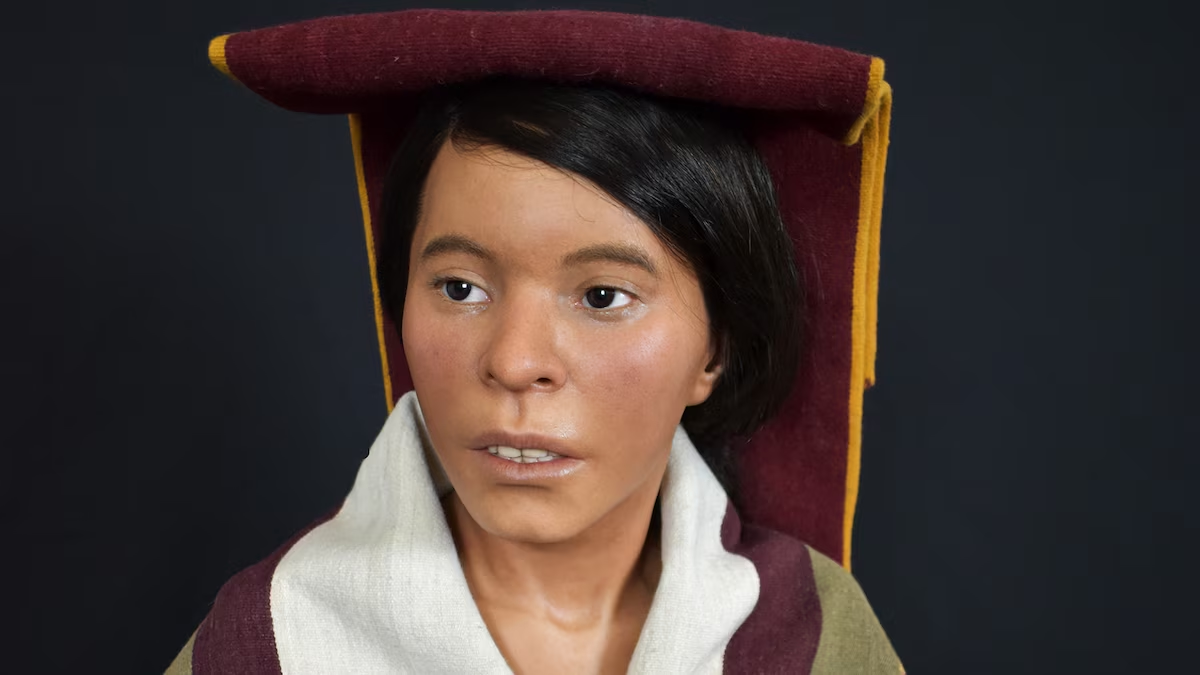
Archaeologists have unveiled a silicon bust of Peru's famous mummy, known as "Juanita" or the "Inca Ice Maiden," providing a glimpse into what she may have looked like over 500 years ago. The mummy, believed to have been a teenage girl sacrificed in an Inca ritual, was discovered in 1995. The reconstruction involved body scans, skull measurements, DNA studies, and ethnological characteristics. The bust, created by a specialist in facial reconstruction, features pronounced cheekbones, dark eyes, and brown skin. The discovery sheds light on the Inca belief system and the significance of human sacrifices in their culture.
Scientists in Peru have unveiled a lifelike recreation of a young Inca girl who was likely sacrificed over 500 years ago. Using three-dimensional scans of her well-preserved mummy, the researchers were able to reconstruct her head and torso, showcasing her mouth slightly open and dark, piercing eyes. The girl, known as the Lady of Ampato or Juanita, was believed to be 14 or 15 years old and was sacrificed in a ritual ceremony to seek divine relief from natural disasters. The reconstruction is on display at the Catholic University of Santa Maria in Arequipa, Peru.
A team of Polish and Peruvian scientists, along with a Swedish sculptor, have unveiled a silicone-made bust depicting the possible face of "Juanita," Peru's most famous mummy. The teenage Inca girl was sacrificed over 500 years ago atop the Andes. The facial reconstruction was achieved through the use of a replica skull, body scans, DNA studies, and anthropological characteristics. The mummy, discovered in 1995, has provided valuable insights into Inca culture and the life of the sacrificed individual.
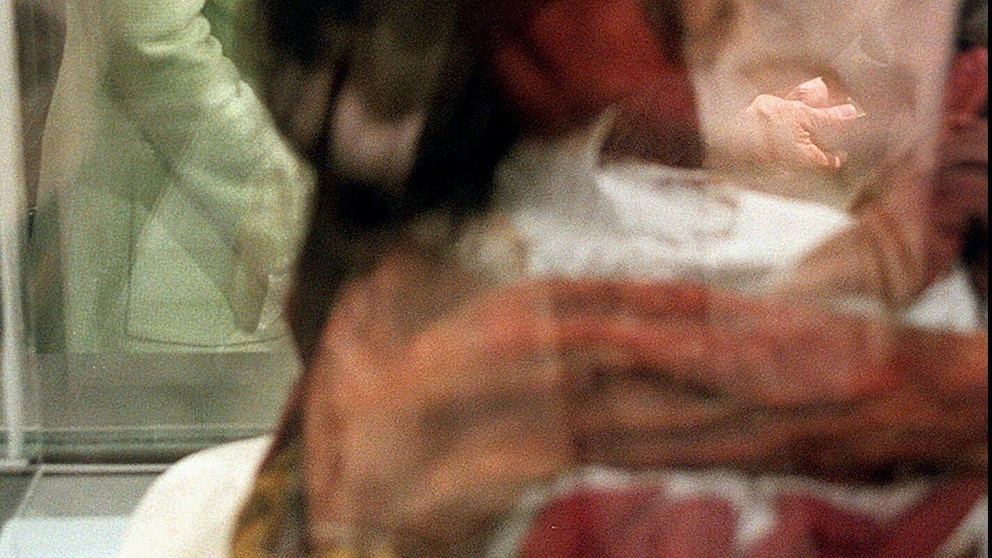
The face of a 14-year-old Inca girl, known as the Ice Maiden of Ampato, who was sacrificed more than 500 years ago, has been reconstructed through archaeological analysis. The Ice Maiden's mummified body was found on Mount Ampato in Peru in 1995, and her face had deteriorated over time. The facial reconstruction, created by Swedish archaeologist and sculptor Oscar Nilsson, is now on display at a museum in Arequipa, Peru, along with the mummy and stories of other sacrificed children. The reconstruction offers insights into the Inca ritual of capacocha, which involved the sacrifice of children and animals to please the gods.