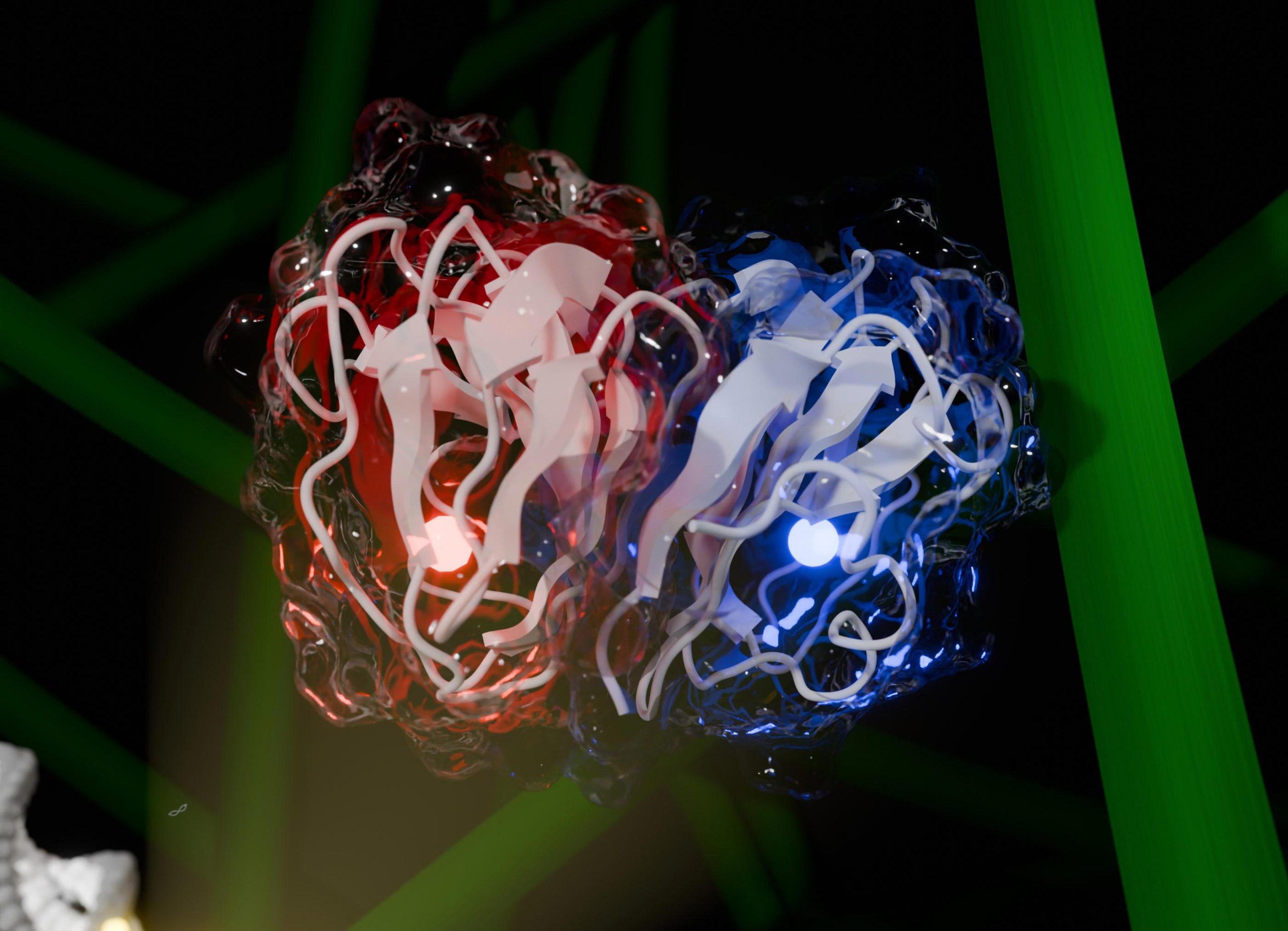
Scientists at CNPEM in Brazil have discovered a natural enzyme called CelOCE that efficiently breaks down cellulose, a major plant biomass component, by a novel mechanism, potentially revolutionizing biofuel production from agricultural waste and advancing sustainable energy solutions.
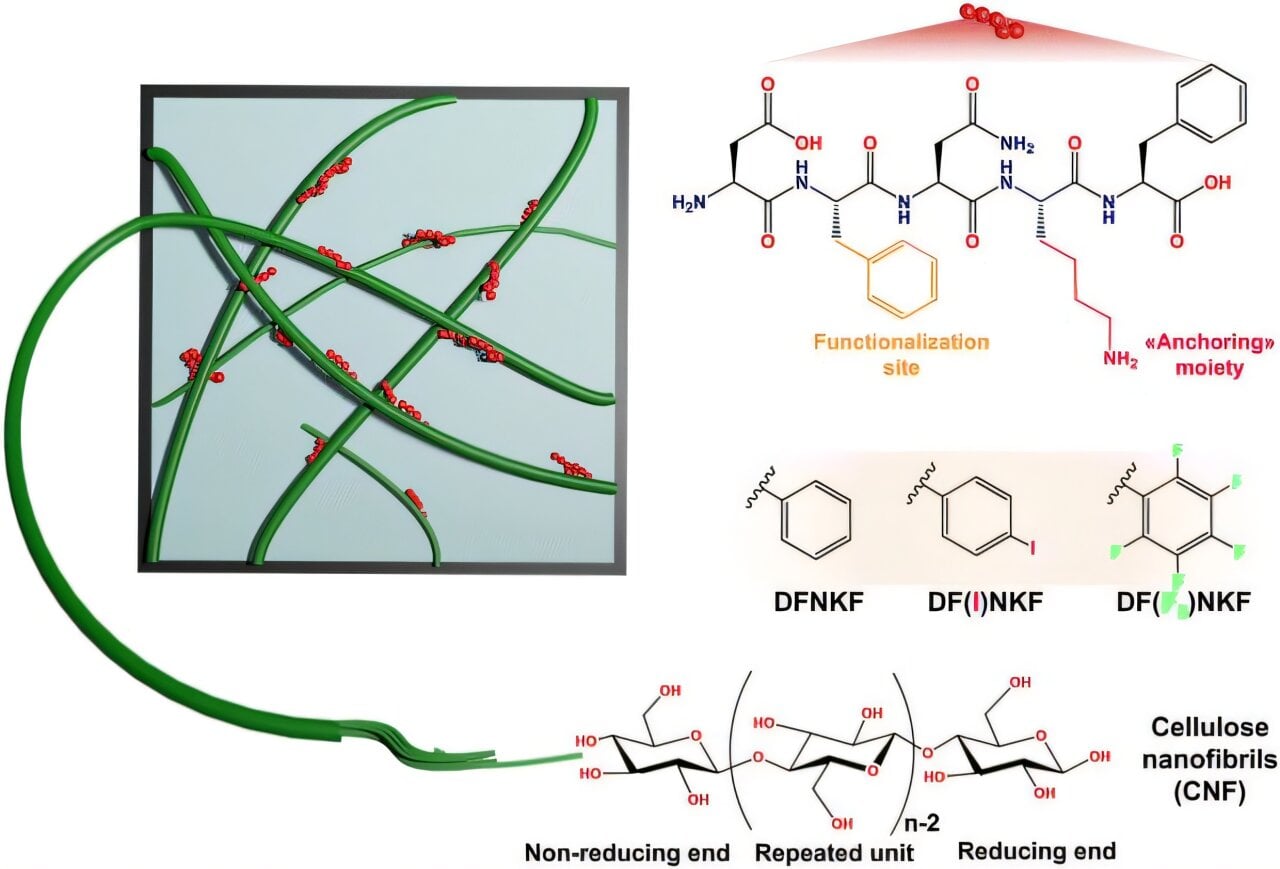
Researchers have developed a sustainable hydrophobic paper using cellulose nanofibers and peptide sequences, offering a potential alternative to petroleum-based products. This innovative material, created through a supramolecular approach, enhances mechanical strength and water resistance without chemically altering the cellulose. The study, conducted by a team from Politecnico di Milano and collaborators, highlights the material's suitability for packaging and biomedical applications due to its biocompatibility and environmental benefits.
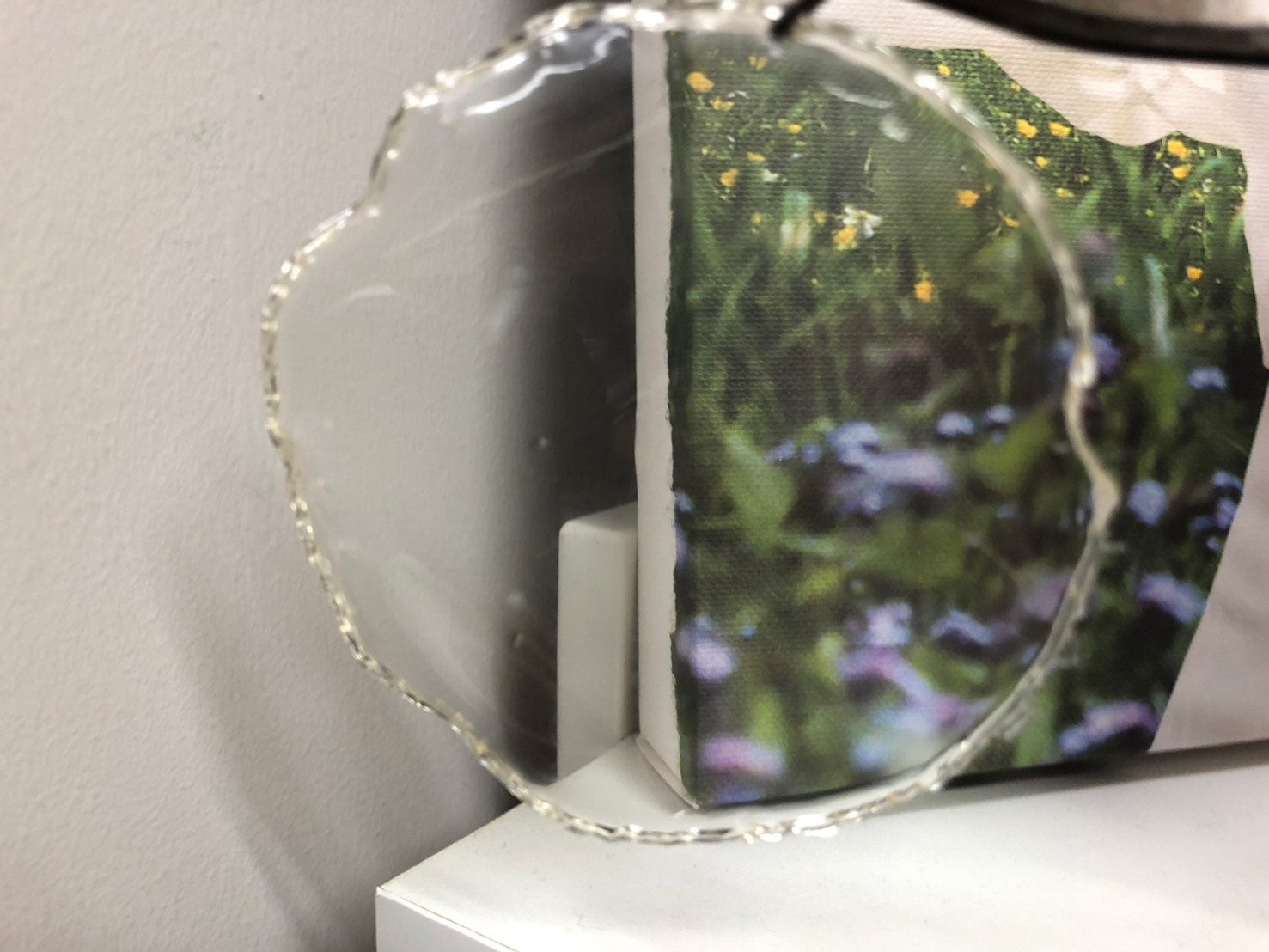
Scientists at Hokkaido University have developed a method to create recyclable and stable polymers from plant cellulose, offering a sustainable alternative to traditional plastics. By using commercially available molecules derived from cellulose, the researchers were able to produce a variety of polymers that can be fully recycled. This breakthrough opens up new possibilities for the production of environmentally friendly materials and could lead to the development of high-performance materials for optical, electronic, and biomedical applications.
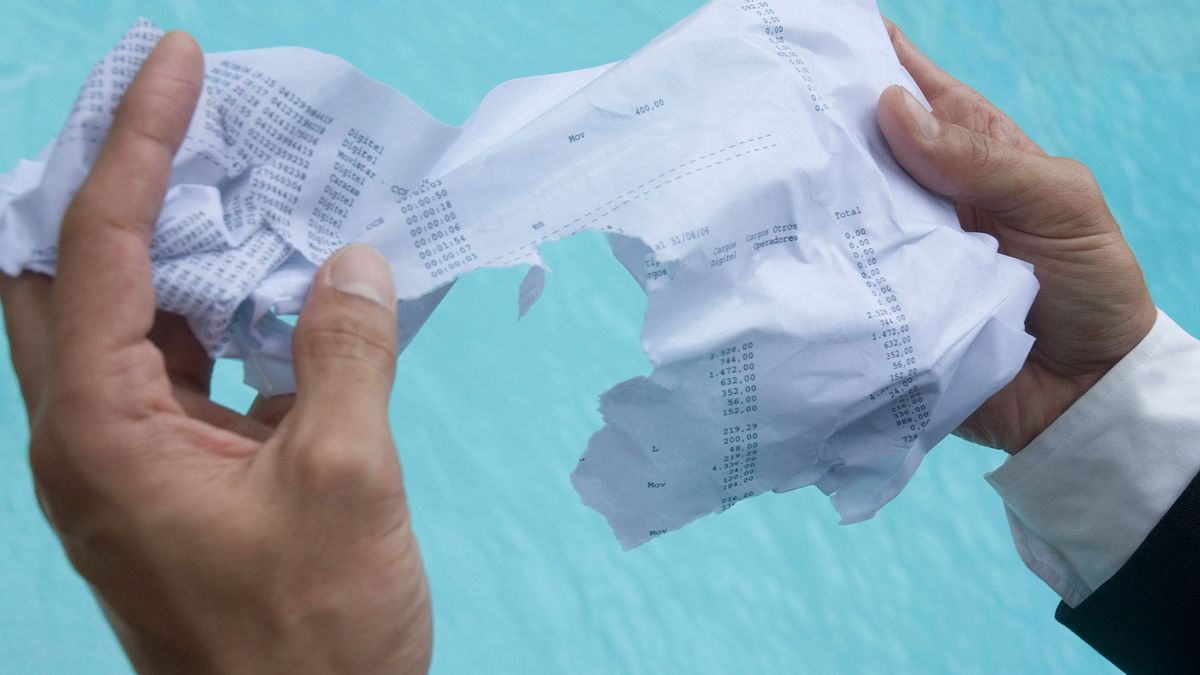
Paper tears more easily when it's wet due to the disruption of hydrogen bonds between cellulose fibers caused by water. The cellulose fibers in paper are interlocked and bonded together through hydrogen bonds, but when water is introduced, it forms its own hydrogen bonds with the cellulose, blocking the fibers from binding. This weakens the paper's structure, making it easier to tear. Different paper products have varying responses to water due to the additives included during the papermaking process. Dry strength additives like potato starch can enhance the strength of paper, but even toughened cardboard can lose its strength when exposed to moisture as starch dissolves in water.
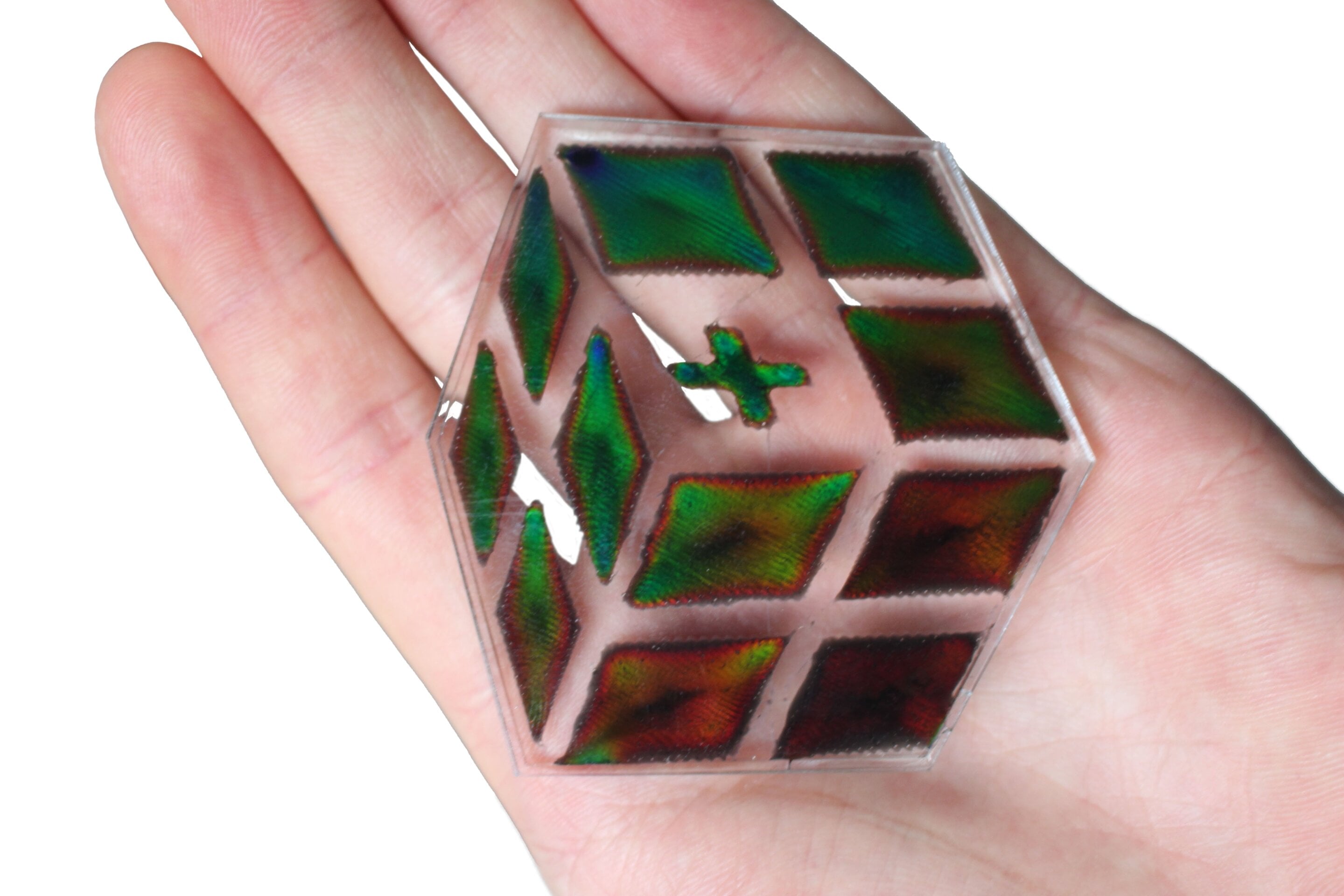
Researchers at Empa have developed a 3D printable material that is biodegradable, conductive, and changes color based on temperature. The material is made from a mixture of hydroxypropyl cellulose (HPC) and carbon nanotubes, which allows it to exhibit structural coloring. By adding cellulose nanofibers, the material can be 3D printed without affecting its properties. Potential applications include strain sensors, displays, and biomedical diagnostics. The researchers aim to further explore the possibilities of this cellulose-based material.