Tag

Climate Resilience

All articles tagged with #climate resilience

Scientists and Health Workers Navigate Challenges Amid US R&D Cuts

Originally Published 24 days ago — by The Conversation

Featured image for Scientists and Health Workers Navigate Challenges Amid US R&D Cuts
Source: The Conversation

The article reflects on how the 2025 US science funding cuts have devastated research across multiple fields, leading to halted projects, loss of jobs, and diminished scientific progress, but many researchers remain committed to their work despite these challenges.

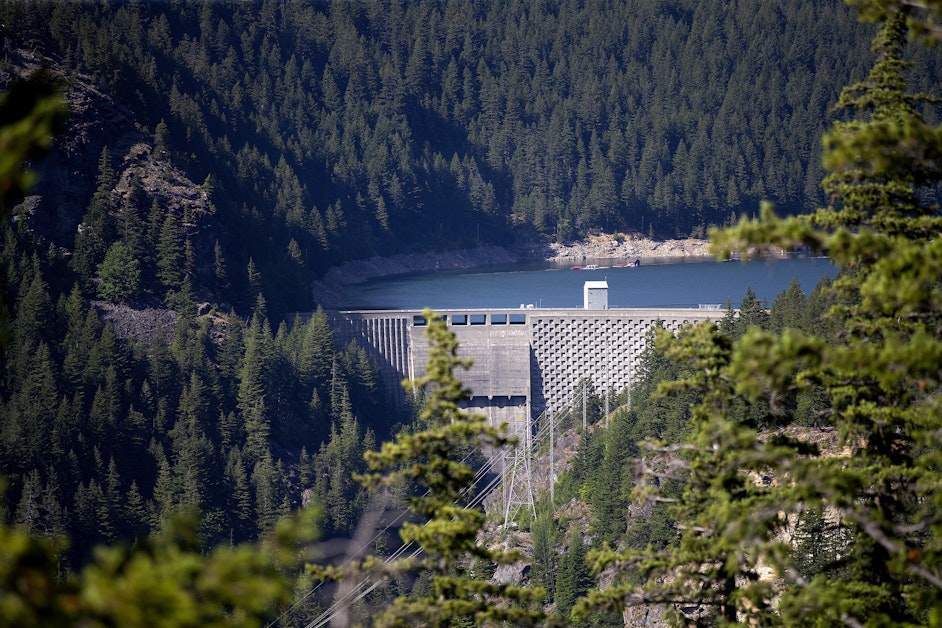
Army and Engineers Monitor Flood Risks and Control Systems in the Pacific Northwest

Originally Published 27 days ago — by KUOW

Featured image for Army and Engineers Monitor Flood Risks and Control Systems in the Pacific Northwest
Source: KUOW

The Army Corps of Engineers temporarily took control of two dams on the Skagit River to reduce flooding, successfully lowering peak water levels by 4-5 feet and preventing more severe floods, demonstrating the role of dam management in flood mitigation while highlighting the environmental trade-offs of dam infrastructure.

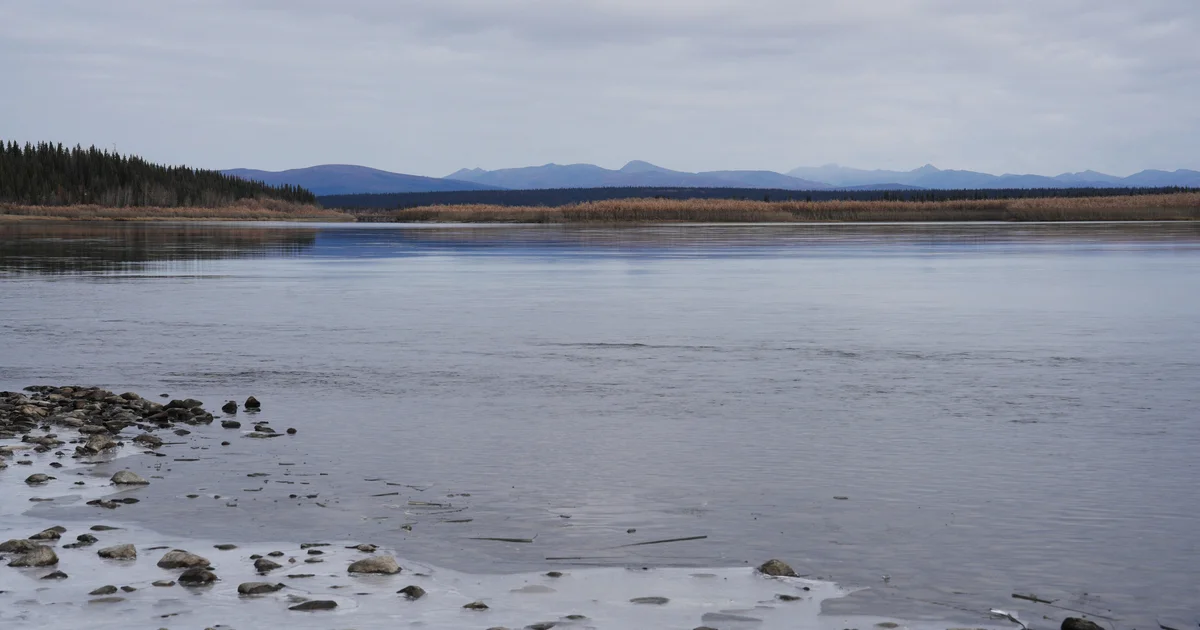
Severe Alaska Floods Leave One Dead and Dozens Rescued

Originally Published 2 months ago — by CBS News

Featured image for Severe Alaska Floods Leave One Dead and Dozens Rescued
Source: CBS News

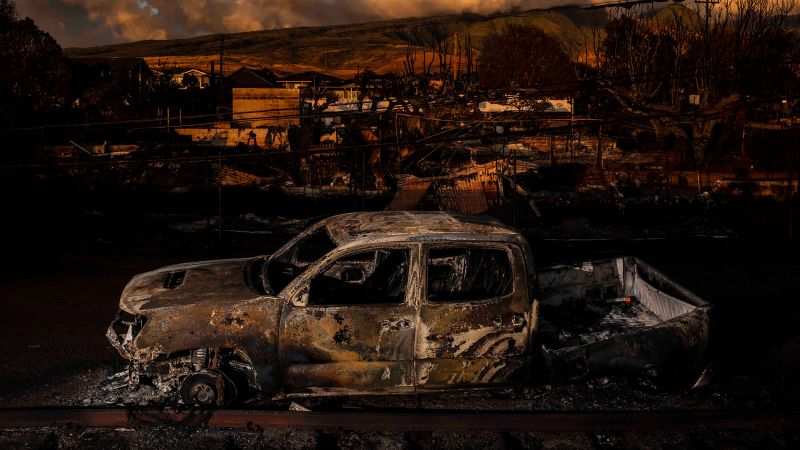
Severe flooding in western Alaska caused by Typhoon Halong resulted in one death, two missing persons, and widespread devastation, highlighting the urgent need for climate resilience and infrastructure support in vulnerable communities facing increasing storm severity due to climate change.

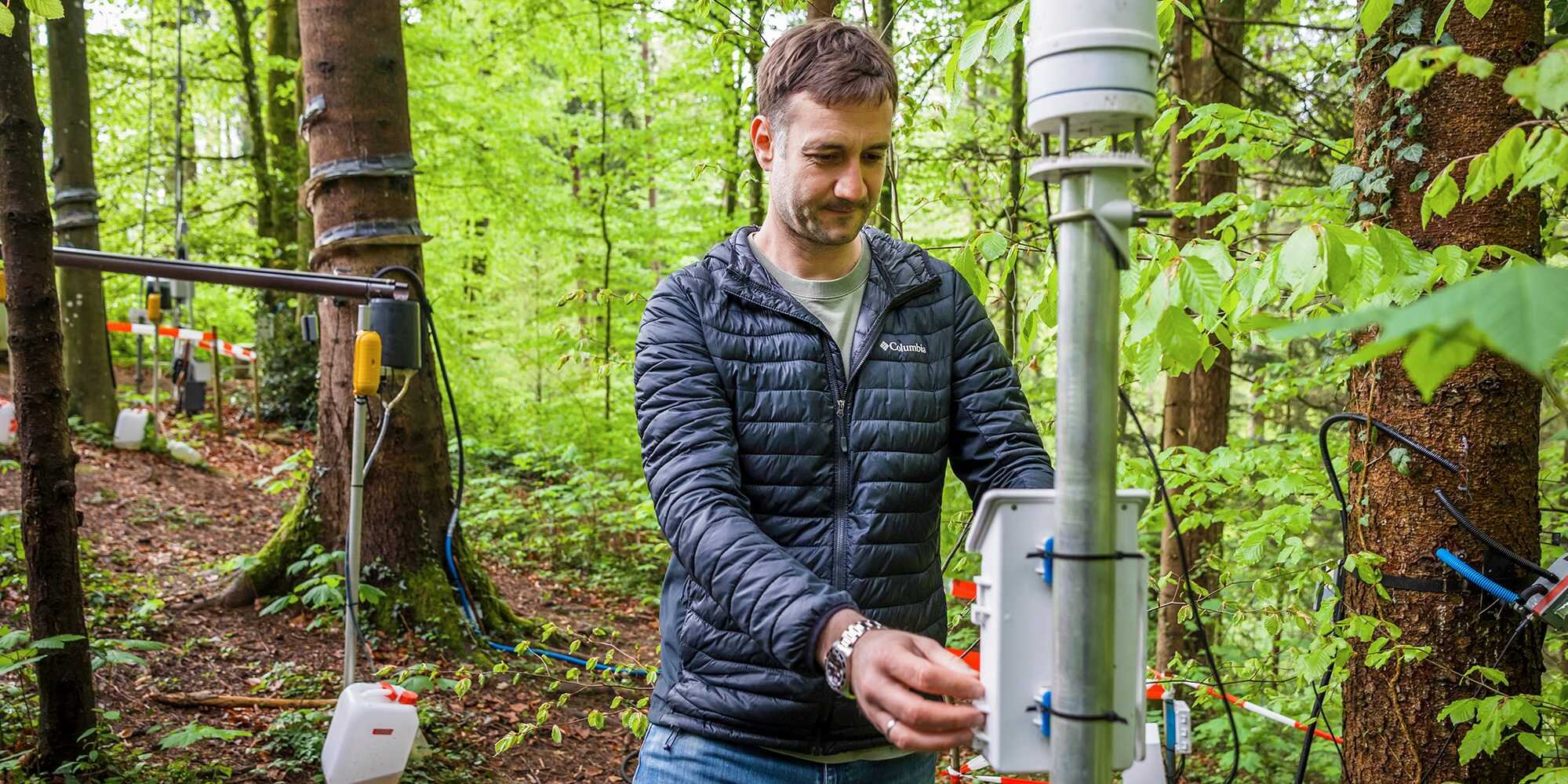
Researchers Explore 'Old Water Paradox' in Forest Lab Study

Originally Published 7 months ago — by Phys.org

Featured image for Researchers Explore 'Old Water Paradox' in Forest Lab Study
Source: Phys.org

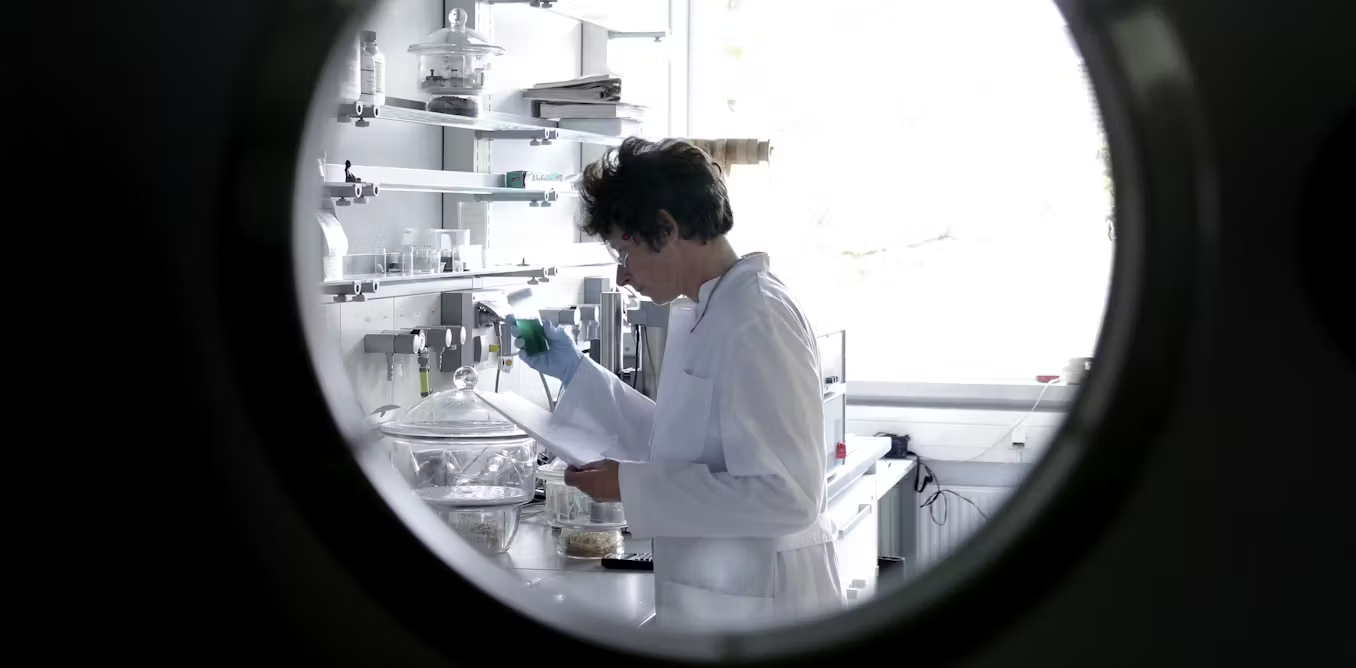
Researchers at ETH Zurich's 'Waldlabor' experiment have studied the 'old water paradox,' finding that soil and stream water predominantly consist of older water stored for months or years, which has implications for understanding forest water cycles and climate resilience.

NOAA and Partners Launch $13.9M Initiative to Propel Blue Economy Startups

Originally Published 1 year ago — by National Oceanic and Atmospheric Administration

Featured image for NOAA and Partners Launch $13.9M Initiative to Propel Blue Economy Startups
Source: National Oceanic and Atmospheric Administration

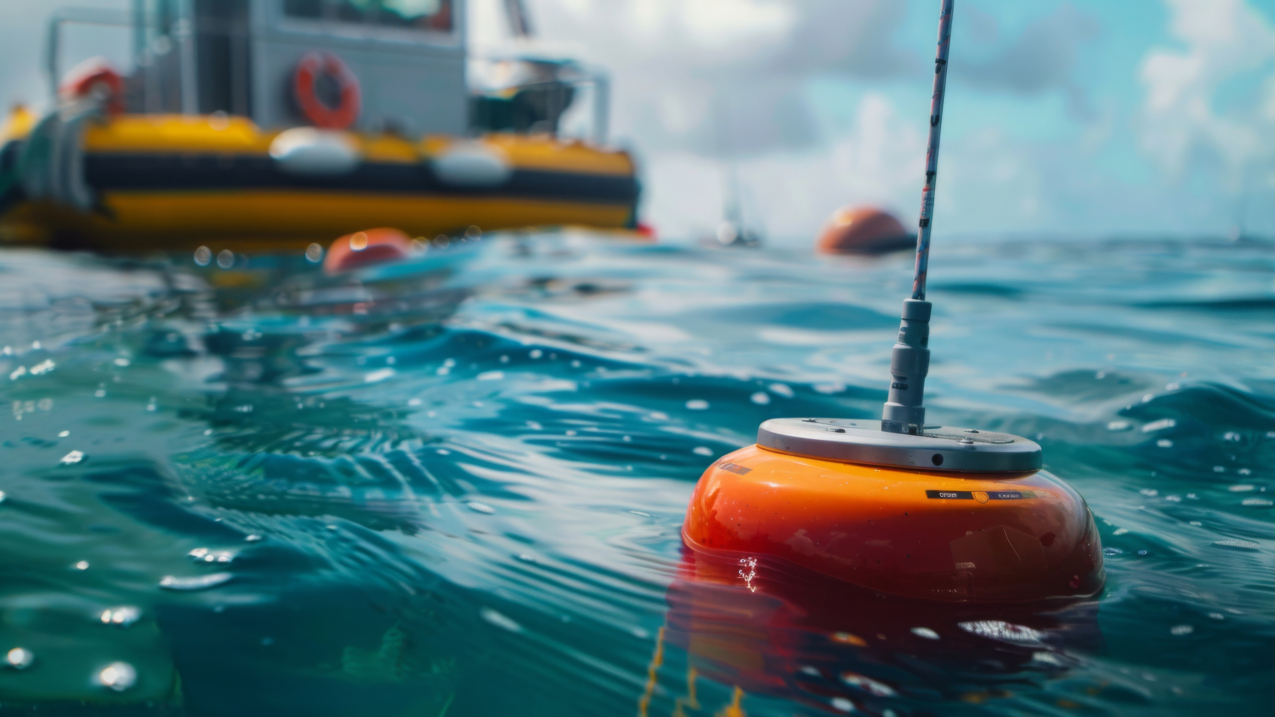
The Biden-Harris Administration, through the Department of Commerce and NOAA, is awarding $54.3 million to four business accelerators to support small businesses in the Blue Economy. Funded by the Inflation Reduction Act, these accelerators will help develop technologies for ocean renewable energy, carbon sequestration, hazard mitigation, and ecosystem services. The initiative aims to enhance coastal resilience and foster public-private partnerships, with recruitment of businesses set to begin in the next 6-12 months.

"Breakthrough Enzyme Discovery Promises Supercharged CO2-Capturing Crops"

Originally Published 1 year ago — by Yahoo! Voices

Featured image for "Breakthrough Enzyme Discovery Promises Supercharged CO2-Capturing Crops"
Source: Yahoo! Voices

Researchers have discovered a new function of the enzyme carboxysomal carbonic anhydrase (CsoSCA) in cyanobacteria, which allows these algae to absorb more carbon dioxide from the air than previously known. This finding could lead to the development of climate-resilient crops that require less nitrogen fertilizer and water, while also capturing more carbon dioxide, potentially cooling the planet and securing food supplies.

"Biden Administration Allocates Over $850 Million for Climate-Resilient Infrastructure Upgrades"

Originally Published 1 year ago — by The Associated Press

Featured image for "Biden Administration Allocates Over $850 Million for Climate-Resilient Infrastructure Upgrades"
Source: The Associated Press

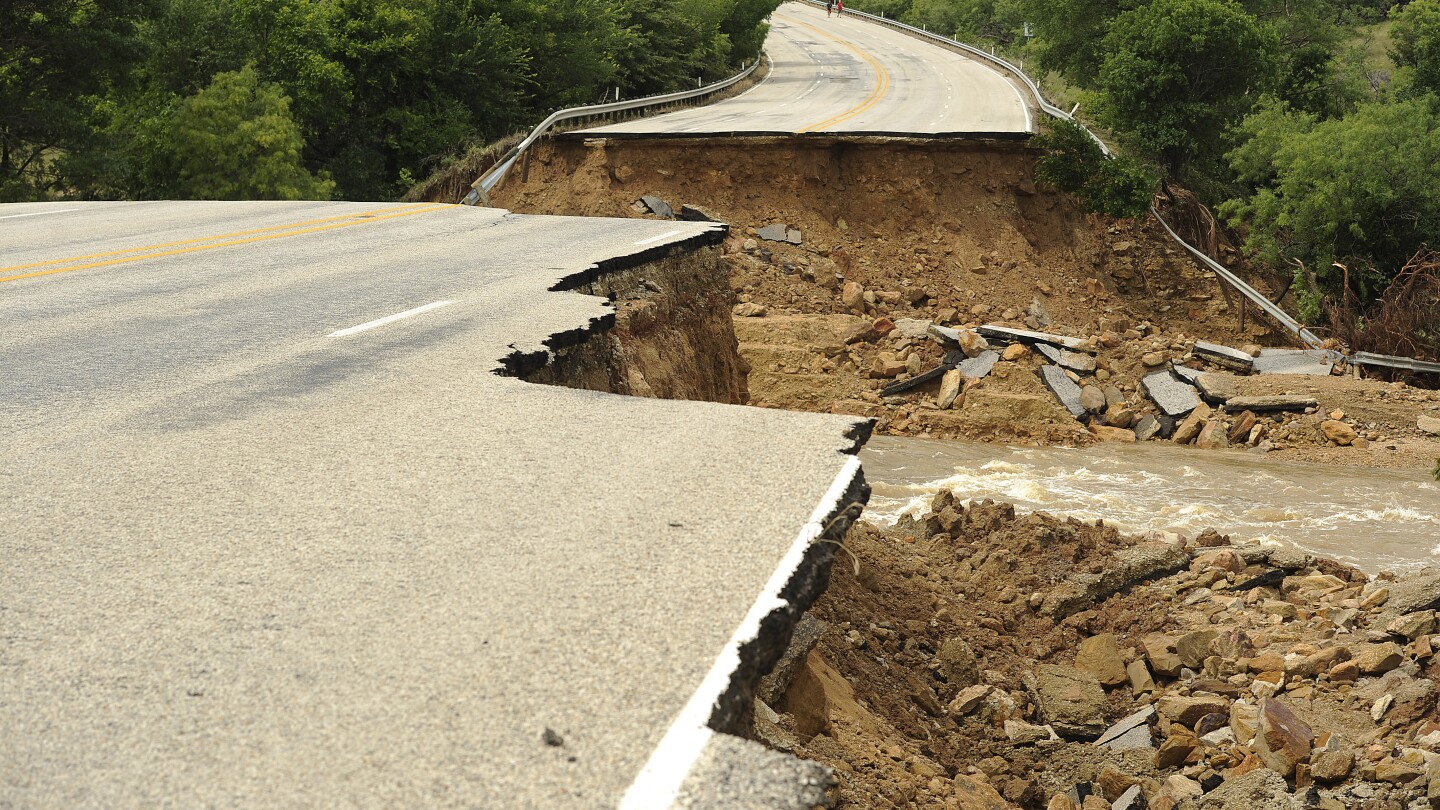
The Biden administration has awarded $830 million in grants to fund 80 projects aimed at strengthening the nation's infrastructure against the harmful impacts of climate change, particularly in areas affected by extreme weather events. The funds, part of the Bipartisan Infrastructure Law, will improve bridges, roads, ports, rail, and transit across 37 states, Washington, D.C., and the Virgin Islands. Transportation Secretary Pete Buttigieg emphasized the need for climate resilience, citing examples of infrastructure damage from extreme weather. The grants will support projects such as flood control, bridge replacement, stormwater infrastructure upgrades, and coastal management plans.

"Devastating Tornadoes Leave Trail of Destruction in Central Ohio"

Originally Published 1 year ago — by Military.com

Featured image for "Devastating Tornadoes Leave Trail of Destruction in Central Ohio"
Source: Military.com

Wright-Patterson Air Force Base in Ohio sustained damage, including a restoration hangar belonging to the National Museum of the U.S. Air Force, in a suspected tornado. Photos show siding and windows torn from hangars and debris strewn across runways, with several damaged aircraft. The base's commander emphasized safety and damage assessment, and while a tornado was confirmed in a nearby county, the National Weather Service is still investigating whether a tornado caused the damage. The Air Force has increasingly explored climate resilience in response to severe weather damage to its installations.

"Vulnerability of Coastal Cities to Near-Term Climate Change and Sinking Land"

Originally Published 1 year ago — by CBS News

Featured image for "Vulnerability of Coastal Cities to Near-Term Climate Change and Sinking Land"
Source: CBS News

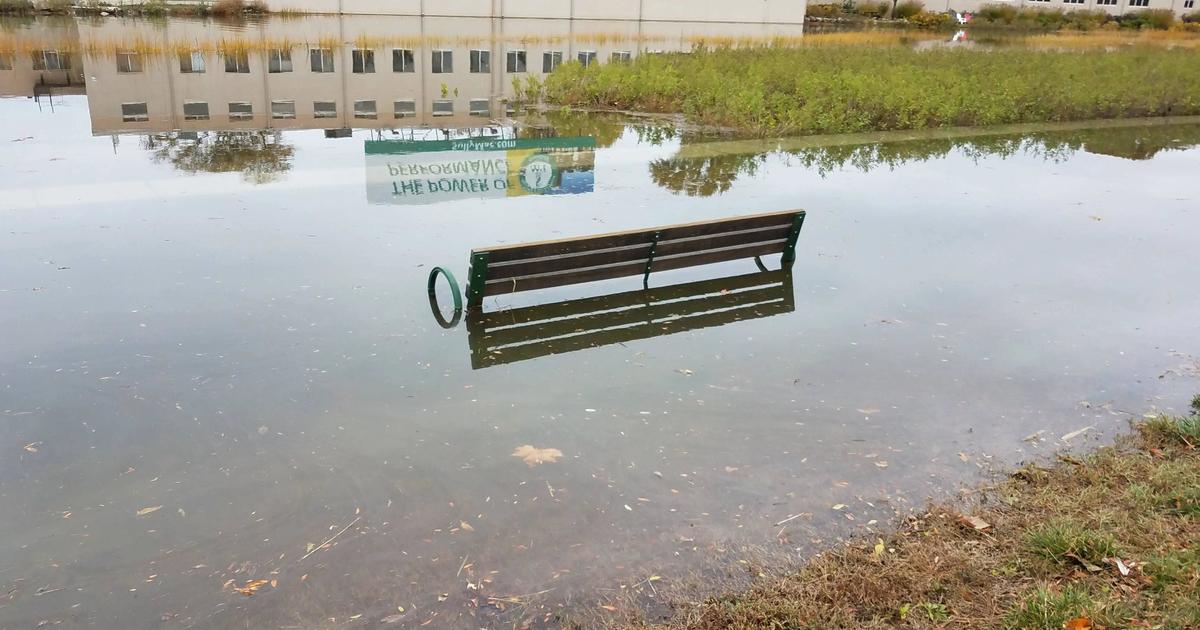
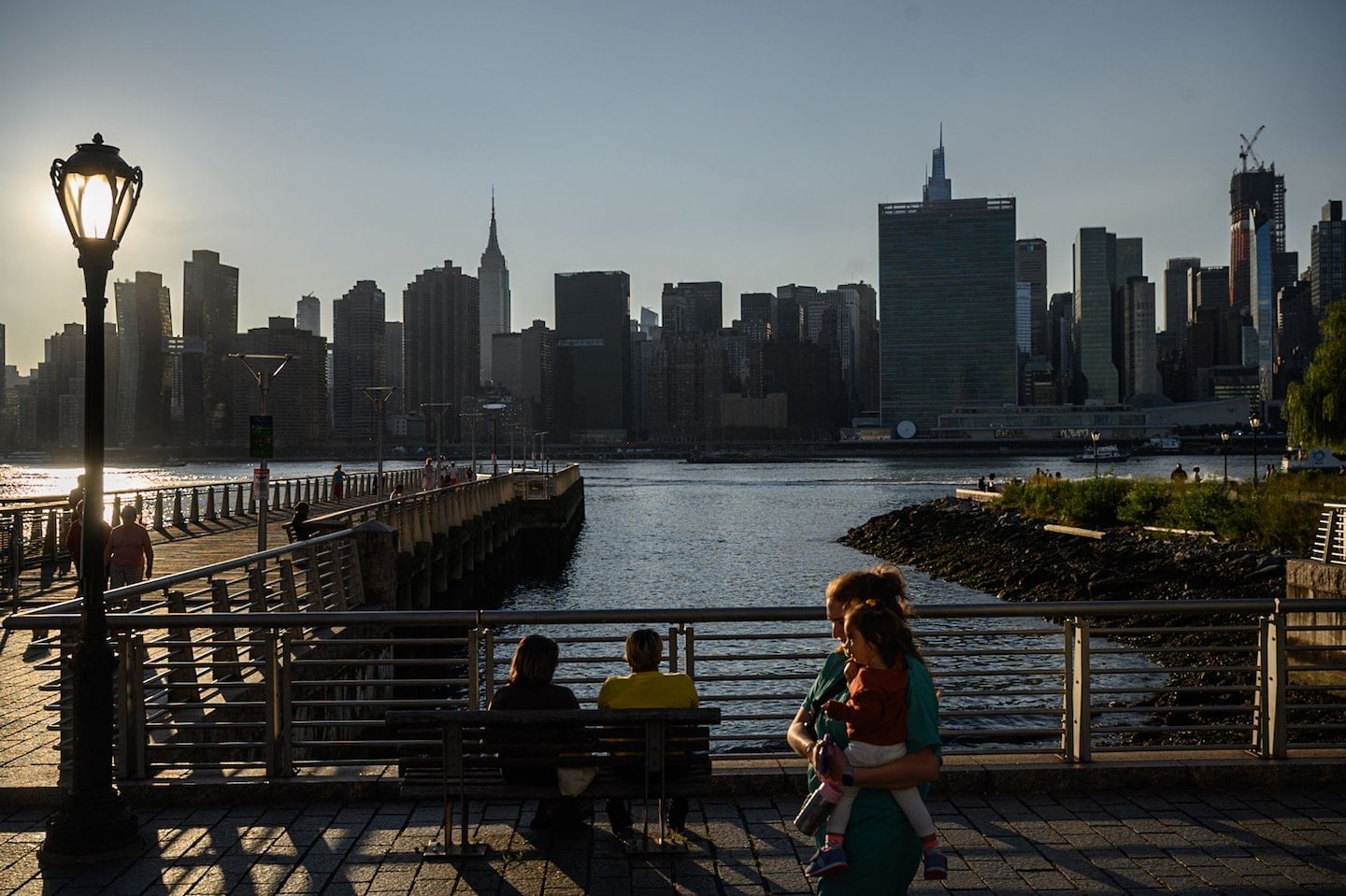
A new climate study by the United States Geological Survey (USGS) using satellite data predicts that more than 67,000 people along the Eastern Seaboard live in communities exposed to rising sea levels, hurricanes, and other hazards that could permanently change or erode the landscape of the coast in the next decade. The study also identifies at least 45 seaports where the coastline could be permanently altered due to hazards like rising seas and erosion, potentially disrupting operations. Rising sea levels and high tide flooding pose significant threats to major port cities like Boston, Baltimore, and New York, with projections indicating a substantial increase in flooding days by 2050. It is estimated that it would cost billions to elevate East Coast ports to accommodate rising seas and flooding, and the Biden administration has announced a federal grant program to fund capital improvement projects at select shipping terminals.

US Faces Severe Climate Crisis: New Report Reveals Alarming Warming Threats

Originally Published 2 years ago — by CNN

Featured image for US Faces Severe Climate Crisis: New Report Reveals Alarming Warming Threats
Source: CNN

The Fifth National Climate Assessment, a congressionally mandated report, warns that the effects of climate change are being felt in every part of the US and will worsen over the next decade without significant reductions in fossil fuel use. The report highlights the increasing intensity and frequency of extreme weather events, such as heatwaves, hurricanes, and wildfires, and emphasizes that no place in the country is immune from climate change. It also highlights the economic impacts, including rising insurance rates and food prices. Despite a decline in greenhouse gas emissions, the US needs to make much faster progress to meet international climate goals. Water insecurity, including drought and flooding, is a major concern for the country, particularly in the Southwest.

"Biden-Harris Administration's $6 Billion Plan to Strengthen Climate Resilience and Combat Climate Change"

Originally Published 2 years ago — by The White House

Featured image for "Biden-Harris Administration's $6 Billion Plan to Strengthen Climate Resilience and Combat Climate Change"
Source: The White House

The Biden-Harris Administration has released the Fifth National Climate Assessment (NCA5), which highlights the decline in U.S. greenhouse gas emissions despite population and GDP growth. The report emphasizes that every region of the country is already experiencing the impacts of climate change and that ambitious climate action is underway. In conjunction with the release of NCA5, President Biden has announced over $6 billion in investments to strengthen climate resilience across the country, including bolstering the electric grid, advancing environmental justice, reducing flood risk, boosting climate resilience, and investing in conservation. The report also underscores the increasing risks from extreme weather events and the exacerbation of social inequities due to climate change. It emphasizes the need for further and faster action to reach net-zero emissions by 2050 and highlights the opportunity for climate action to create a more resilient and just nation.

Massive Investment: Biden's $3.5 Billion Grid Upgrade Bolsters US Power Infrastructure

Originally Published 2 years ago — by Gizmodo

Featured image for Massive Investment: Biden's $3.5 Billion Grid Upgrade Bolsters US Power Infrastructure
Source: Gizmodo

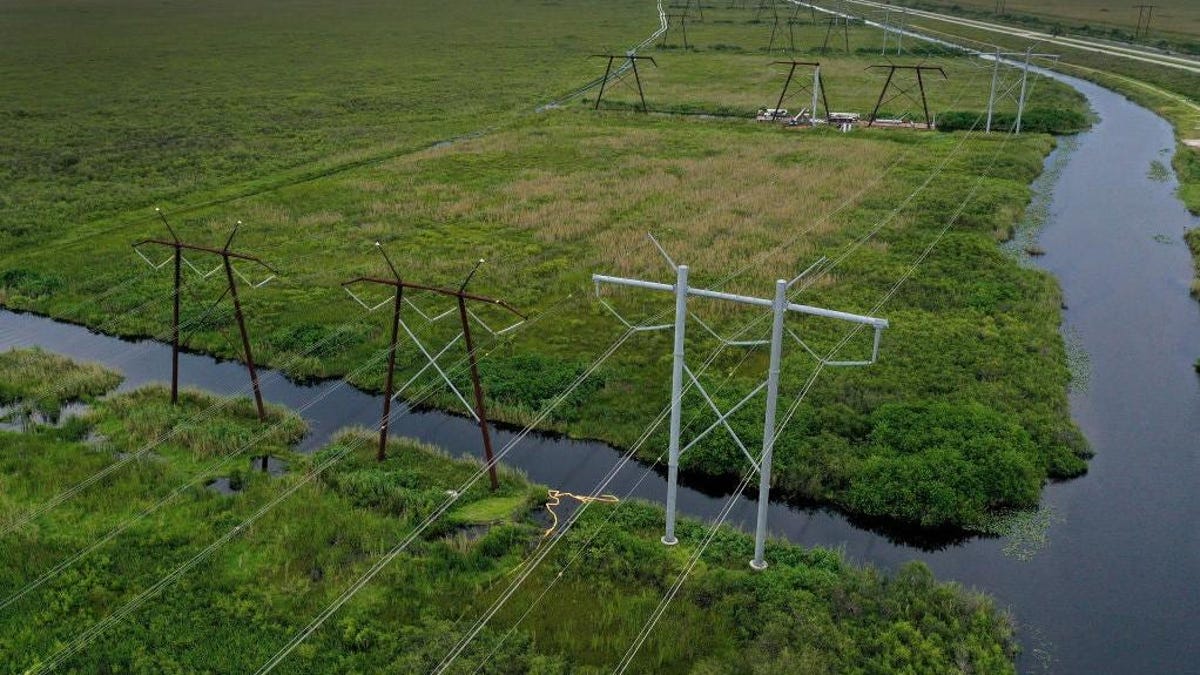
The Biden Administration plans to invest $3.46 billion to upgrade the U.S. electric grid, funding 58 projects across 44 states, including 400 microgrids. The aim is to tap more clean energy from wind and solar, bringing over 35 gigawatts of clean energy to the grid. The funding comes from the Bipartisan Infrastructure Law, and the upgrades are necessary as more than half of the country's transmission lines and power transformers were installed before the 1970s. The aging grid is increasingly strained by extreme weather events fueled by climate change, leading to widespread outages. The investment is seen as a tool for climate resilience and job creation.

"Urgent Study Reveals Crucial Timeframe to Rescue Greenland's Ice Sheet"

Originally Published 2 years ago — by NPR

Featured image for "Urgent Study Reveals Crucial Timeframe to Rescue Greenland's Ice Sheet"
Source: NPR

A new study published in Nature suggests that there may be a window of opportunity to save Greenland's ice sheet from irreversible decline. Even if global temperatures rise above the 2-degree Celsius threshold, the ice sheet could avoid full collapse if temperatures come back down relatively quickly. However, if temperatures dramatically overshoot the threshold after 2100 or stay slightly past it for an extended period, the possibility of irreversible ice sheet collapse becomes nearly impossible to avoid. The study highlights the importance of reducing temperatures within a certain time frame to prevent abrupt loss and emphasizes the need for action to mitigate climate change and protect the ice sheet.

White House Redefines Zero-Emission Buildings, Bidenomics Funds Partner4Work

Originally Published 2 years ago — by The Washington Post

Featured image for White House Redefines Zero-Emission Buildings, Bidenomics Funds Partner4Work
Source: The Washington Post

The Biden administration is set to define a "zero-emission" building, establishing a national standard to address the significant contribution of buildings to climate change. While not legally binding, the definition aims to help real estate developers navigate the various state and local rules on building emissions. Buildings, both commercial and residential, account for nearly one-third of US greenhouse gas emissions. The new standard will require buildings to be energy efficient, produce no on-site emissions, and use 100% renewable energy. The move comes as the administration also unveils a national strategy for enhancing infrastructure resilience against wildfires, hurricanes, and other weather disasters.