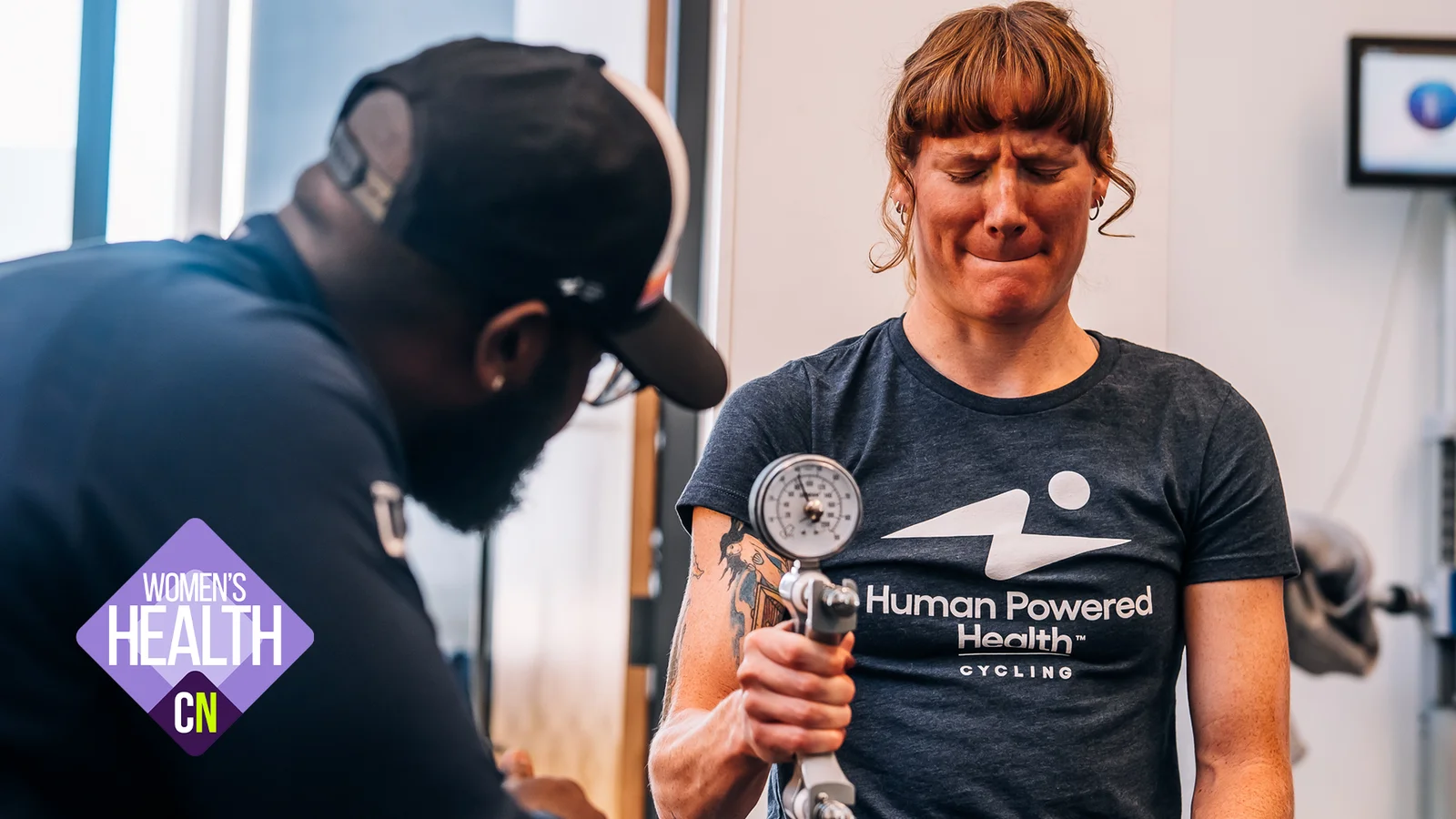
A feature explains how pro cycling’s historical practices have contributed to low bone density among riders and outlines how teams, doctors, and governing bodies are shifting toward better bone health through nutrition, weight-bearing training, rest, and policy changes.
Training for and completing marathons or triathlons can have mental health benefits but also pose risks such as anxiety, depression, and relationship strain, especially when the activity becomes a compulsive coping mechanism or leads to neglect of personal relationships. Awareness, balance, and communication are key to maintaining mental well-being and healthy partnerships.
A Neanderthal gene variant affecting energy production in muscles may limit endurance athletic performance in some Europeans, with carriers being less likely to reach elite levels, though it does not significantly impact daily activities or overall health.
The Week in Review features a roundup of recent posts from DCRainmaker, including behind-the-scenes looks at Apple Fitness+ Studios and hands-on with the Polar Grit X2 Pro. It also highlights spring sports tech deals, YouTube videos, and interesting findings from around the web, such as Wahoo's dark mode for ELEMNT/BOLT series and a man's use of a drone for rescue in snowy mountains. Additionally, it covers the new iGPSport iGS800 Cycling GPS Computer and TrainerRoad's launch of Red-Light-Green-Light feature.
British ultrarunner Jasmin Paris becomes the first woman to finish the grueling Barkley Marathons, completing the 100-mile race in Tennessee with only 99 seconds to spare within the 60-hour cut-off time, joining just four other finishers in the race's history. The race, known for its extreme difficulty, features a course with five loops totaling approximately 100 miles and a climb and descent of 54,200 feet, with no aid stations except for water at two locations.
The high carb trend in endurance sports, particularly in pro cycling, has led to increased carb intakes of at least 90 g/hr for male pro cyclists. While there is limited research on the benefits of carb intakes exceeding this level, it is clear that the nature of racing has changed, and high carb intakes are reportedly helping to fuel this. However, for non-pro cyclists, such high carb intakes may not be necessary for most rides, and excessive carb intake can lead to health concerns. The article discusses the science and practicalities of carb intake on the bike, the distinction between absolute and relative exercise intensity, and the implications for nutrition practices for both pro and non-pro athletes.