CES 2026 showcased significant advancements in AI chips and devices, highlighting the next growth phase for AI technology and its increasing integration into consumer and industrial products.

Meta is advancing its smart glasses technology, with billionaires investing heavily in the company, as Meta aims to replace smartphones with augmented reality devices powered by superintelligence, potentially transforming consumer electronics by the 2030s.
The article explores the possibility of uploading human consciousness into a computer, discussing the scientific challenges such as detailed brain mapping and sensory simulation, and suggests that while theoretically possible, it remains a distant goal likely beyond the next century, though technological progress continues to accelerate.
A venture capital fund called Deep Future is investing in out-of-the-box, long-term technological ideas, including innovative nuclear reactors, e-waste recycling methods, and theoretical concepts like warp drives, aiming to fund projects that may take decades to realize but could revolutionize various industries.
AI research groups are competing to develop 'world models' as a pathway toward achieving superintelligence, highlighting the race to advance artificial intelligence capabilities.
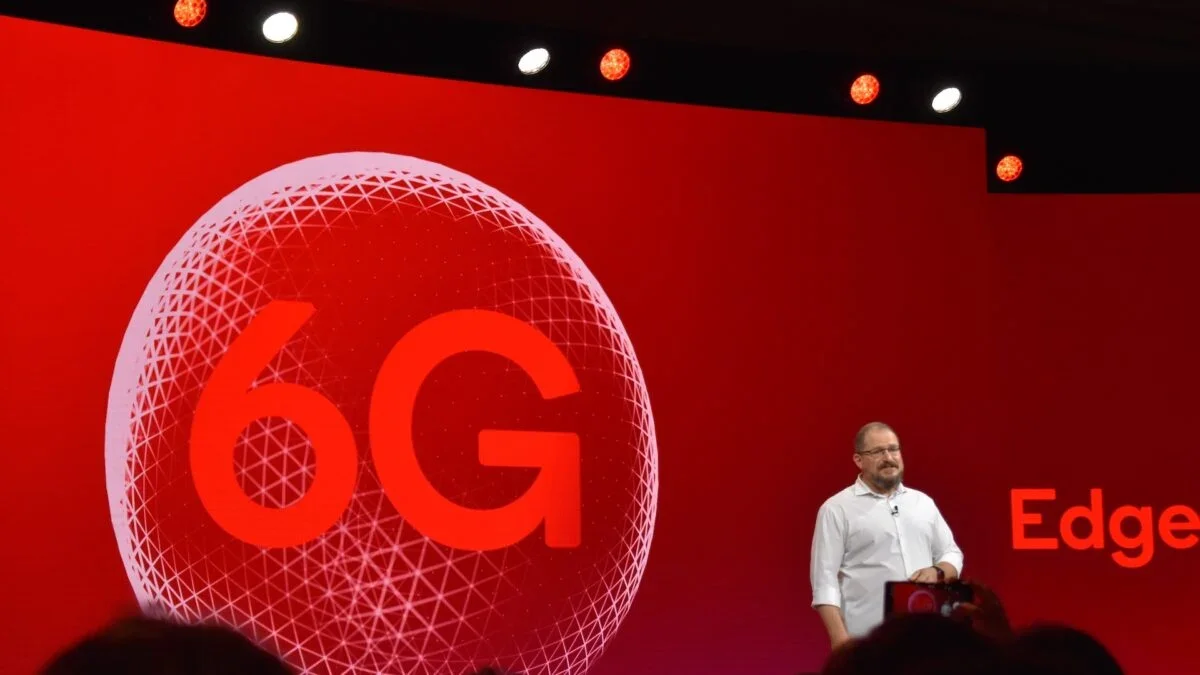
Qualcomm predicts that 6G technology will be available by around 2028, aiming to support the next AI boom with faster speeds and advanced neural processing, though the exact use cases and benefits remain uncertain amidst current technological and political uncertainties.
Meta's future smart glasses are expected to feature always-on contextual AI within less than five years, enabling continuous environmental mapping and proactive assistance, though privacy concerns and technical challenges remain.
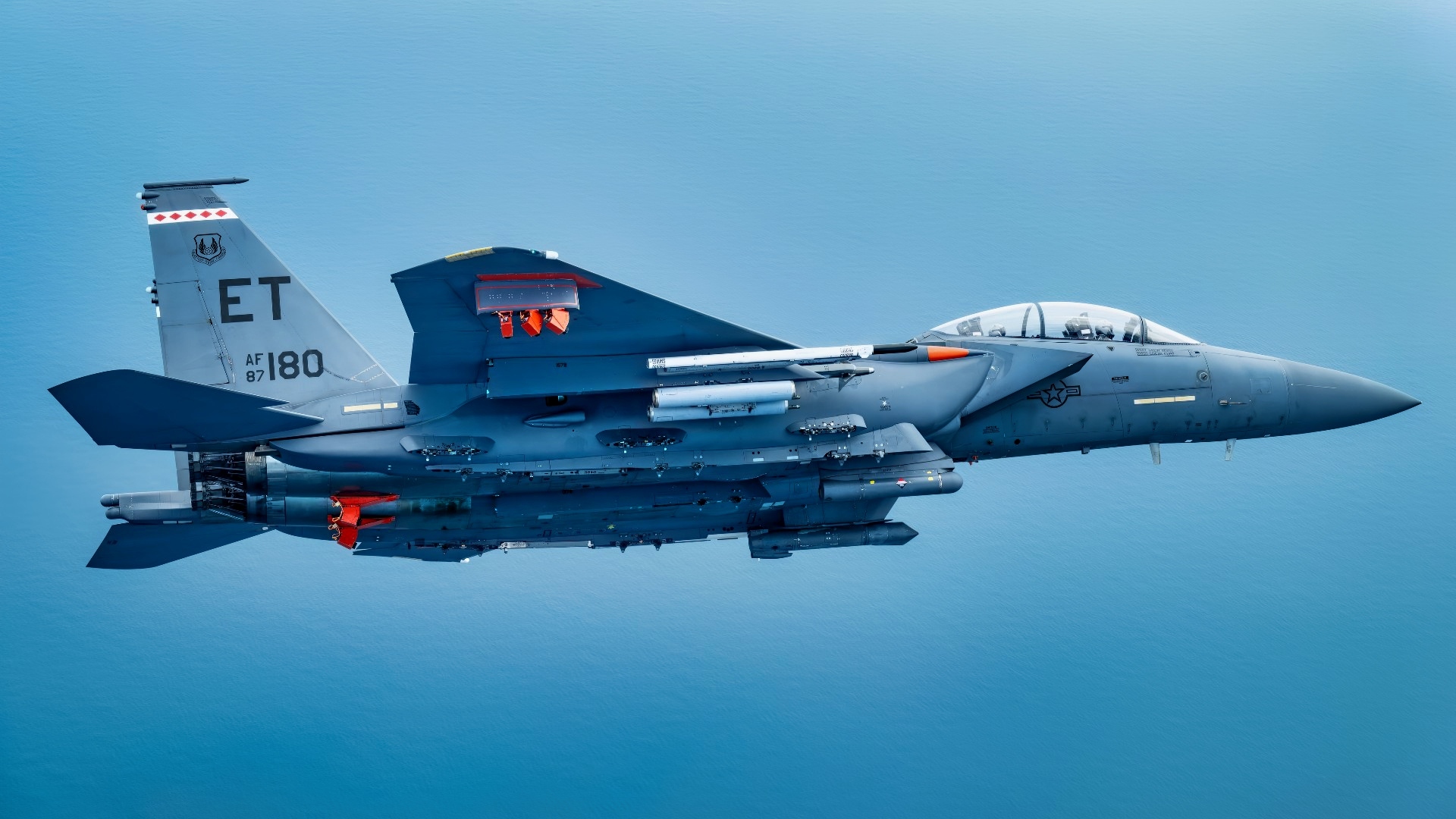
The U.S. Air Force is shifting focus from counterterrorism to deterring China and Russia, investing in stealth, AI, autonomous systems, and modular platforms, with key upgrades including the B-52, the new F-47 fighter, and the B-21 bomber, while retiring older aircraft to modernize its fleet for future conflicts.
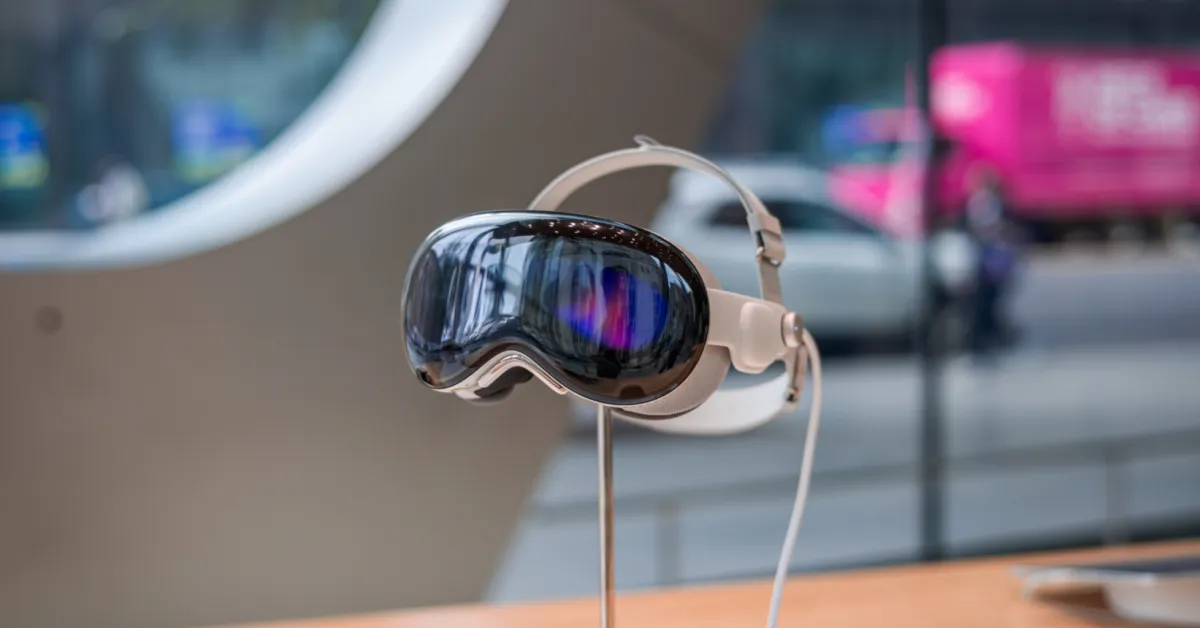
Apple is preparing a new generation of Vision Pro with a spec bump, possibly featuring an M5 chip and lighter design, along with a Mac-compatible version for high-end applications. Rumors also suggest a more affordable, lighter Vision Air headset by 2027 and upcoming AR glasses expected in 2026, aiming to surpass competitors like Meta.
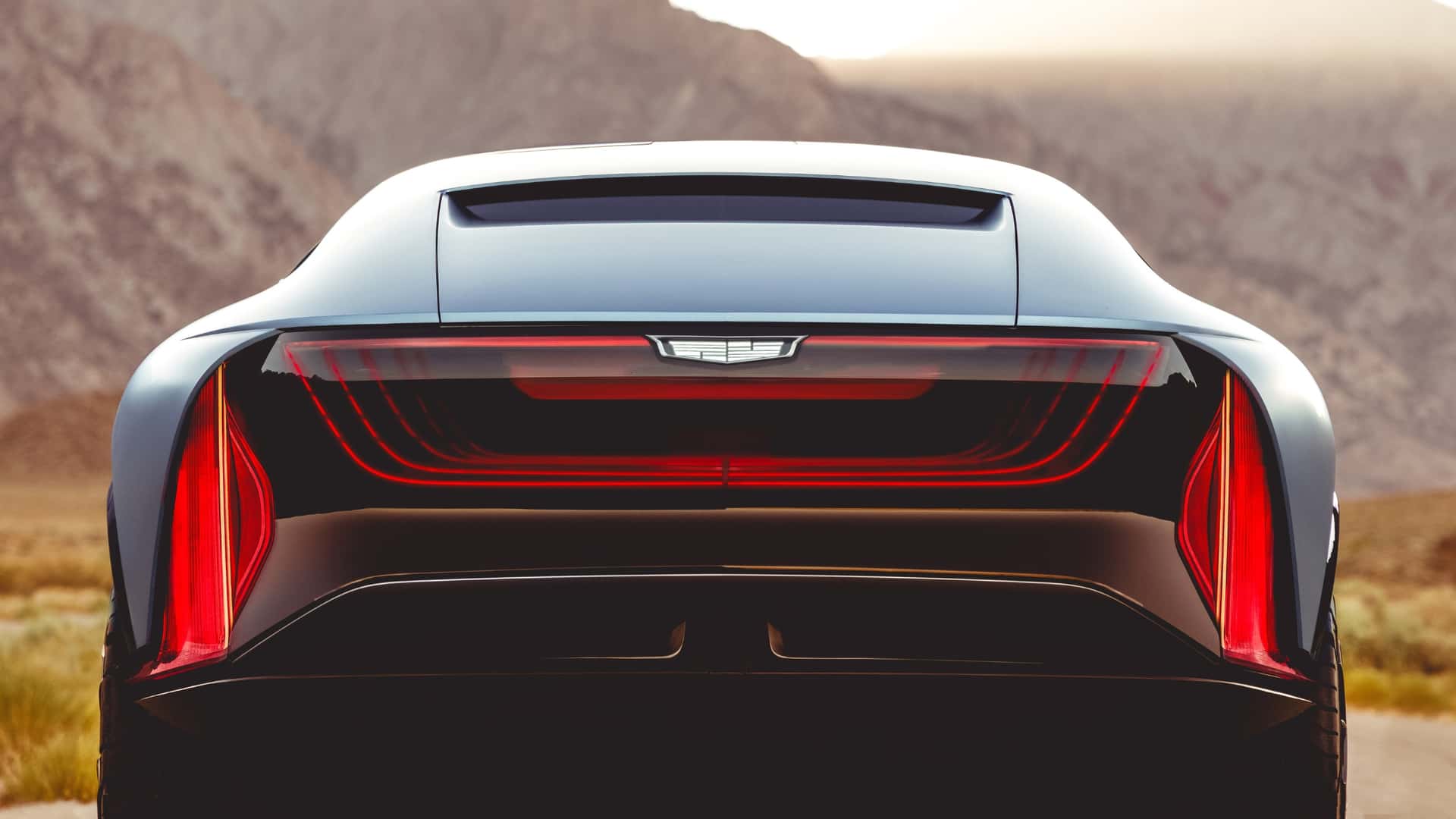
Cadillac's Elevated Velocity concept is a futuristic electric SUV showcasing innovative design, autonomous driving features, and luxury interior elements, serving as a testbed for potential future technologies and styling cues, with a focus on combining high-performance driving and autonomous capabilities.
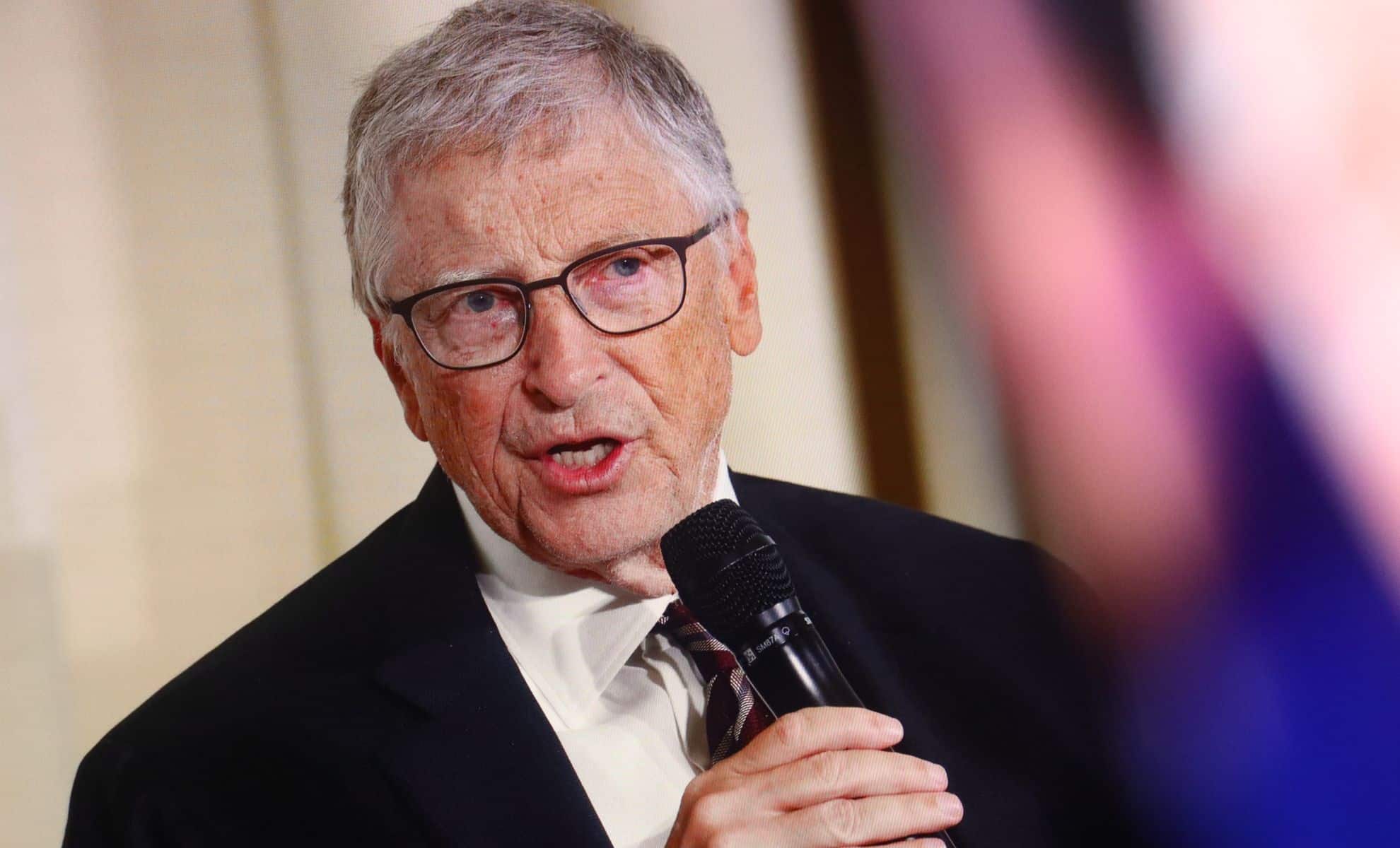
Bill Gates predicts smartphones will become obsolete, replaced by electronic tattoos embedded in the skin that enable communication, health monitoring, and security, raising questions about privacy, security, and social impact.
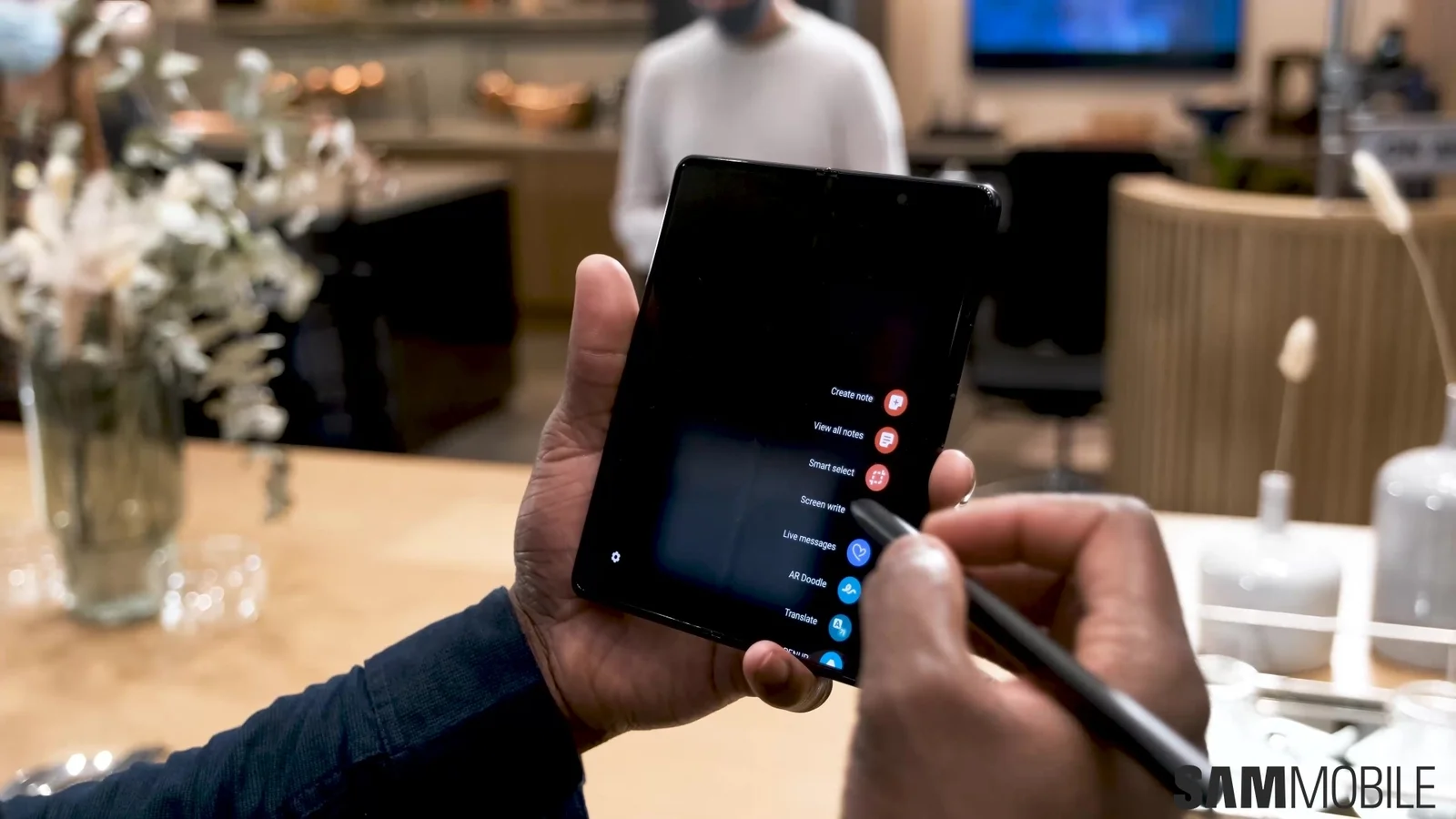
Samsung's Galaxy Z Fold 7 does not support the S Pen to maintain a thinner, lighter design, but the company is developing new, innovative S Pen technologies that could reintroduce stylus support in future models, contingent on performance and demand.
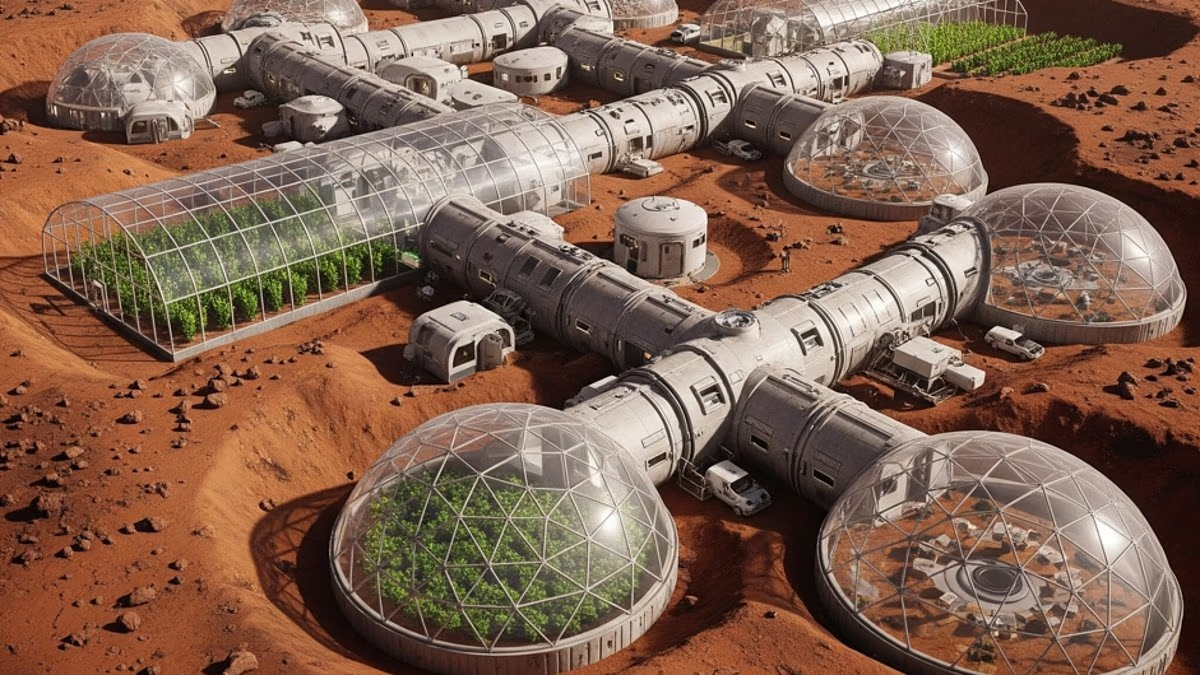
The European Space Agency envisions humans living in self-sustaining 'space oases' on Mars, the Moon, and Earth's orbit within 15 years, featuring advanced habitats, autonomous exploration robots, and in-orbit manufacturing, aiming to make space colonization a reality and expand human presence across the solar system.
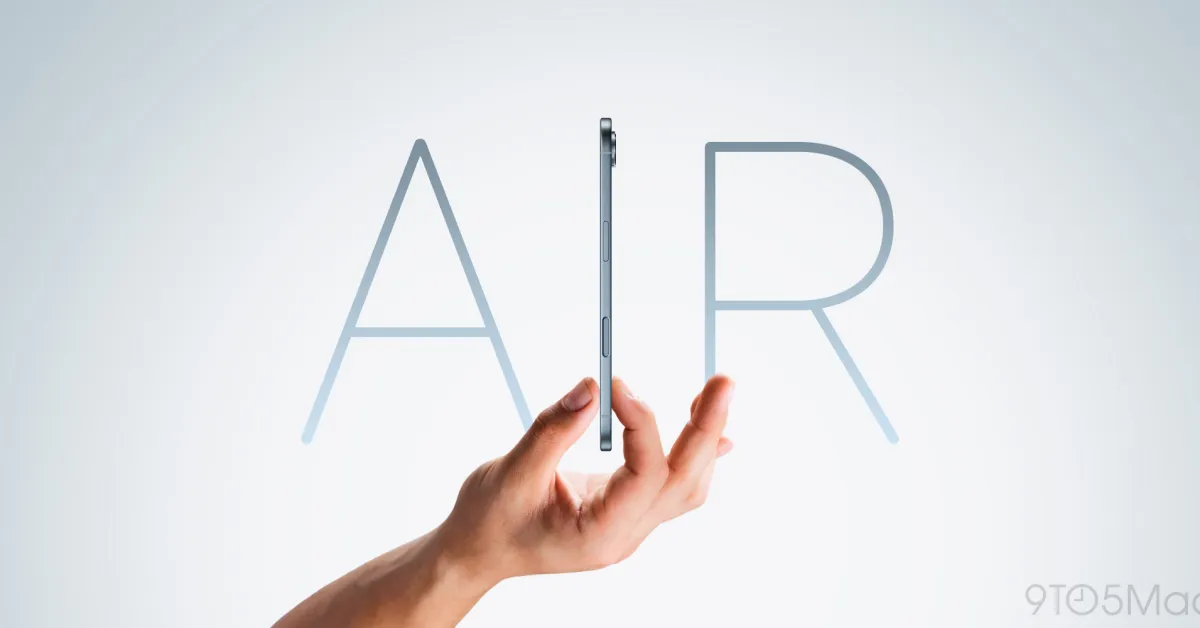
The iPhone 17 Air is set to replace the Plus model and is expected to embody the future of iPhone design with a sleek, ultra-thin form factor inspired by the MacBook Air, sacrificing some features like multiple cameras and battery life, making it an appealing choice for those who prioritize design and simplicity over pro features.
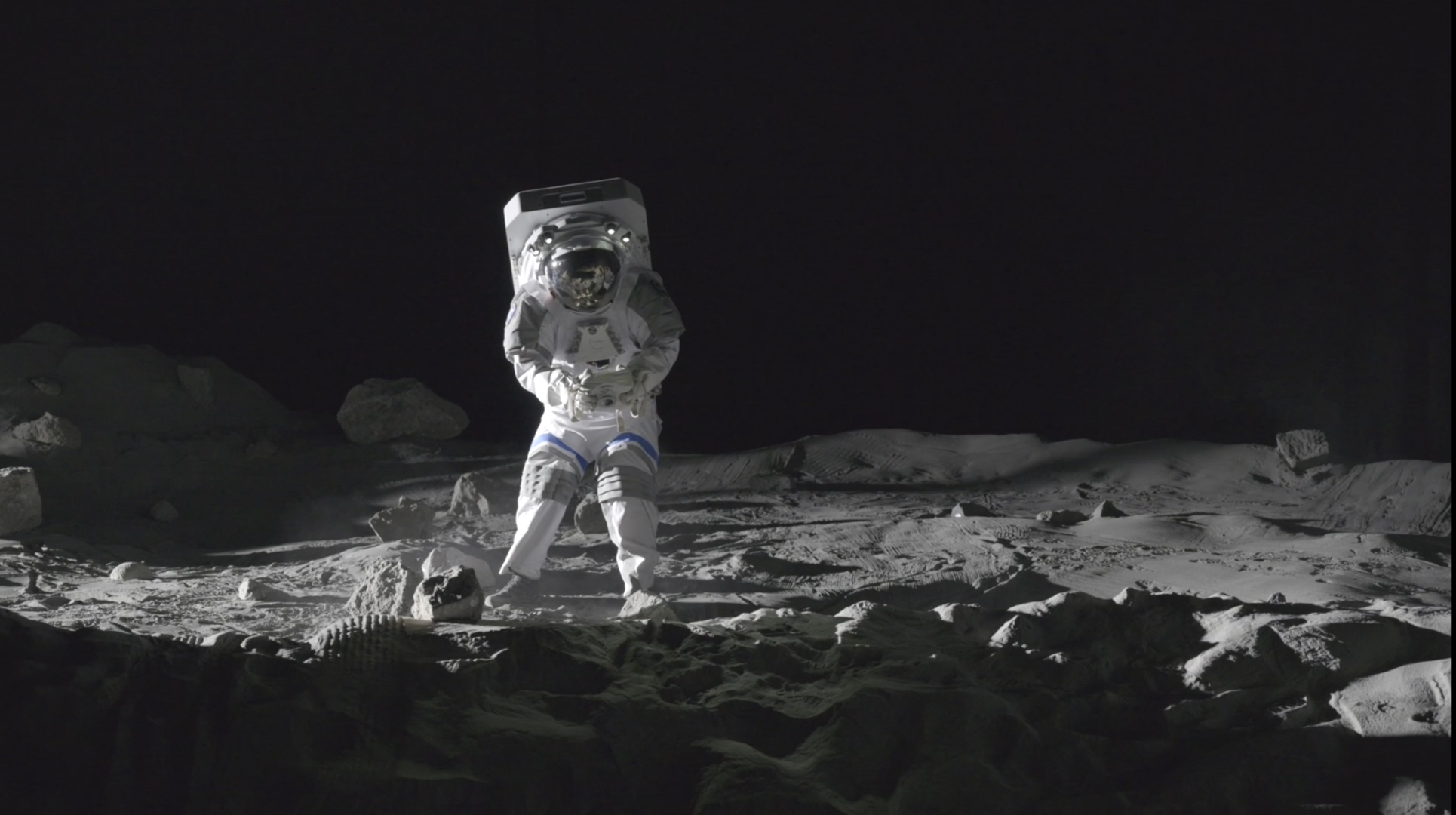
Space experts are working on improving Moon landing videos from grainy footage to high-definition, colour, and high frame rate, overcoming challenges like bandwidth, dust, and signal delay, with advancements including lunar satellite constellations and laser communications for future missions.