energy-policy6.275 min read
Trump's Energy Revival: Balancing Shale Boom and Policy Simplicity
1 year ago•Source: NPR

The latest energy policy stories, summarized by AI
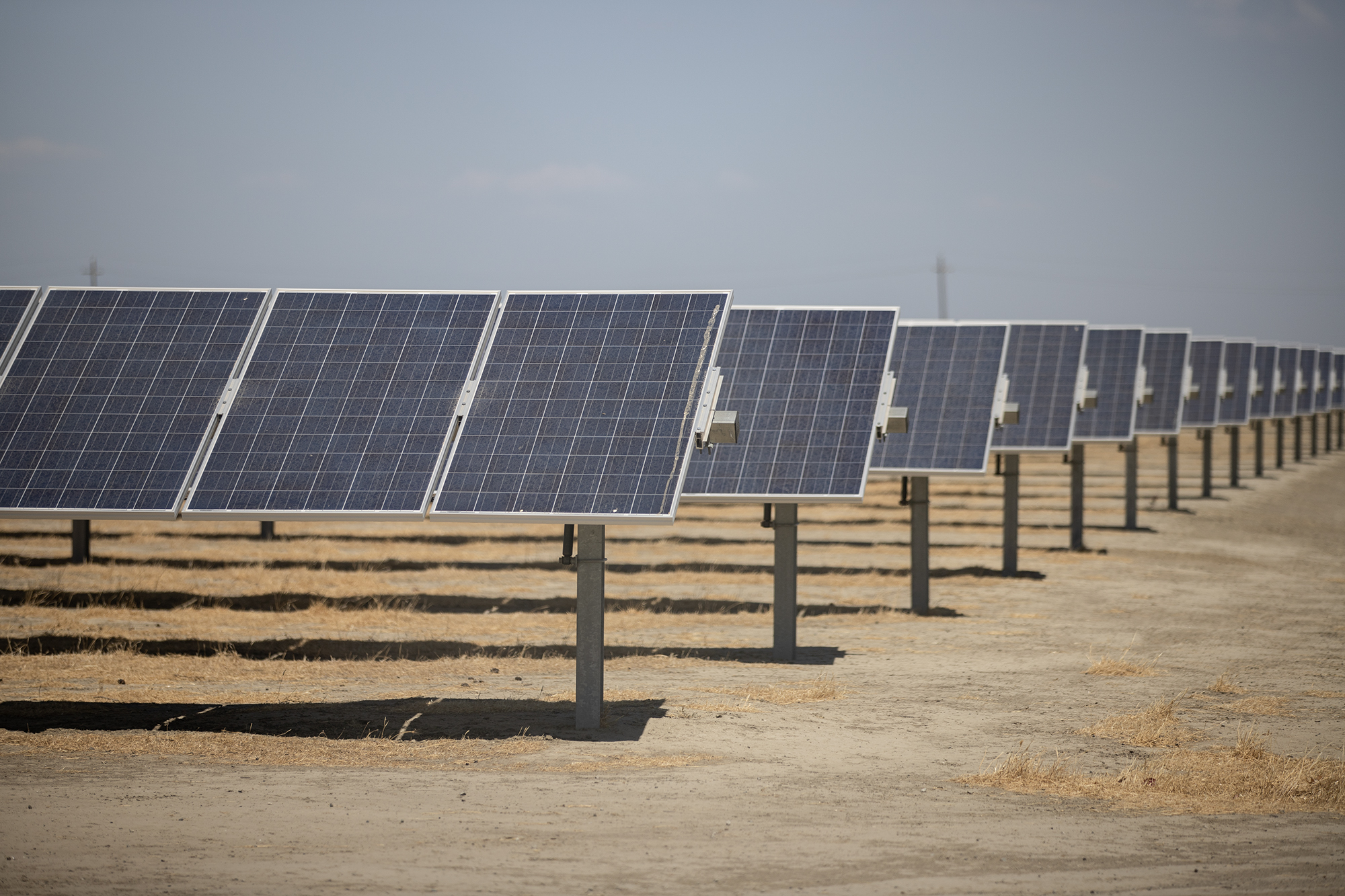
The California Public Utilities Commission has adopted new rules for community solar projects, which critics argue will reduce incentives for expanding solar power to low-income customers. While the new rules allow ratepayers to subscribe to solar projects with a 20% rate reduction, they also decrease future compensation for solar providers, potentially discouraging new projects. Advocates warn that this decision undermines California's clean energy progress and could limit access to renewable energy for disadvantaged communities.

The White House•1 year ago

The Biden-Harris Administration has launched a Federal-State Modern Grid Deployment Initiative with commitments from 21 states to modernize and expand the U.S. power grid. This initiative aims to enhance grid capacity, integrate clean energy, and improve resilience against climate impacts. The administration is also streamlining federal permitting processes and providing significant funding through the Inflation Reduction Act and Bipartisan Infrastructure Law to support these efforts.
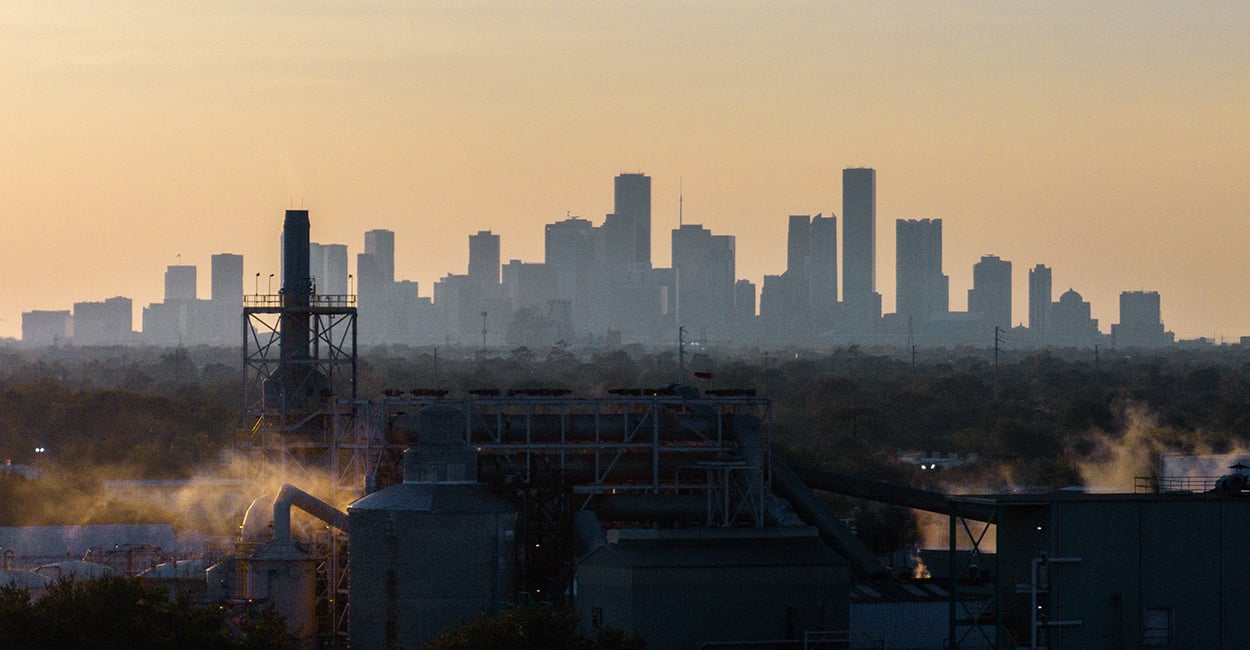
The recent storm in Houston highlights the vulnerabilities of forced electrification, as residents with electric stoves, water heaters, and vehicles faced significant challenges without power. The Biden administration's push for increased use of electric appliances and renewable energy sources like wind and solar may lead to higher energy prices and reduced economic resilience, especially during major storms. The article argues for a more resilient energy policy that includes natural gas and buried power lines to ensure reliable electricity during disruptions.

The US Department of Energy has released a roadmap aimed at accelerating the connection of clean energy to the grid, addressing a significant backlog of solar, wind, and battery projects waiting to be built. The Transmission Interconnection Roadmap outlines aggressive targets for improvement by 2030 and aims to ensure the Biden administration's goal of 100% clean electricity by 2035 is achieved. The roadmap includes four goals focused on data access, transparency, security, process improvement, economic efficiency, and grid reliability, with the intention of making the interconnection process more efficient and reliable.
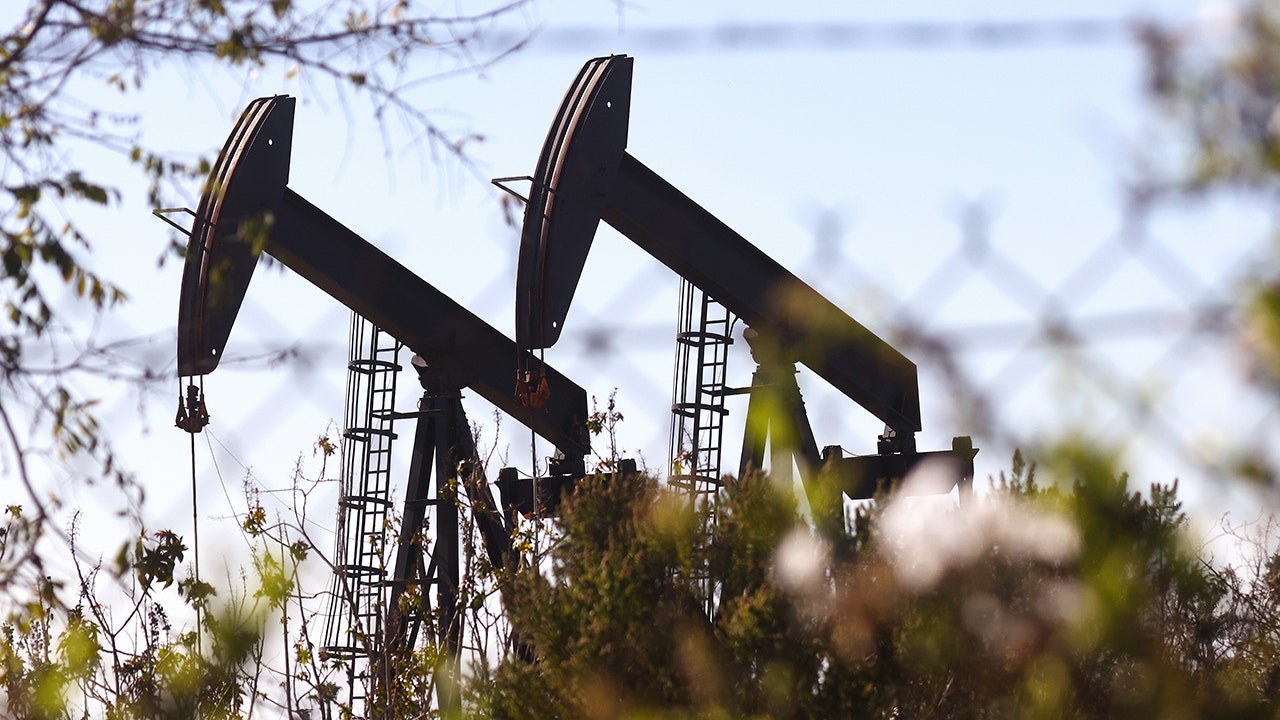
The Biden administration has finalized a rule that will increase the costs for oil and gas companies to drill on public lands by raising royalty rates and updating leasing regulations, despite soaring energy prices and inflation. The move is part of President Biden's climate agenda to shift the U.S. away from fossil fuels and towards renewable energy, aiming to provide a fair return to taxpayers and protect important wildlife habitat and cultural sites. However, the U.S. oil and gas industry has thrived under the Biden administration, with record profits, while inflation continues to rise, keeping prices high for Americans.
President Joe Biden has implemented the first royalty rate increase for US oil drillers in a century, marking a significant shift in energy policy. The move is expected to impact the US economy and has drawn attention to Biden's approach to the oil and gas industry.

JPMorgan Chase CEO Jamie Dimon criticized US delays of liquefied natural gas projects, calling it "enormously naïve" to stop oil and gas projects. Dimon touted replacing coal with natural gas as a way to reduce carbon dioxide emissions and emphasized the economic and geopolitical advantages of US LNG exports. His comments come amid President Biden's permitting freeze on new LNG projects, with the White House highlighting record oil and gas production alongside investments in cleaner energy sources.
The Biden administration has revised a proposed rule to raise energy-efficiency standards for transformers after facing backlash from manufacturers and lawmakers. The finalized proposal almost completely reverses the initial rule, giving companies five years to comply and allowing the use of traditional electrical steel in at least 75% of new transformers. While the new standards will still improve efficiency and reduce carbon emissions, environmentalists criticize the decision to loosen the regulation, while industry groups and lawmakers commend the revised rule for balancing energy costs, national security, and job protection.

The Department of Energy has canceled plans to refill America's emergency oil reserve due to surging oil prices, despite previous intentions to replenish it by the end of the year. The decision comes as the Strategic Petroleum Reserve currently holds about 363 million barrels, down from nearly 600 million at the beginning of 2022. Critics express concerns about the potential risks of depleted oil reserves and the impact on pump prices, while the Energy Department aims to monitor market dynamics and protect the taxpayer's interest.
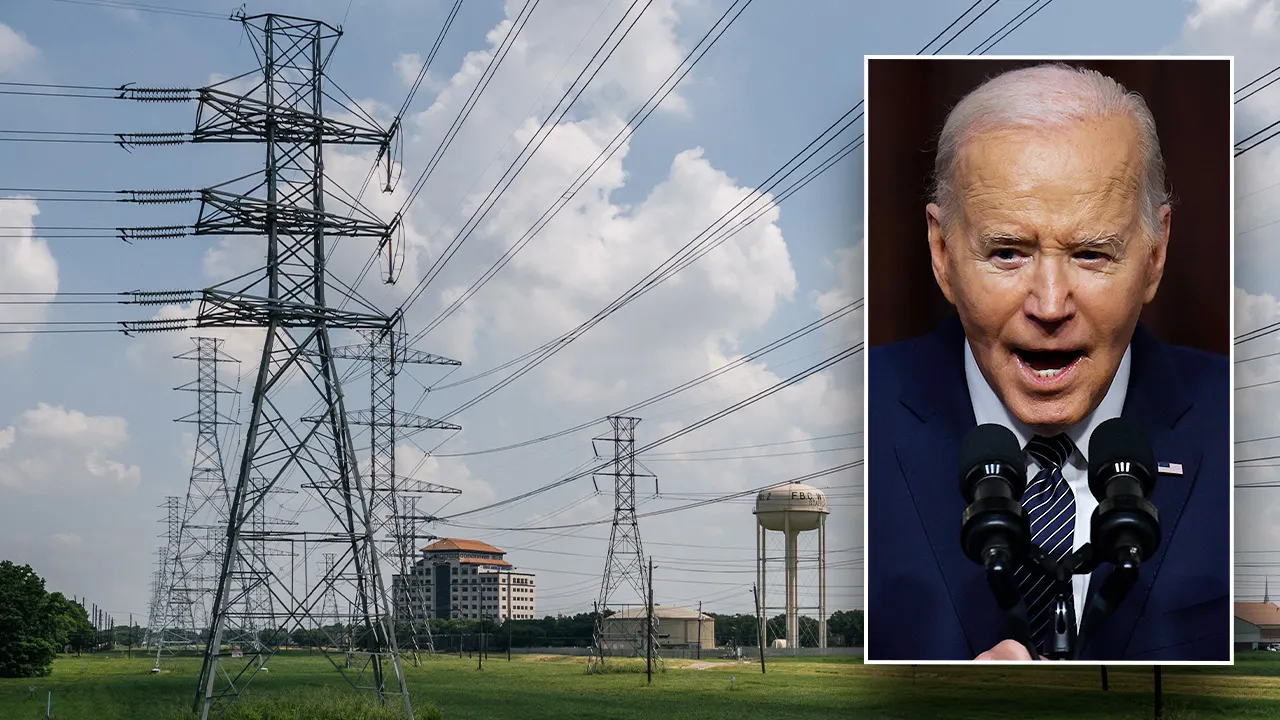
The Biden administration has issued energy efficiency regulations targeting distribution transformers, aiming to accelerate the development of green energy and save utilities and businesses $824 million annually in electricity costs. The regulations require 75% of transformers to be manufactured with grain-oriented electrical steel and 25% with amorphous alloy, with a five-year compliance period. The move has been praised for providing stability to the market and protecting domestic manufacturing capacity, while also reducing carbon dioxide emissions by nearly 85 million metric tons.
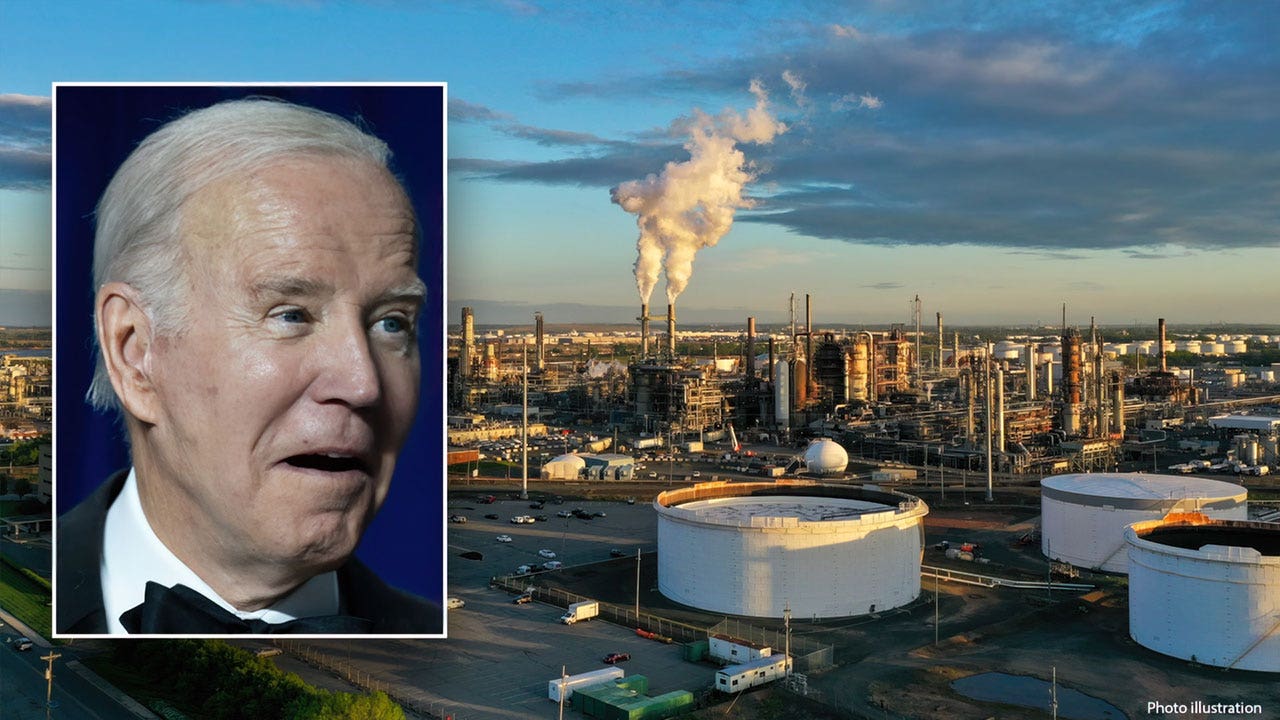
The Biden administration has canceled a plan to purchase up to three million barrels of oil to refill the Strategic Petroleum Reserve (SPR) amid increasing oil prices, despite the reserve being at a historically low level. The Department of Energy remains committed to refilling the SPR but has pulled back its most recent solicitation for oil, citing market conditions. Critics argue that the administration's actions, including depleting the reserve in 2021 and cutting domestic oil production, have left the U.S. vulnerable to supply shocks and contributed to rising fuel prices for consumers.