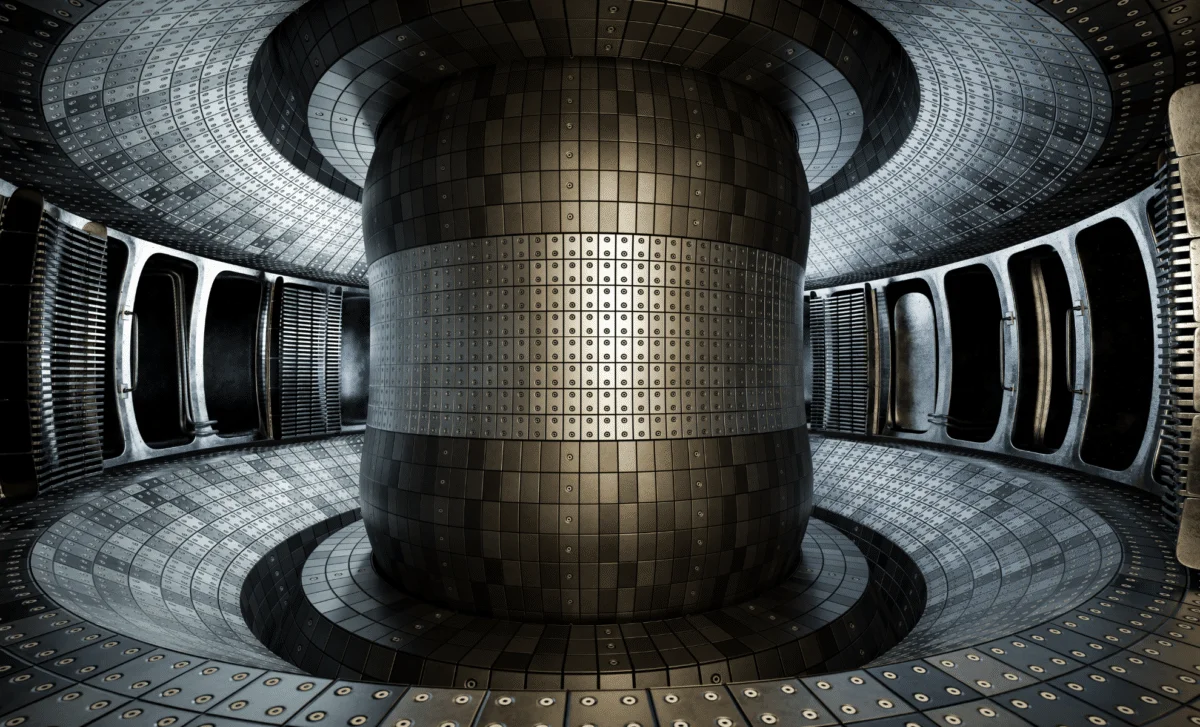
A new study suggests that fusion reactors might inadvertently produce axions, a candidate for dark matter, through interactions of neutrons with reactor walls, turning these energy devices into potential dark matter factories and offering a novel way to detect elusive particles using existing infrastructure.
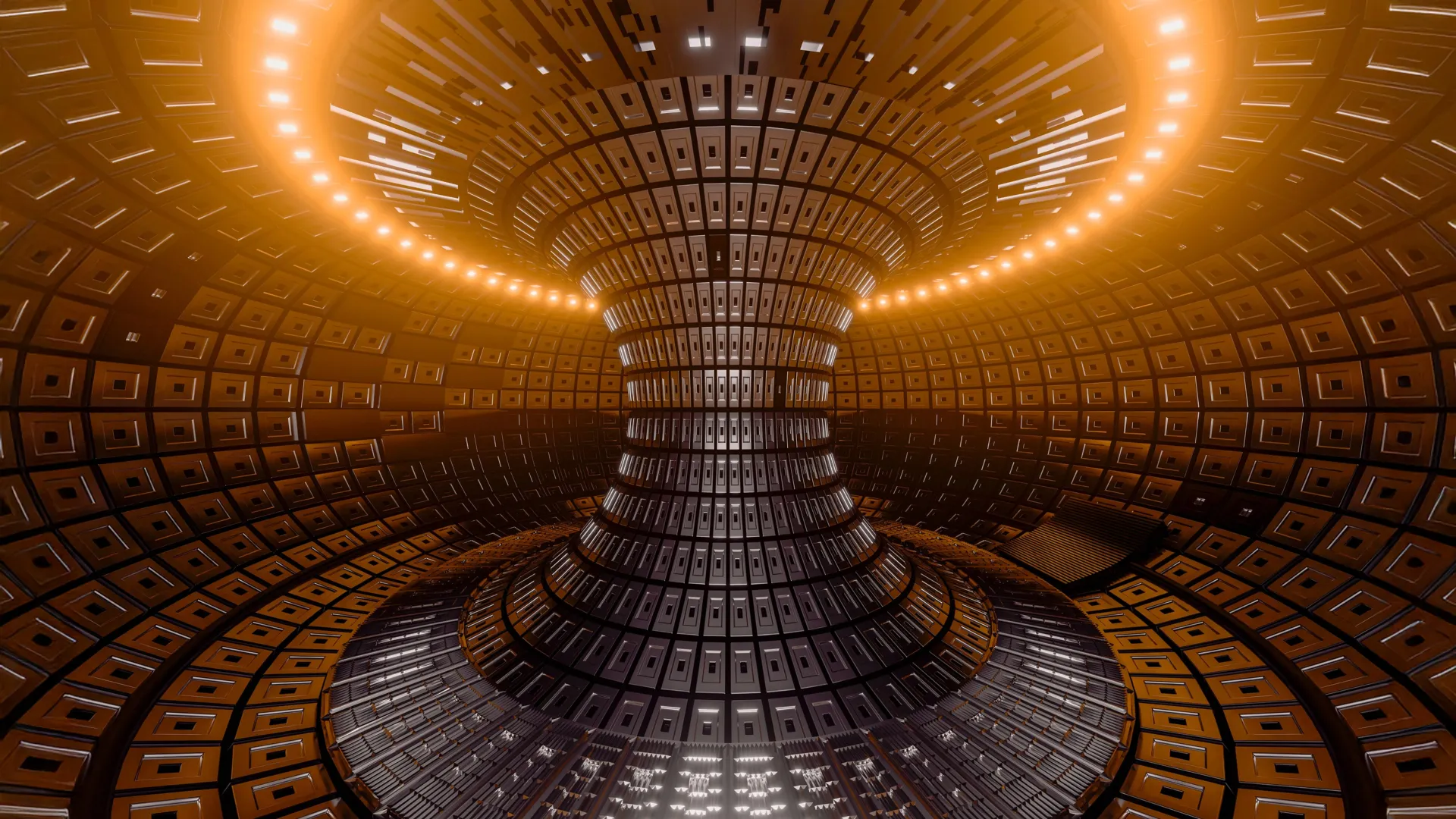
Researchers from the University of Cincinnati and collaborators have proposed a theoretical method for producing axions, a candidate for dark matter, inside fusion reactors, building on concepts humorously referenced in 'The Big Bang Theory.' Their findings suggest that fusion reactors could generate particles linked to the dark sector through neutron interactions, offering a potential new avenue for dark matter research.
Researchers at Japan's NIFS have observed unexpected roles of plasma turbulence inside fusion reactors, acting as both a mediator that rapidly connects different plasma regions and a carrier that transports heat, challenging existing theories and opening new avenues for improving fusion efficiency.
South Korean researchers have experimentally demonstrated how microscopic plasma turbulence can lead to large-scale structural changes, a breakthrough that could advance the development of stable, limitless fusion energy as a clean power source.
Researchers at Princeton and the Princeton Plasma Physics Laboratory have developed a machine learning method to control plasma edge bursts in fusion reactors, significantly enhancing performance without causing damage. This breakthrough allows for real-time optimization, reducing computation times from tens of seconds to milliseconds, and has been successfully tested at two different fusion facilities. The approach holds promise for future fusion devices, including ITER, and represents a significant advancement in the quest for sustainable fusion energy.
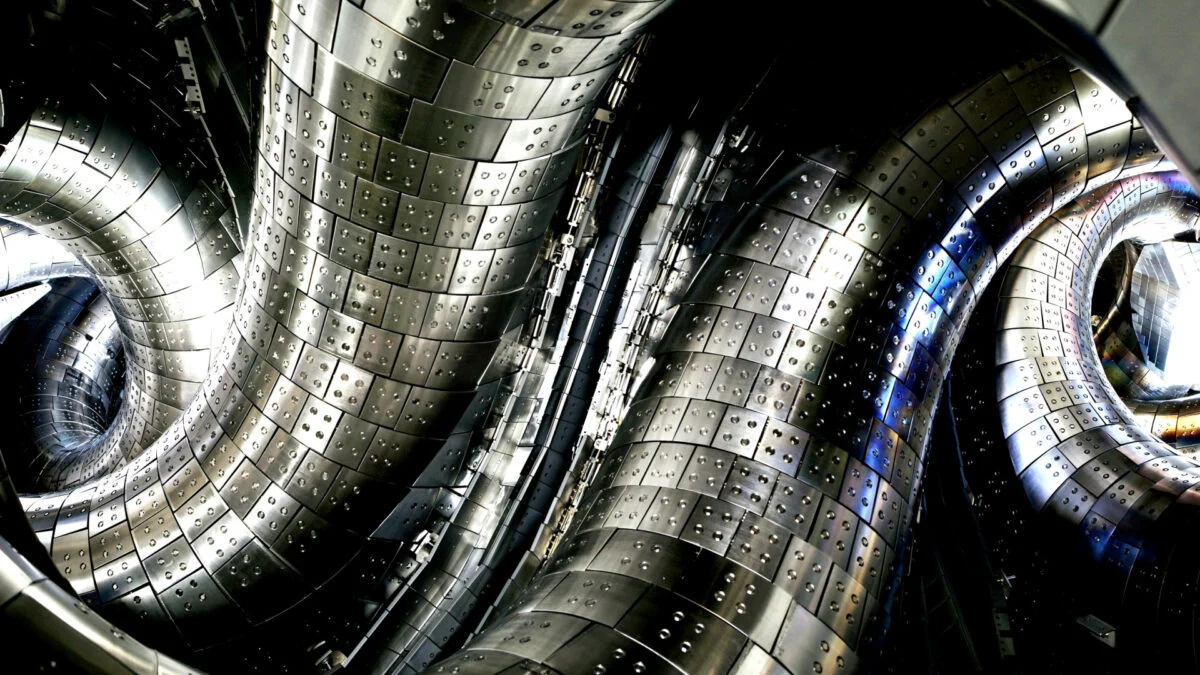
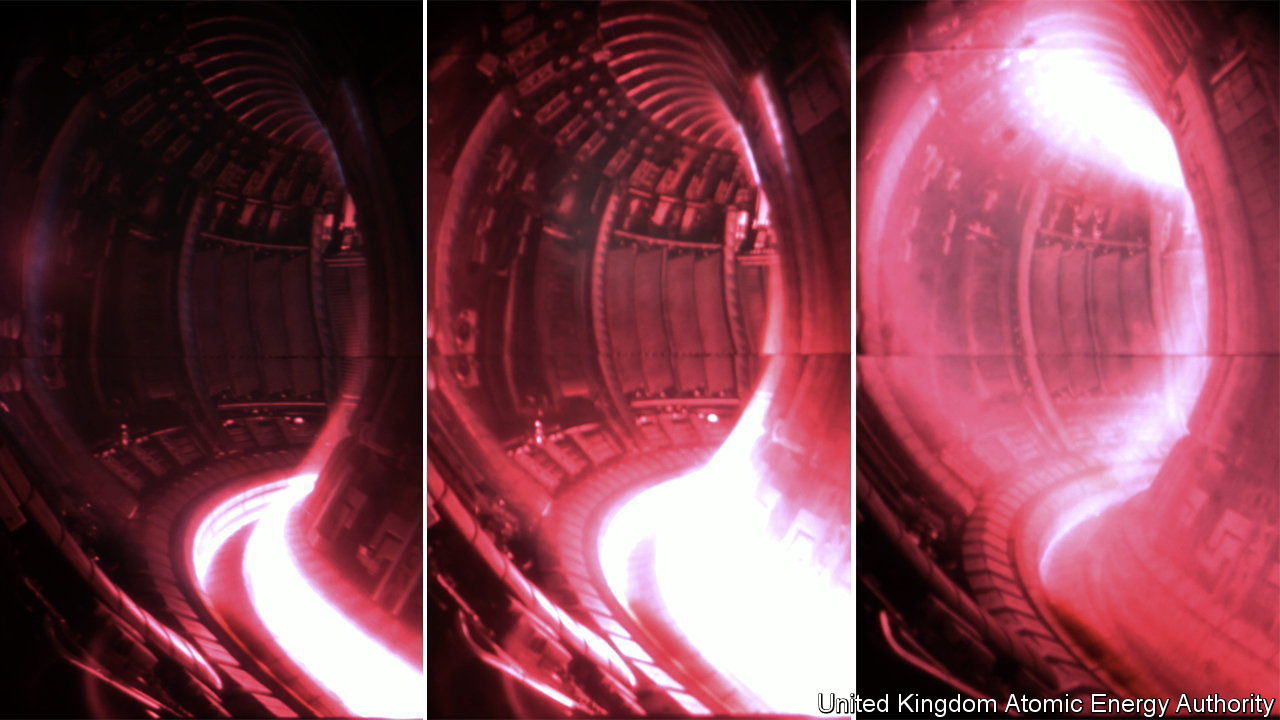
After 40 years of operation, the Joint European Torus (JET) fusion experiment in England concluded its final run with a record-breaking achievement, producing 69 megajoules of energy during a 5.2-second continuous fusion, setting a new standard for tokamak reactors. While JET was not designed for commercial energy production, its success has paved the way for future projects such as the ITER experimental tokamak in France, the SPARC tokamak by Commonwealth Fusion Systems in the US, and other private and government-backed initiatives in the pursuit of viable nuclear fusion technology.
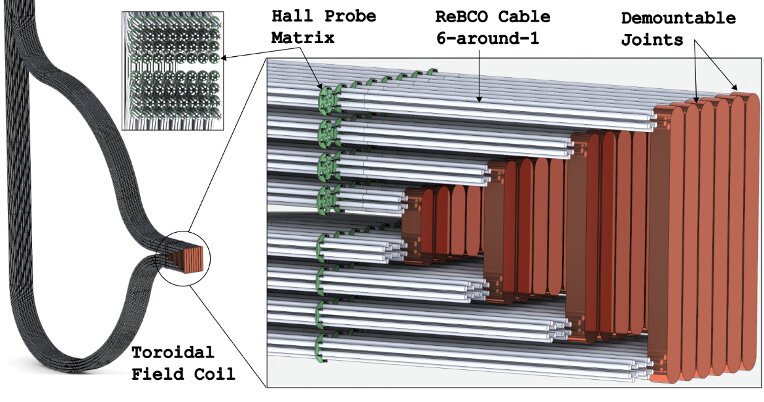
Researchers at Berkeley Lab's Accelerator Technology & Applied Physics Division have developed a method for detecting and predicting the local loss of superconductivity in large-scale magnets that are capable of generating high magnetic fields. The method employs an array of Hall probes to measure the magnetic fields produced around Rare-earth barium copper oxide (ReBCO) CORC cables. This innovative technique has the potential to serve as a key element in solving the quench protection for high-temperature superconductor cables, a fundamental issue for the scientific community working on the next generation of superconducting magnets.