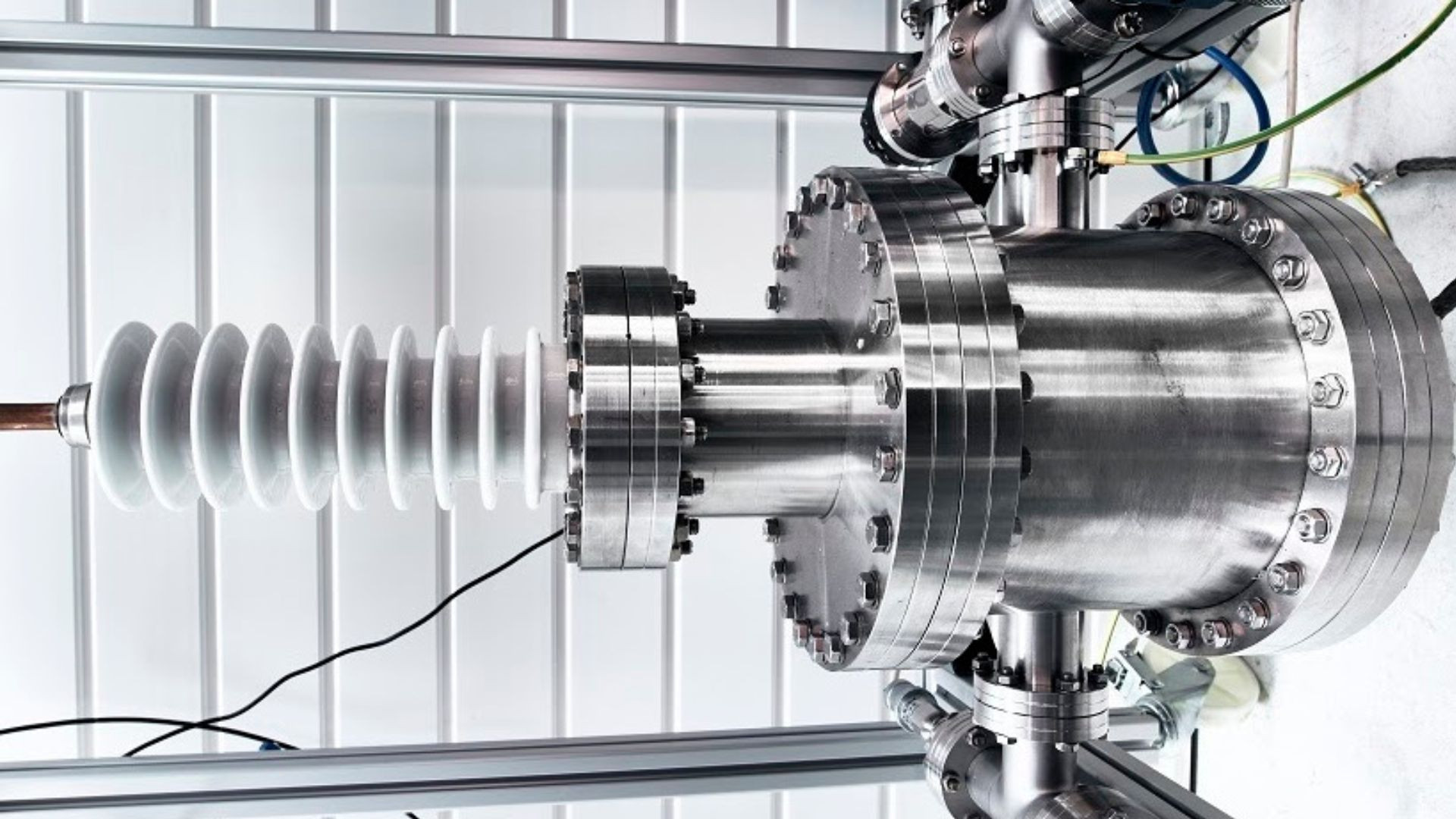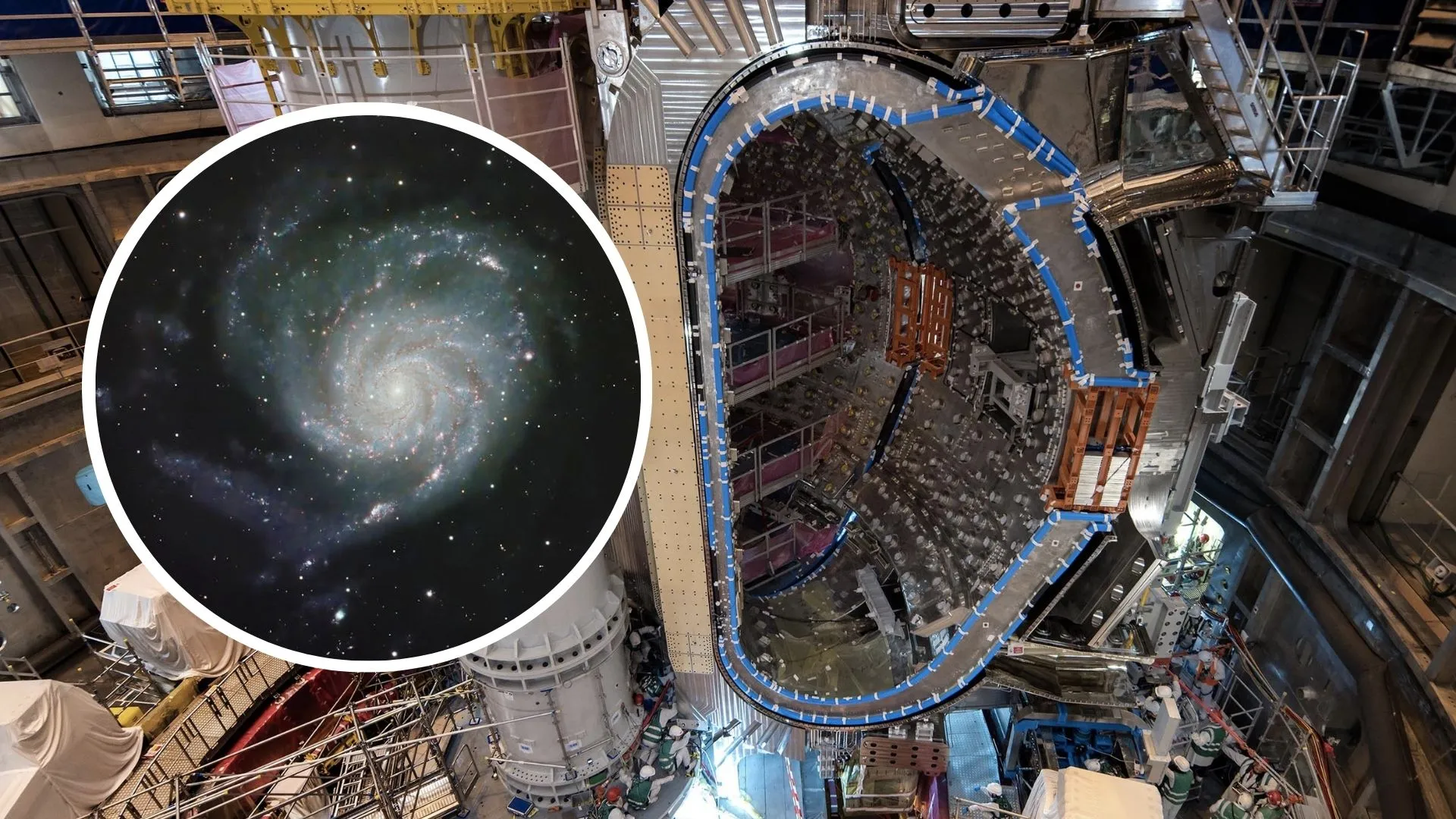
A physicist from the University of Cincinnati has theoretically solved a problem related to producing axions, hypothetical particles linked to dark matter, in fusion reactors—an issue that was humorously depicted as unsolvable by Sheldon Cooper and Leonard Hofstadter in 'The Big Bang Theory.' The research, conducted with international collaborators, explores how neutrons in fusion reactors could generate axions, potentially advancing our understanding of dark matter, and adds a real-world scientific breakthrough to a concept previously only discussed in the sitcom.
In 2025, major scientific breakthroughs included a faster design for fusion reactors, the first reproducible room-temperature superconductor, nuclear transmutation of lead into gold at CERN, potential biosignatures on exoplanet K2-18b, advancements in quantum supercomputing, personalized CRISPR therapies, and innovative sperm selection technology to improve fertility treatments.
Scientists at Tohoku University have developed a powerful bidirectional plasma thruster inspired by fusion reactor technology, capable of decelerating and removing space junk from low-Earth orbit more efficiently, potentially helping to prevent catastrophic orbital congestion.
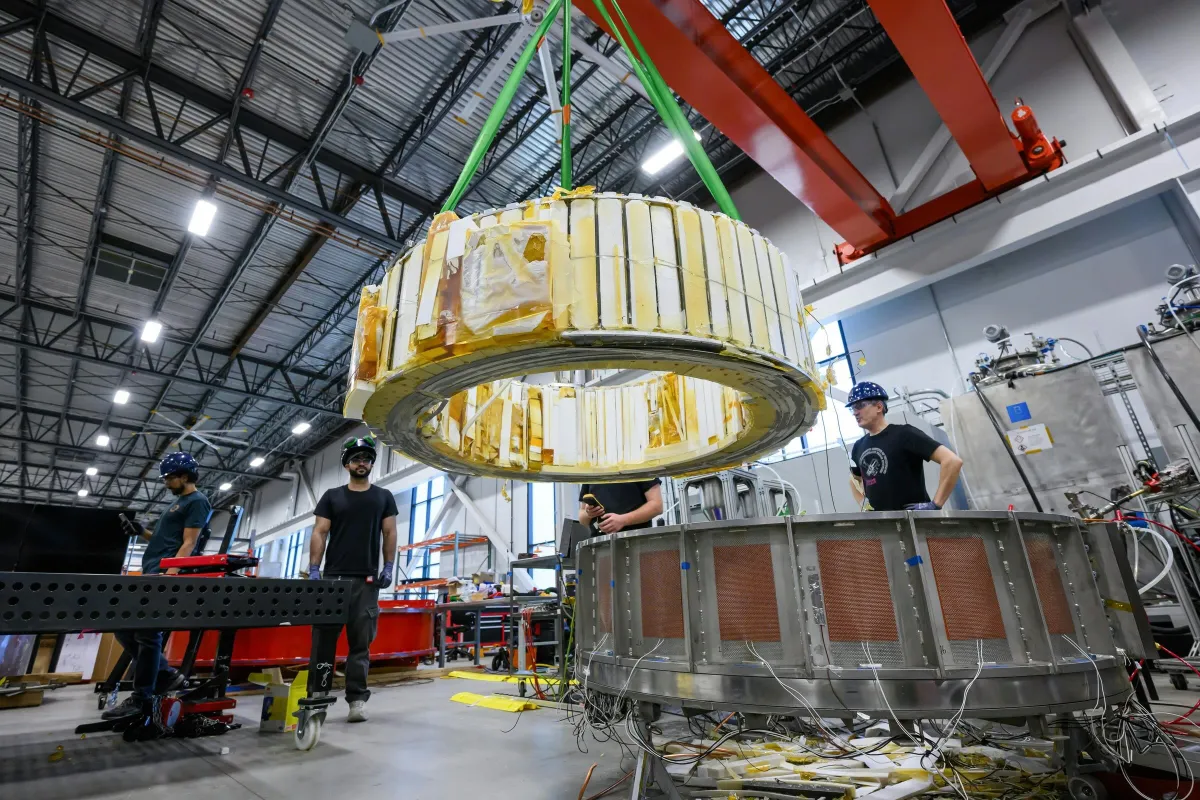
Commonwealth Fusion Systems has secured over $1 billion in power purchase agreements for its upcoming fusion reactor, Arc, expected to be operational in the early 2030s near Richmond, Virginia. The deal with Eni marks the second major agreement, following Google's purchase of half the reactor's output, and aims to establish a market for fusion energy while attracting further investment. The company is progressing with its demonstration reactor, Sparc, and aims to demonstrate the viability of fusion power as a clean energy source.
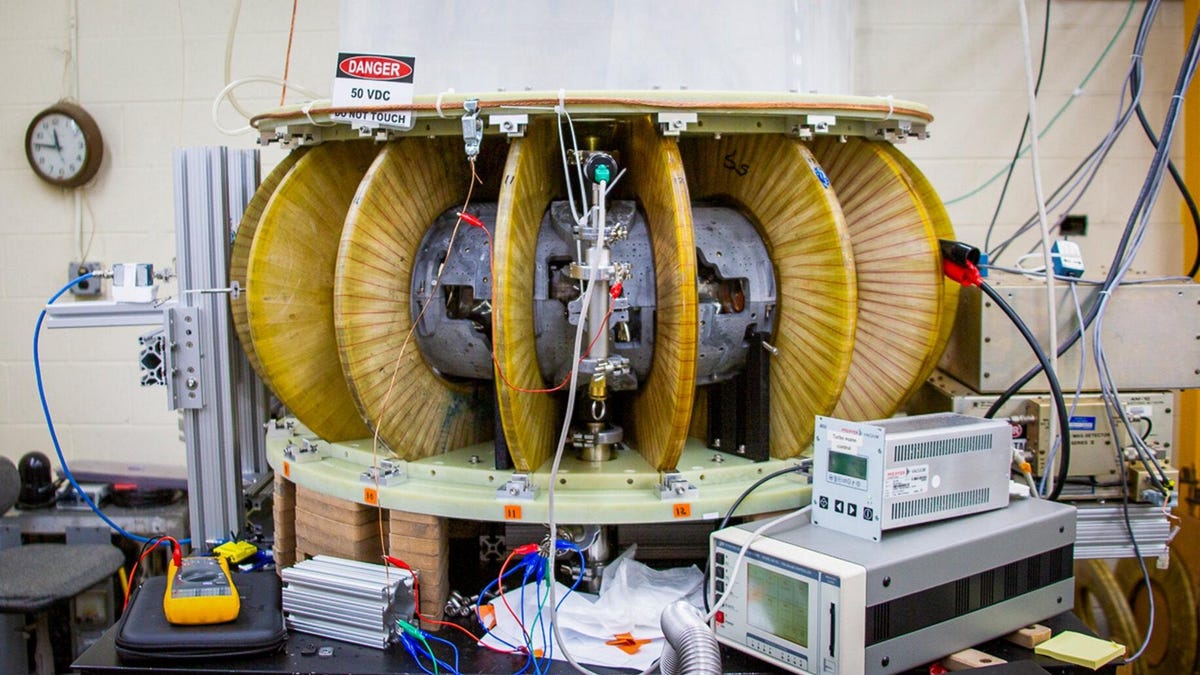
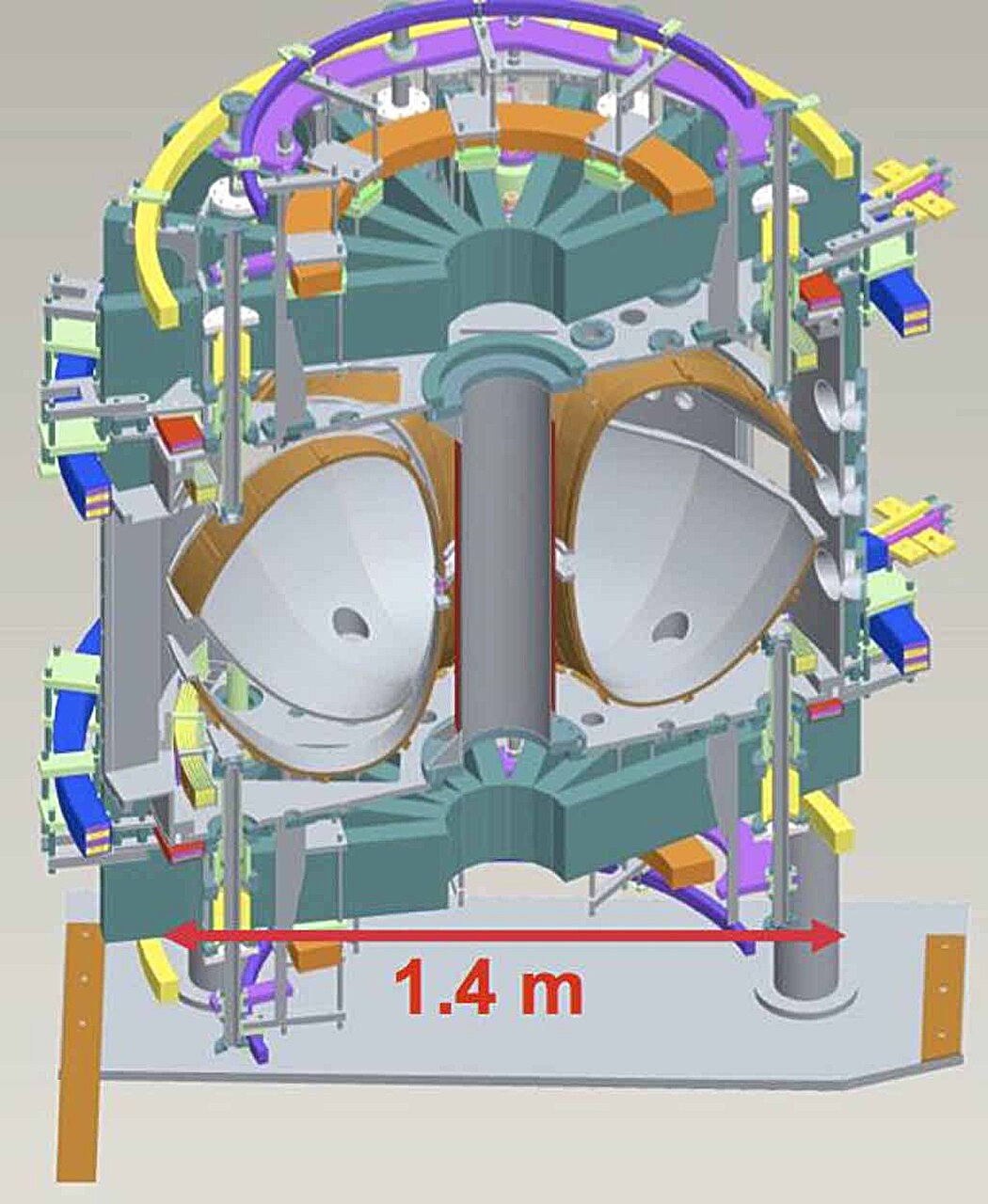
Physicists and engineers at Princeton University have built a twisting fusion reactor called a stellarator, named MUSE, using permanent magnets, which offers a potentially cost-effective method for constructing powerful machines. This new technique allows for quick testing of plasma confinement ideas and easy device construction. The use of permanent magnets eliminates the need for electric current to generate magnetic fields, making it easier for scientists to replicate experimental setups and perform high-temperature experiments, bringing us closer to the goal of usable and scalable fusion energy.
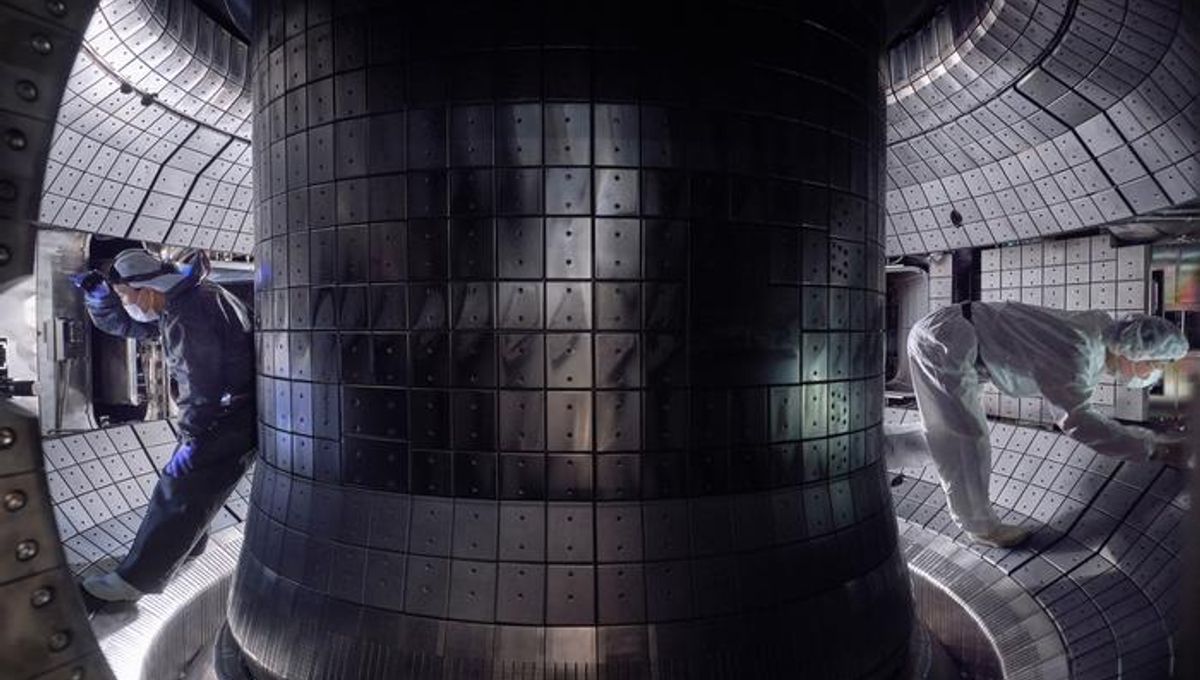
Korea's KSTAR fusion reactor has set a new record by sustaining a 100 million-degree plasma for almost 50 seconds, a leap of close to 20 seconds from its previous record. Upgrades to the reactor's components, including a new tungsten divertor, have contributed to this achievement, paving the way for the International Thermonuclear Experimental Reactor (ITER). The goal is to achieve 300 seconds of plasma operation with temperatures over 100 million degrees by the end of 2026, representing a monumental step towards the ultimate goal of generating sustainable fusion energy.
The Korean Fusion Reactor, KSTAR, has broken its own record by sustaining a temperature of 100 million degrees Celsius for 48 seconds and containing hot plasma in high-confinement mode for 102 seconds, marking significant progress in nuclear fusion research. The reactor, nicknamed the Korean artificial sun, aims to achieve 300 seconds of burning plasma by 2026 and is seen as a crucial step towards the development of full-scale nuclear fusion reactors like ITER and DEMO, which could potentially generate electricity and significantly more energy than they consume.
Scientists at PPPL have developed a method to manage plasma in fusion reactors by utilizing magnetic field imperfections, inspired by the Japanese art of Kintsugi. By tailoring magnetic field imperfections, they have enhanced plasma stability, paving the way for more reliable and efficient fusion power. This approach allows simultaneous control of instabilities in the core and edge of the plasma, a significant breakthrough in fusion research. The research has implications for future tokamak fusion pilot plants and is being extended to include an artificial intelligence version of the control system for greater efficiency.
Researchers at the U.S. Department of Energy's Princeton Plasma Physics Laboratory have determined the maximum density of neutral particles at the edge of a fusion plasma inside the Lithium Tokamak Experiment-Beta (LTX-β) before the edge starts to cool, potentially leading to stability problems. Their work aims to show that a lithium wall can enable a smaller fusion reactor with higher power density, ultimately leading to a cost-effective fusion power source for the power grid. The researchers are refining methods for retaining an even temperature across the plasma and are investigating the role of edge neutrals in achieving flat temperature profiles and managing tearing mode activity.
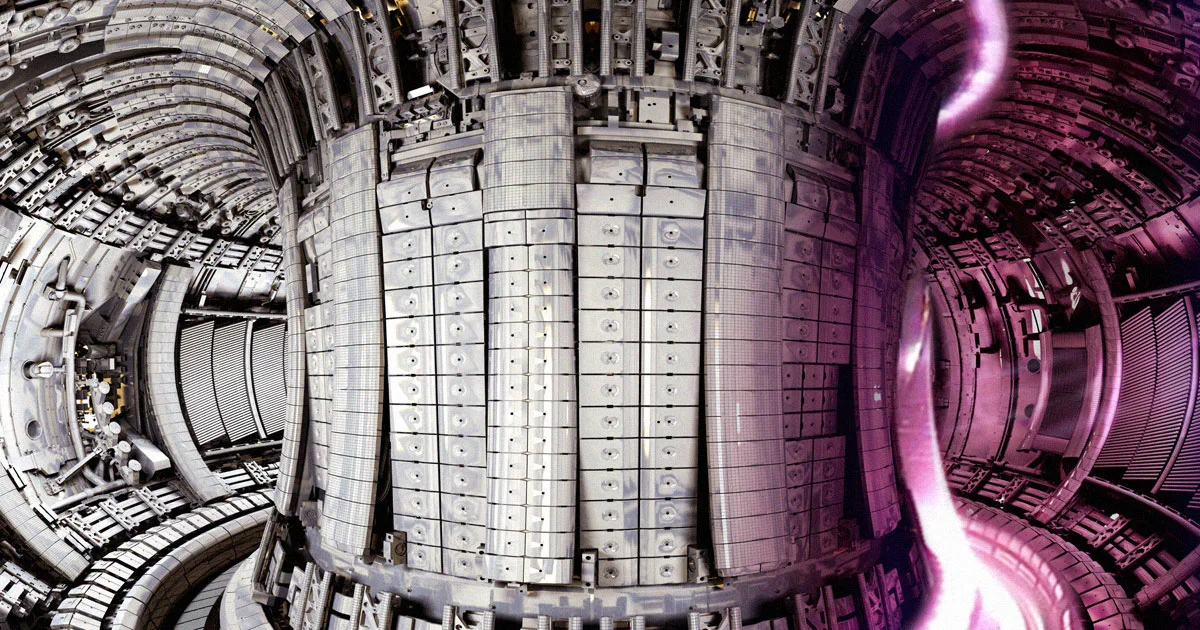
The Joint European Torus (JET) in the UK has achieved a new fusion energy world record, producing 69 megajoules in its final experiment after 40 years of research. Despite this milestone, the facility still falls short of achieving a net positive energy balance. The International Thermonuclear Experimental Reactor (ITER) in France, set to be JET's successor, aims to produce outputs of up to 700 megawatts, representing a significant step towards establishing reliable and renewable energy. While progress has been made, significant challenges remain in the quest for practical fusion energy production.
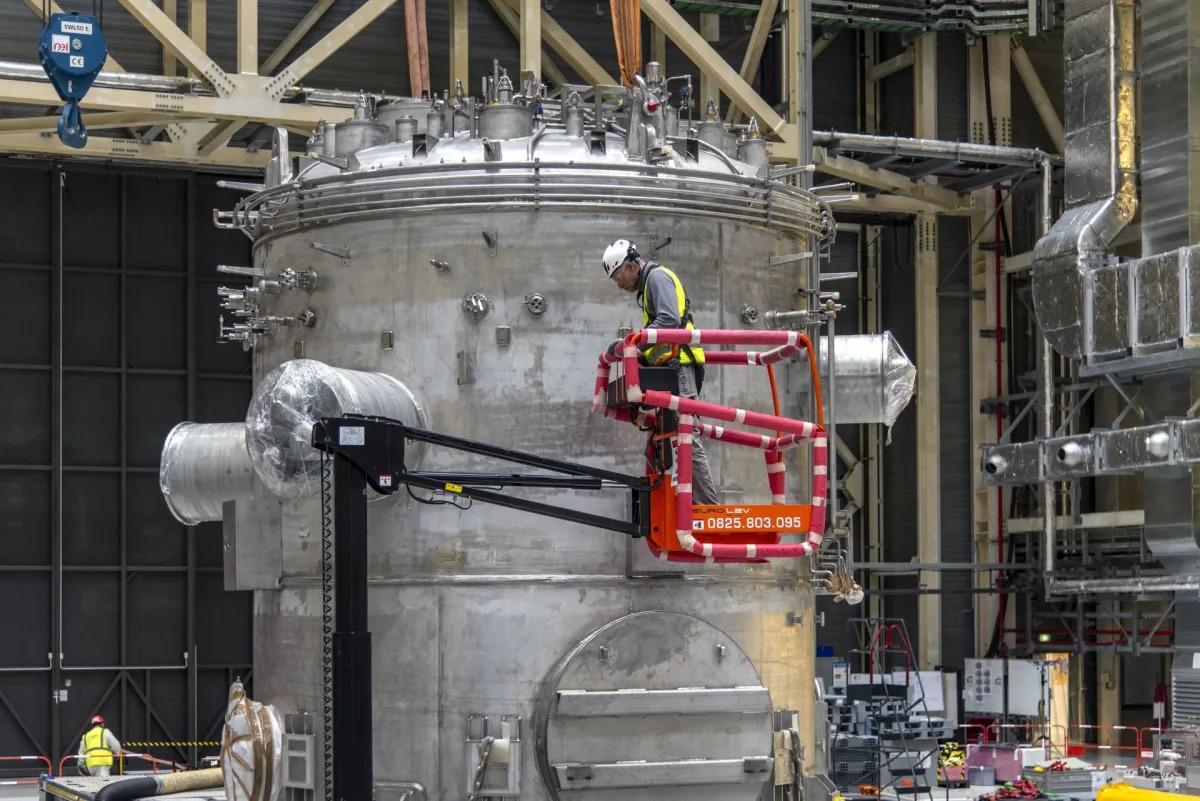
The International Thermonuclear Experimental Reactor (ITER) in southern France is working on harnessing fusion reactions to provide a cleaner alternative to fossil fuels and nuclear fission. Fusion, the same energy source that powers the sun, could potentially offer unlimited energy without producing radioactive waste. The project, which has faced setbacks and increased costs, aims to achieve fusion power by 2035. Meanwhile, American company Westinghouse is developing a small fission reactor set to go online in 2029, offering a portable and sustainable energy solution.
Engineers at the University of Wisconsin-Madison have developed a new material using a cold spray coating technology that can withstand the harsh conditions inside a fusion reactor. The material, a tantalum coating on stainless steel, has shown excellent performance in extreme fusion reactor conditions and has the unique ability to trap hydrogen particles. This discovery could lead to more efficient and compact fusion reactors that are easier to repair and maintain. The cold spray process also allows for on-site repair of reactor components, reducing costs and downtime. The researchers plan to use this material in the Wisconsin HTS Axisymmetric Mirror (WHAM) experiment, which aims to develop a next-generation fusion power plant.
Three rare white lion cubs are born at a zoo in Venezuela, marking the first white lions born in captivity in the country. Researchers discover spider pulsars that cause damage to their companion stars. Scientists propose the idea that we are living in a giant cosmic void, which could explain the Hubble tension. Japan inaugurates the world's largest experimental nuclear fusion reactor, aiming to generate carbon-free energy.
UK startup Astral Systems has developed a Multi-State Fusion (MSF) Reactor, a first-of-its-kind technology that can produce medical isotopes used in cancer diagnosis and treatment. The reactor has the potential to revolutionize targeted cancer therapy by effectively killing cancer cells during radiotherapy. Astral Systems aims to leverage nuclear medicine to save lives and directly treat tumors and cancerous cells at their source.
This article highlights 10 of the most complex machines ever built, including quantum computers, the Tokamak Fusion Test Reactor, the Z Machine, the Antikythera Mechanism, the James Webb Space Telescope, the International Thermonuclear Experimental Reactor (ITER), the Deepwater Horizon, the Apollo Guidance Computer (AGC), the International Space Station (ISS), and the Large Hadron Collider (LHC). These machines have pushed the boundaries of human knowledge and technological capabilities, enabling advancements in various fields such as computing, energy, space exploration, and particle physics.