Tag

Fertilization

All articles tagged with #fertilization

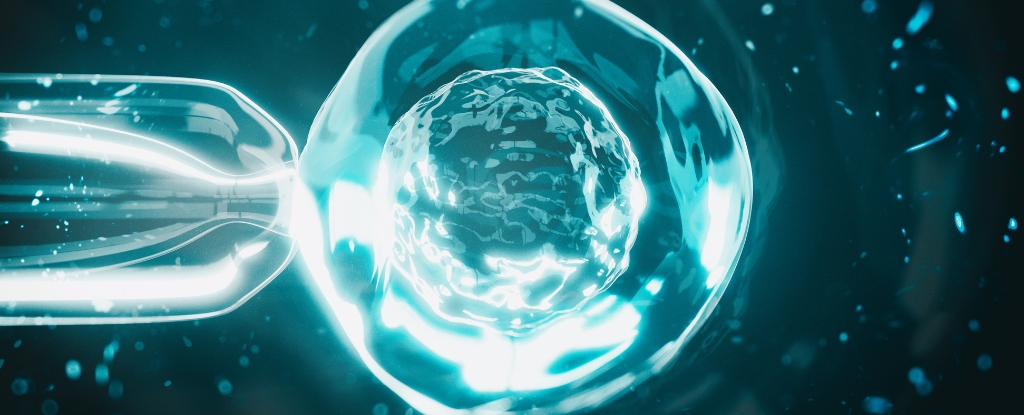
Scientists Create Human Eggs from Skin Cells in Breakthrough

Originally Published 3 months ago — by ScienceAlert

Featured image for Scientists Create Human Eggs from Skin Cells in Breakthrough
Source: ScienceAlert

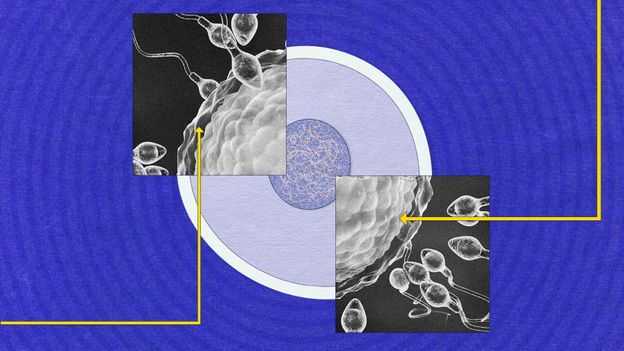
Scientists have successfully created fertilizable egg-like cells using DNA from human skin cells through a novel technique called mitomeiosis, marking a significant step in infertility research, though clinical applications are still at least 10-15 years away and face ethical and technical challenges.

Unraveling the Mysteries of Sperm

Originally Published 7 months ago — by BBC

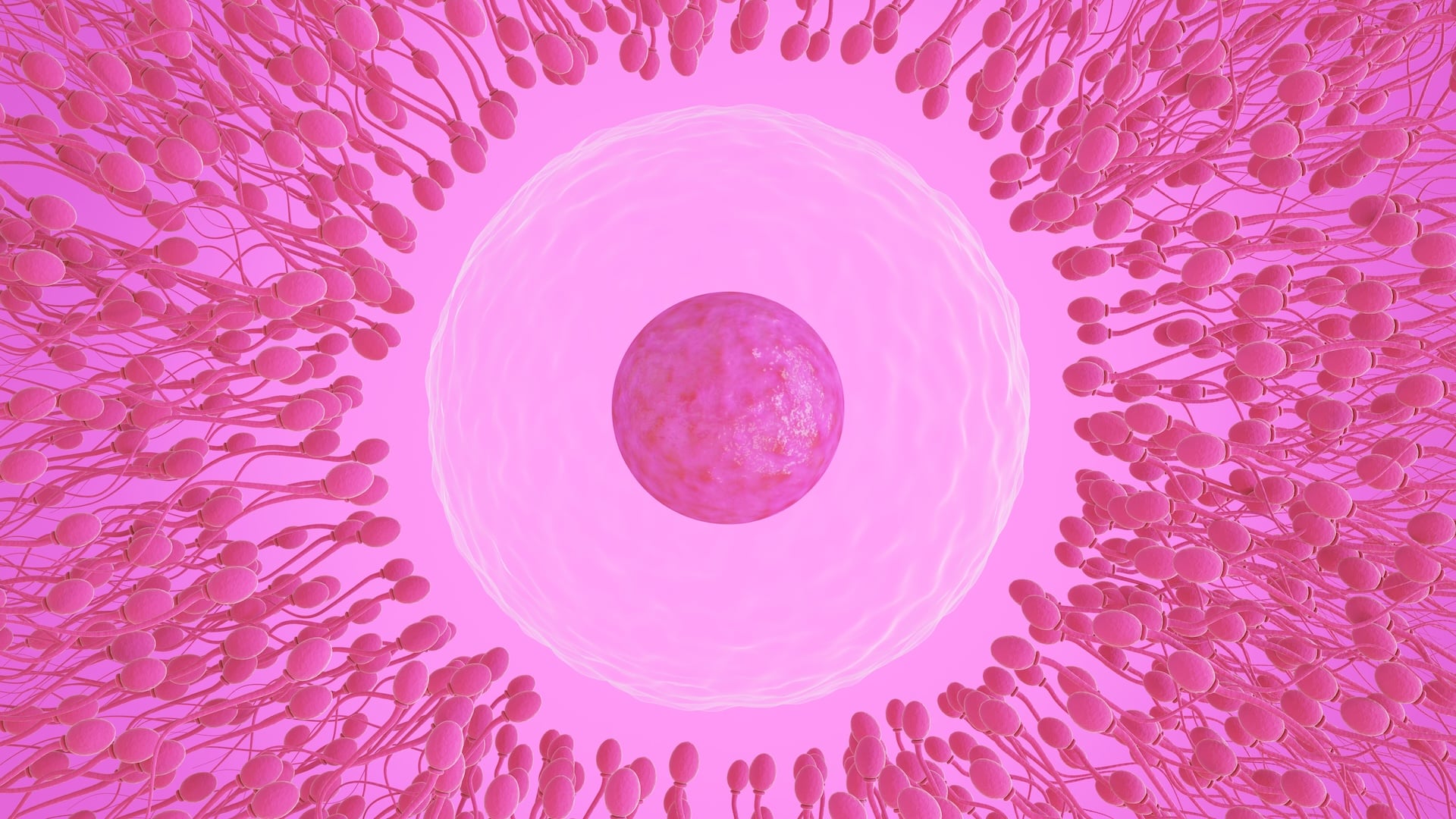
Featured image for Unraveling the Mysteries of Sperm
Source: BBC

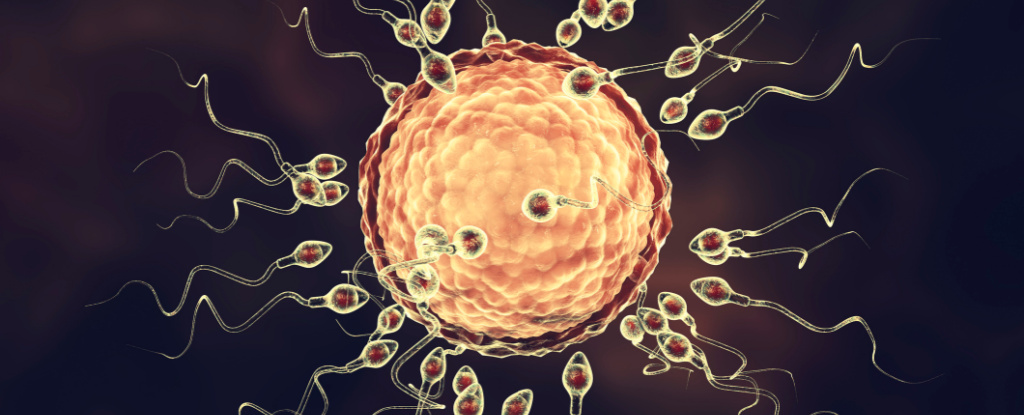
Scientists are still uncovering the mysteries of sperm, including how they swim, navigate, and interact with the female reproductive system. Advances in technology are revealing new insights into sperm structure, movement, and the influence of female evolution on sperm diversity, but many aspects remain poorly understood, highlighting sperm as one of the most complex and rapidly evolving cells.

"The Science Behind Conjoined Twins: Exploring Their Unique Lives and Challenges"

Originally Published 1 year ago — by WAVY.com

Featured image for "The Science Behind Conjoined Twins: Exploring Their Unique Lives and Challenges"
Source: WAVY.com

The recent deaths of the oldest living conjoined twins and the marriage of another pair have sparked interest in the causes of this rare phenomenon. Conjoined twins are born physically connected and may share organs or body parts. The development of conjoined twins in the womb is still not fully understood, with two main theories suggesting that a single fertilized egg does not fully split or that two fertilized eggs fuse together. The occurrence of conjoined twins is estimated to be rare, with the cause remaining unclear.

"Unveiling the Intriguing Dance of Fertilization: Simulated Insights"

Originally Published 1 year ago — by ScienceAlert

Featured image for "Unveiling the Intriguing Dance of Fertilization: Simulated Insights"
Source: ScienceAlert

Researchers from ETH Zurich and Ludwig Maximilian University of Munich have used simulations to reveal the intricate details of the protein complex JUNO-IZUMO1, which plays a crucial role in the fertilization process. The simulations showed that the complex is initially stabilized by short-lived and weak non-covalent interactions, and that the presence of zinc ions can bend IZUMO1 into a shape that hinders its binding to JUNO, potentially preventing other sperm from entering the egg. These findings provide new insights into the first moments of fertilization and could have implications for contraceptives and infertility.

Unveiling the Mystery: The Maternal Inheritance of Mitochondrial DNA Explained

Originally Published 2 years ago — by News-Medical.Net

Featured image for Unveiling the Mystery: The Maternal Inheritance of Mitochondrial DNA Explained
Source: News-Medical.Net

New research published in the journal Nature Genetics sheds light on why mitochondrial DNA (mtDNA) is exclusively inherited from the mother. While it was previously believed that paternal mtDNA was eliminated during fertilization, the study found that mature sperm lack intact mtDNA and a protein essential for mtDNA maintenance. The researchers speculate that this may be due to the high energy usage of sperm during fertilization, which could lead to the accumulation of mtDNA mutations. In contrast, developing eggs primarily draw energy from surrounding cells, maintaining relatively pristine mtDNA. Understanding the role of mtDNA in sperm maturation and fertilization could have implications for treating infertility disorders and improving assisted reproductive technologies.

Mitochondrial DNA missing in mature sperm, study reveals

Originally Published 2 years ago — by Phys.org

Featured image for Mitochondrial DNA missing in mature sperm, study reveals
Source: Phys.org

A new study has found that mature sperm lack intact mitochondrial DNA (mtDNA), which is exclusively passed down by the mother. While sperm cells do carry a small number of mitochondria, they do not contain mtDNA. This discovery has important implications for human fertility and germ cell therapy, as understanding the role of mtDNA during sperm maturation and fertilization could potentially lead to advancements in treating infertility disorders and increasing the efficiency of assisted reproductive technologies.