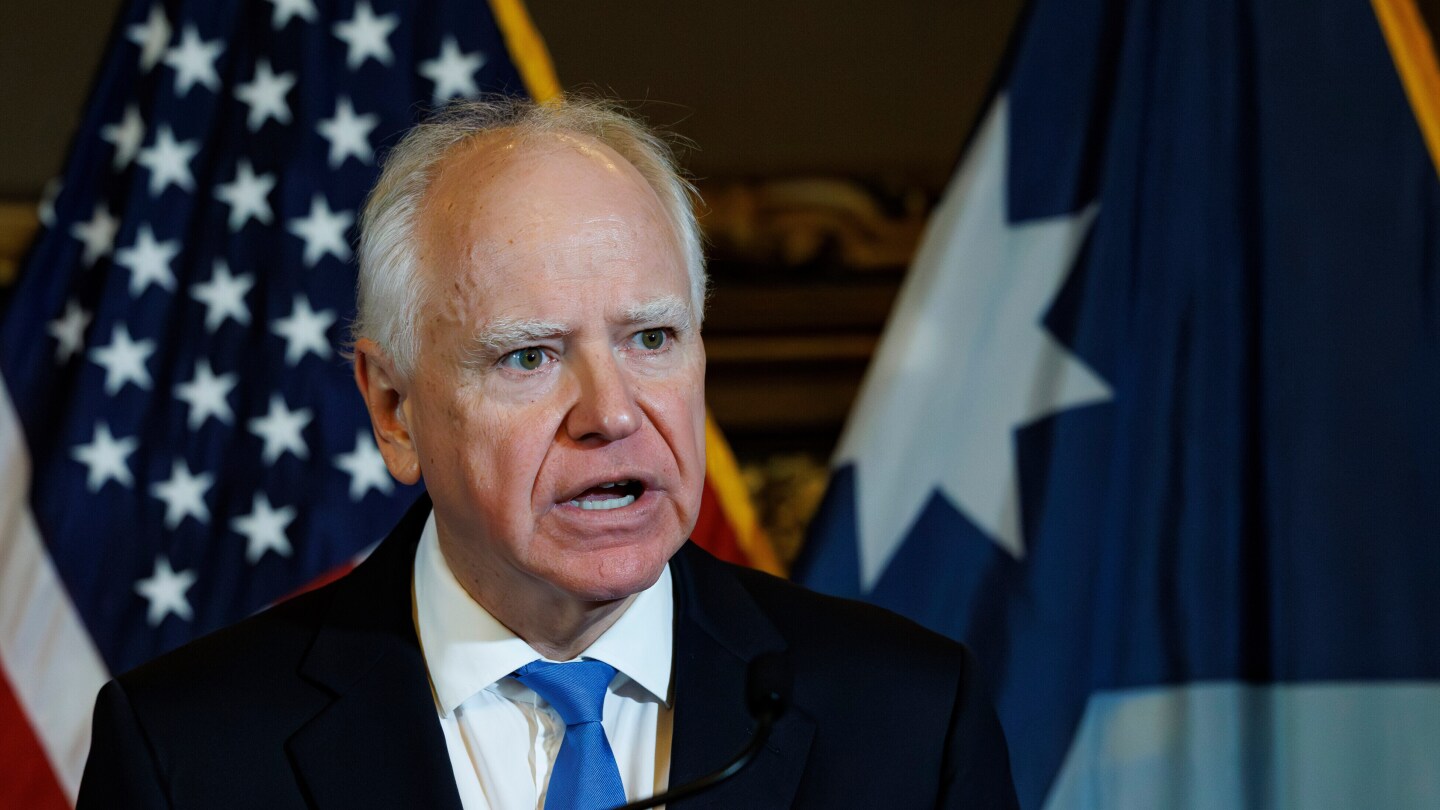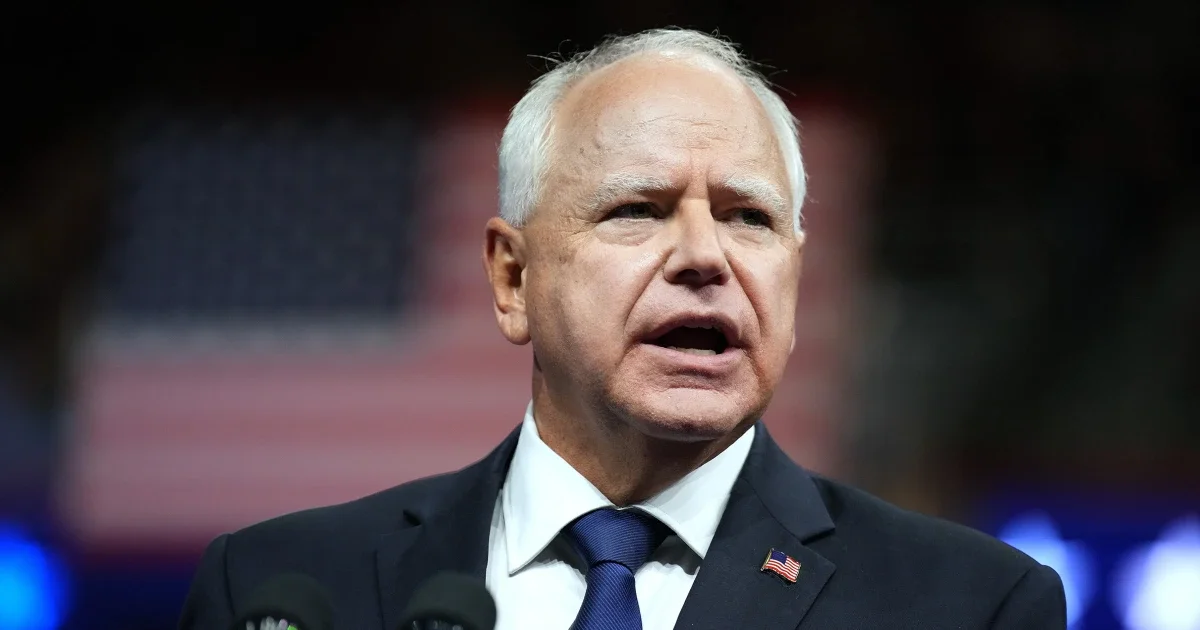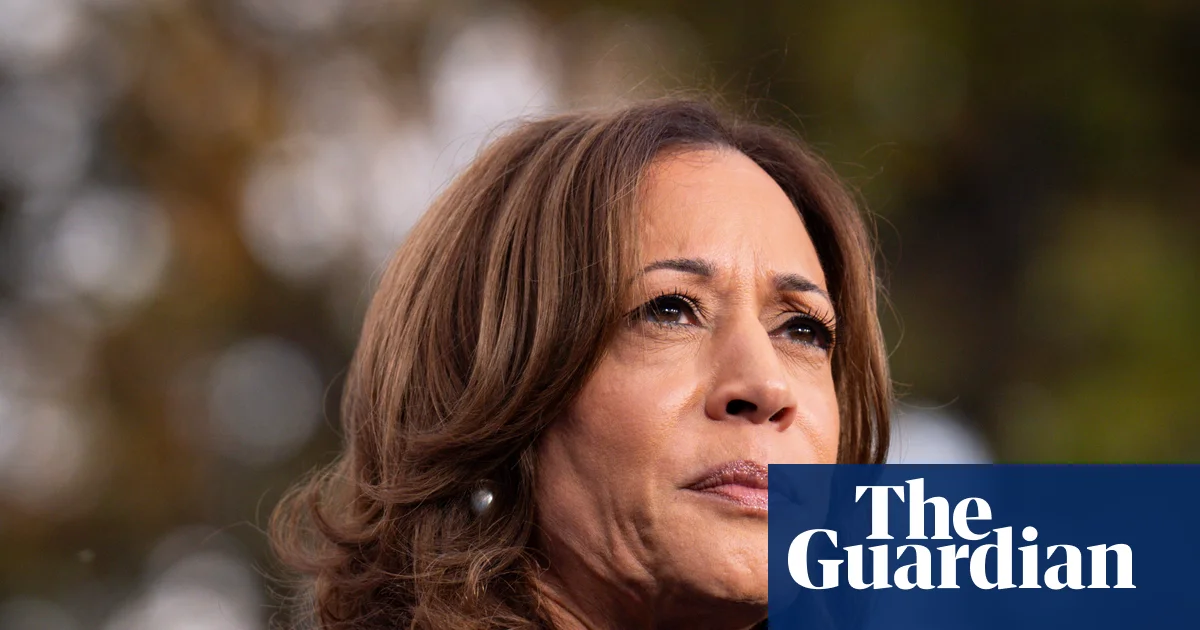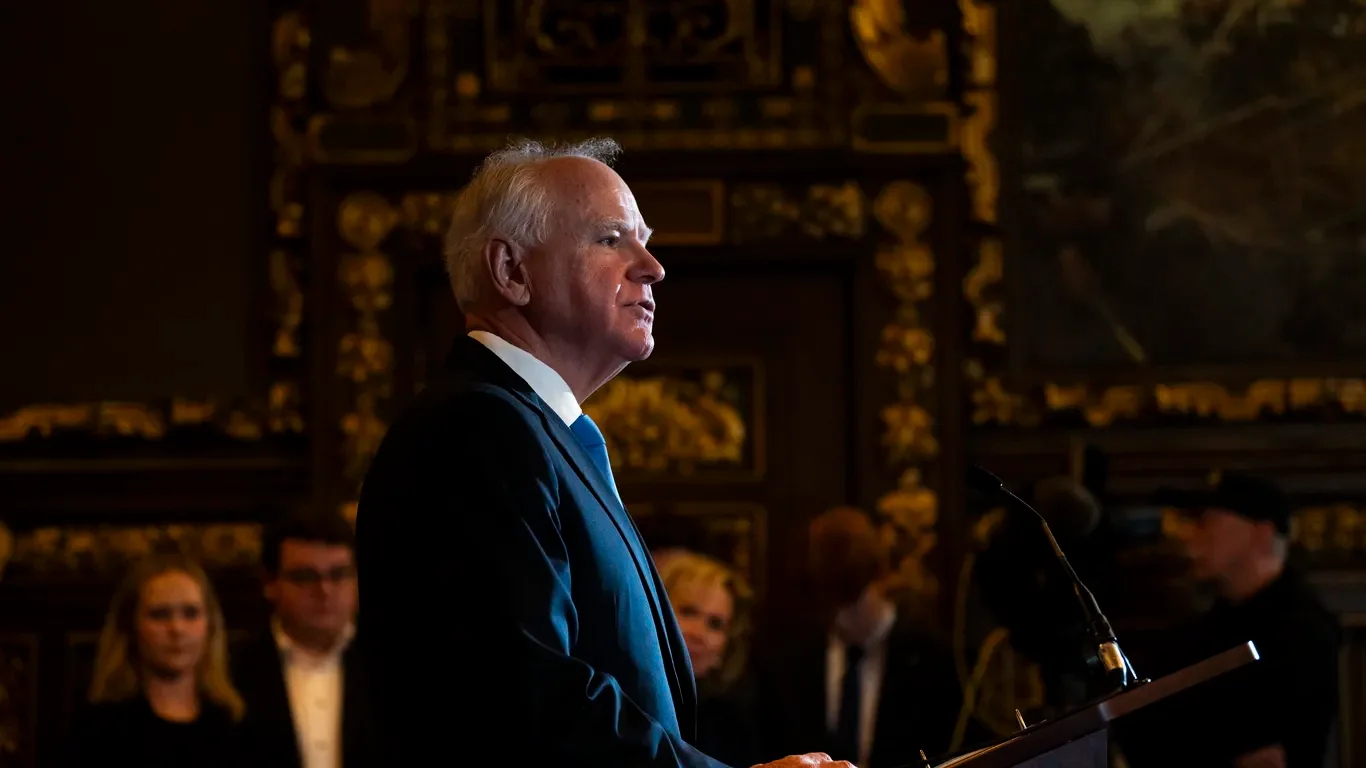
Tim Walz, the Minnesota governor and former vice presidential candidate, is ending his political career amid scandal, personal burnout, and political feuds, including a fallout with Kamala Harris and controversy over social services fraud in Minnesota, which has also impacted his reelection prospects and potential 2028 presidential run.
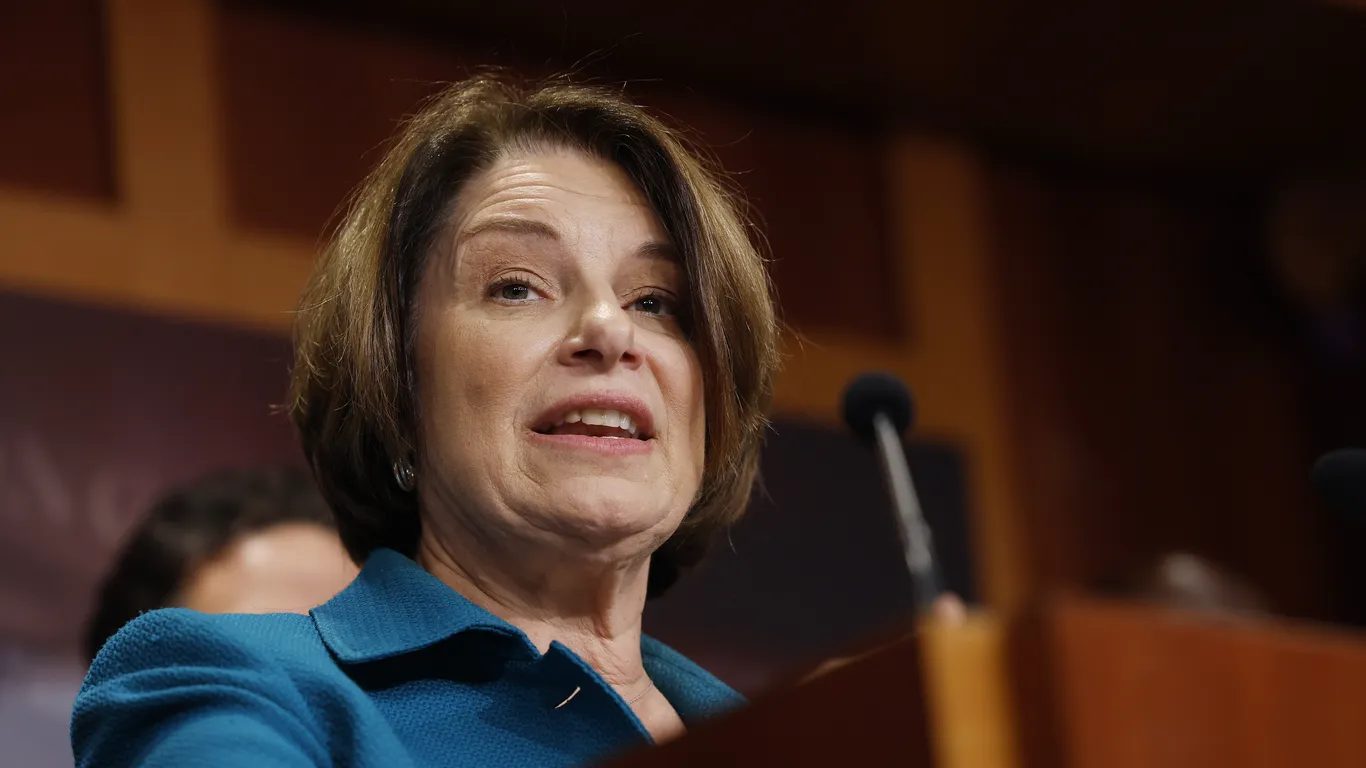
U.S. Senator Amy Klobuchar is seriously considering running for Minnesota governor in 2024, especially after Governor Tim Walz announced he will not seek a third term. Her potential candidacy has generated significant buzz, with many insiders expecting her to enter the race, which could make her the first female governor of Minnesota. Her entry might influence the Democratic primary and impact other candidates' decisions.
Minnesota Governor Tim Walz has dropped his bid for a third term, citing negative attention and Republican attacks related to a fraud investigation into state programs and the Somali community, focusing instead on his duties for the upcoming year amid a competitive gubernatorial race.
Minnesota Governor Tim Walz announced he is dropping his re-election bid, citing the focus on addressing fraud allegations in the state and political distractions, and will not seek a third term, creating a vacancy that may lead Senator Amy Klobuchar to consider running for governor.
Retired military officer Shawn Harris, initially planning to challenge Marjorie Taylor Greene, now awaits the Republican Party's decision after Greene's resignation. Harris emphasizes his centrist stance, military experience, and focus on economic and agricultural issues in Georgia's 14th district, highlighting the political and electoral dynamics in a key battleground.
Following the 2024 election, states that voted on abortion rights have seen mixed results, with some expanding access and others facing ongoing legal battles and restrictions, highlighting the ongoing flux in U.S. reproductive law and the potential for further changes in upcoming elections.
Next year's primaries will serve as a battleground for both Democrats and Republicans to define their future strategies, leadership, and ideological directions, with significant implications for the 2024 and 2028 presidential races, amid internal divisions, loyalty to Trump, and generational shifts.
The article discusses how Donald Trump's presidency has negatively impacted the Republican Party's prospects for the upcoming midterm elections, with declining approval ratings, internal party dissent, and a shift in voter sentiment favoring Democrats, suggesting a bleak outlook for Republicans in 2026.
The article outlines five key turning points over the past year that have led to a deepening internal conflict within the MAGA movement, highlighting ideological splits over foreign policy, cultural issues, and extremism, which threaten to reshape the future of American conservatism beyond Trump's influence.
Senator Cynthia Lummis of Wyoming announced she will not seek re-election in 2024, citing exhaustion after her first term since 2020, and plans to focus on legislation and supporting Republican control in the Senate. She has been a key figure in digital currency and AI regulation, and her successor is expected to be Rep. Harriet Hageman, a fellow Republican.
The Democratic National Committee has decided not to release a detailed review of their 2024 election loss, citing it as a distraction and focusing instead on implementing lessons learned to improve future wins. The review, which covered issues like organizing, communication, and spending, has been completed but will not be made public, with the party emphasizing ongoing efforts to succeed in upcoming elections.
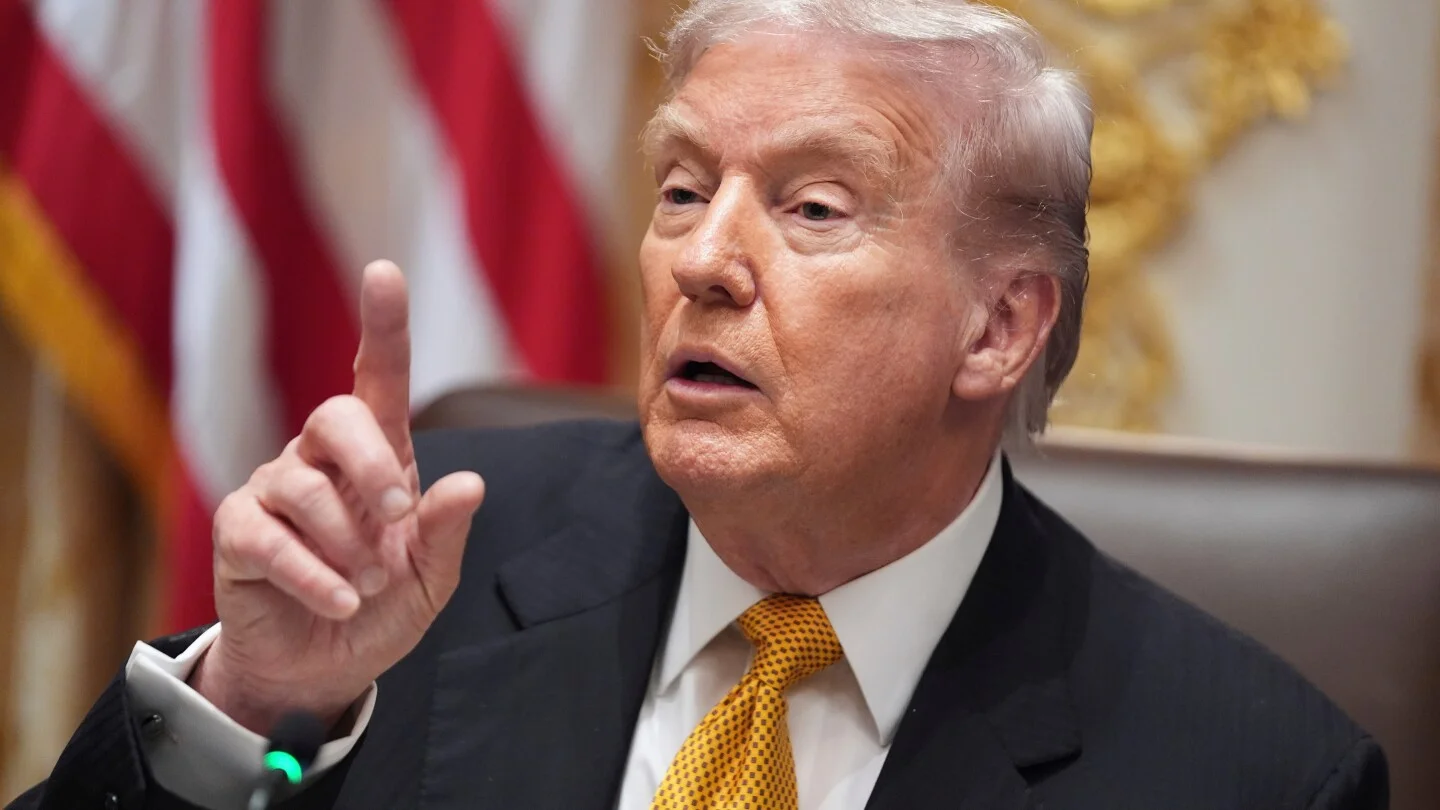
In his year-end address, Trump announced $1,776 bonuses for military members, claimed to have reduced prices and inflation, and made several misleading or false claims about the economy, healthcare, immigration, and gas prices, while also touting an upcoming economic boom and his administration's achievements.
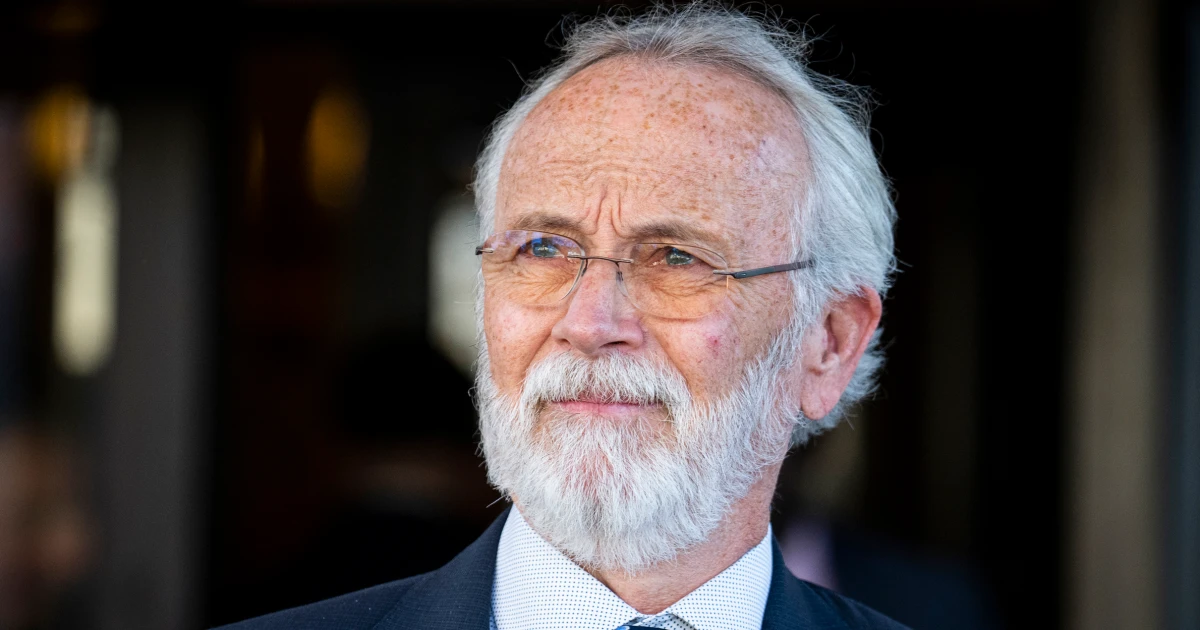
Rep. Dan Newhouse, one of the last House Republicans to vote for Trump's impeachment, announced he will not seek re-election in 2024, citing gratitude for his service and looking forward to new ways to serve. His decision comes as the district remains solidly Republican, with a primary race involving Trump-backed candidates and others criticizing his impeachment vote.
Polymarket, founded by college dropout Shayne Coplan, is a prediction market platform that allows users to bet on various current events, including elections and cultural phenomena. It has gained significant backing, including from the NYSE, and is valued at $9 billion, with plans to reach a billion users. Despite regulatory challenges and criticism, it leverages crowd wisdom to predict outcomes more accurately than traditional polls.
The article reviews recent outlandish and often unfeasible ideas proposed by President Trump, including 50-year mortgages, tariff checks, air traffic controller bonuses, and other controversial or impractical policies, highlighting the mixed progress and setbacks in their consideration.