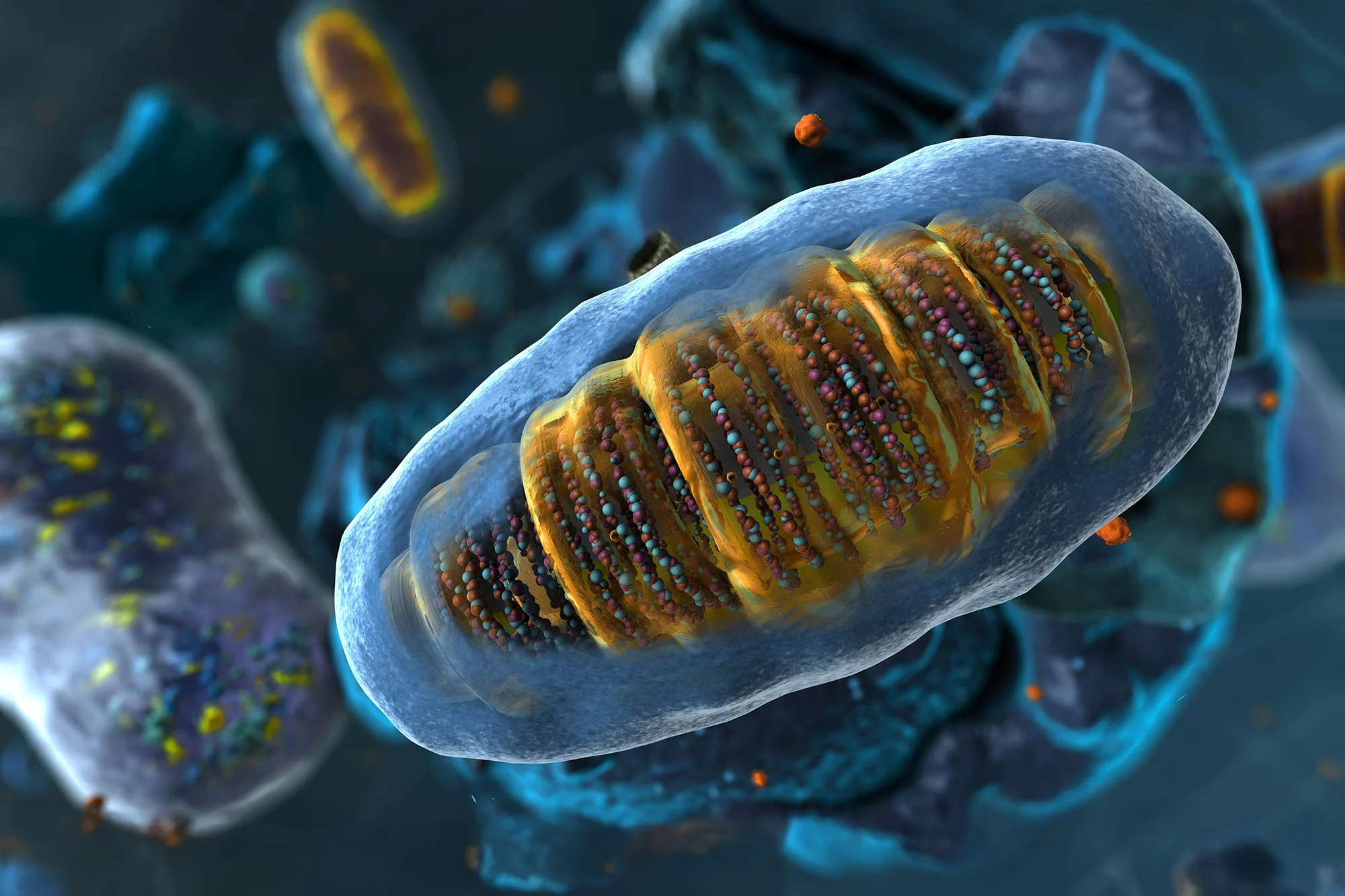
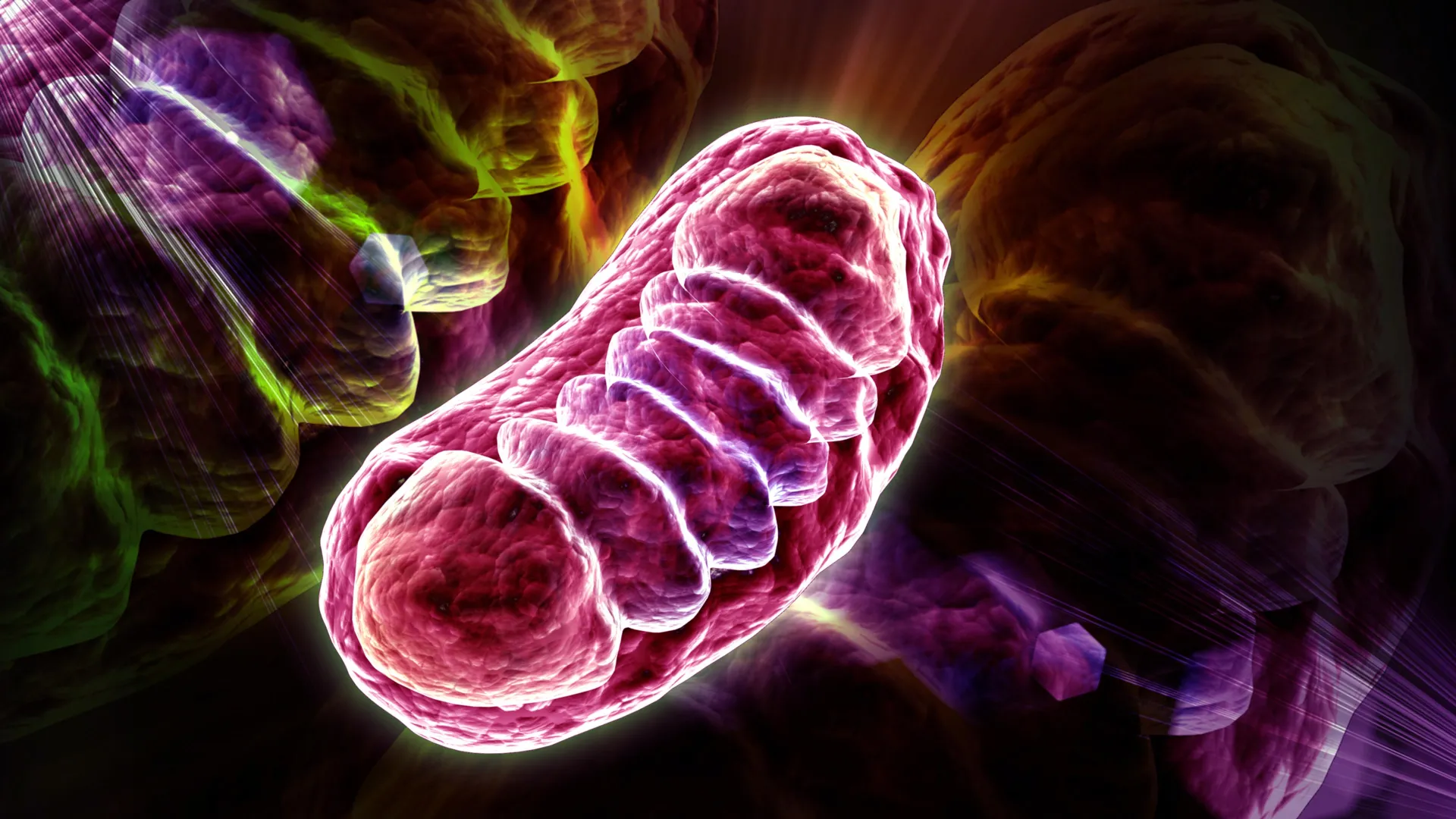
Scientists discovered that the amino acid leucine enhances cellular energy by protecting mitochondrial proteins from degradation, thereby improving mitochondrial efficiency and energy production, with implications for health and disease treatments.
Scientists have discovered that the amino acid leucine enhances mitochondrial energy production by stabilizing key proteins on the organelle's outer membrane, which could have implications for treating metabolic disorders and cancer.
High-protein diets, popular in diets like paleo and keto, may be linked to atherosclerosis and cardiovascular disease due to the amino acid leucine, according to a study in Nature Metabolism. The study found that high-protein intake led to increased activation of inflammatory cells, which can cause atherosclerosis. Leucine, predominantly found in animal proteins, was identified as a key culprit. The findings suggest that a balanced diet and considering calorie intake may be important in mitigating potential harm from high-protein diets, and plant-based sources of protein may be a healthier option.