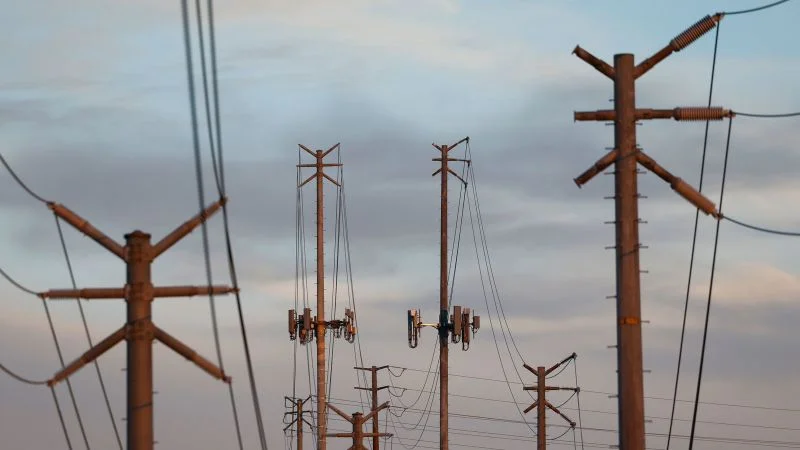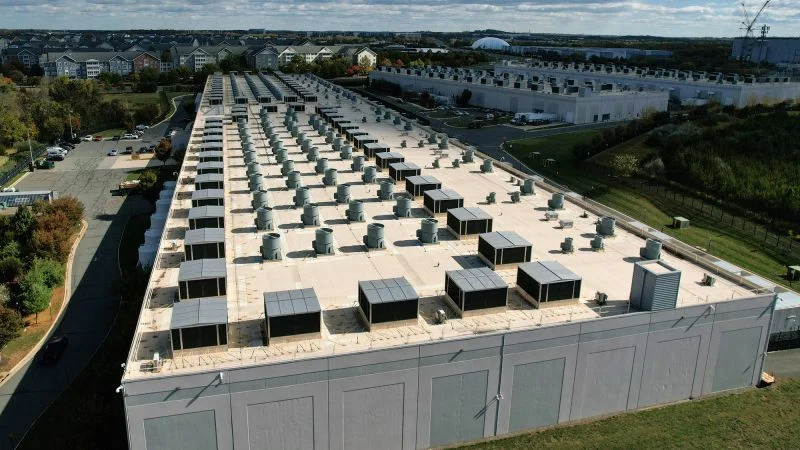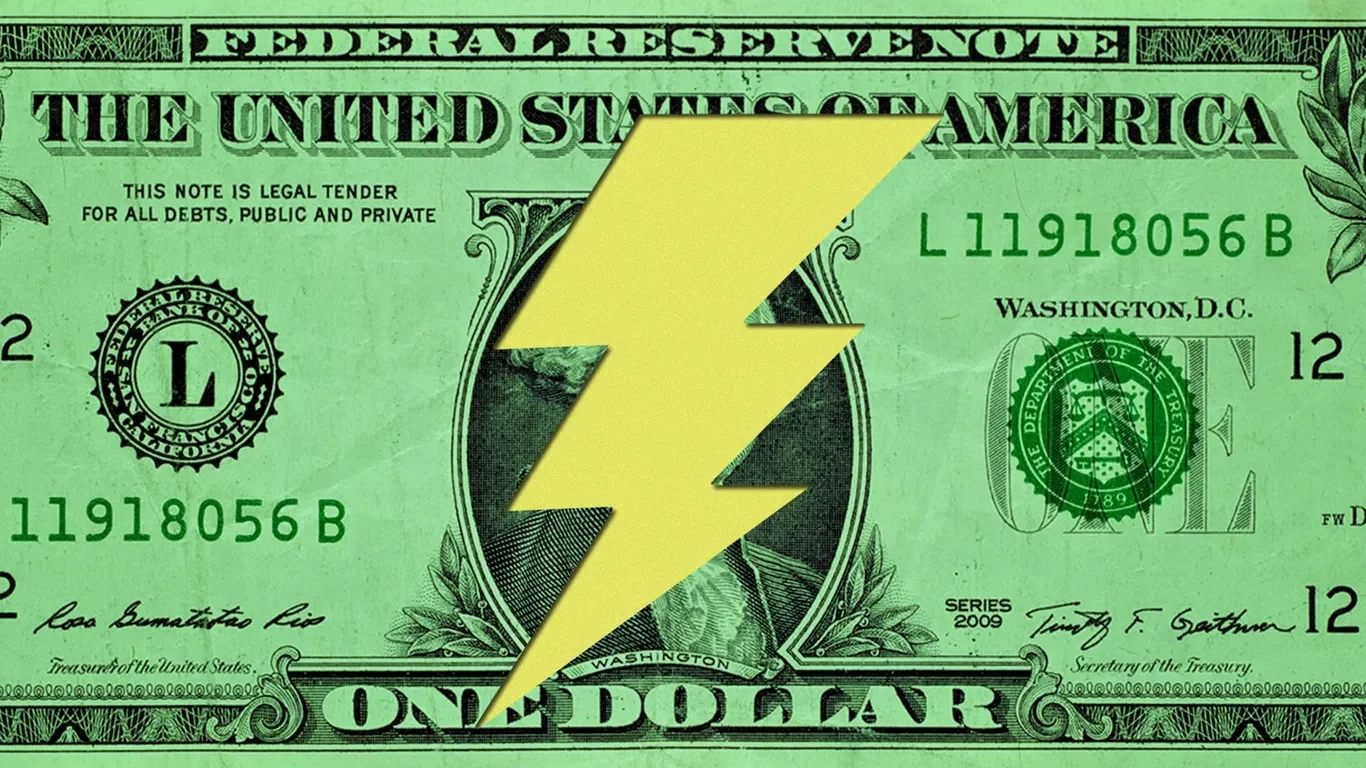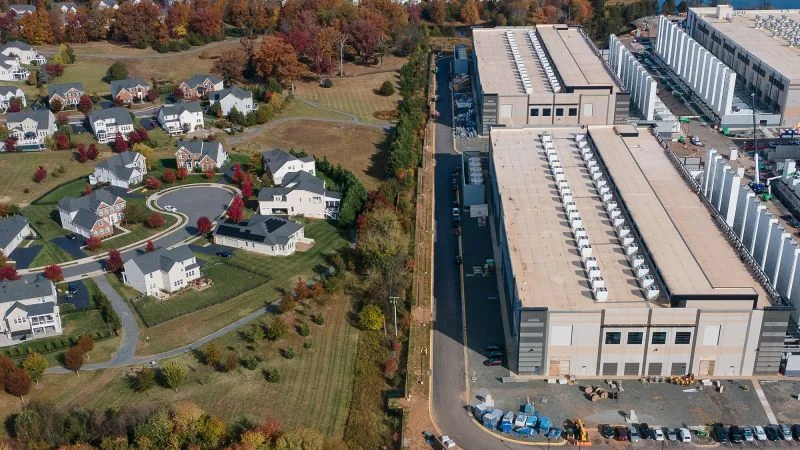
While U.S. residential electricity bills have surged by 25% since 2020, data centers and commercial users are paying relatively low prices despite increased energy consumption, highlighting a growing inequality and a K-shaped economic trend. This disparity is driven by complex rate structures and negotiations favoring large consumers, leaving individual households, especially low-income ones, bearing the brunt of rising costs, which can impact health, economic stability, and climate adoption efforts.
Venture capitalist Alex Davis warns that excessive, unguaranteed data center construction could lead to a financing crisis and increase stress on the system, highlighting concerns about the political and economic impact of data centers amid AI industry growth.
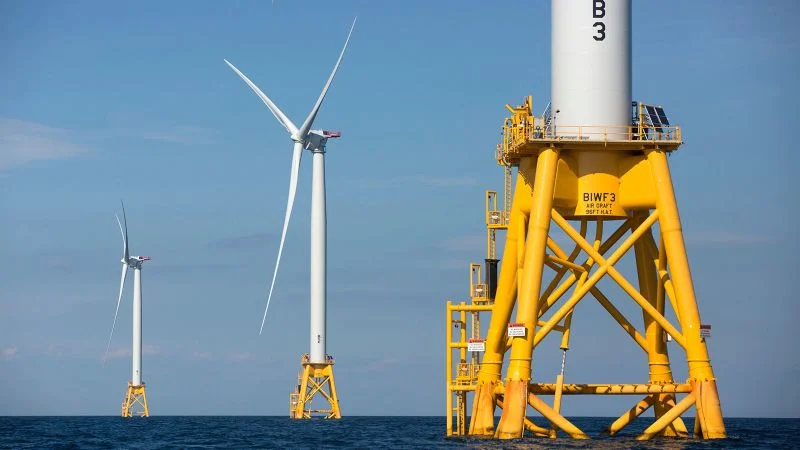
President Trump’s decision to pause five offshore wind projects has sparked concern among allies and critics, as it threatens to increase electricity prices, hinder energy development, and complicate legislative efforts on permitting reform, amid ongoing debates over energy security and environmental policies.
Residents in mid-Atlantic states face persistently high electricity bills driven by increased demand from data centers, with prices expected to remain high due to supply shortages and infrastructure costs, and no immediate relief in sight.
Residents in mid-Atlantic states face rising electricity bills driven by increased demand from data centers and a supply shortage, with prices expected to remain high for years due to infrastructure challenges and market dynamics, prompting calls for reform and investment.
Ohio's electric bills are expected to rise due to a shortfall in power supply caused by high demand from data centers and AI growth, with capacity costs surging and auction results hitting maximum prices, raising concerns about affordability and reliability.
This winter, U.S. households are expected to spend an average of $995 on home heating, an increase of $84 from last year, driven by colder weather, rising electricity costs, and increased demand from AI data centers, with electric heating costs potentially reaching $1,233 and natural gas heating around $704.
Democratic senators are investigating whether major tech companies are passing the high energy costs of their data centers onto American consumers, amid concerns over rising electricity bills, environmental impact, and lack of transparency and regulation. They seek more information from companies like Google, Microsoft, Amazon, and Meta, and highlight the growing energy consumption and climate costs associated with data centers.
Rising electricity prices, driven mainly by the expansion of AI data centers, are causing political backlash in the US, with Democrats criticizing the current administration and local officials demanding that the tech industry bear more of the costs for the increased energy demand, amid broader debates over energy policies and affordability.
Democratic senators blame the White House's support for AI data centers and opposition to renewable energy for rising electricity prices in the U.S., urging transparency and action to protect consumers amid expanding tech infrastructure and energy policies.
Electricity prices have risen 40% since 2020 due to increased demand from AI data centers, higher natural gas costs, and grid upgrades, impacting consumers especially those on fixed incomes, with potential solutions including demand management and regulatory adjustments.
Despite rising electricity bills in the US, the increase isn't primarily due to data centers, which are often blamed for high energy consumption, but the article suggests other factors are at play.
U.S. electricity prices have surged by 43% since 2019 due to factors like AI-driven data centers, reshoring manufacturing, and increased renewable energy, prompting calls for investment in firm power sources such as nuclear and natural gas. Key stocks in the sector, including GE Vernova, Centrus Energy, Oklo, and BWX Technologies, have seen significant gains, with a focus on stabilizing and modernizing the grid to reduce costs and support economic growth.
US power bills have surged over 30% since 2020 due to rising demand, fuel prices, inflation, and infrastructure delays, impacting households especially low-income ones, but long-term trends like electrification and efficiency improvements may reduce overall energy spending in the future.
H.C. Wainwright raised its price target on Plug Power to $7 from $3, citing rising electricity prices that could make green hydrogen more competitive, alongside recent operational milestones and strategic expansions, despite profitability challenges and trading above fair value.