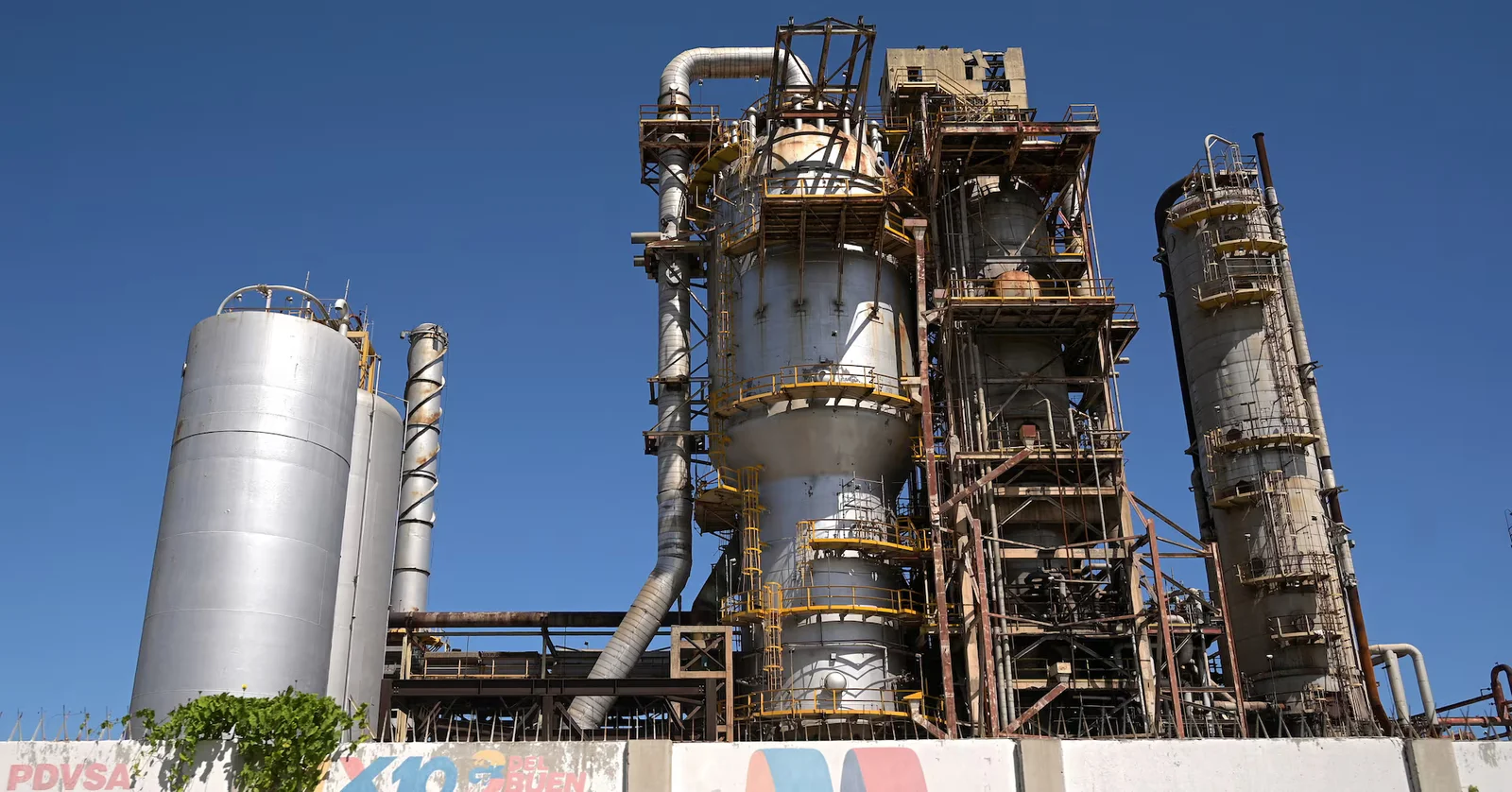
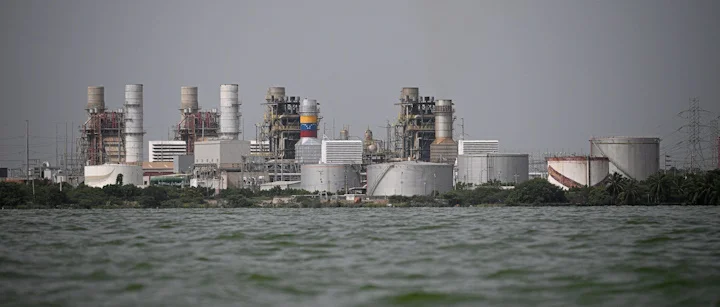
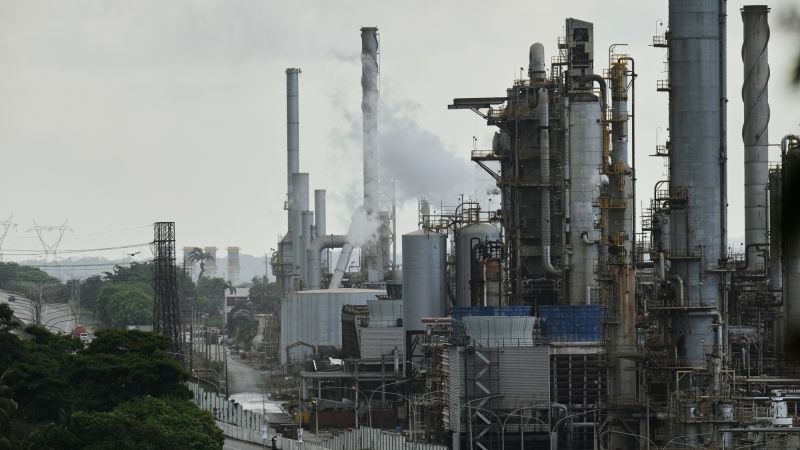
The article explores the history of Venezuela's oil industry, its geopolitical significance, and recent US efforts to regain control of Venezuelan oil following the country's political turmoil and infrastructure decline, highlighting the complex history and strategic importance of Venezuelan oil for the US.
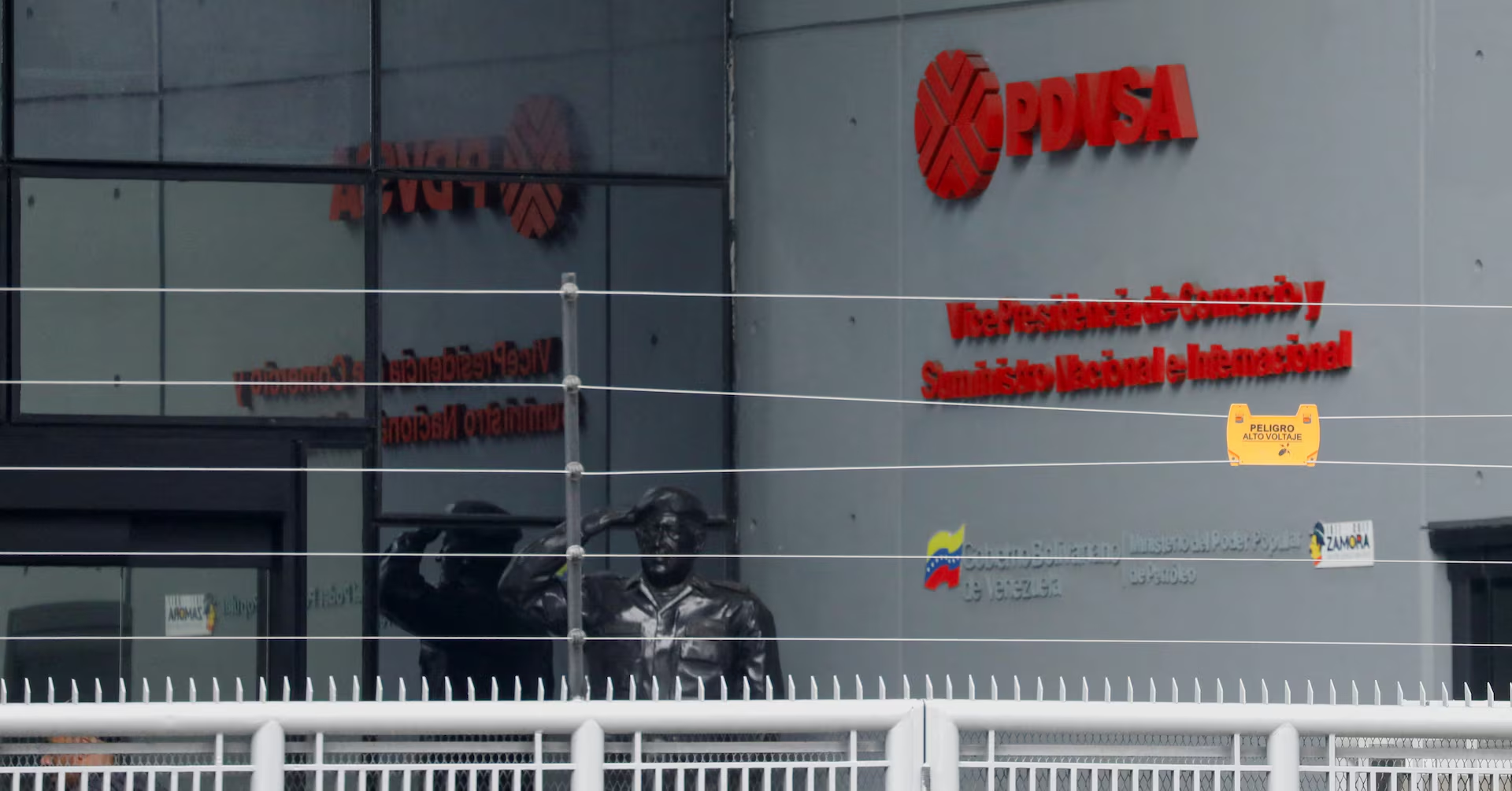
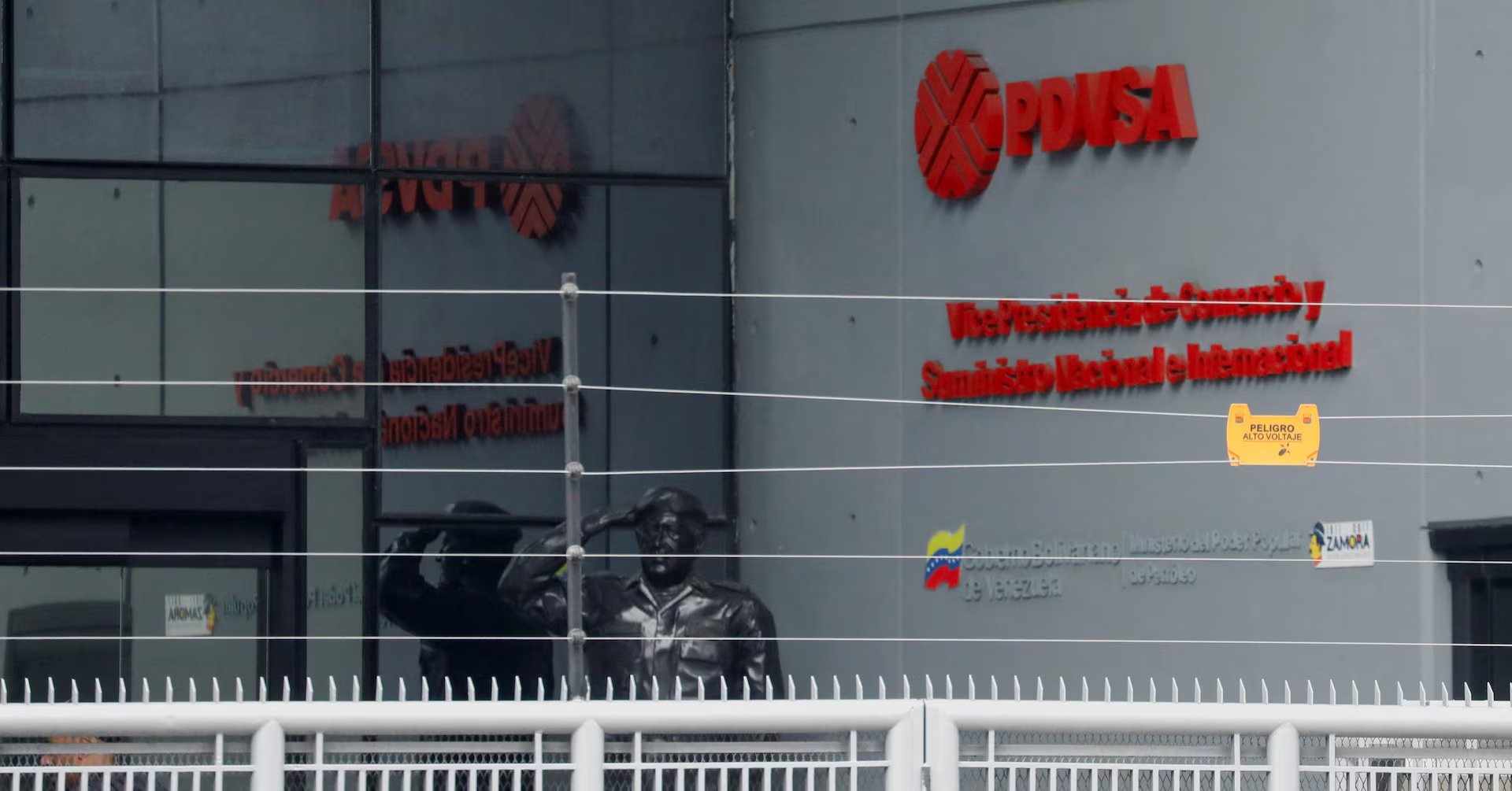
The arrest of Nicolás Maduro has raised questions about control over Venezuela's oil industry, which is primarily managed by the state-owned PDVSA, with potential influence from U.S., Russian, and Chinese companies. Political instability and sanctions have severely impacted production and exports, and any regime change could further disrupt the industry. While some companies like Chevron are positioned to benefit from a more pro-U.S. government, the long-term recovery of Venezuela's oil sector faces significant physical and financial challenges.
A U.S. judge upheld the validity of Venezuelan state oil company PDVSA's 2020 bonds, which are secured by a stake in Citgo, amid ongoing legal disputes and an auction process for Citgo's assets, impacting the future of the U.S. refiner and its creditors.
A U.S. federal judge upheld the validity of bonds issued by Venezuela's PDVSA, securing creditors' claims on Citgo, its U.S. refining subsidiary, which poses a significant risk to Citgo's future and Venezuela's assets abroad amid ongoing legal disputes.
Venezuela's state oil company PDVSA is preparing to resume operations under previous US licensing terms once US authorizations for partners like Chevron are reinstated, potentially allowing Venezuela to secure vital revenue through oil exports and swaps, amid ongoing political and economic negotiations.
Taskin Torlak, a Turkish national, was arrested in Miami for allegedly conspiring to violate U.S. sanctions by smuggling Venezuelan oil for the benefit of Venezuela's state-owned company, PdVSA. The scheme involved deceptive practices such as re-naming and re-flagging tankers to evade detection. Torlak and his co-conspirators reportedly received millions from PdVSA and concealed the transactions from U.S. financial institutions. The case is being prosecuted by the U.S. Department of Justice, with investigations led by Homeland Security Investigations Washington D.C.
Venezuela's loss of a key U.S. license allowing oil exports is expected to impact the volume and quality of its crude and fuel sales, prompting a rush for individual U.S. deal authorizations. The move marks a setback from President Joe Biden's policy of re-engagement with Maduro but stops short of a return to the "maximum pressure" campaign under former President Donald Trump. The withdrawal of the license could force Venezuela's state company PDVSA to resort to selling oil through intermediaries, eroding its finances further and limiting access to hard currency.
Indian refiners, including Reliance, have resumed purchasing Venezuelan oil through intermediaries, with Reliance planning to discuss direct sales with state firm PDVSA. This comes after the temporary lifting of U.S. sanctions on Venezuela, leading to increased spot sales of crude and fuel. India, which last imported Venezuelan crude in 2020, aims to reduce its reliance on the Middle East and potentially lower import costs by accessing Venezuela's heavy oil. Three Indian refiners have already bought around 4 million barrels of Venezuelan crude for February delivery. While no cargoes have reached India yet, vessels are expected to depart in December.
Venezuelan state-run oil company PDVSA has started reaching out to customers with crude supply contracts following the temporary lifting of US sanctions, allowing the resumption of cash sales to global refiners. The six-month relaxation of sanctions aims to encourage a fair presidential election in Venezuela next year but is not expected to significantly boost oil production or immediately lead to stronger exports. PDVSA's trading division has lost skilled staff, which may slow down negotiations and limit new export deals. The license changes could help increase PDVSA's cash flow by reducing the number of middlemen selling its oil at a discount. However, not all US sanctions on PDVSA have been lifted, and the company's earnings have been heavily curtailed in recent years.
Venezuelan President Nicolas Maduro suspended a committee he had appointed to restructure state oil firm PDVSA under the supervision of Tareck El Aissami, the oil minister who resigned last week amid an expanding anti-corruption probe into the company and the judiciary. Maduro said last week a new restructuring process must begin in PDVSA, formally known as Petróleos de Venezuela, S.A., to audit its accounts and uncover corruption. PDVSA has accumulated $21.2 billion in accounts receivables since 2020, documents viewed by Reuters showed.
Venezuela's anti-corruption probe has led to the arrest of 10 officials and 11 businessmen, with arrest warrants issued for 11 more people. The investigation, which began in October, is focused on state oil company PDVSA, a government entity supervising crypto currency operations, and the judiciary. The 21 people arrested face accusations of appropriation of public assets, money laundering, influence peddling and criminal association. Officials involved could also face charges of treason.
Venezuelan President Nicolas Maduro accepted the resignation of oil minister Tareck El Aissami following the detention of at least six high-level officials amid a corruption probe focused on state-run company PDVSA and the judiciary. Maduro plans to restructure PDVSA, but did not provide details. The anti-graft police arrested a mayor, two judges, and three high-level government officials, at least two of whom are connected with PDVSA. The arrests are the largest recent crackdown on alleged PDVSA corruption.