The article argues that the current global climate policy framework, centered around the UNFCCC and the Paris Agreement, is ineffective in achieving meaningful decarbonization. It highlights the failures of market-based solutions like carbon offsets and pricing, the broken promises of climate finance, and the influence of fossil fuel interests through investment protections. The author advocates for a shift away from the UNFCCC towards direct economic reforms, such as taxation and reducing fossil fuel subsidies, to accelerate the transition to green energy and address the climate crisis more effectively.
A century after its initial demonstration, Flettner rotor technology, which uses spinning towers to harness wind for propulsion, is gaining popularity in the maritime industry, with at least 35 ships now using the technology to reduce fuel costs and emissions, driven by modern needs for decarbonization and advancements in materials and AI.
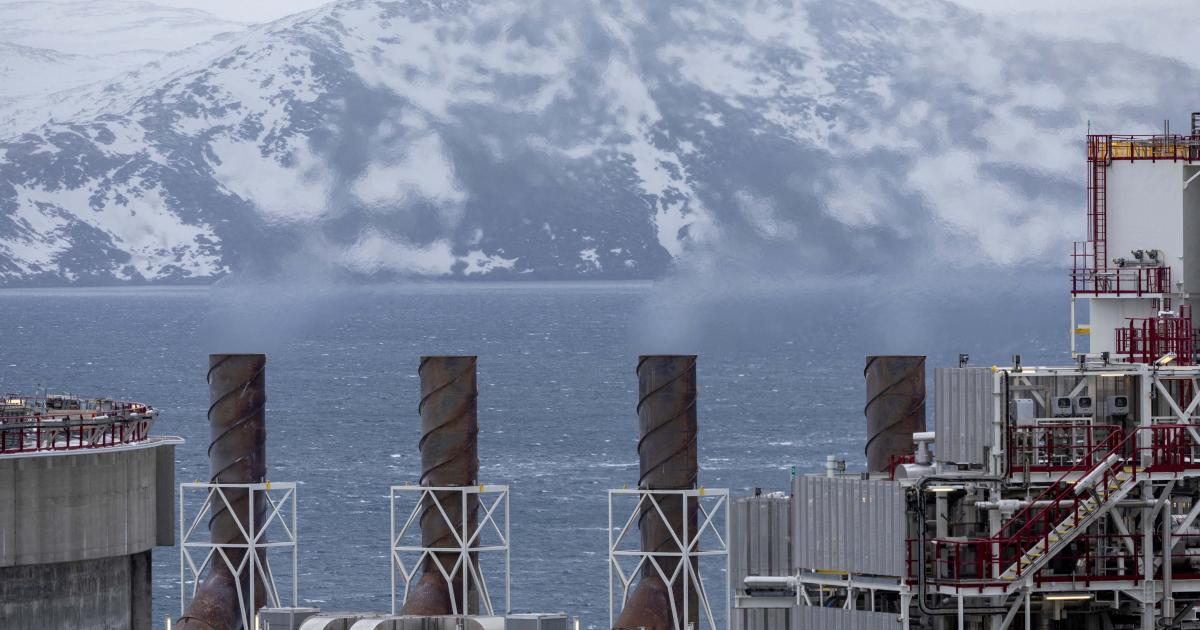
The article discusses the declining confidence in Carbon Capture and Storage (CCS) technology, highlighting technological challenges, high costs, delayed projects, and limited effectiveness, which have led to reduced investor interest and questions about its viability as a solution for decarbonization.
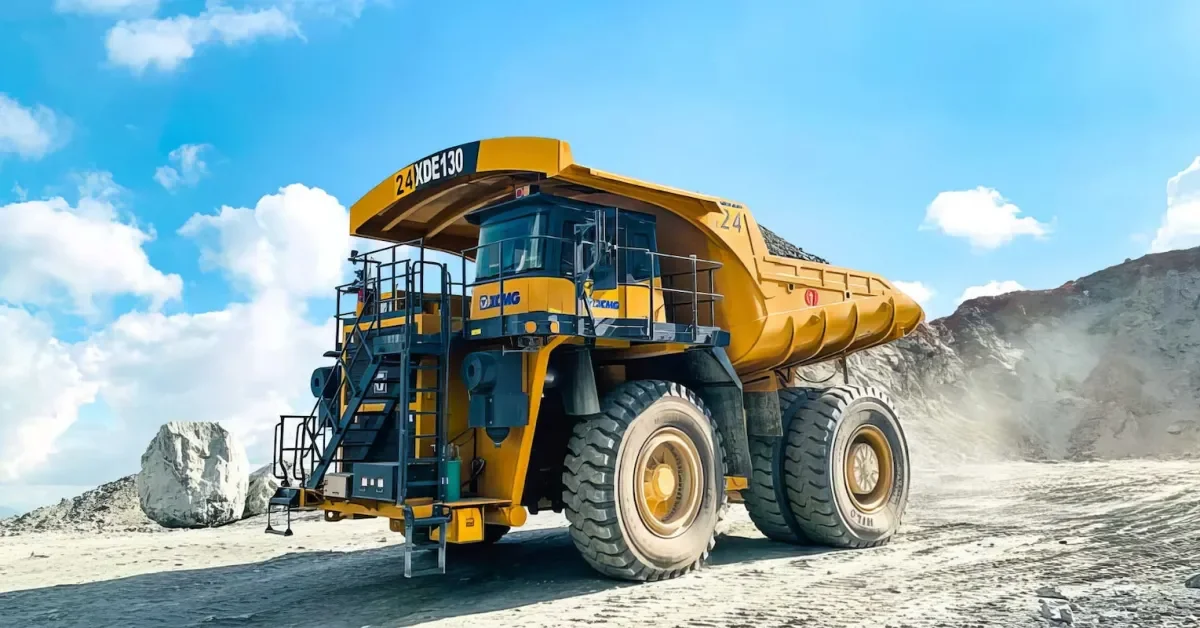
Chinese manufacturer XCMG has secured a record-breaking deal to supply over 200 of its 240-tonne electric haul trucks to Australian mining company Fortescue, marking the largest EV deal and export order for green mining machinery, significantly advancing decarbonization efforts in the mining industry.
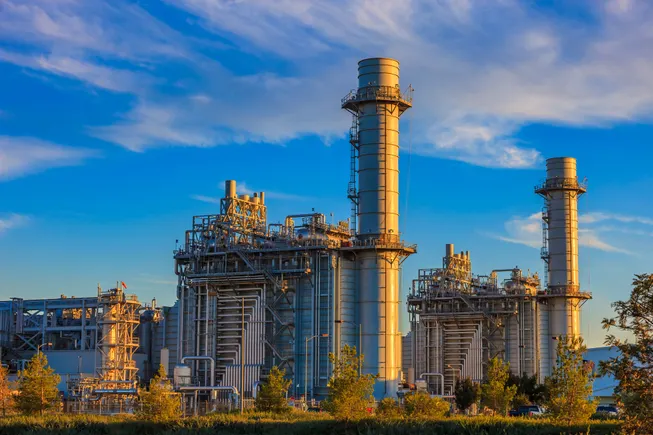
The U.S. Department of Energy canceled $3.7 billion in awards for carbon capture and decarbonization projects, citing economic viability concerns and lack of advancement of American energy needs, affecting companies like Calpine, PPL, Ørsted, and Exxon Mobil.
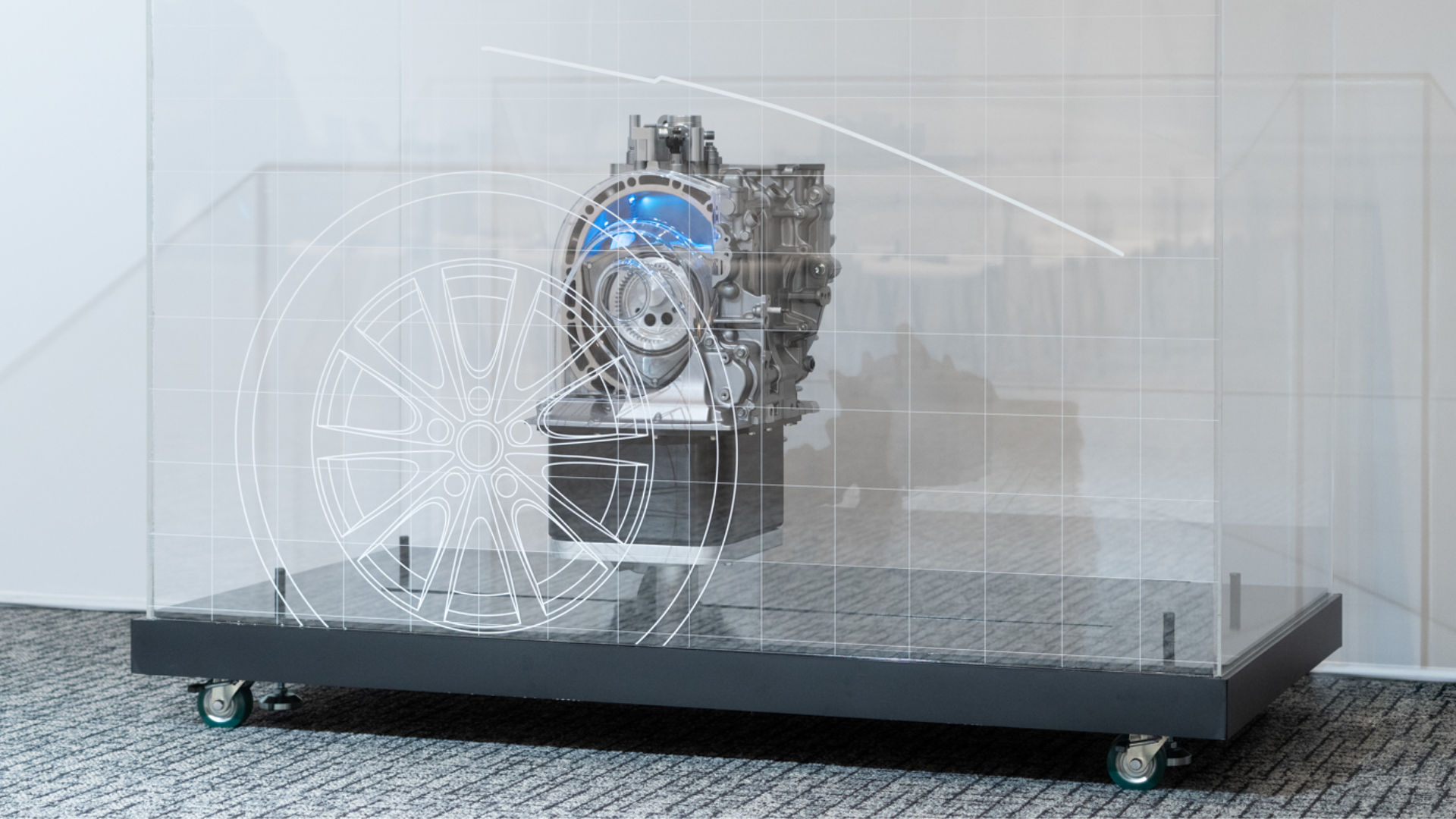
Toyota, along with Subaru and Mazda, is developing new compact 1.5L and 2.0L internal combustion engines that are adaptable to various carbon-neutral fuels like e-fuel, biofuels, and liquid hydrogen. These engines are designed to be smaller, lighter, and more efficient, aiming to meet stricter emissions standards and integrate seamlessly with electric drive units. This initiative reflects Toyota's strategy to maintain a diverse range of powertrain options, including hybrids, as the automotive industry moves towards tougher emission norms and carbon neutrality.
The U.S. Department of the Treasury, alongside other federal agencies, has released a Joint Policy Statement and Principles for Responsible Participation in Voluntary Carbon Markets (VCMs). These markets, which trade carbon credits to reduce emissions, are seen as crucial for mobilizing private capital to drive decarbonization and economic opportunities. The Biden-Harris Administration aims to ensure these markets operate with high integrity to effectively combat climate change and support economic development, particularly for farmers, ranchers, and developing countries.
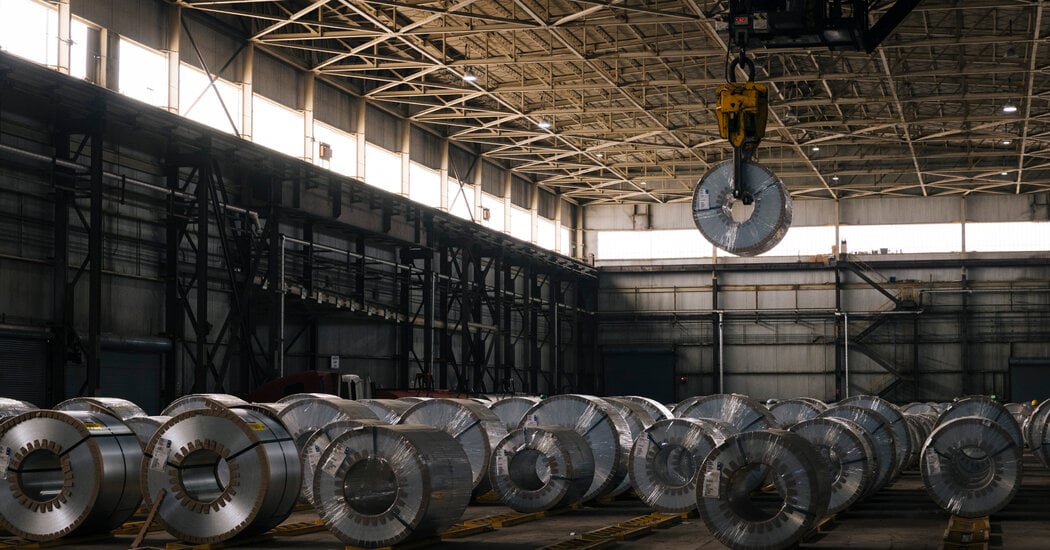
The Biden administration has announced a $6 billion investment to reduce emissions from the industrial sector, targeting facilities responsible for a quarter of the nation's emissions. The funding will support 33 demonstration projects in over 20 states, focusing on industries such as aluminum, steel, food and beverage, and cement. The projects aim to eliminate 14 million metric tons of pollution annually, equivalent to removing 3 million cars from the road, and will utilize technologies that are replicable and scalable. The initiative seeks to demonstrate the viability of decarbonizing heavy industries and pave the way for a global transition to cleaner manufacturing.
The Biden administration plans to allocate up to $6 billion towards 33 projects in 20 states aimed at reducing carbon emissions from heavy industries such as steel, cement, chemicals, and aluminum. These projects include initiatives to test methods for curbing emissions and implementing cleaner technologies, such as using hydrogen fuels in aluminum production and electric boilers in food manufacturing. The goal is to demonstrate novel technologies that can rapidly scale up and set a new standard for clean manufacturing in the United States and globally.
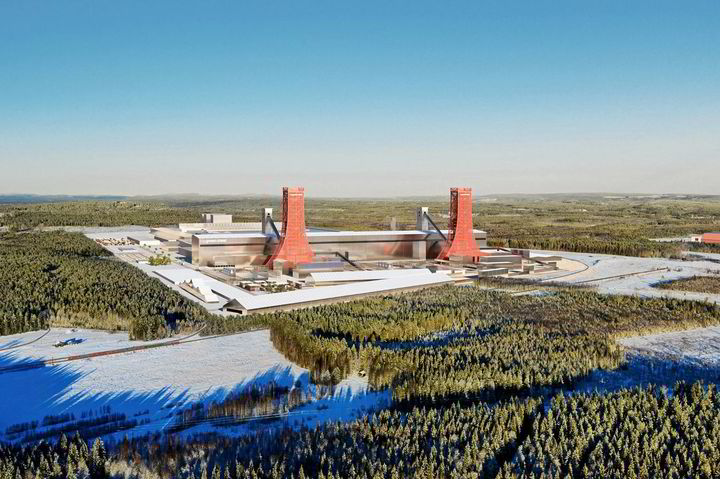
The world's first full-scale green steel plant is being developed in Sweden, with the help of green hydrogen, marking a significant step in decarbonizing the steel industry. Green hydrogen, produced from renewable energy sources, is being used to replace fossil fuels in the steelmaking process, significantly reducing CO2 emissions. H2 Green Steel, the company behind the initiative, has secured funding and aims to start production in 2025, with plans to expand its impact on decarbonizing hard-to-decarbonize industries. The use of green hydrogen in steel production is seen as a promising solution to address the industry's significant carbon footprint.
Ford's E-Transit electric delivery van is making strides in the US Postal Service's electrification journey, as the agency plans to deploy a fleet of 66,000 new electric vehicles, including 9,250 E-Transit vans and 45,000 electric NGDVs from Oshkosh by 2028. The Postal Service is also installing EV charging stations at its South Atlanta Sorting and Delivery Center and other facilities to support the electrification of its massive vehicle fleet. This move comes amid a broader push for decarbonization and modernization, with legacy automakers like Ford facing competition from startups like HW Electro and Canoo in the electric delivery van space.
H2 Green Steel secures €4.5bn in additional funding for the world’s largest green-hydrogen-based steel project in northern Sweden, aiming to produce near-zero-emission steel by replacing coking coal with green hydrogen and using renewable energy. The project, with close to €6.5bn in financing, is set to take a final investment decision soon and has already begun construction, with production expected to start in 2027. The company has secured contracts with major customers and financing from a group of lenders, including the European Investment Bank, and has also raised equity and received grants from the EU’s Innovation Fund.
Goldman Sachs analyst Peter Oppenheimer predicts that the global economy is entering a new "super cycle," driven by artificial intelligence and decarbonization. He notes that while some factors from the previous super cycle, such as falling interest rates and inflation, may not continue, there are new forces at play. Oppenheimer believes that the application of AI and the move towards decarbonization could have a positive impact on growth and margins. He draws historical parallels to periods of significant technological innovation and restructuring, emphasizing the need to learn from history to best position for the evolving economic environment.
FuelCell Energy's stock surged after announcing a partnership with ExxonMobil's affiliate in the Netherlands to develop and test carbon-capture technology aimed at reducing CO2 emissions. If successful, the technology could be deployed globally, offering a game-changing solution for decarbonizing heavy industry.
The Biden administration has announced that it will recognize a methodology favored by the ethanol industry for claiming tax credits on sustainable aviation fuel (SAF), a move that benefits the U.S. corn lobby. However, the administration plans to update the methodology by March 1, which could potentially tighten requirements for SAF feedstocks. The global aviation industry, which accounts for about 2% of global energy-related carbon dioxide emissions, is difficult to decarbonize due to the challenges of electrifying aircraft. SAF can reduce greenhouse gas emissions by 50% over its lifecycle but is more expensive than traditional jet fuel. Ethanol producers see SAF as a way to boost demand amid rising electric vehicle sales. The guidance aims to reduce the price gap between SAF and traditional jet fuel, but the extent of the impact on price discrepancies is unclear. The ethanol industry has lobbied for the recognition of the Department of Energy's GREET model, while environmentalists advocate for feedstocks like used cooking oil and animal fat. The GREET model will be updated to incorporate new data and modeling on emissions sources and strategies to lower emissions.