
policy47.295 min read
Kalshi fines first insider-trading cases hit MrBeast editor and a candidate
7 hours ago•Source: The Verge

The latest policy stories, summarized by AI
The Trump administration announced a plan to dismantle parts of the Education Department by moving school-safety and student-mental-health programs to Health and Human Services and transferring oversight of foreign gifts and contracts to higher education to the State Department, a move that drew bipartisan skepticism in Congress while officials said funding should remain stable and not disrupt ongoing programs.

The Verge•5 days ago
Task & Purpose•6 days ago

The VA published a final rule effective Feb. 17 that will determine disability ratings based on whether prescribed medications or treatments improve a veteran’s condition, potentially lowering ratings for those whose symptoms are alleviated. VA says it formalizes a longstanding practice, while veterans groups warn it changes how claims are evaluated, could discourage treatment, and may affect millions of beneficiaries.

FDA failed to publish congressionally mandated lists of cannabinoids and to define what qualifies as a “container” for hemp products by the deadline, even as a November switch to a stricter hemp regime looms. The new rules would base legality on total THC (including delta-8) and other closely related cannabinoids, impose a per-container cap, and ban intermediates or non-naturally produced cannabinoids. Industry groups are pressing Congress to delay the ban and extend regulatory work, while alternatives like the HEMP Act seek to shape the forthcoming framework and testing/packaging requirements.
CFTC Chair Michael Selig argues prediction markets are federally regulated, filing a court brief that counters state gambling laws and places Kalshi and Polymarket under federal oversight, a move that could reshape how sports betting and related platforms are governed.
Canada unveils a Defense Industrial Strategy called 'Buy Canadian' to cut its dependency on the United States by boosting domestic production, creating about 125,000 jobs, and expanding sovereign capabilities. It sets out doubling defense expenditures to C$80 billion over five years, with C$45 billion annually for domestic resilience as part of NATO commitments, and aims to hit 2% of GDP on defense this year and 5% by 2035. The plan seeks to raise Canadian-owned share of defense acquisitions to 70%, boost exports by 50%, R&D by 85%, and industry revenues by over C$5.1 billion annually, while pursuing deeper partnerships with Europe and Indo-Pacific allies and protecting Arctic sovereignty. It also pledges a list of defense champions by summer and emphasizes 10 sovereign capabilities (AI, quantum, missiles, drones, etc.). The release was delayed after a mass shooting in British Columbia.

An NBC News analysis finds local police agencies trained to assist ICE surged 950% in Trump’s second term, reaching 1,168 by Jan. 26, with Florida (342), Texas (296), Tennessee (63), Pennsylvania (58), and Alabama (52) leading. The program—revived in 2025—offers incentives such as about $7,500 per officer for equipment, up to $100,000 per new vehicle, and overtime pay up to 25% of salary, potentially generating $1.4–$2 billion in federal funding this year. Some departments have declined to participate (e.g., Dallas; Montgomery County MD), while New Orleans’ governor directed state agencies to assist in federal immigration operations. Critics warn of community fear and negative effects on schooling and health care as more local officers gain immigration-arrest authority, though ICE stresses partnerships to protect the homeland.

Foreign Affairs argues that governing AI requires navigating a three-way tradeoff among national security, economic competitiveness, and societal safety. It rejects the idea of a rapid “singularity” and urges deliberate policy that weighs practical tradeoffs, not idealized extremes. The piece proposes two main compromises: (1) a modest AI safety “risk tax” that nudges private labs to invest in safety research, funded in part by tax credits and bolstered by public–academic collaboration; and (2) a stronger government data and oversight framework (CAISI) with the power to veto dangerous releases and to curate public data, enhancing societal safety while limiting short-term economic costs. It also argues for a targeted approach to open-weight models and envisions a possible global nonproliferation path for AI, saying policymakers should embrace tradeoffs rather than the do-nothing option.
The White House moves to unwind the EPA’s endangerment finding, rolling back greenhouse-gas regulations and avoiding reliance on a DOE-backed contrarian report; the five researchers behind that report faced heavy criticism and lawsuits, and EPA’s final action signals a regulatory argument rather than a challenge to mainstream climate science.

Treasury and the IRS issued Notice 2026-15 to guide when electricity-producing facilities, energy storage technologies, or 45X components receive material assistance from a prohibited foreign entity, which could render them ineligible for clean energy credits under Sections 45Y, 48E, and 45X. The notice outlines interim safe harbors, how to calculate the material assistance cost ratio, and notes that forthcoming regulations and additional guidance will define PFE and update safe harbors. Taxpayers may rely on these rules for projects begun after 12/31/2025 through 60 days after the forthcoming safe harbor tables, and for 45X components sold in taxable years after 7/4/2025 until those tables are published. Comments on definitional, anti-circumvention, and related issues are due within 45 days.
The White House is circulating a draft voluntary compact with major AI data-center developers to curb energy, water and grid impacts from rapid AI infrastructure growth, requiring funding for new power generation and transmission, long-term electricity contracts, and regulatory cooperation to prevent higher household electricity prices; the pact is not final and participants are unclear, but it follows similar commitments from Microsoft and others as the administration seeks to shape data-center expansion without new regulation ahead of the midterms.
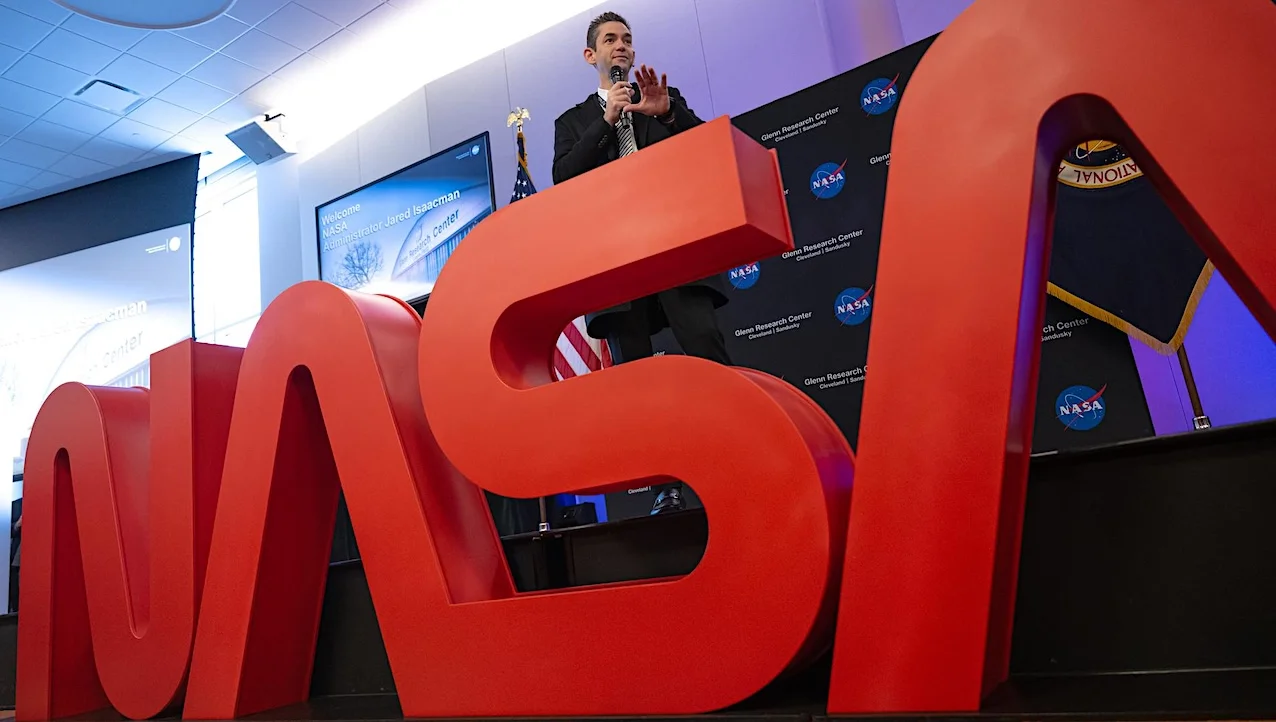
Keith Cowing analyzes Jared Isaacman’s directive to restore NASA’s core competencies by shifting critical work from contractors back to civil service, tightening procurement, and building in-house expertise, with rapid actions like workforce assessments, transition plans, onboarding, and the creation of center makerspaces; he cautions that 2025’s staff losses, a fragile strategic plan, and budget pressures complicate the effort, but emphasizes the need for broader audience engagement and internal culture changes to realize Artemis-era ambitions.