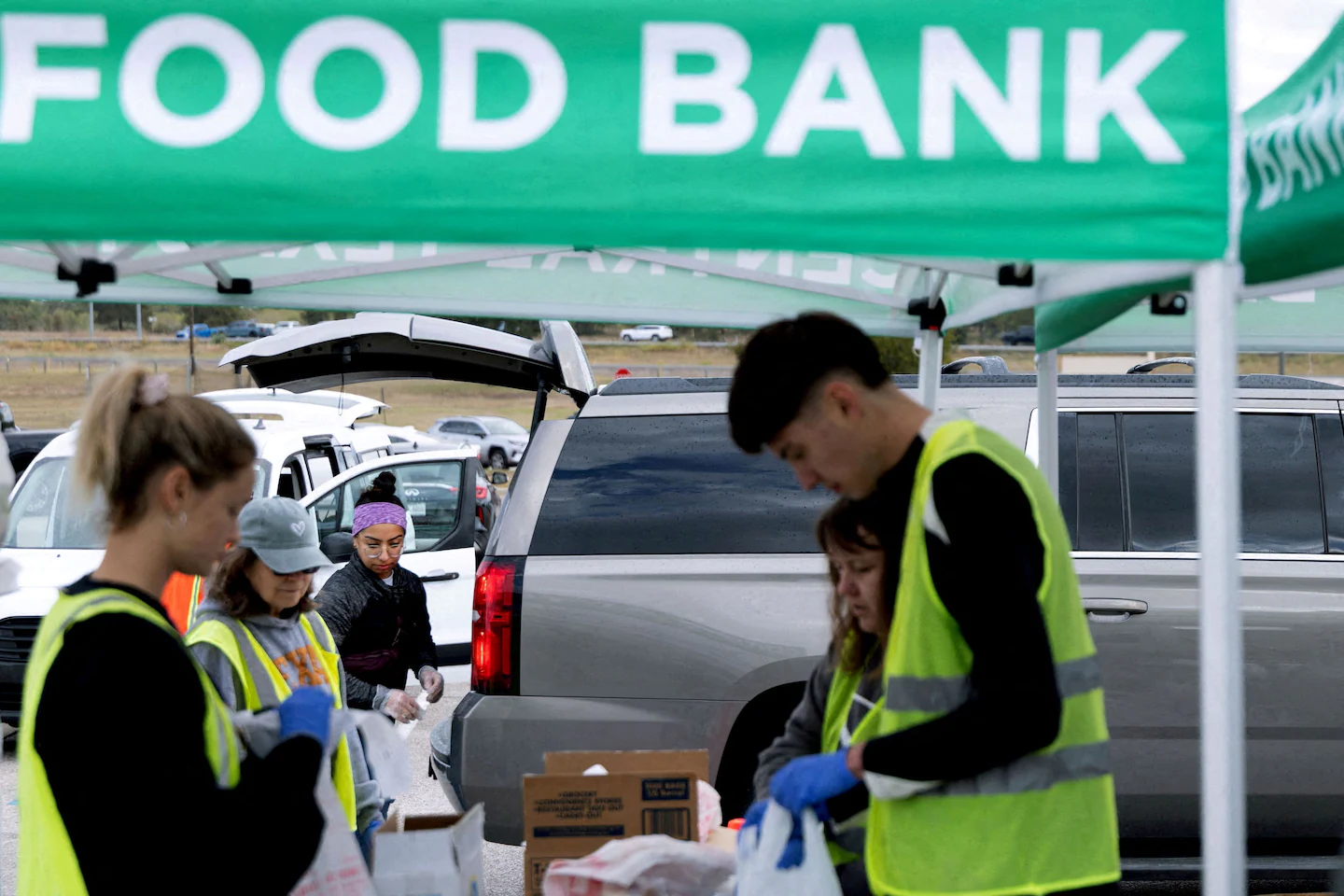
The Trump administration announced it will block Democratic-controlled states from accessing SNAP management funds unless they share benefits recipient information with the federal government.
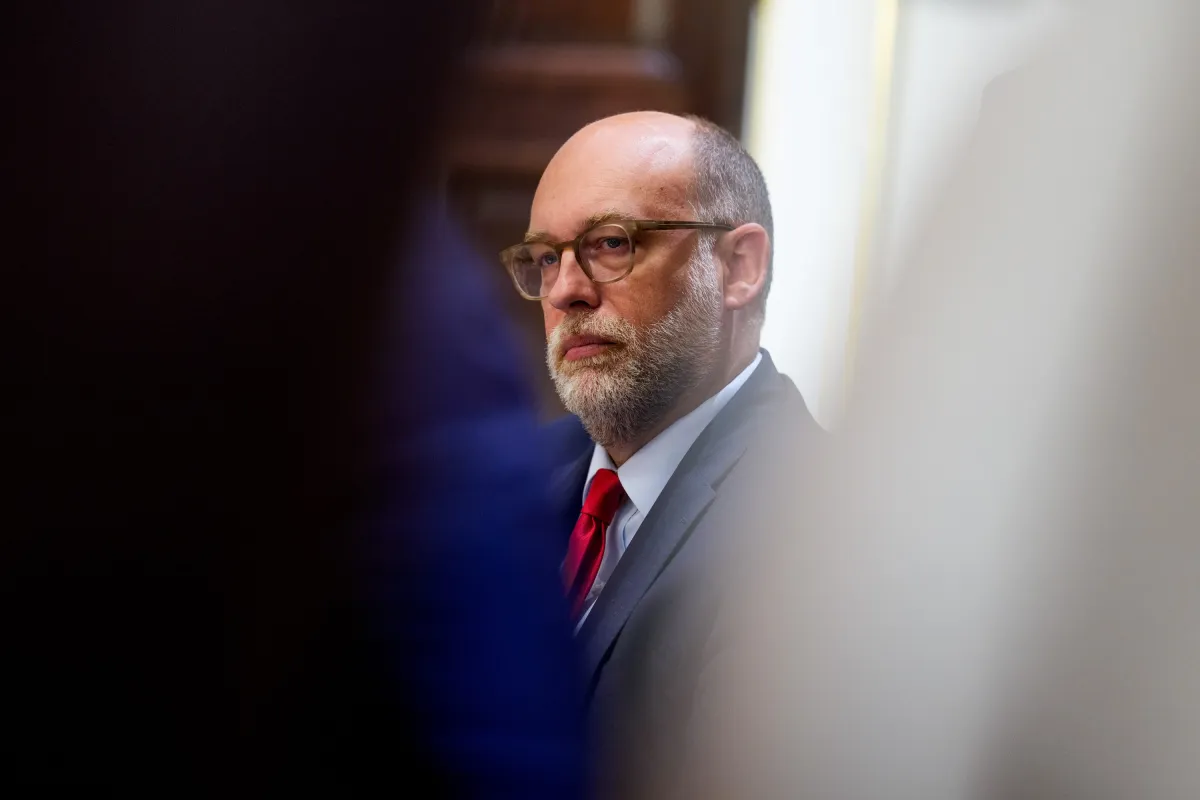
Senator Thom Tillis criticized the Trump administration's targeted funding cuts to blue states during the government shutdown, warning it could deepen the impasse and harm future bipartisan negotiations. The administration's actions, including canceling billions in infrastructure and green energy funds, have caused concern among some Republicans, while others, like House Speaker Mike Johnson, defended the approach. President Trump has also posted controversial videos, including one depicting the OMB director as the Grim Reaper, amid ongoing political tensions.
During the government shutdown, President Trump is using the crisis to target Democratic-leaning states and cities by cutting funding and projects, viewing it as a strategic move to punish political opponents and critics, which has sparked widespread criticism and concerns about political retribution.
The Department of Energy canceled $7.56 billion in clean energy projects, primarily affecting states that voted for Kamala Harris in the last election, including major projects in hydrogen hubs and direct air capture, amid political and partisan tensions.
Despite claims by Donald Trump that Chicago is the world's most dangerous city, crime data shows that violent crime rates in major US cities are declining, especially in Democratic-led states, with cities in red states like Jackson, Mississippi, experiencing higher murder rates. Trump focuses on blue cities like Chicago and Baltimore, which have seen significant drops in violence, while crime remains higher in some Republican-led cities. Overall, US homicide rates are at historic lows, and the pattern of violence reduction is widespread across the country.
Blue states are increasingly defying federal vaccine guidelines set by Health Secretary Robert F. Kennedy Jr., leading to a patchwork of policies that could hinder effective public health responses and create confusion, as states pursue independent strategies for vaccine access and recommendations.
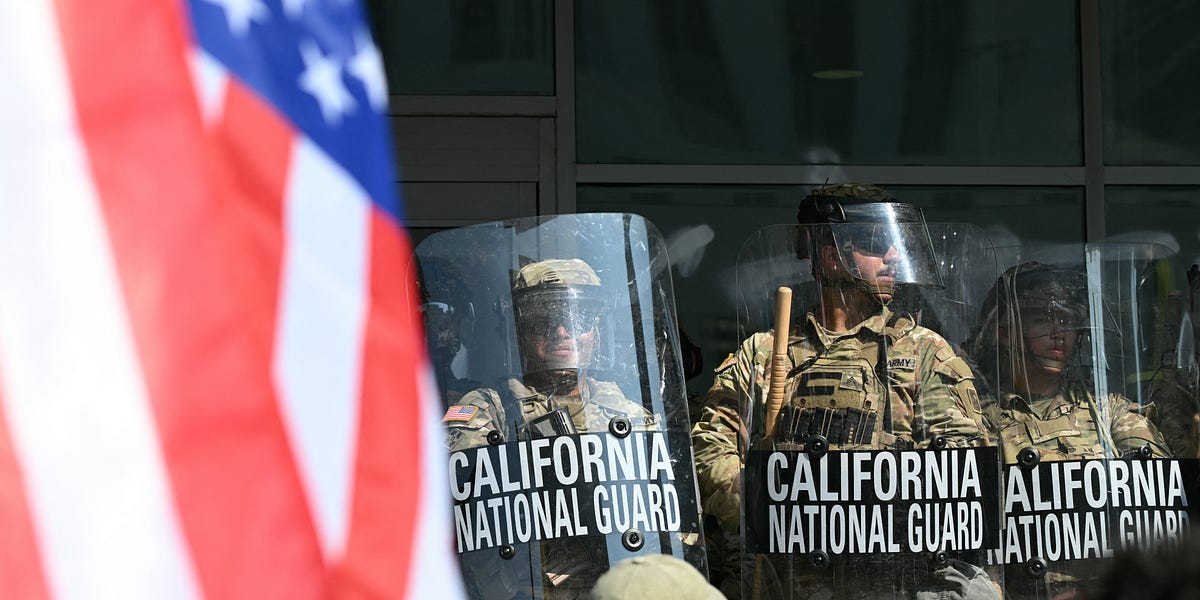
The article discusses the idea of sending National Guard units from blue states to Washington, D.C., as a response to recent military actions by a Confederate state, exploring the potential implications and challenges of such a move.
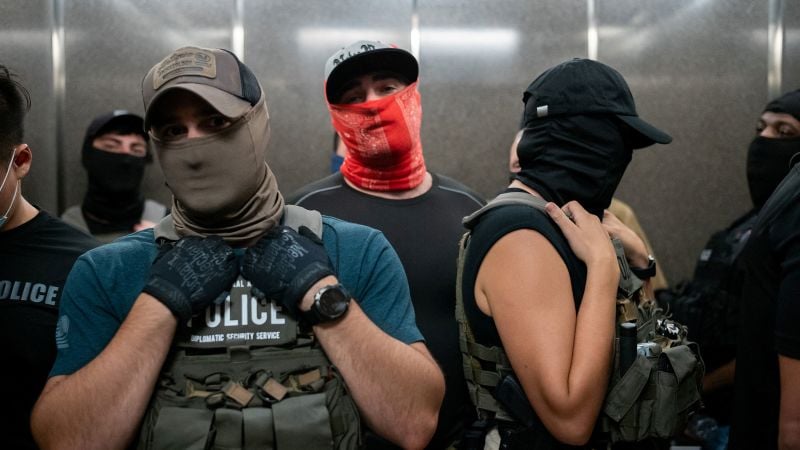
A CNN analysis reveals that ICE employs different arrest tactics in red and blue states, with more arrests from prisons in Republican-leaning states and community arrests in Democratic-leaning states, reflecting the impact of local sanctuary policies and political divides on immigration enforcement strategies.
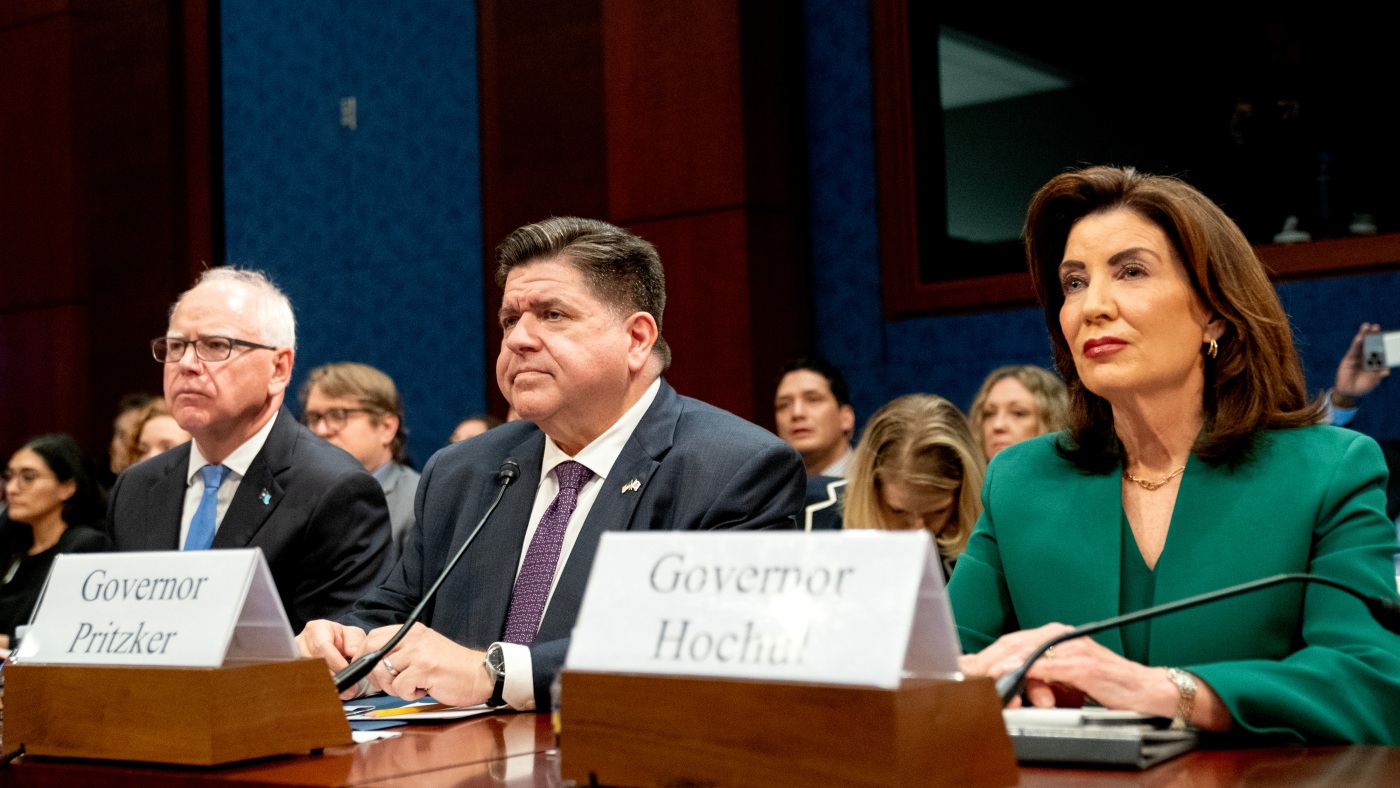
During a House committee hearing, GOP lawmakers criticized sanctuary policies and portrayed migrants as threats, while Democratic governors defended their communities' immigrant residents, emphasizing their contributions and due process rights amid ongoing immigration enforcement tensions.
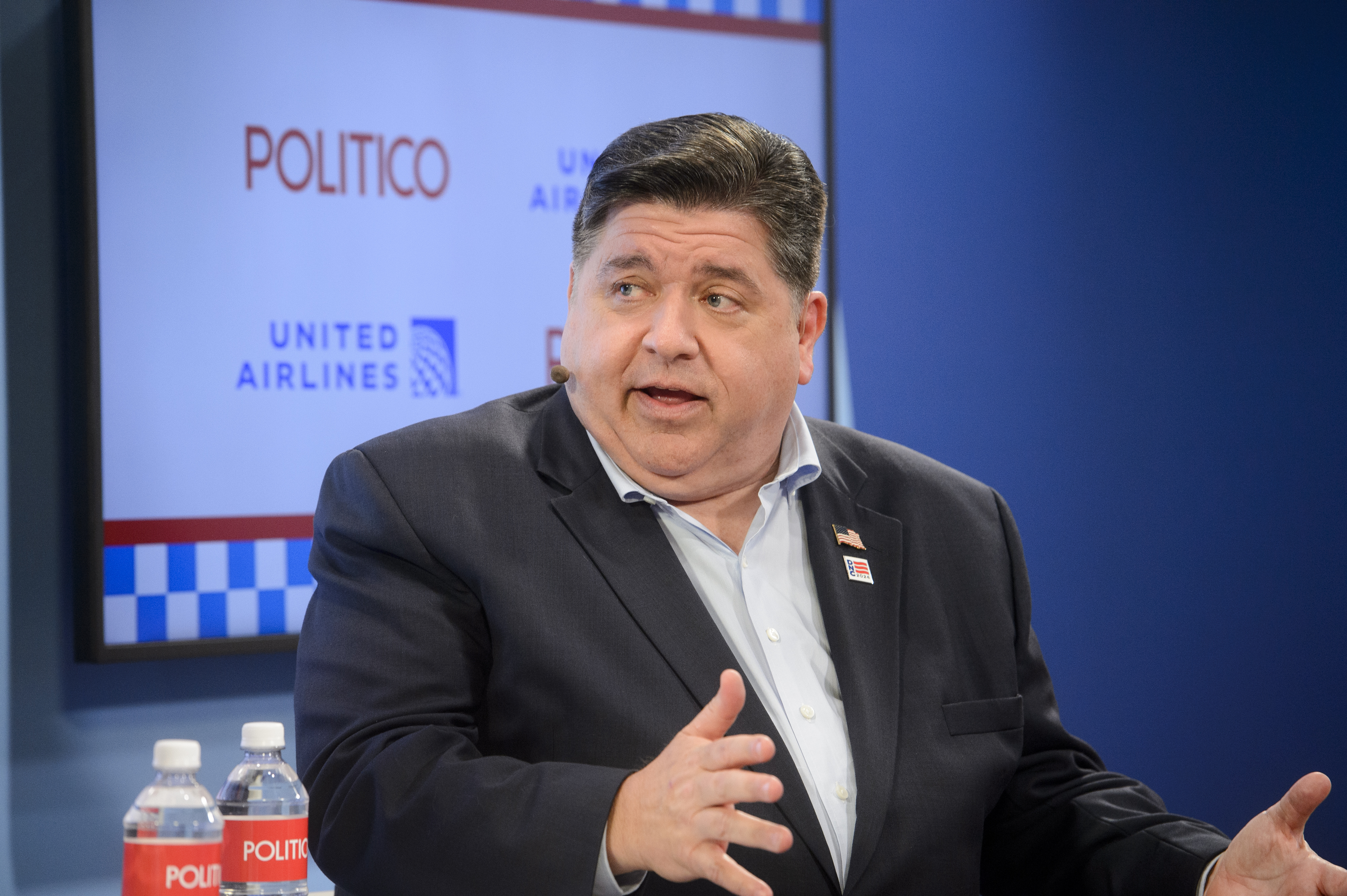
Illinois Gov. JB Pritzker and Colorado Gov. Jared Polis have launched the Governors Safeguarding Democracy initiative to counter efforts perceived as threats to state institutions and democracy, particularly in light of Donald Trump's reelection campaign. The non-partisan organization aims to protect the rule of law by leveraging collective experience and knowledge, and is reaching out to Republican governors to join. The initiative is privately funded and operates separately from the National Governors Association, focusing on proactive education and support for democratic institutions.
Red states in the U.S. are experiencing population growth in 2023, as Americans are leaving blue states, according to new census data. Texas had the largest numeric population growth, followed by Florida. Other states in the top 10 for population growth include North Carolina, Georgia, South Carolina, Tennessee, Arizona, Virginia, Colorado, and Utah. California saw the highest population decrease, while Puerto Rico continued to experience a decline in population.
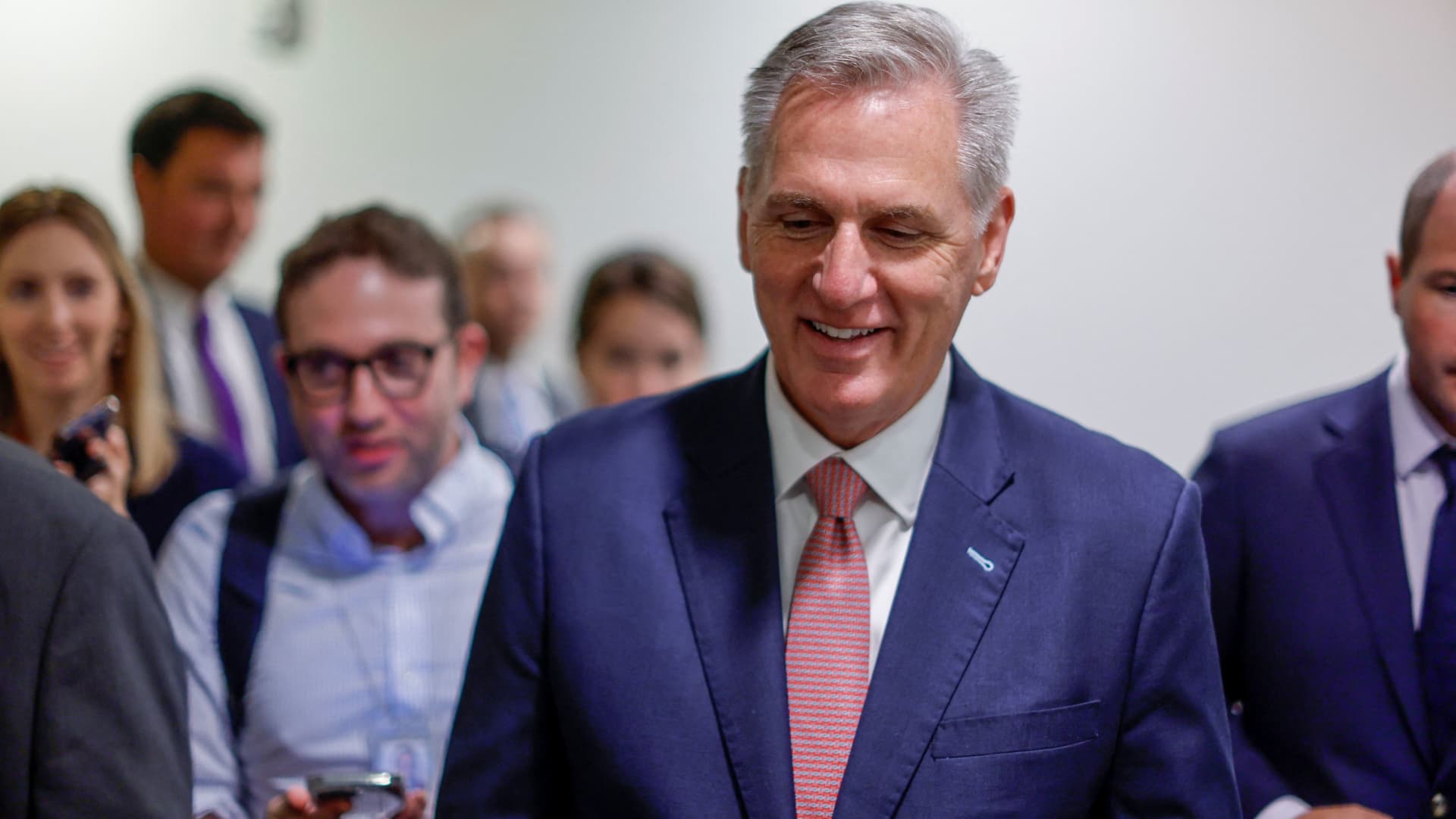
The super PAC aligned with Republican House Speaker Kevin McCarthy, the Congressional Leadership Fund (CLF), is planning to spend at least $100 million in the 2024 election cycle to support GOP House candidates in blue states that were won by President Joe Biden in 2020, according to an internal memo. The CLF aims to create its own infrastructure in these states, where the Republican party lacks a strong presence, by identifying key voters, building a voter contact plan, and creating a turnout strategy. This effort is crucial for House Republicans to maintain and possibly expand their control over the House. The CLF's planned targets include New York, California, New Jersey, Washington, and Oregon.
Comedian Rob Schneider praised Floridians for their kindness and tolerance towards "motherf–kers" from blue states like California and New York who are "flooding into" the sunshine state in his new Fox Nation comedy special "Woke Up in America". Schneider mocked the trendy dietary restrictions of liberal out-of-towners, calling them "a bunch of p–sies" and joking that the sight of cheese or toast will "f–k them up". The comedy special is available to stream on Fox Nation.
Comedian Rob Schneider praised Floridians for their kindness and tolerance towards "motherf–kers" from blue states like California and New York who are "flooding into" the sunshine state. In his new Fox Nation comedy special, Schneider joked about the trendy dietary restrictions and yoga pants brought in by liberal out-of-towners, calling them a bunch of "p–sies." Schneider's comedy special "Woke Up in America" is available to stream on Fox Nation.
New York has become the first state to pass a ban on gas in new buildings through legislation, with more than 100 municipalities throughout the country having already taken action. The natural gas industry needs blue states much more than it needs red ones, and losing more blue states would be disastrous for the industry. Climate activists and environmental campaigners have two main motivations for targeting gas in buildings: air pollution and climate pollution. Buildings are the number one source of greenhouse gas emissions for both New York City and the state, overtaking transportation.