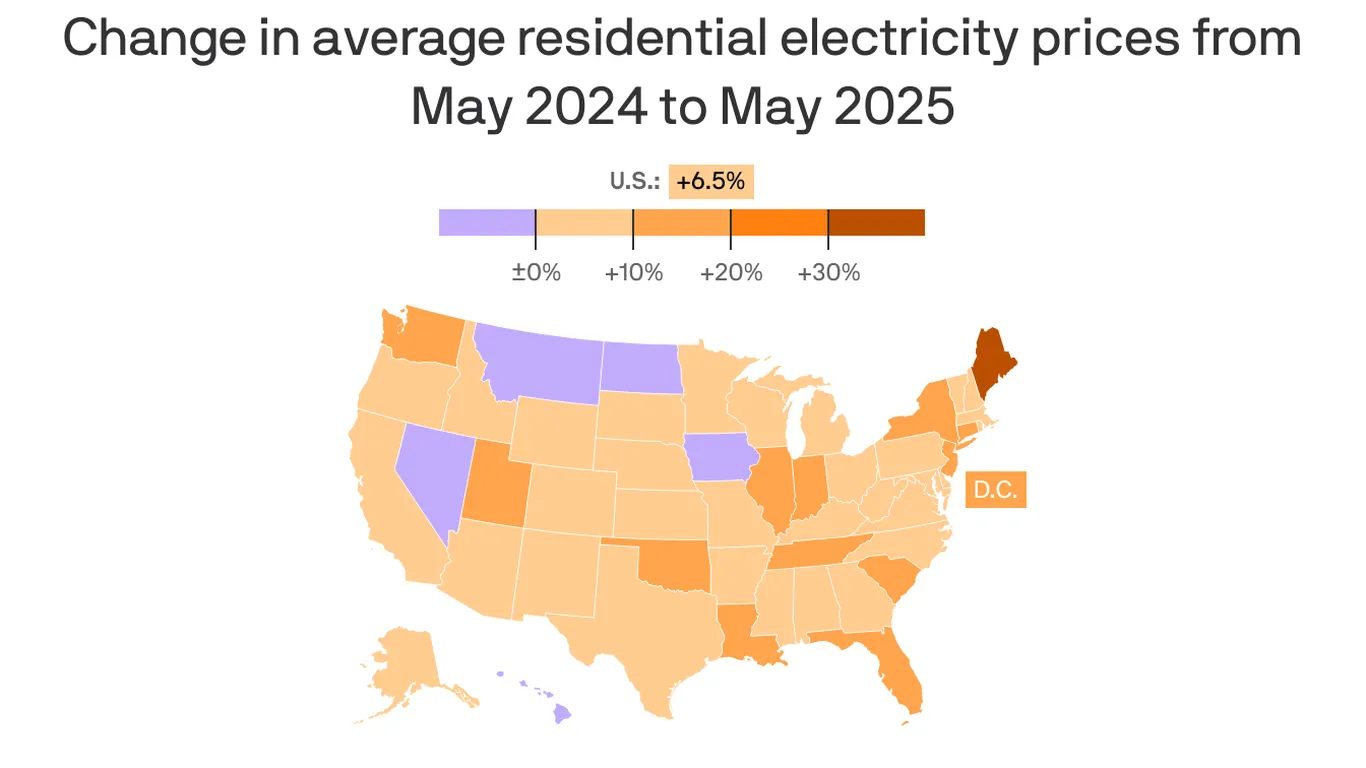
Many American families are struggling with soaring energy prices, leading to increased utility debt, shut-offs, and financial hardship, amid broader debates over energy policy and infrastructure investments.
Rising electricity prices in West Virginia, driven by reliance on coal and increased data center energy use, are causing financial hardship for residents, leading to sacrifices like selling possessions, delaying repairs, and skipping essentials, with some bills exceeding $700, significantly impacting low-income households.
The Trump administration's emergency order has extended the operation of Colorado's Craig coal plant until March 2026, raising concerns about increased costs for utility customers and environmental impacts, amid political tensions and ongoing coal plant retirements.
A recent study suggests that while rooftop solar and EVs can lower overall electricity costs, they may increase costs for non-adopters, especially low-income households, in the short term. The effects are small but could grow as adoption rises, highlighting the need for informed policymaking to balance environmental benefits with economic equity.
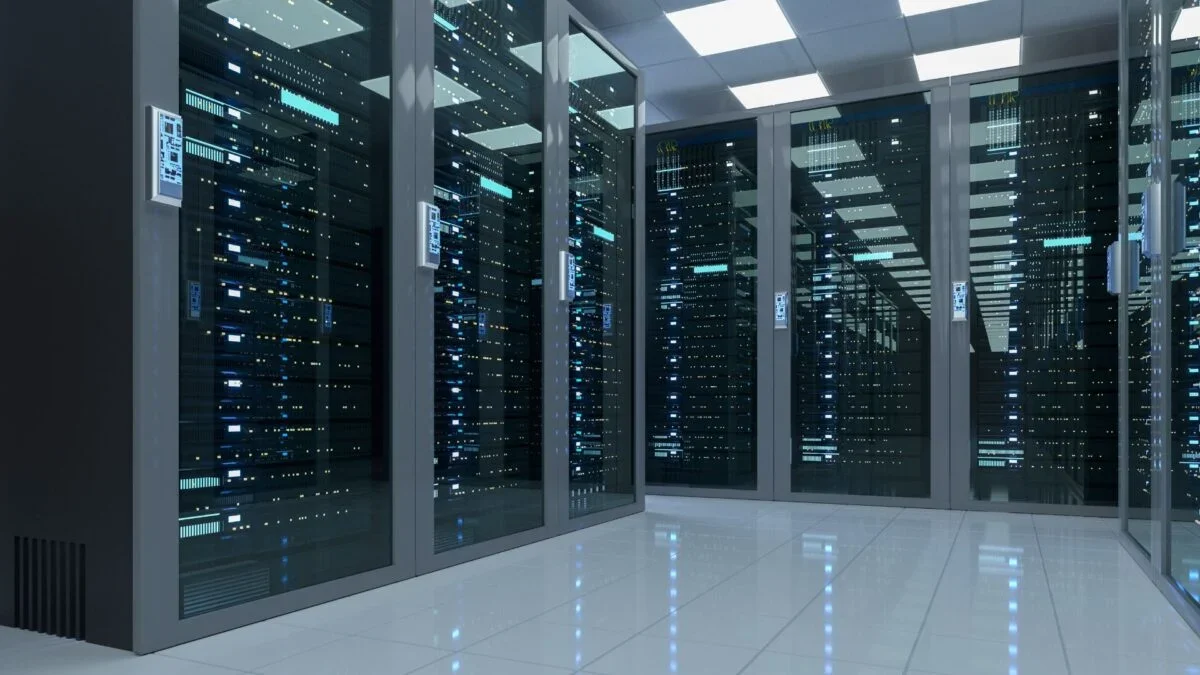
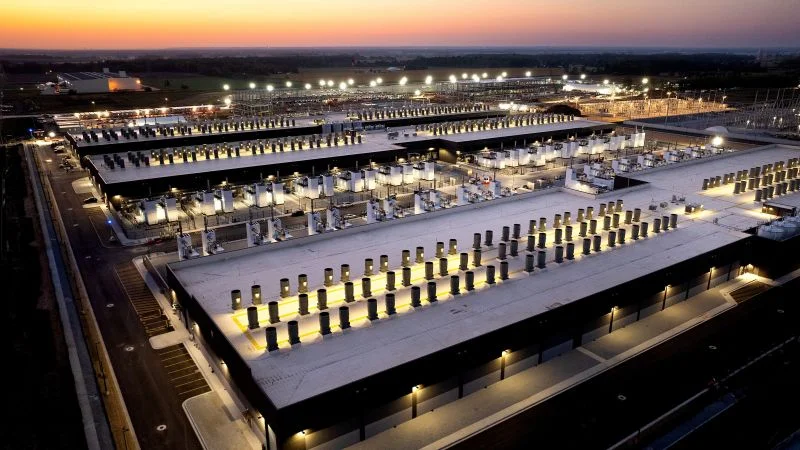
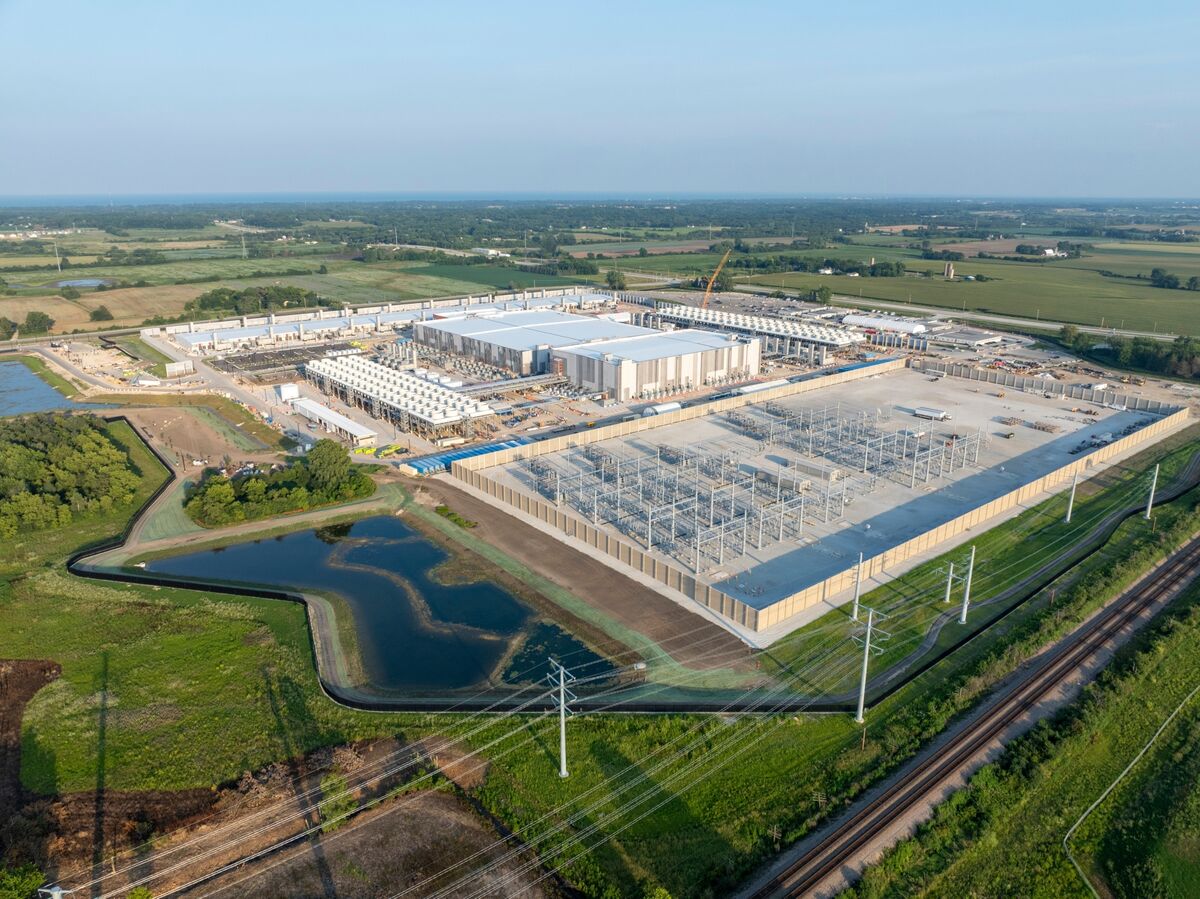
A Bloomberg investigation reveals that the surge in AI data centers is significantly increasing local power demand and wholesale energy prices, which are ultimately passed on to consumers, raising their electricity bills and causing community concerns about infrastructure and fairness.
North Carolina communities are debating the expansion of data centers due to concerns over increased power demand, higher bills for residents, grid strain, and environmental impacts, amid new policies shifting costs from large corporations to households and uncertainties about future energy needs and climate effects.
Electricity prices in the US are rising due to increased demand from data centers supporting AI development, with some states experiencing significant hikes, potentially leading to higher bills for consumers and challenges for utilities in expanding capacity.
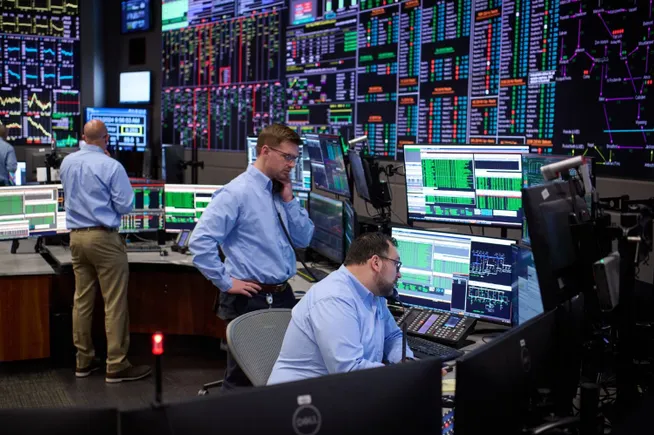
PJM's latest capacity auction set a record with prices reaching a $329.17/MW-day cap, up 22% from last year, driven by tight supply and demand conditions, and potentially leading to 1.5% to 5% rate increases for some consumers. Despite new generation and uprates, supply is not keeping pace with rising demand, prompting market consolidation and political debates over energy policies.
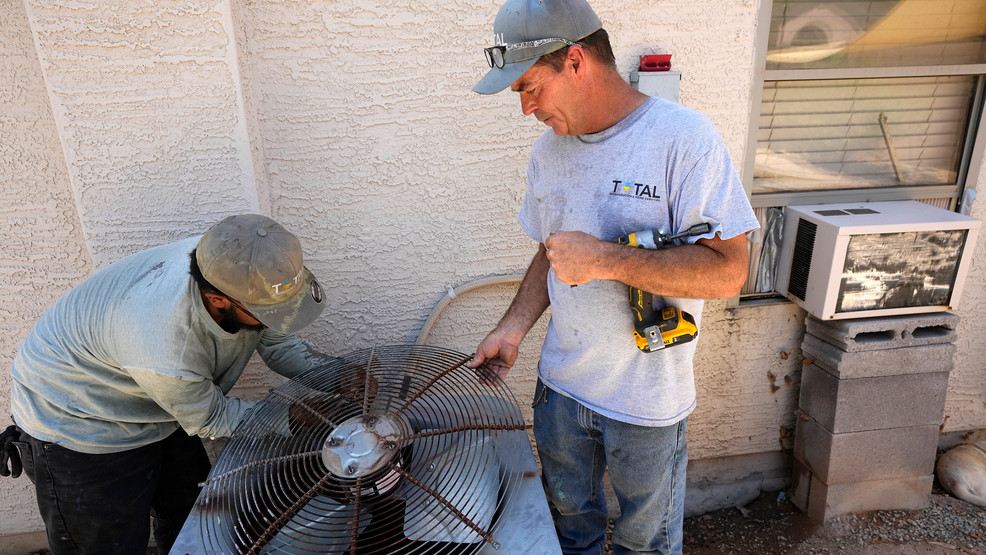
Rising utility prices are forcing many Americans to choose between essential needs like air conditioning and food, with low-income households being hit the hardest. An 8% increase in utility costs is expected, and experts are calling for congressional funding of assistance programs to help offset these costs.
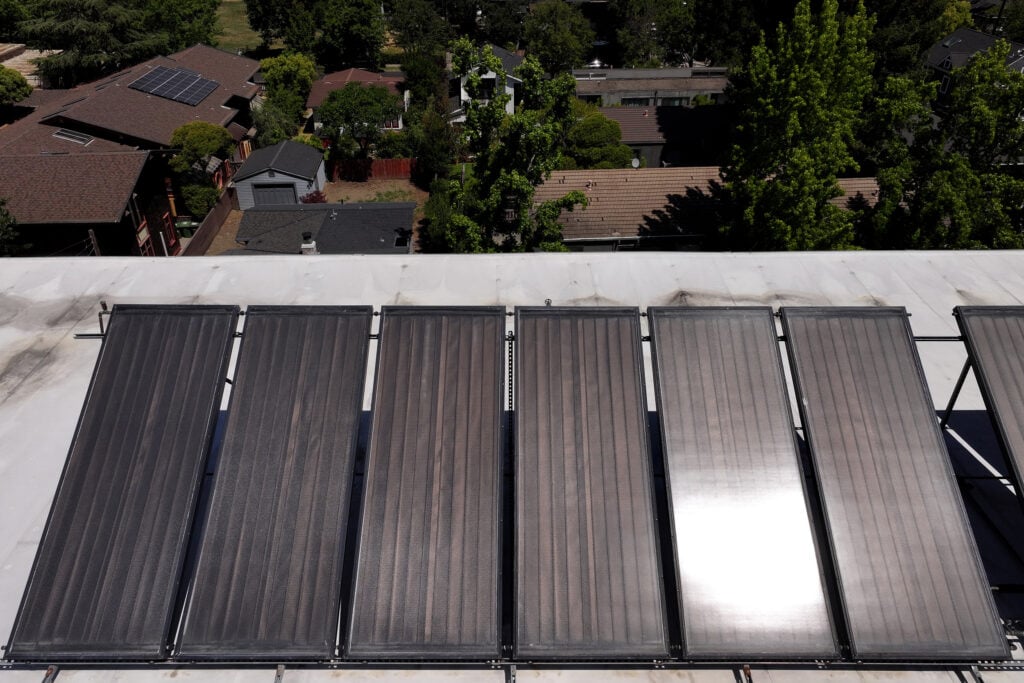
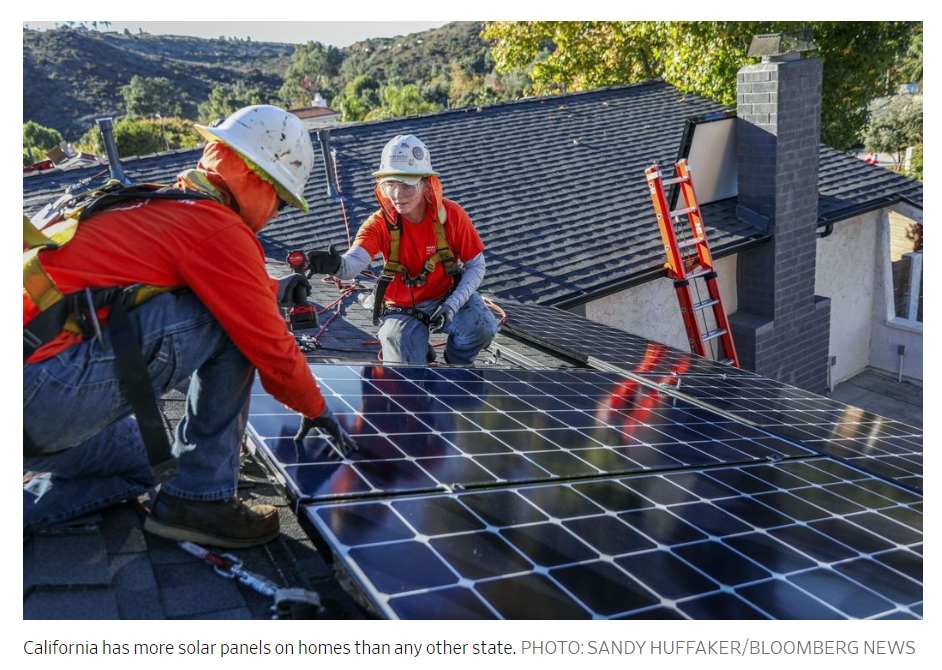
California's rooftop solar industry is experiencing a significant downturn as demand for solar systems plummets following a 75% reduction in compensation for excess electricity sent to the grid. The oversupply of solar power during the day has led to soaring costs for grid upgrades, causing more than 100 solar contractors to go out of business. The state's ambitious renewable energy goals are outpacing its grid's capacity, resulting in wasted or curtailed solar power. Additionally, the economic feasibility of adding more solar panels has diminished, leading to layoffs and economic challenges for the industry.
Ford has partnered with Resideo Technologies to help F-150 Lightning owners save on electricity costs through a vehicle-to-home (V2H) collaboration. The partnership will utilize the Lightning's battery and smart thermostat technology to optimize energy use, allowing homeowners to power their heating and cooling systems with stored energy during peak usage. The project aims to explore how V2H and smart thermostat tech can help owners save money and support a sustainable grid by shifting electricity use to off-peak hours. The partnership will also investigate leveraging clean energy sources such as wind or solar. The project is expected to be completed by the first half of 2024.
Bitcoin miners are facing challenges ahead of the next "halving" event, which will cut their rewards in half. The event, scheduled for April 2024, is expected to make mining less profitable for many miners due to higher electricity costs and debt burdens. Nearly half of the miners are predicted to suffer as they have less efficient operations with higher costs. Miners with operating costs above 8 cents per kilowatt-hour will struggle to stay afloat. Rising competition and increasing mining difficulty have compressed profit margins. Miners are taking measures to protect themselves, such as locking in power prices and cutting back on investments. However, many miners may be driven out of the market as a result of the halving.