Tag

Embryonic Development

All articles tagged with #embryonic development

Australian Scientists Develop Genetic Barcoding to Decode Human Development

Originally Published 6 months ago — by Earth.com

Featured image for Australian Scientists Develop Genetic Barcoding to Decode Human Development
Source: Earth.com

A new tracking technology called LoxCode allows scientists to label and follow individual cells in mouse embryos with unprecedented detail, revealing early lineage biases and asymmetries that influence body part development, with potential applications in medicine and developmental biology.

Crocodile Head Scales: The Mystery of Compressive Folding Unveiled

Originally Published 1 year ago — by ScienceAlert

Featured image for Crocodile Head Scales: The Mystery of Compressive Folding Unveiled
Source: ScienceAlert

A study by researchers at the University of Geneva has uncovered that the irregular head scales of crocodiles are formed through compressive mechanical instabilities rather than tensile stress. This process occurs during embryonic development, where the skin grows faster than the bone beneath it, leading to the formation of polygonal scales. The findings, published in Nature, suggest that variations in head-scale patterns among crocodilians may be due to evolutionary differences in embryonic skin growth.

Scientists Crack the Chicken or Egg Mystery

Originally Published 1 year ago — by ScienceAlert

Featured image for Scientists Crack the Chicken or Egg Mystery
Source: ScienceAlert

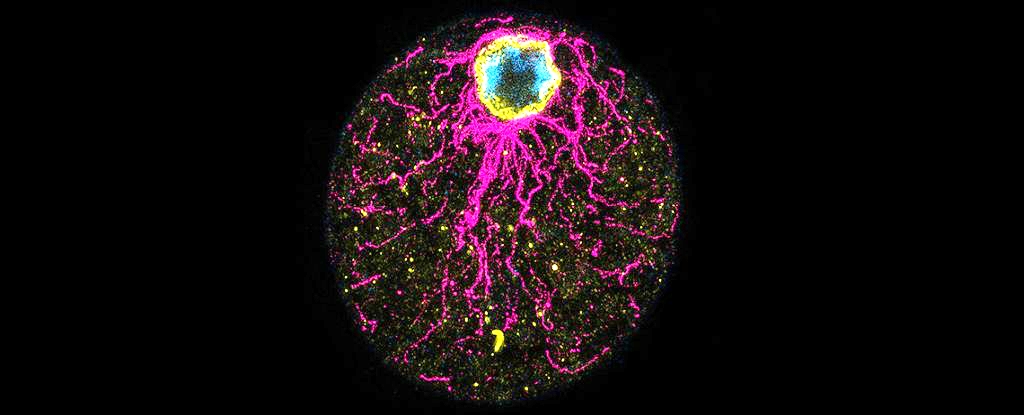
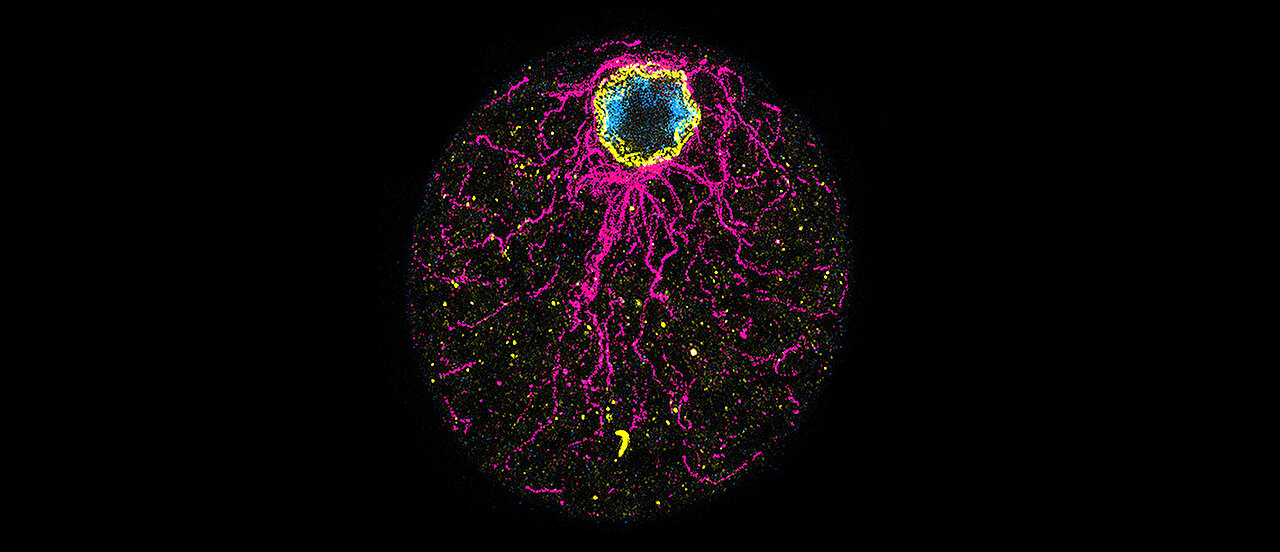
Scientists have discovered that the unicellular Ichthyosporean microbe Chromosphaera perkinsii exhibits embryonic-like cell division, suggesting that the genetic programming for eggs may have existed before animals. This microbe, which has been around for over a billion years, forms a blastula-like cluster of cells, similar to animal embryos. The findings imply that the genetic toolkit for embryonic development was present before the emergence of animals, offering insights into the evolutionary origins of multicellularity. The study, published in Nature, explores whether these similarities are due to a common ancestor or convergent evolution.

Ancient Single Cell Challenges Evolutionary Timeline of Multicellular Life

Originally Published 1 year ago — by SciTechDaily

Featured image for Ancient Single Cell Challenges Evolutionary Timeline of Multicellular Life
Source: SciTechDaily

Researchers have discovered that the ancient single-celled organism Chromosphaera perkinsii can form multicellular structures similar to early animal embryos, suggesting that the genetic mechanisms for embryonic development may have existed over a billion years ago, before the first animals appeared. This finding, published in Nature, could provide insights into the transition from unicellular to multicellular life and challenge existing views on the evolution of multicellularity.

Unicellular Ancestor Sheds Light on Pre-Animal Embryonic Development

Originally Published 1 year ago — by Phys.org

Featured image for Unicellular Ancestor Sheds Light on Pre-Animal Embryonic Development
Source: Phys.org

Researchers from the University of Geneva have discovered that the unicellular organism Chromosphaera perkinsii, which predates animals by over a billion years, forms multicellular structures similar to animal embryos. This suggests that the genetic programs for embryonic development may have existed before animals evolved, or that C. perkinsii independently developed similar processes. The findings, published in Nature, could reshape our understanding of the evolution of multicellularity and embryonic development.

"New Atlas Reveals Gene Functions in Early Embryo Development"

Originally Published 1 year ago — by Phys.org

Featured image for "New Atlas Reveals Gene Functions in Early Embryo Development"
Source: Phys.org

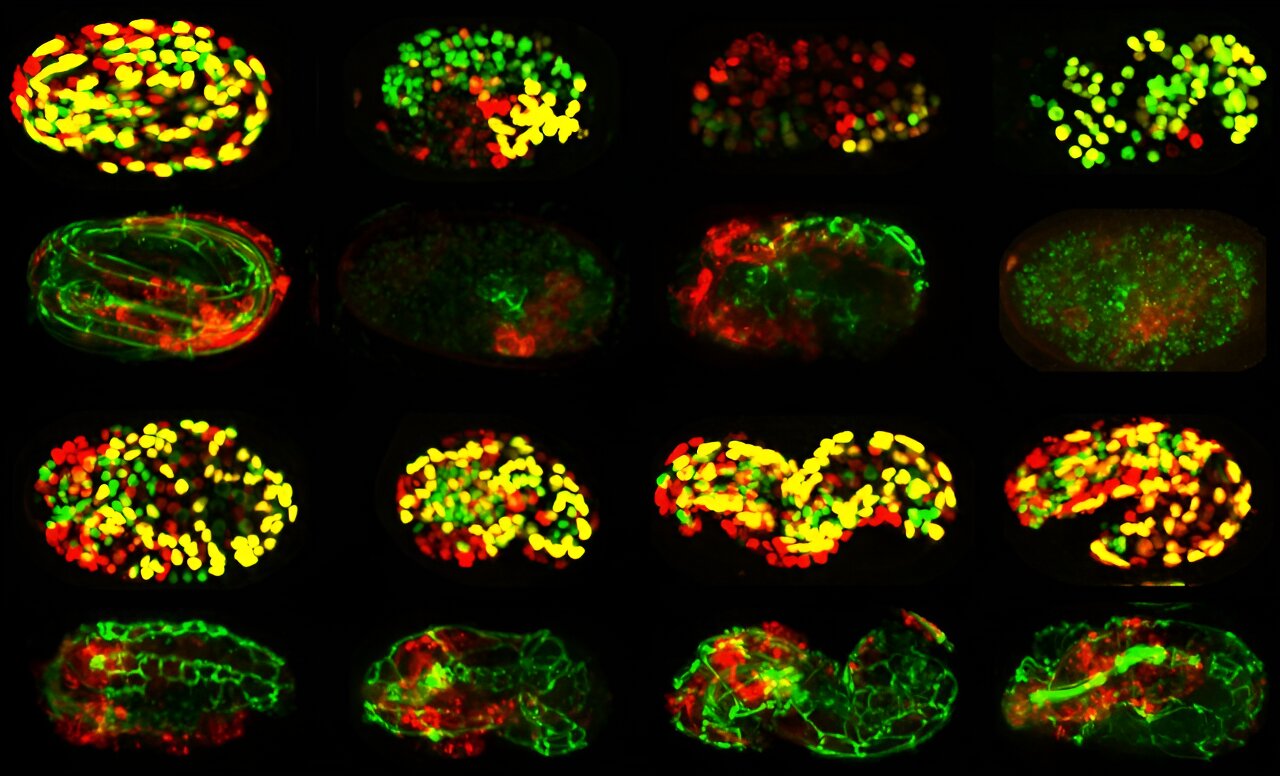
Researchers at UC San Diego have developed a "genetic atlas" using the model organism C. elegans to profile the function of nearly 500 genes during embryonic development. By blocking each gene one at a time and using time-lapse 4D imaging and computer vision, they tracked how these genes influence tissue formation and cell identity. This study, published in Cell, provides new insights into gene functions and their roles in development, with implications for understanding human developmental disorders. The data is now available through an online resource called PhenoBank.

"The Evolutionary Mystery of Human Gills"

Originally Published 1 year ago — by Livescience.com

Featured image for "The Evolutionary Mystery of Human Gills"
Source: Livescience.com

Humans don't have gills because they evolved from fish with lungs, which allowed them to survive on land. Gills need to stay wet to work, making them inefficient for land animals. Early lungs in fish allowed them to gulp air above the surface to supplement oxygen intake. Human embryos have pharyngeal arches resembling gills, which develop into parts of the jaw, throat, and ears. These arches are present in all creatures with heads and are a remnant of early gills.

"The Mysterious Force Behind Life's Initiation: Unraveling Friction's Role"

Originally Published 2 years ago — by SciTechDaily

Featured image for "The Mysterious Force Behind Life's Initiation: Unraveling Friction's Role"
Source: SciTechDaily

A study from the Institute of Science and Technology Austria reveals that sea squirt oocytes utilize internal friction to undergo developmental changes post-conception, shedding light on the role of friction forces in shaping and forming an evolving organism. Ascidians, or sea squirts, are used as model organisms for understanding vertebrate development due to their similarities with humans. The research provides new insights into the mechanical forces that determine cell and organismal shape, highlighting the pivotal role of friction in embryonic development.

Unlocking the Potential of Blood Stem Cells from Your Own Blood

Originally Published 2 years ago — by ScienceAlert

Featured image for Unlocking the Potential of Blood Stem Cells from Your Own Blood
Source: ScienceAlert

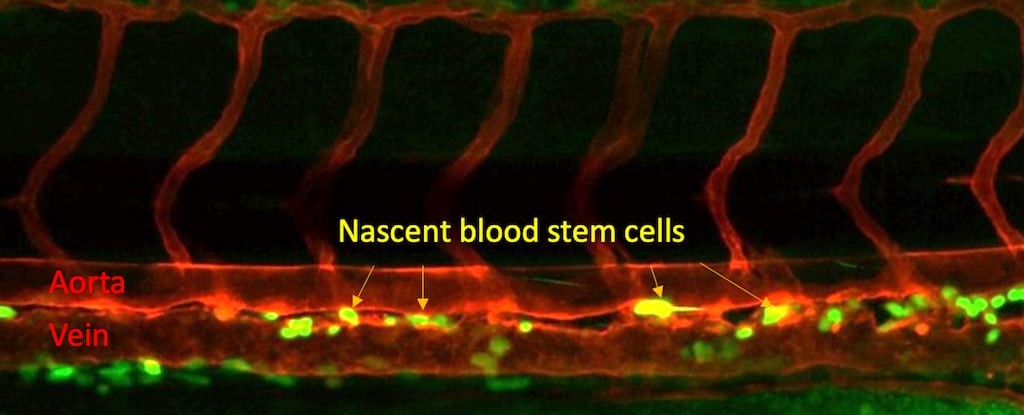
A new study has found that a protein receptor called Nod1, known for its role in recognizing bacterial infections, also plays a crucial role in the development of blood stem cells in embryos. This discovery could lead to the ability to produce blood stem cells from a person's own blood, potentially eliminating the need for bone marrow transplants and improving treatment for leukemia, lymphoma, and anemia patients. The research offers hope for regenerative medicine and could pave the way for creating therapeutic-grade blood stem cells to cure blood disorders.

Decoding the Intricacies of Human Limb Development: Unveiling Growth Processes and Birth Syndromes

Originally Published 2 years ago — by ScienceAlert

Featured image for Decoding the Intricacies of Human Limb Development: Unveiling Growth Processes and Birth Syndromes
Source: ScienceAlert

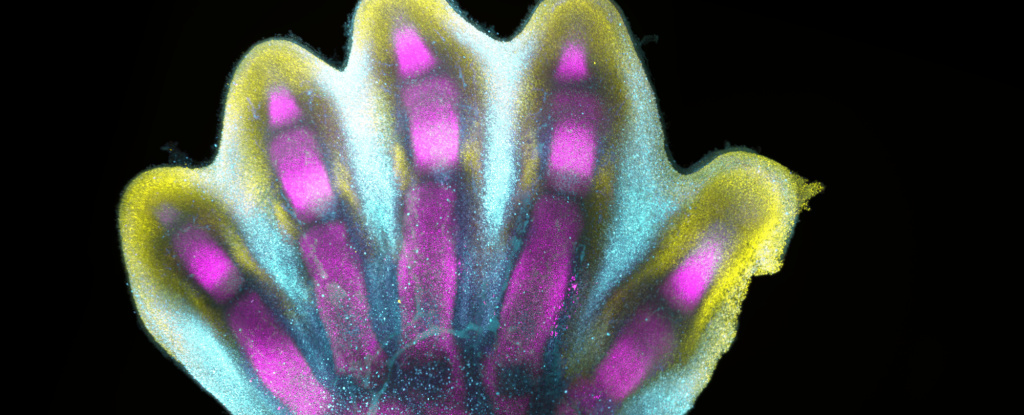
Scientists have created the first human cell atlas of early limb development, revealing in exquisite detail how fingers and toes grow. By analyzing thousands of single cells from donated embryonic tissues, the researchers mapped gene expression patterns and identified distinct cell clusters involved in limb development. They found that the process is highly complex and precisely regulated, resembling a sculptor chiseling away at a block of marble. The study deepens our understanding of how anatomically complex structures form and has implications for research and healthcare. The researchers also showed that limb formation in humans and mice follows similar trajectories, with some differences in activated genes and cell types.

Unveiling the Mystery: How Hammerhead Sharks Acquire Their Unique Hammer

Originally Published 2 years ago — by Phys.org

Featured image for Unveiling the Mystery: How Hammerhead Sharks Acquire Their Unique Hammer
Source: Phys.org

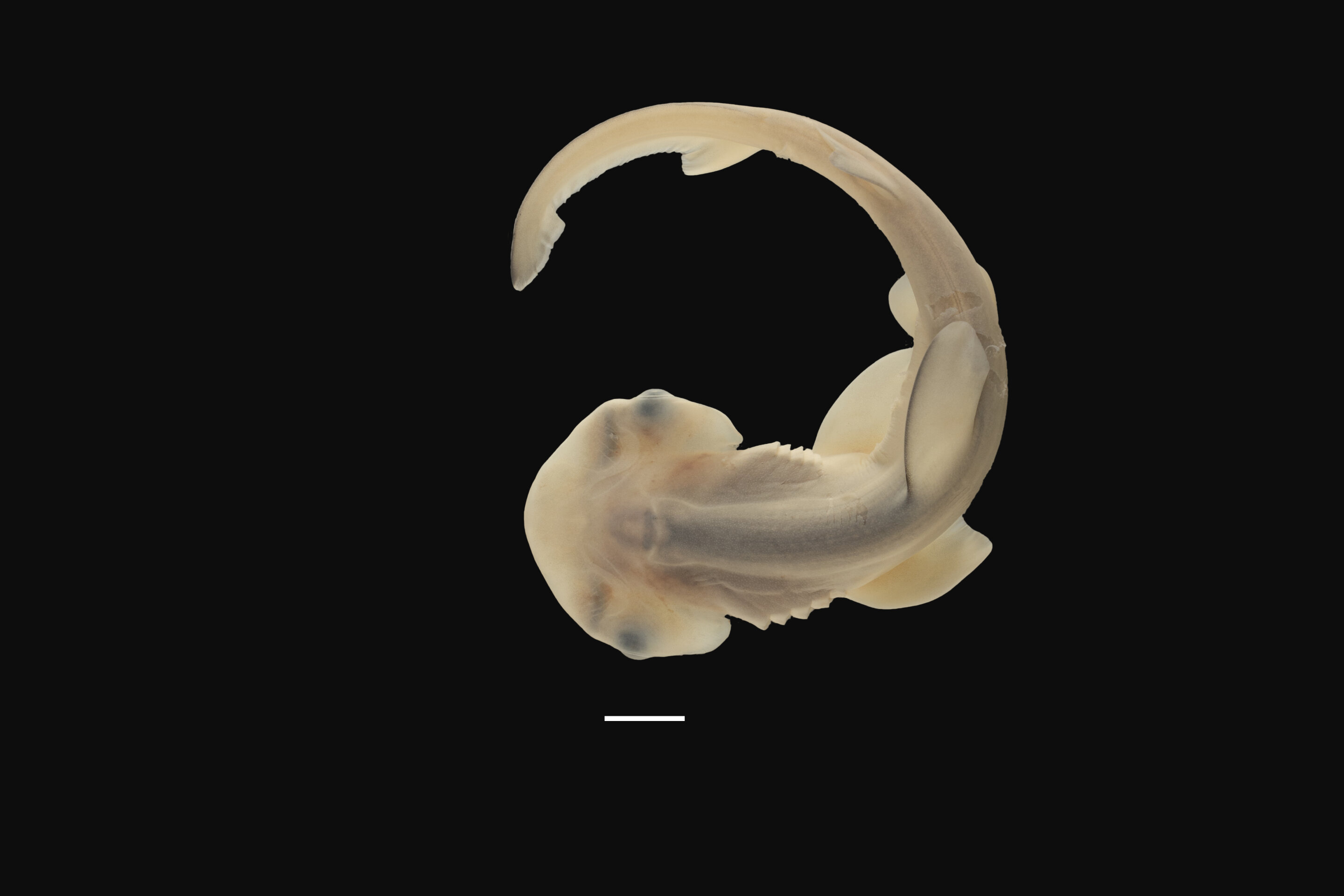
Scientists at the University of Florida have documented the development of bonnethead sharks, the smallest species of hammerhead sharks, revealing how their skulls stretch and distort into their distinctive hammer-like shape. Through careful examination of preserved embryos, the researchers observed how the sharks' heads widen and push backward towards the gills, creating the final shovel-like shape. This unprecedented look at hammerhead development provides insights into the formation of these unique creatures and sets the stage for future experiments to understand how they control their head shape and the evolutionary reasons behind their unusual features.

The Genetic Battlefield: Ancient Clashes Resurface in Embryonic DNA

Originally Published 2 years ago — by WIRED

Featured image for The Genetic Battlefield: Ancient Clashes Resurface in Embryonic DNA
Source: WIRED

Researchers have discovered that ancient retroviruses, specifically LINE-1, play a complex role in early embryonic development. Through computational analyses, scientists found a cluster of cells in the embryo that exhibited DNA damage and precursors to apoptosis, which they named "REjects." However, surviving cells expressed HERVH, another retrovirus that suppresses LINE-1 and protects pluripotent cells from harm. The study sheds light on the intricate interactions within the genome and may have implications for regenerative medicine and understanding early pregnancy losses.

Human stem cells self-pattern into post-implantation lineages.

Originally Published 2 years ago — by Nature.com

Researchers have developed a system using human pluripotent stem cells that can self-organize into three-dimensional structures that mimic key events of early human post-implantation embryonic development. The system captures spontaneous differentiation and co-development of embryonic epiblast and extra-embryonic hypoblast-like lineages, establishes key signaling hubs with secreted modulators, and can undergo symmetry breaking-like events. Single-cell transcriptomics confirms differentiation into diverse cell states of the peri-gastrulating human embryo without establishing placental cell types, offering a reproducible, tractable, and scalable experimental platform to understand the basic cellular and molecular mechanisms that underlie human development.