Tag

Developmental Biology

All articles tagged with #developmental biology

developmental-biology28 days ago

Mapping Human Reproductive Tract Development Over Time

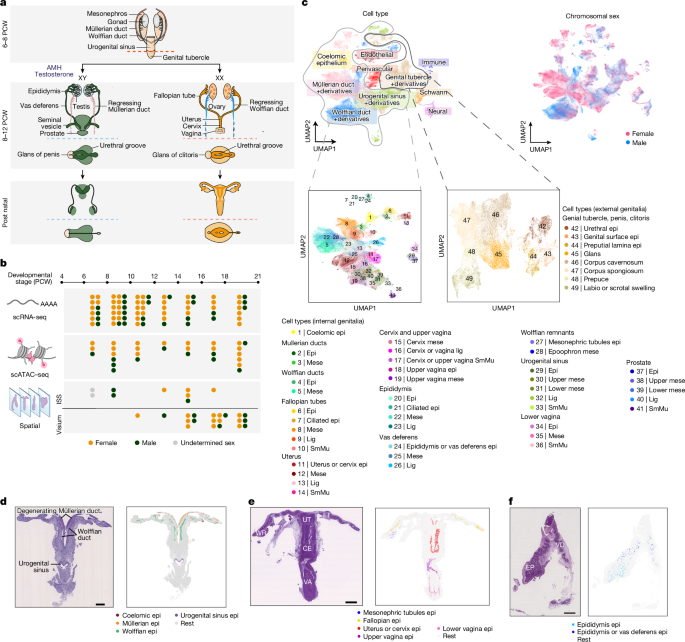
This study provides a comprehensive spatiotemporal single-cell atlas of human reproductive tract development from 6 to 21 weeks of gestation, revealing cellular differentiation, molecular patterning, and sex-specific development of internal and external genitalia, and identifying potential impacts of environmental chemicals on development.

obituary3 months ago

Nobel Laureate John Gurdon, Pioneer in Cloning, Dies at 92

Nobel Laureate Sir John Gurdon, a pioneering developmental biologist known for his work on nuclear transfer and cellular reprogramming, has passed away at age 92. His research laid the groundwork for advances in stem cell biology, IVF, and genetics, earning him the 2012 Nobel Prize. He was a highly respected scientist, mentor, and leader at the University of Cambridge, leaving a lasting legacy in biomedical research.

science5 months ago

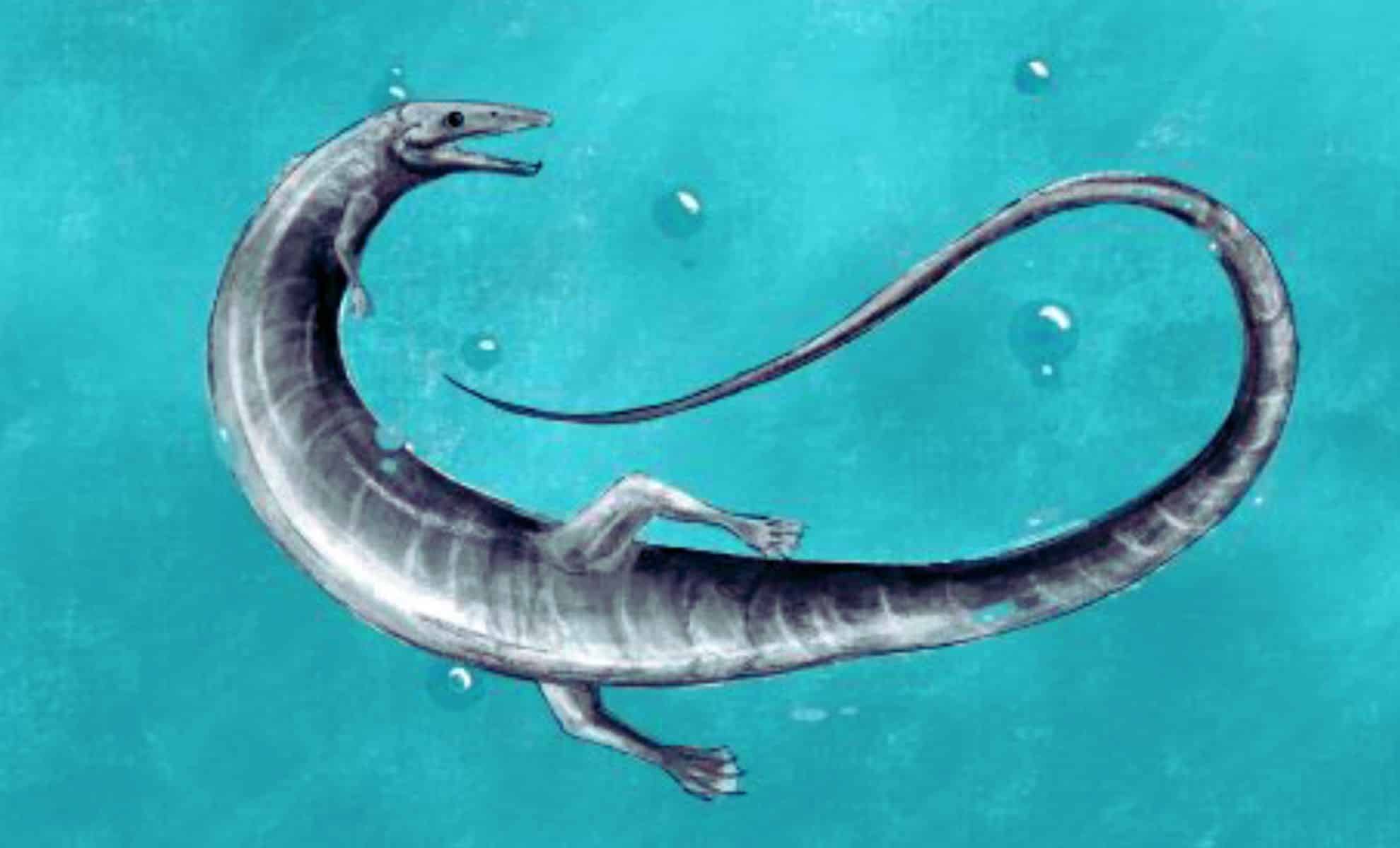
Scientists Uncover First Juvenile Pleurosaurus, Solving 150-Million-Year Mystery

Scientists have discovered the first juvenile specimen of Pleurosaurus, a marine reptile from the Late Jurassic period, filling a crucial gap in understanding its growth and development. The find also challenges the classification of the genus Acrosaurus, suggesting it may not be a separate species but a juvenile stage of Pleurosaurus. The well-preserved fossil, found in Germany, provides new insights into the ontogeny of these extinct reptiles and highlights the importance of juvenile fossils in paleontological research.

science7 months ago

Iron Deficiency in Pregnancy Alters Sexual Development in Male Mice

A new study in mice shows that iron deficiency during pregnancy can cause XY embryos to develop female characteristics by disrupting the activation of the SRY gene, which is crucial for male sex development. This finding suggests that nutrition and metabolic factors like iron may influence sex development, although further research is needed to determine if this applies to humans.

science1 year ago

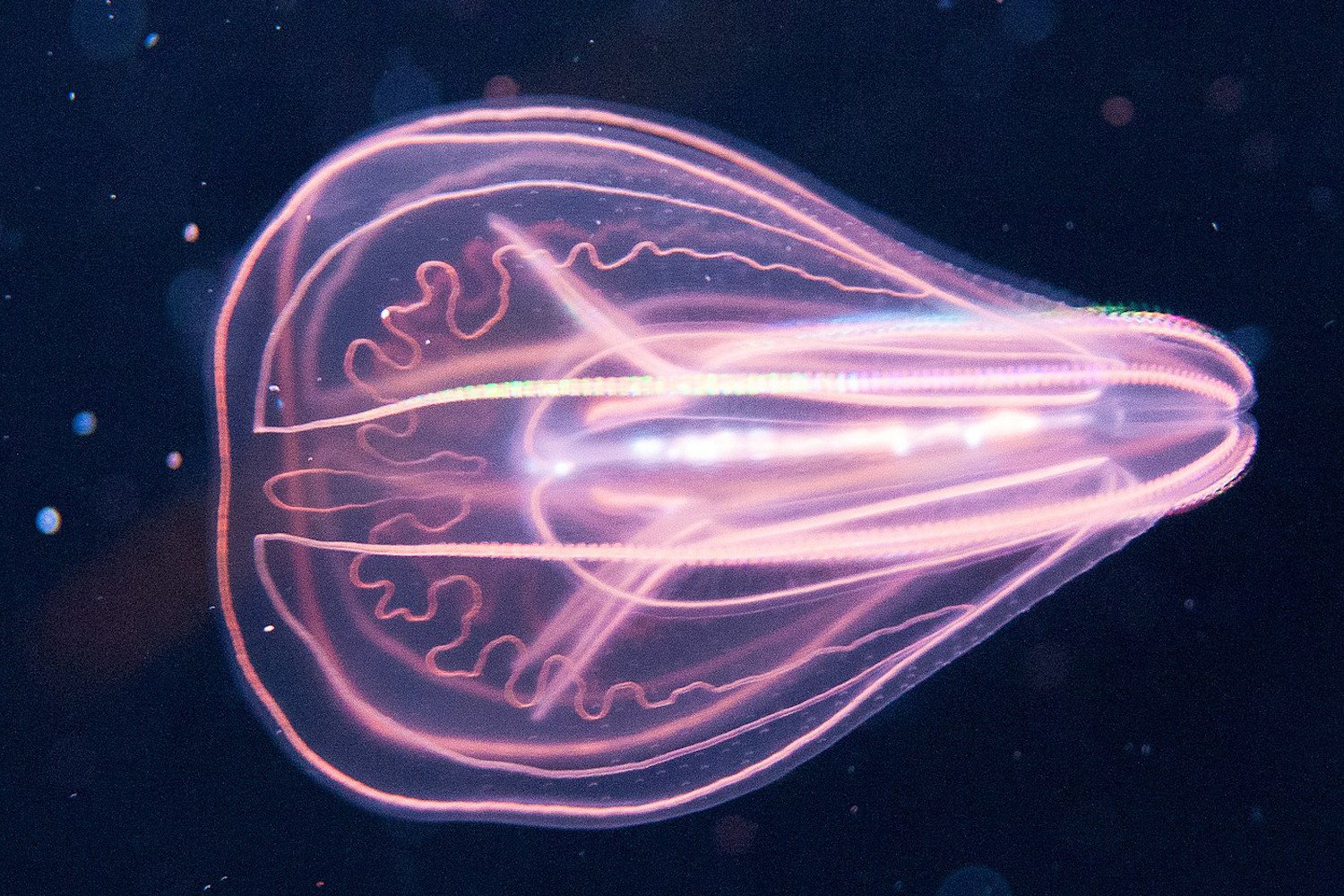
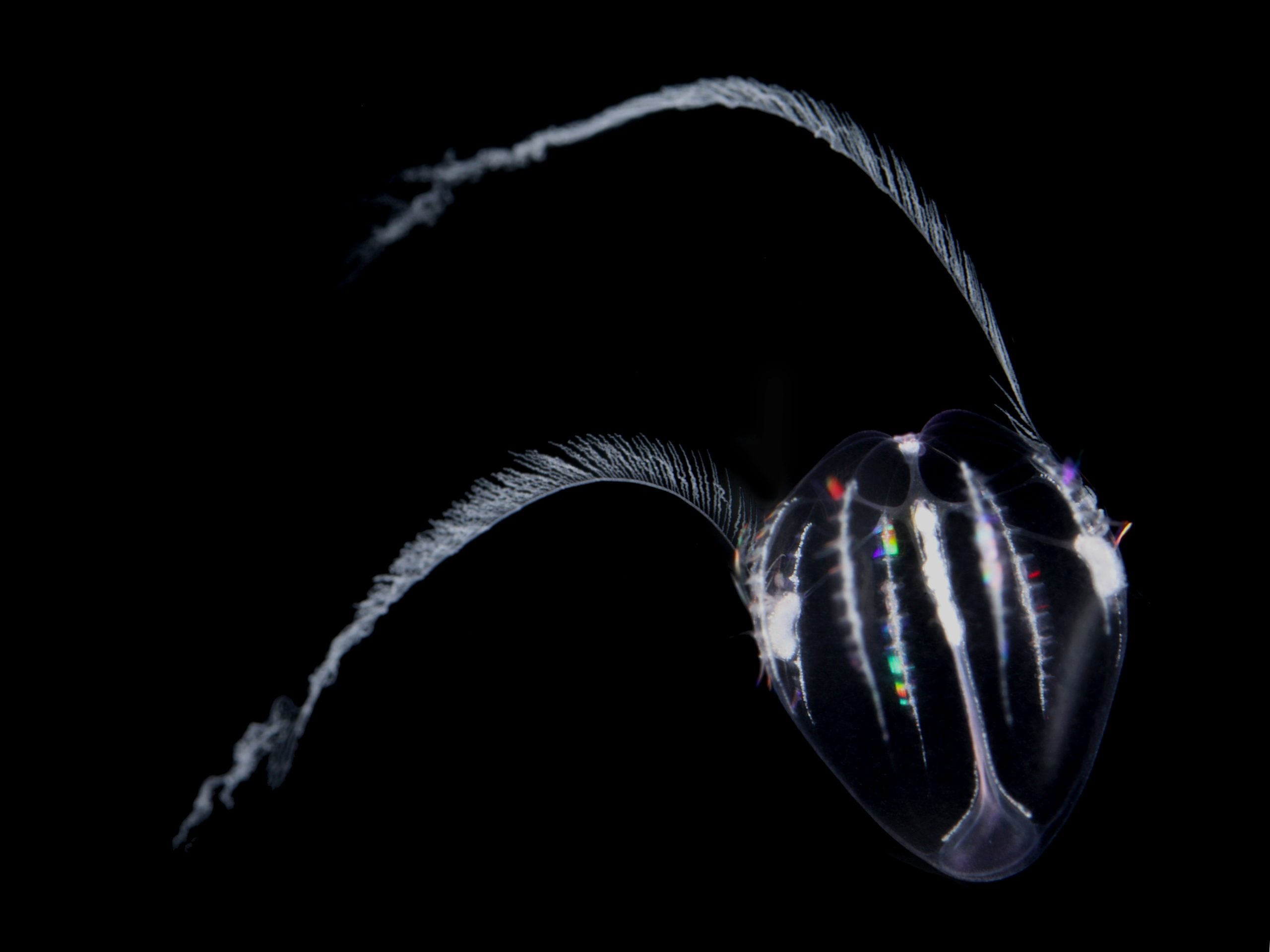
Scientists Uncover Jellyfish That Reverses Aging

Scientists have discovered that the comb jelly, Mnemiopsis leidyi, can reverse its aging process, reverting from an adult to a larval stage under extreme stress. This finding, published in the Proceedings of the National Academy of Sciences, challenges current understanding of animal development and suggests that life cycle plasticity might be more widespread than previously thought. The discovery opens new avenues for research into the molecular mechanisms of reverse development and its implications for aging and biology.

science1 year ago

Comb Jellies Defy Aging with Reverse Time-Travel Ability

Scientists have discovered that the ctenophore Mnemiopsis leidyi, a type of comb jelly, can reverse its development from an adult to a larval stage under stress, challenging traditional views on animal life cycles. This ability, similar to the 'immortal jellyfish' Turritopsis dohrnii, suggests that life cycle flexibility may be more common in the animal kingdom than previously thought. The findings, published in PNAS, open new research avenues in developmental biology and aging, highlighting the potential ancient origins of this trait.

science-and-technology1 year ago

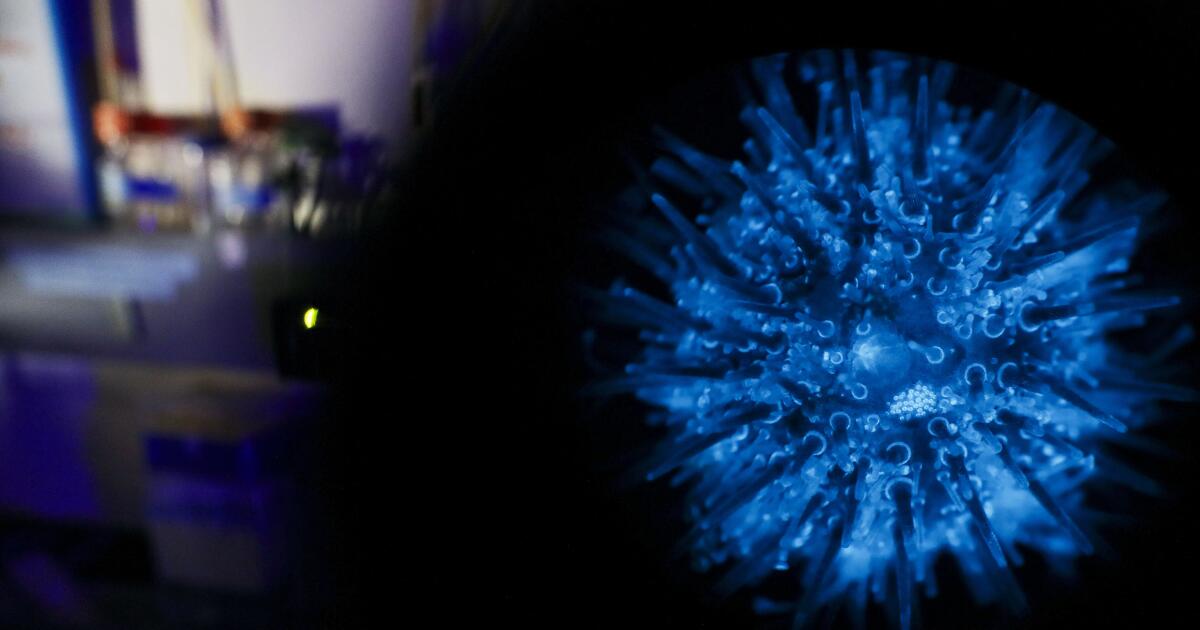
Scripps Scientists Achieve Transgenic Sea Urchin Breakthrough

Scientists at UC San Diego's Scripps Institution of Oceanography have successfully created the first transgenic sea urchins, which glow under fluorescent light due to the insertion of jellyfish DNA. This breakthrough allows for easier genetic modification and study of sea urchins, potentially transforming them into a widely accessible model organism for research in neurobiology, developmental biology, and toxicology. The goal is to make these genetically modified urchins available to researchers globally, similar to how transgenic mice and fruit flies are used in labs.

science1 year ago

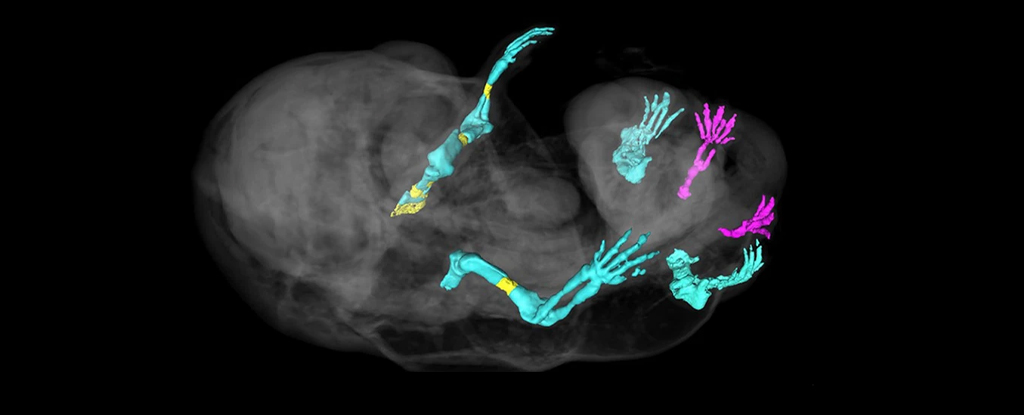
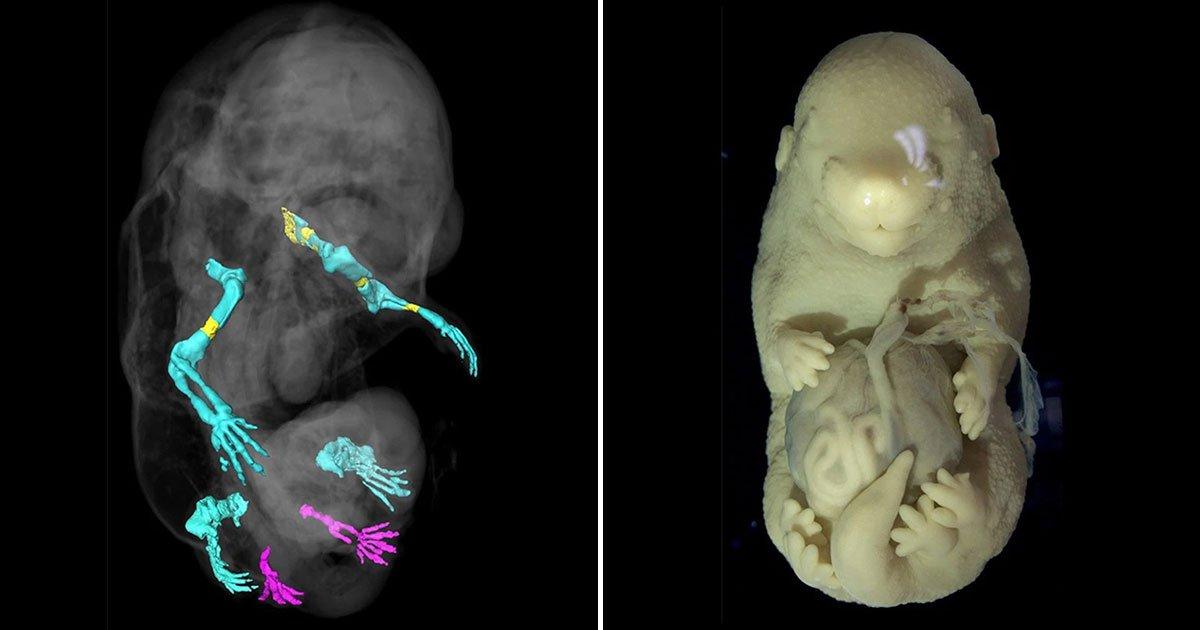
"Accidental Genetic Modification: Six-Legged Mouse Lacks Genitals"

Scientists accidentally discovered that turning off the Tgfbr1 gene in mouse embryos led to the development of an extra pair of legs instead of genitals. This unexpected result sheds light on the genetic mechanisms involved in limb and genital development, suggesting a potential link between the two. The study provides insights into the early stages of mammalian embryonic development and may have implications for understanding developmental disorders and diseases.

science1 year ago

"Uncovering the Potential of a Six-Legged Mouse in Cancer Treatment"

Scientists accidentally created a mouse embryo with six legs and no genitals while investigating the role of the Tgfbr1 protein in embryo development, revealing how changes to DNA can significantly impact development. The study suggests that understanding the mechanisms controlled by Tgfbr1 could have implications for morphogenetic processes and diseases, including cancer. This research may lead to new insights for cancer treatments targeting DNA and shed light on other physiological and pathological processes.

science2 years ago

"The Mysterious Force Behind Life's Initiation: Unraveling Friction's Role"

A study from the Institute of Science and Technology Austria reveals that sea squirt oocytes utilize internal friction to undergo developmental changes post-conception, shedding light on the role of friction forces in shaping and forming an evolving organism. Ascidians, or sea squirts, are used as model organisms for understanding vertebrate development due to their similarities with humans. The research provides new insights into the mechanical forces that determine cell and organismal shape, highlighting the pivotal role of friction in embryonic development.

science-and-technology2 years ago

"Advancements in Stem Cell Research: Modeling a Two-Week-Old Human Embryo"

Researchers have successfully created models resembling two-week-old human embryos using stem cells, bypassing the earliest stages of development. These models, made of nested cellular bubbles, allow for studies that are not possible in human embryos and could advance research in developmental biology and medical science.

science2 years ago

Unraveling the Secrets of Limb Regrowth: The Axolotl's Groundbreaking Discovery

Researchers at EPFL and TU Dresden have discovered new insights into the limb regeneration abilities of axolotls, challenging previous assumptions. By creating an atlas of single-cell transcriptomes from multiple species, including humans and axolotls, the study revealed that axolotls have cells with characteristics similar to those essential for limb development in other species. However, the study also found that axolotls do not fully reform apical-ectodermal-ridge (AER) cells during limb regeneration, suggesting a unique approach to limb regrowth. These findings open up new possibilities for exploring limb regeneration strategies in mammals, including humans.

science-and-technology2 years ago

The Ethical Implications of Human Embryo Models in Research

Researchers have developed integrated embryo models using stem cells to study human development, but caution should be exercised in their use. These models mimic key stages of human embryo development and could help uncover the causes of early pregnancy loss and improve reproductive technologies. However, concerns arise regarding the potential for growing these models for longer periods, which could raise ethical and regulatory issues. Non-integrated models that mimic specific aspects of development offer alternatives that are easier to study and pose fewer ethical challenges. Researchers are urged to carefully consider the scientific rationale and potential public perception before pursuing the replication of entire human embryos from stem cells.

science2 years ago

Generating Fully Developed Embryo Models from Naïve ES Cells: A Breakthrough in Human Reproductive Research

Scientists have successfully developed complete models of human day 14 post-implantation embryos using naïve embryonic stem cells (ES cells). This breakthrough in developmental biology and reproductive medicine provides valuable insights into early human development and could have significant implications for studying embryonic development and improving assisted reproductive technologies. The models accurately recapitulate the complex cellular organization and structures of the embryos, including the epiblast, hypoblast, trophoblast-like compartments, and amnion-like and yolk sac-like structures. This research opens up new possibilities for studying human embryogenesis and advancing our understanding of early human development.