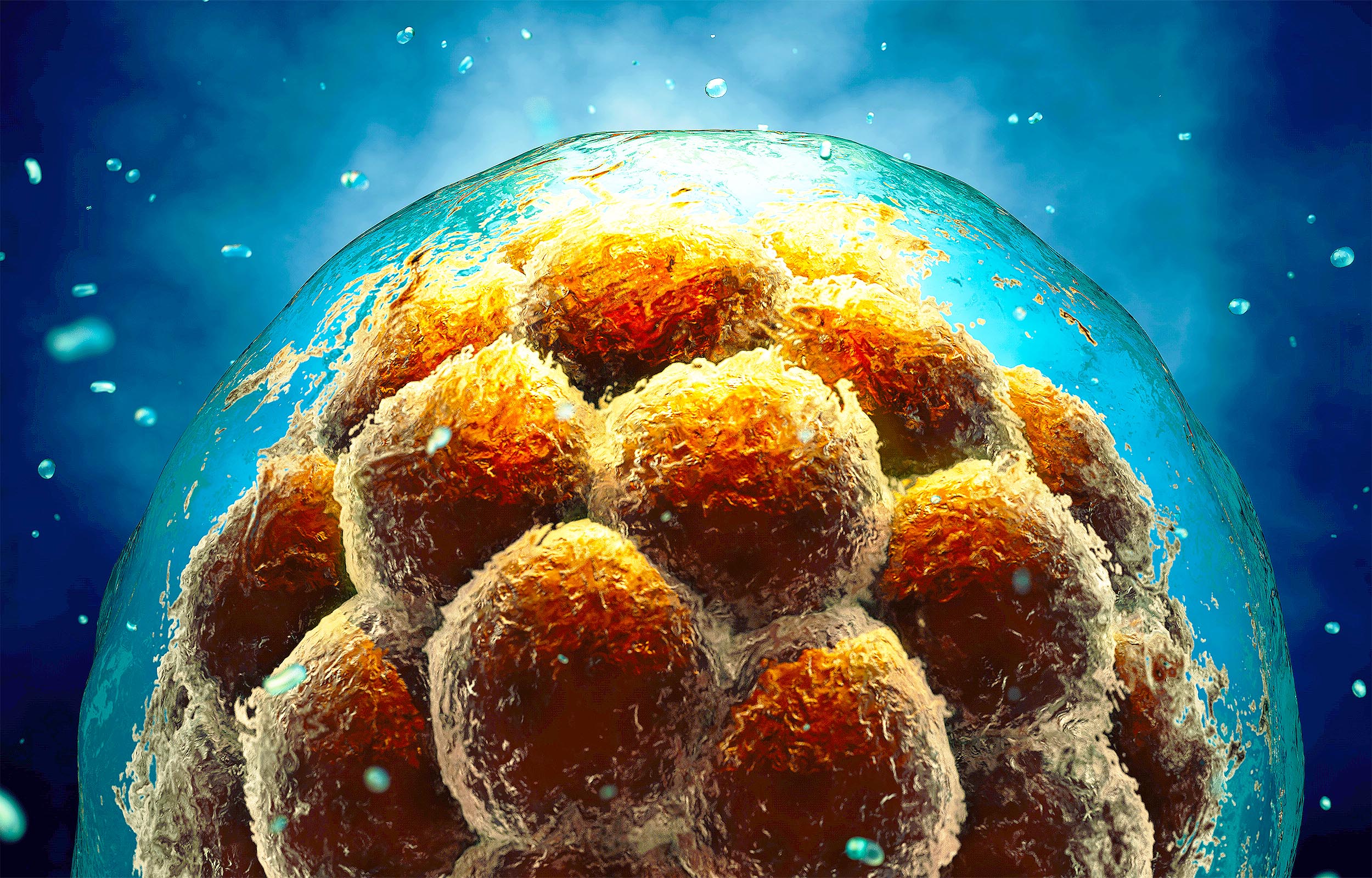
A new tracking technology called LoxCode allows scientists to label and follow individual cells in mouse embryos with unprecedented detail, revealing early lineage biases and asymmetries that influence body part development, with potential applications in medicine and developmental biology.
A Canadian teenager in critical condition with H5N1 bird flu was infected with a strain different from the one affecting U.S. dairy cattle, according to Canadian health authorities. The virus, linked to wild birds, has caused poultry outbreaks in British Columbia, where the teen resides. This is Canada's first confirmed H5N1 case, with no clear source of infection identified. Health officials are investigating potential exposure routes, but no other cases have been found, suggesting it may be an isolated incident.
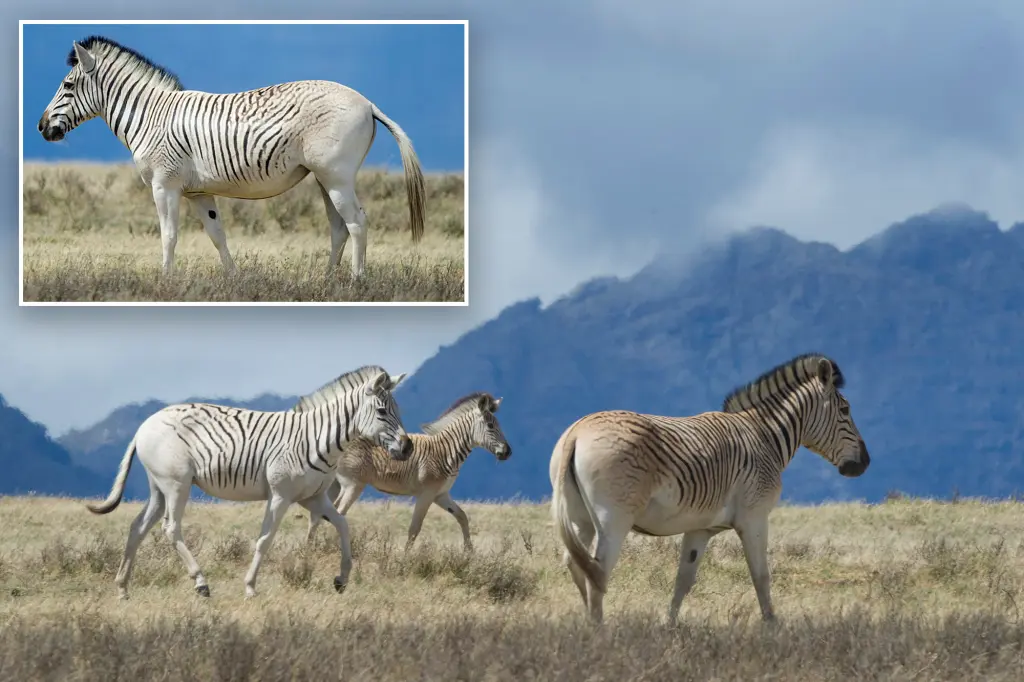
Scientists involved in the Quagga Project claim to have resurrected the extinct quagga, a zebra relative, through selective breeding rather than cloning. This effort has sparked debate among experts, with some viewing it as a superficial attempt akin to 'Jurassic Park,' while others see it as a hopeful symbol for conservation. The project, which began in 1987, aims to recreate the quagga by breeding zebras with similar genetic traits. Despite criticisms, the project could offer insights into restoring endangered species.
Over 4.5 million players of the video game Borderlands 3 have contributed to microbiome research by playing a mini-game called Borderlands Science, where they helped align genetic sequences of bacteria. By matching colored tiles, players effectively assisted in decoding genetic material, leading to the solving of over 135 million puzzles and significantly improving the alignment of microbial DNA sequences. This collective effort has provided valuable insights into the human microbiome and its relation to human health, showcasing the potential for integrating scientific research into popular video games.
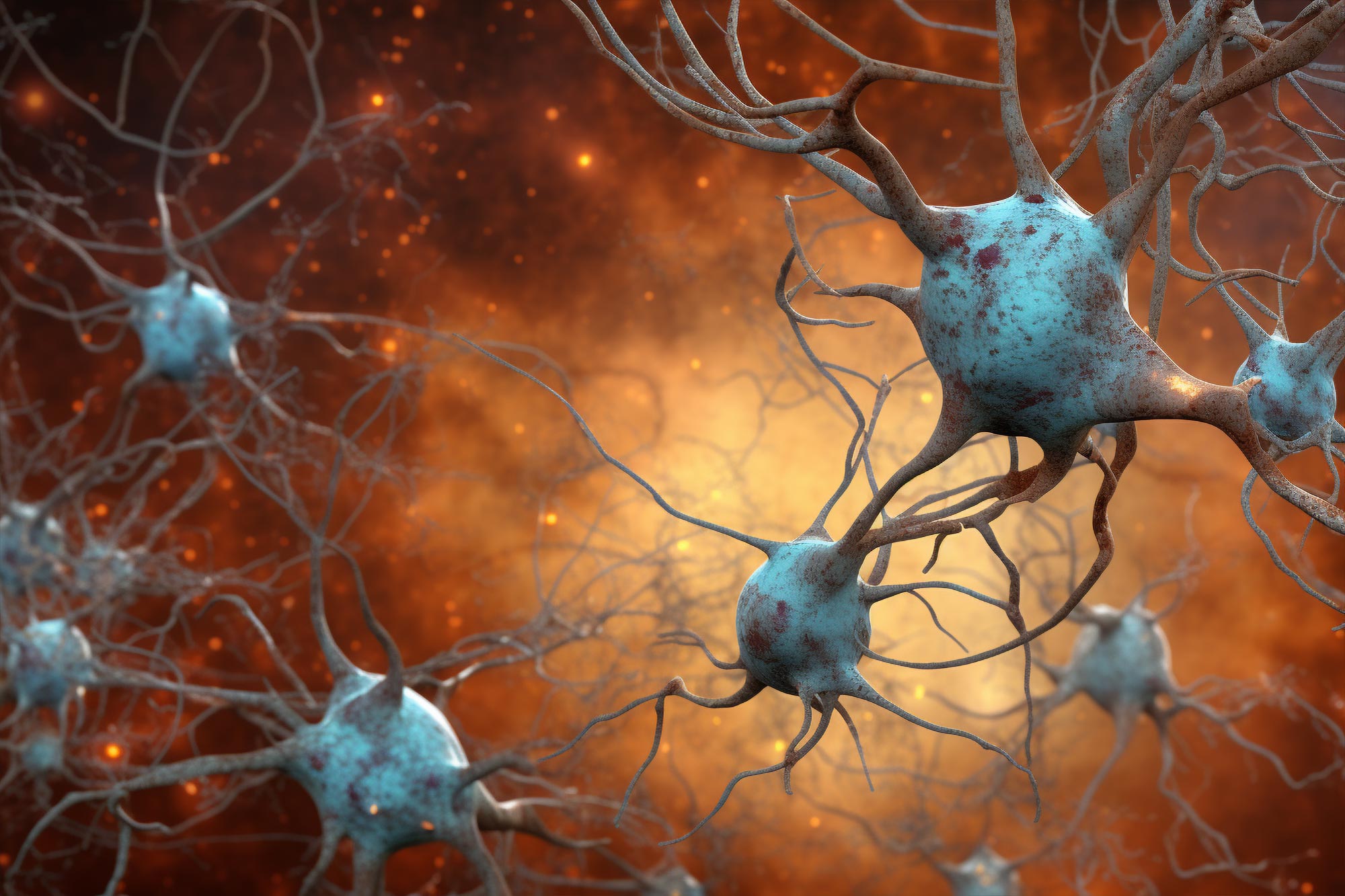
Researchers at UC Santa Barbara, in collaboration with international teams, have made significant progress in understanding the genetic form of early-onset Alzheimer’s disease affecting a large family in Colombia. They discovered a unique mutation responsible for the disease and found clues to how one family member unusually avoided its typical effects. Through genetic analysis and innovative technology, they identified differences in genetic processes between autosomal dominant and sporadic Alzheimer’s cases, suggesting that treatments for one type may not be effective for the other. They also uncovered clues as to how a family member with the same mutation managed to live into her 70s without developing dementia, shedding light on potential protective mechanisms.
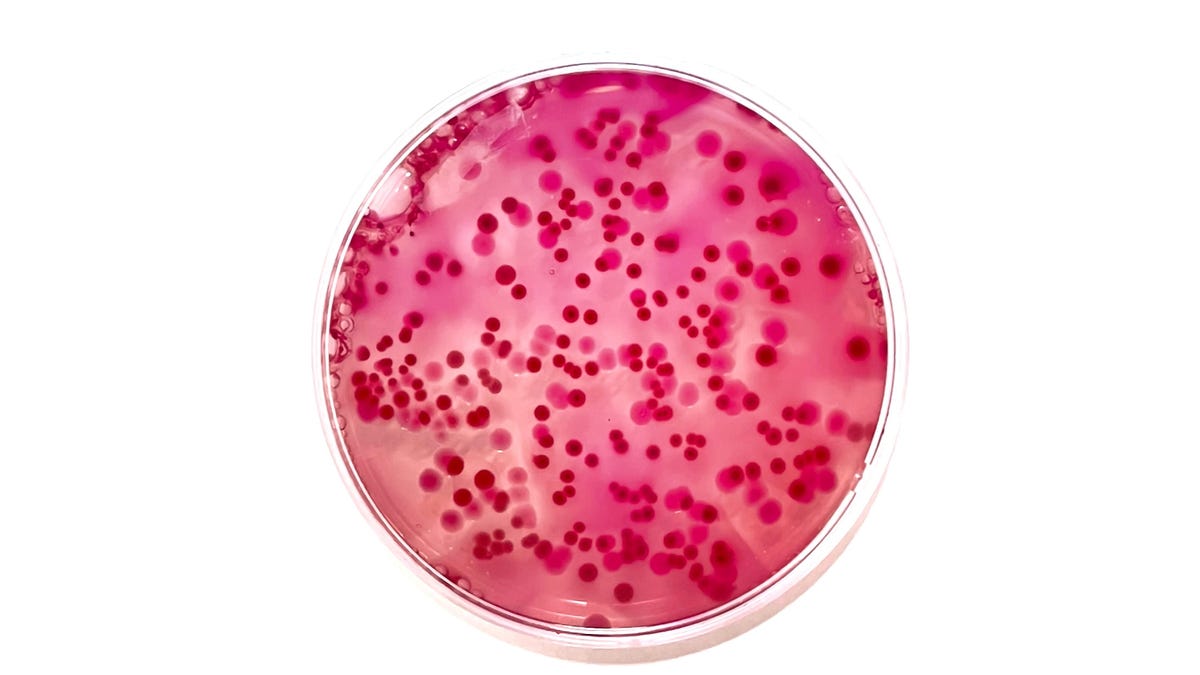
Swiss researchers have genetically sequenced dozens of previously unknown bacterial species in patient samples, identifying 35 new species out of 61 found. Some of these bacteria are considered clinically relevant and capable of causing disease, highlighting the importance of identifying novel organisms. The team's algorithm, NOVA, aims to expedite the detection and analysis of unknown microbes, potentially aiding in future research and discoveries in bacteriology.
Researchers have identified a new early-onset movement disorder associated with mutations in the ACBD6 gene, which shares similarities with Parkinson's disease. The disease, evident in childhood, causes progressive cognitive symptoms and motor manifestations. Genetic sequencing across unrelated families revealed disease-causing mutations in the ACBD6 gene. Understanding the function of ACBD6 could advance the understanding of genetic causes and cellular pathways underlying Parkinson's disease. The study highlights the importance of collaboration between research labs and diagnostic laboratories in finding precise molecular diagnoses for rare disorders.
A recent study on Caribbean parrots has revealed that these birds were once more prevalent and varied than previously thought, with species believed to be unique to specific islands. Over half of the Caribbean parrot species are now extinct, making them the most endangered bird group globally. The study sheds light on the historical distribution of parrots and the human role in their relocation. Genetic sequencing has helped identify fossil species and establish connections between extinct Caribbean birds and those in Africa and New Zealand. Understanding the past distribution of species is crucial for conservation efforts.
Scientists have completed the sequencing of the Y chromosome, the smallest and most complex chromosome in the human genome, resolving most of the missing DNA sequences. The international consortium of researchers, known as T2T, added 200 million letters to the human genome, discovering 40 previously unknown protein-coding genes. The new reference genome, called T2T-CHM13+Y, has been made available to the research community. Additionally, a study on the sequences of 43 Y chromosomes from humans over the last 183,000 years revealed great diversity in size and structure. These findings contribute to the pangenome initiative, which aims to capture the genetic variability among individuals and improve our understanding of genetic diseases.
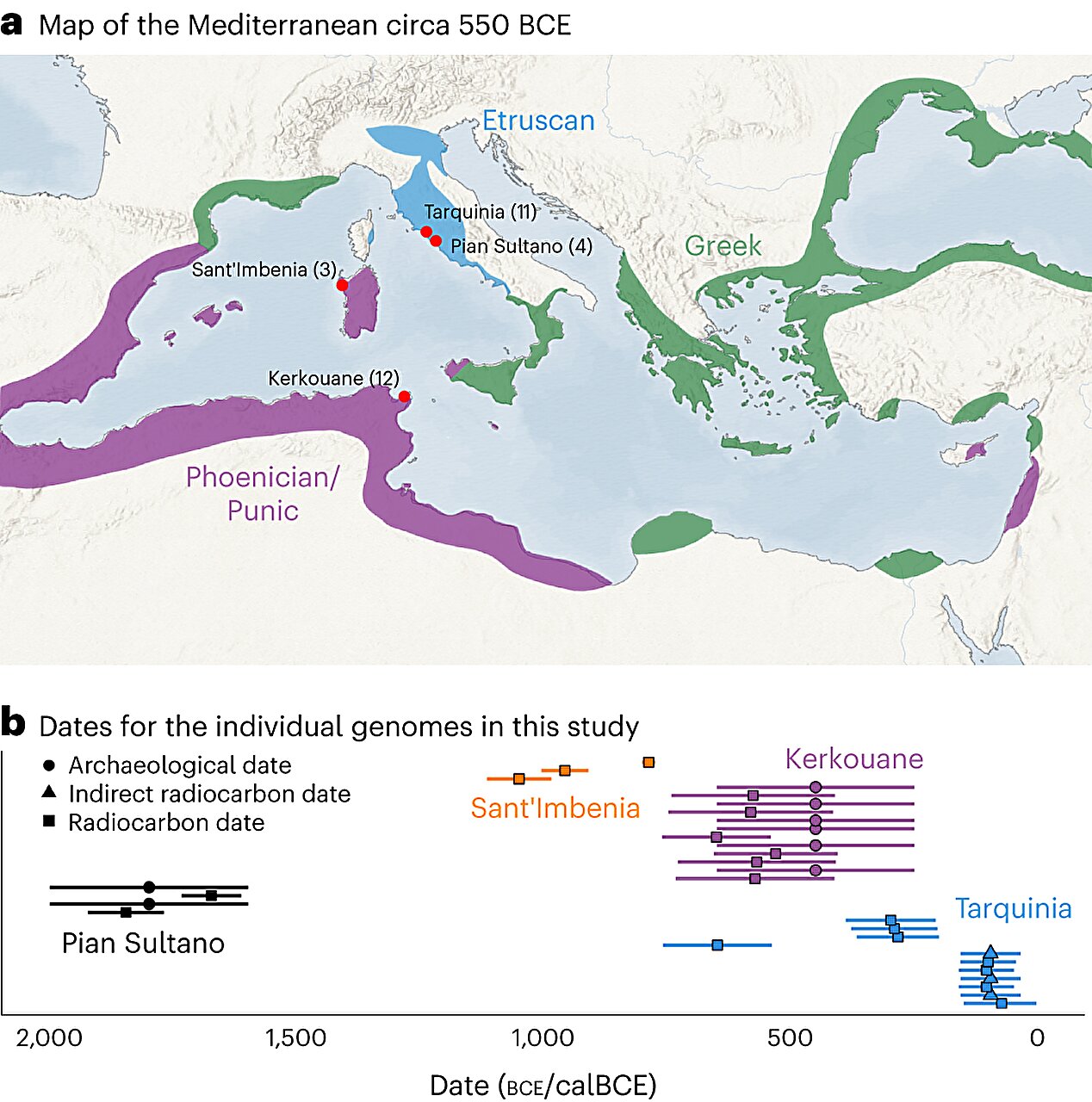
A study published in Nature Ecology & Evolution reveals new insights into the migration patterns of people living around the Mediterranean Sea during the Iron and Bronze Ages. By conducting genetic sequencing on the remains of 30 individuals from Italy, Tunisia, and Sardinia, researchers found evidence of widespread migration and strong ties between distant populations. The study also identified heterogeneity in Iron Age populations and shifts in ancestry in North Africa and Sardinia during the Bronze Age, suggesting increased migration from Morocco and Iran to Sardinia and Tunisia. The findings highlight the impact of migration on shaping the ancestry of Mediterranean populations during this time period.
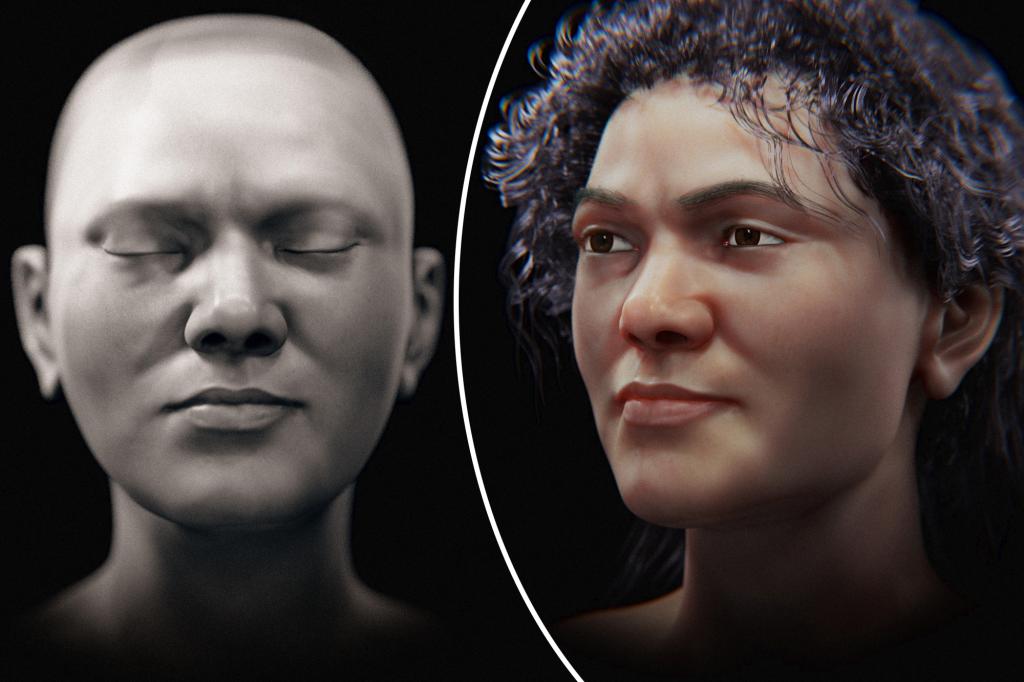
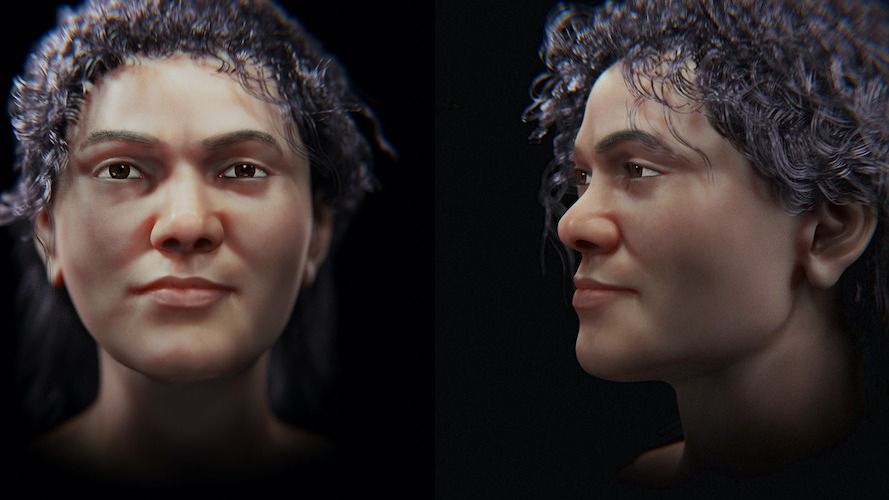
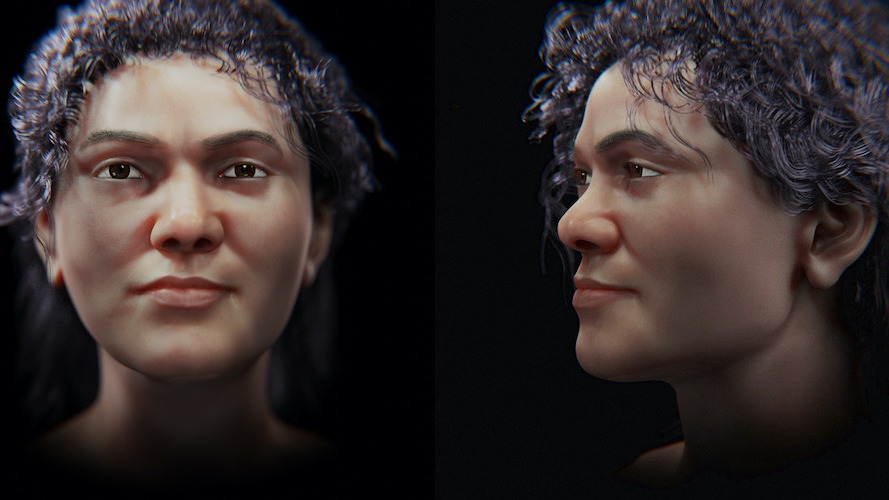
Researchers have digitally reconstructed the face of the Zlatý kůň woman, whose 45,000-year-old remains were discovered in a cave system in the Czech Republic in 1950. Using data from CT scans of her reconstructed skull, scientists created an image of a woman with dark, curled hair, light brown skin, and brown eyes. The skull, which is missing several parts, including the nasal bone and left orbit, is under the care of the Department of Anthropology of the National Museum in Prague. The facial reconstruction provides insights into the woman's Neanderthal ancestry and was created using a similar technique as the one used to reconstruct King Tut's face.
A facial approximation of the Zlatý kůň woman, the oldest modern human to be genetically sequenced, has been created using data from computed tomography scans of her skull. The woman lived 45,000 years ago and her genome carries roughly 3% Neanderthal ancestry. The facial approximation reveals a woman with dark, curly hair and brown eyes, and a robust jawline that is more compatible with Neanderthals than modern humans. However, much about her remains a mystery, and the approximation provides only a speculative representation of her soft tissues.
Researchers have created a facial approximation of the Zlatý kůň woman, the oldest modern human to have her genome sequenced. The woman lived 45,000 years ago and her DNA revealed that she had roughly 3% Neanderthal ancestry. Using existing CT scans of her skull and statistical data, researchers reconstructed her face, noting her robust jawline and larger endocranial volume compared to modern humans. The lifelike image depicts a woman with dark, curly hair and brown eyes, providing insight into her possible appearance. However, much about her remains a mystery, as genetic data cannot accurately determine facial characteristics.
Despite guidelines and common use of genetic sequencing in major medical centers, many American cancer patients aren't getting screened and are missing out on treatments that could prolong their lives. Less than half of patients who qualify end up getting their tumors sequenced, and just 7% of patients who meet criteria to have their own genes sequenced actually do. Medicaid will pay for treatments based on tumor genetics, but in some states, it won't cover the genetic screening needed to determine whether a patient should get the drug.
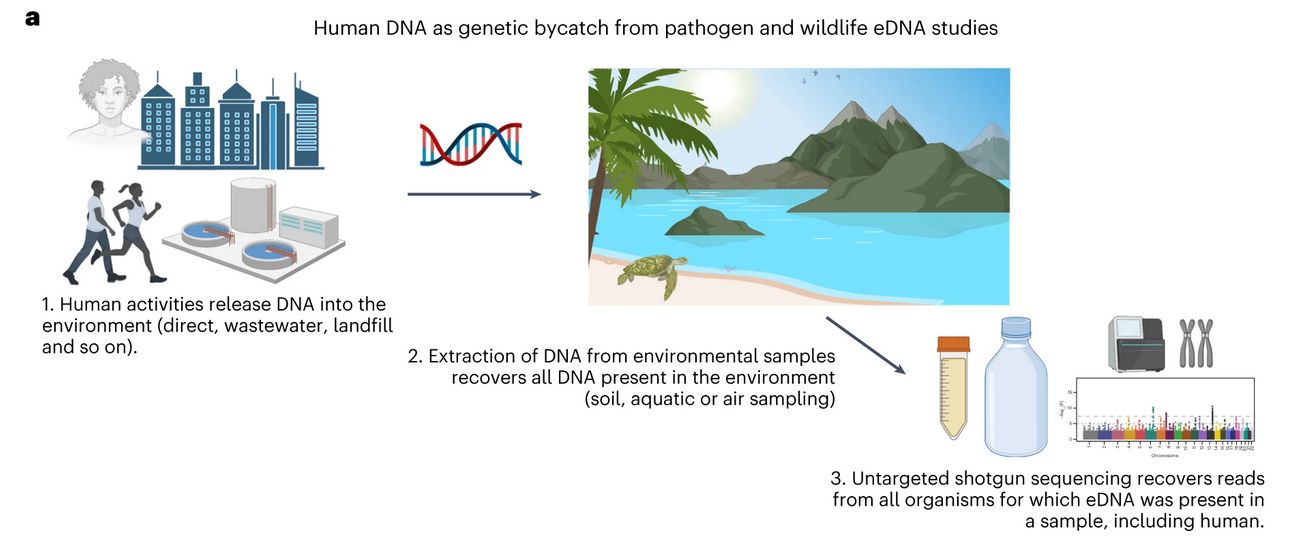
Researchers at the University of Florida have found that human DNA is present in environmental DNA samples, which could be used to monitor human populations for genetic issues. However, preventing contamination of samples with human DNA is difficult. Additionally, the possibility of individual-level tracking using eDNA-based monitoring is exciting to researchers but may not be acceptable to humans. As genetic sequencing methods improve, the use of environmental DNA sampling for population health monitoring is likely to increase.