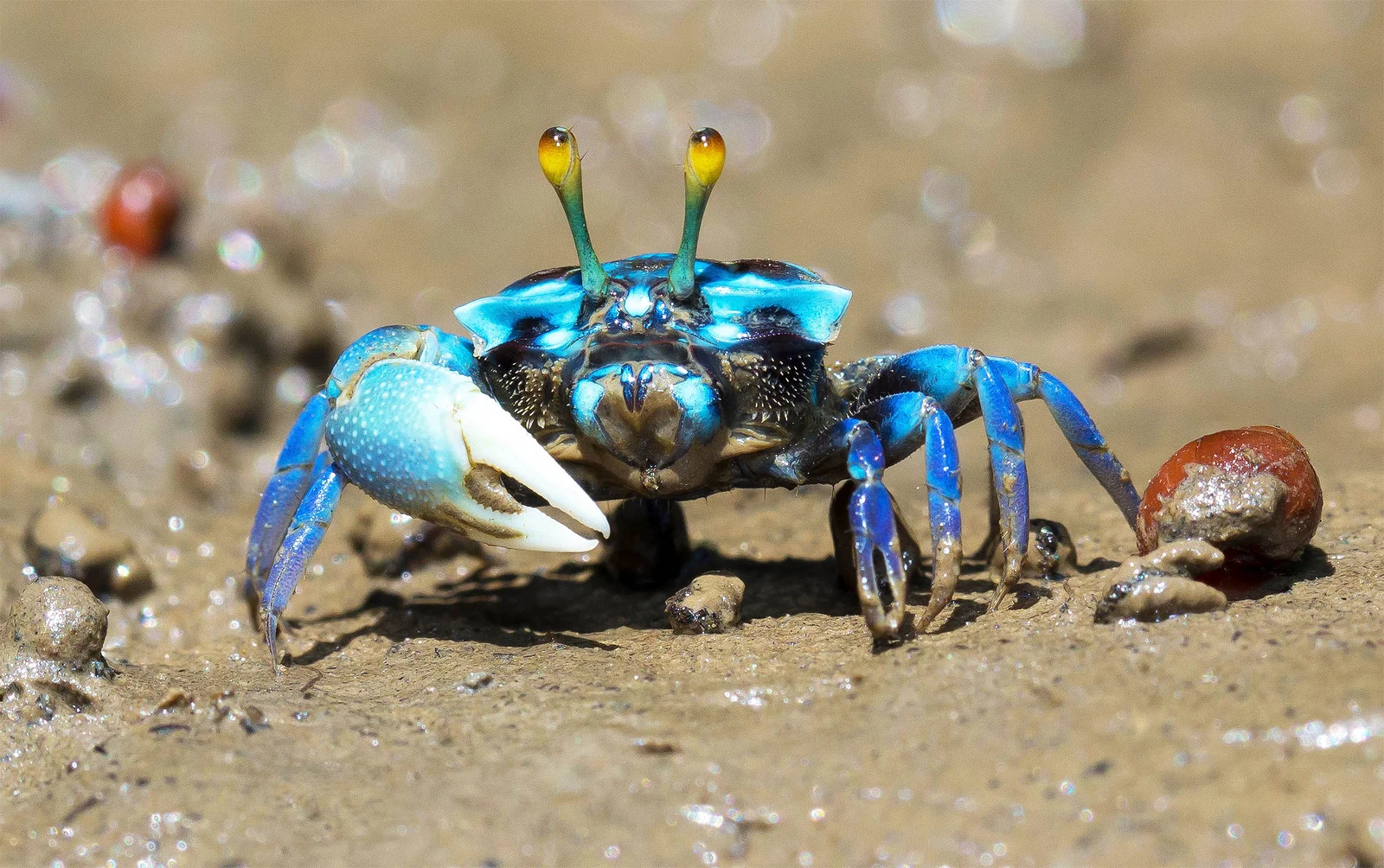
Scientists have found that crab-like bodies have evolved independently at least five times in crustaceans, driven by similar environmental pressures and internal anatomical changes, a phenomenon known as carcinization, which involves predictable morphological adaptations across different lineages.
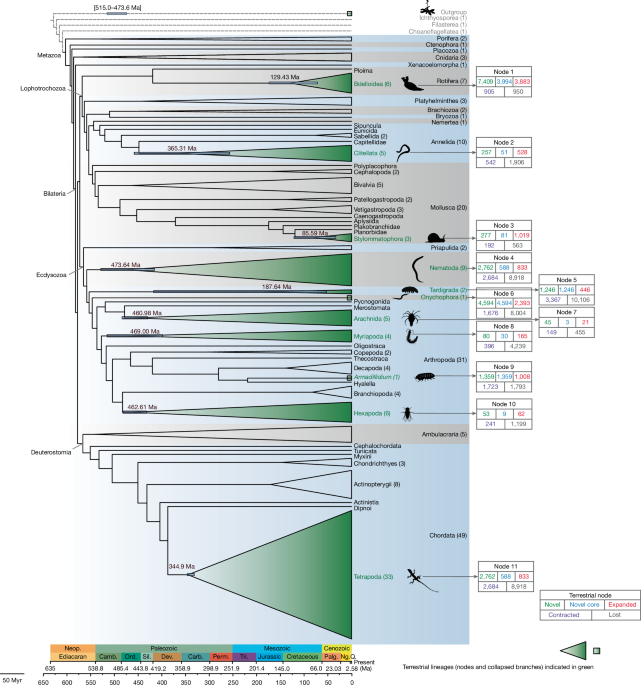
The study reveals that independent terrestrialization events in animals involved convergent genomic adaptations, including gene gains and losses related to osmoregulation, stress response, immunity, and sensory functions, with three major temporal windows identified during Earth's history, highlighting both predictable and lineage-specific evolutionary responses to land colonization.
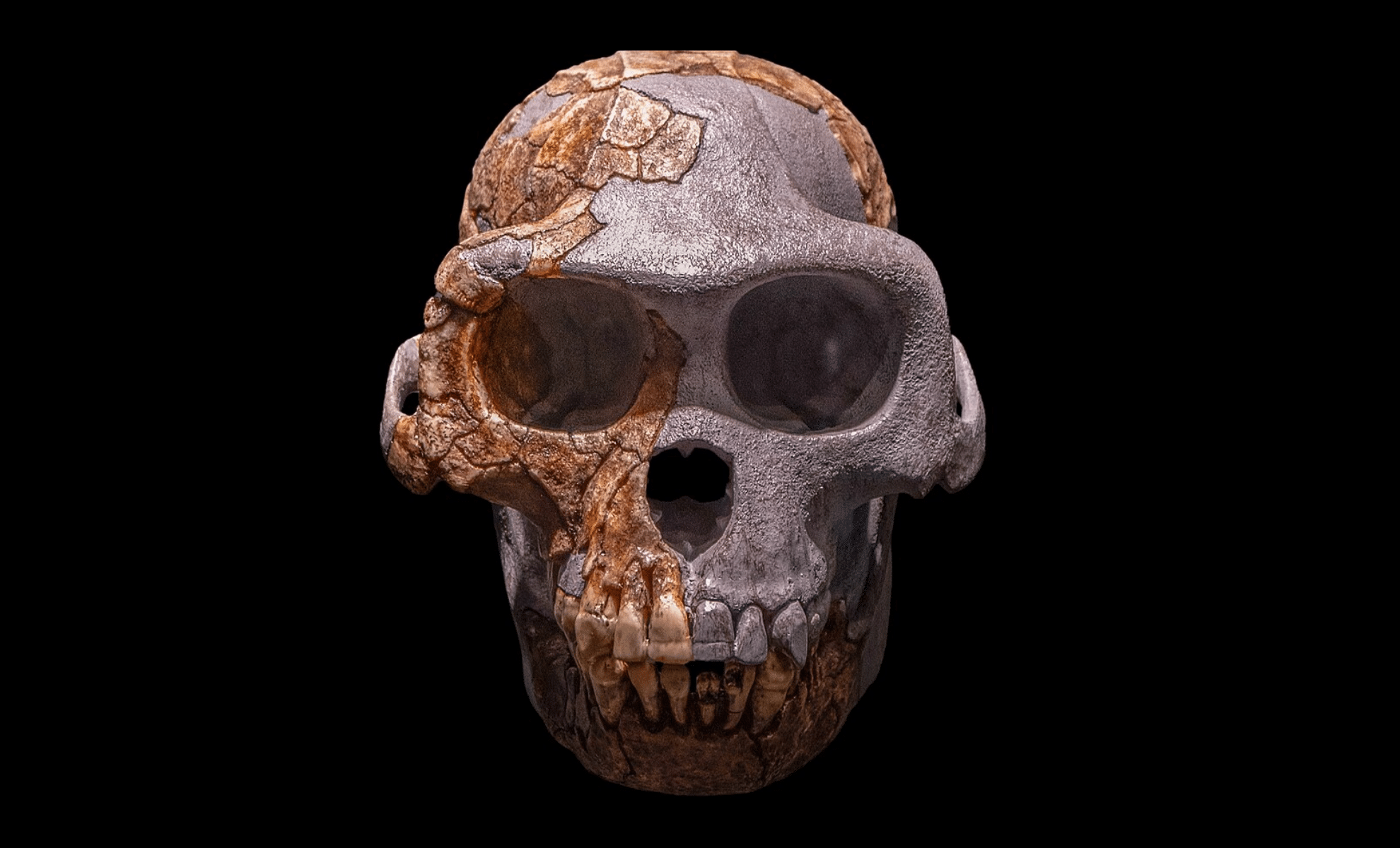
A new study of 4.4-million-year-old Ardipithecus fossils suggests early human ancestors were capable of both tree-climbing and upright walking, challenging previous ideas that they were solely tree-dwellers and indicating a more complex, gradual evolution from ape-like ancestors to humans.
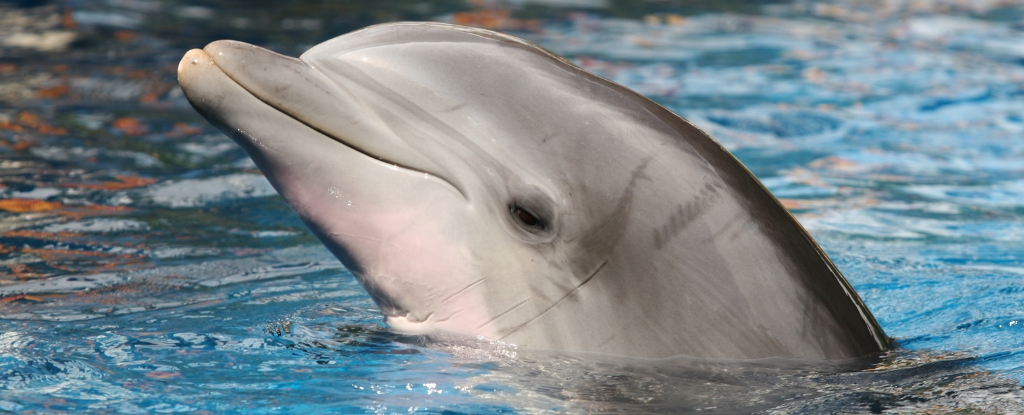
Chinese scientists used an AI protein language model to uncover how high-order protein features drive convergent evolution, explaining why different species independently develop similar functions, such as echolocation in bats and toothed whales.
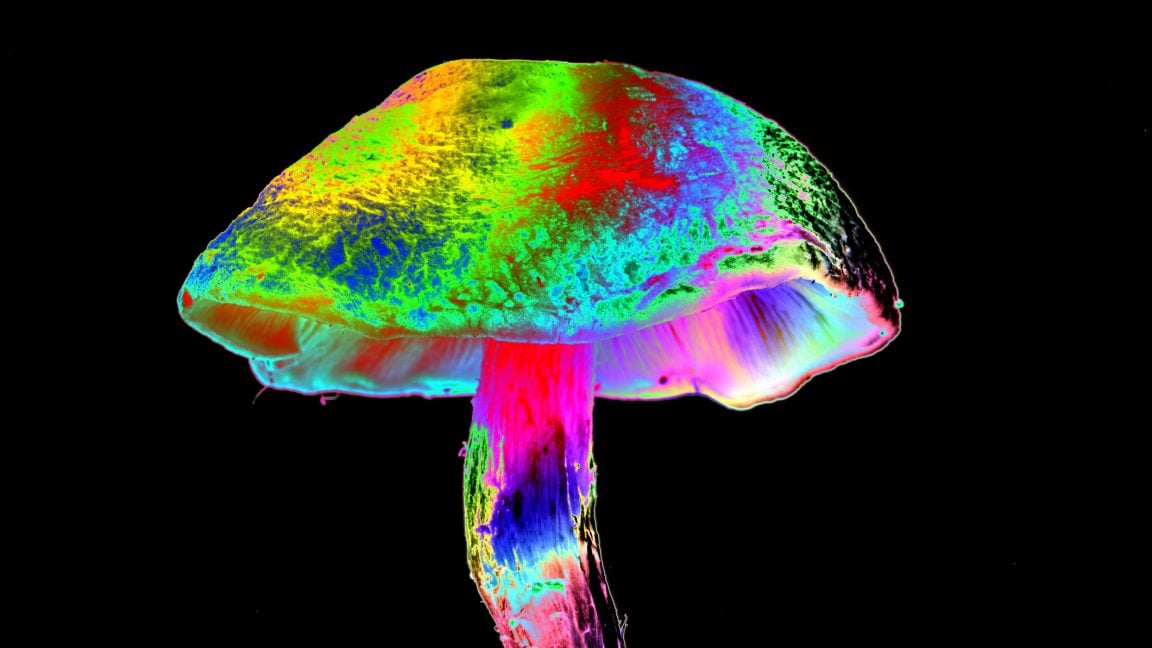
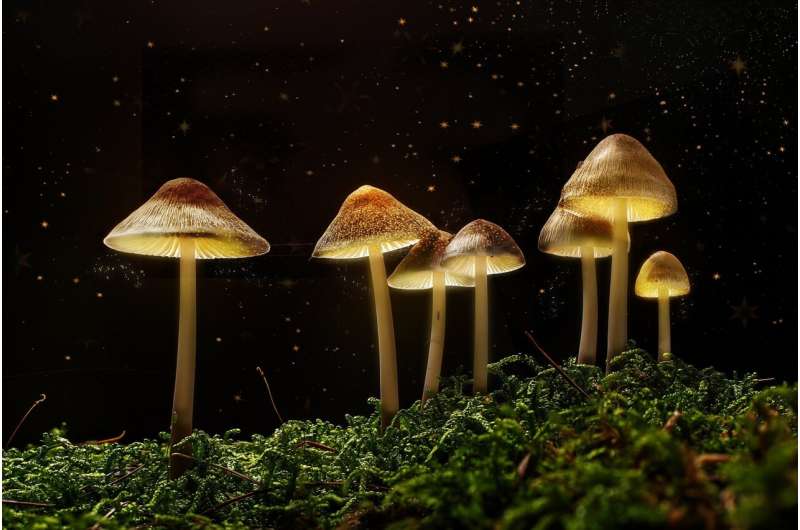
A new study reveals that different mushroom species independently evolved the ability to produce the same psychoactive compound, psilocybin, through distinct enzymatic pathways, highlighting a rare case of convergent evolution in fungi with implications for medical research.
Researchers have discovered that two unrelated groups of mushrooms independently evolved the ability to produce the psychedelic compound psilocybin through different biochemical pathways, highlighting convergent evolution. The purpose of psilocybin in fungi remains unknown, but it may serve as a defense mechanism. This discovery expands biotechnological tools for producing psilocybin, which is being studied as a potential antidepressant, and prompts further investigation into its evolutionary role.
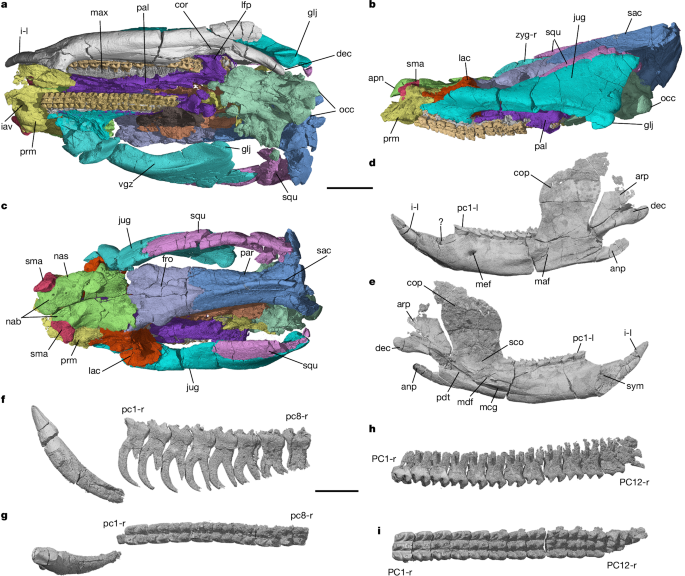
The article discusses the convergent evolution of diverse jaw joints in mammaliamorphs, supported by fossil data, digital reconstructions, and phylogenetic analysis, highlighting evolutionary adaptations in mammalian jaw structures.
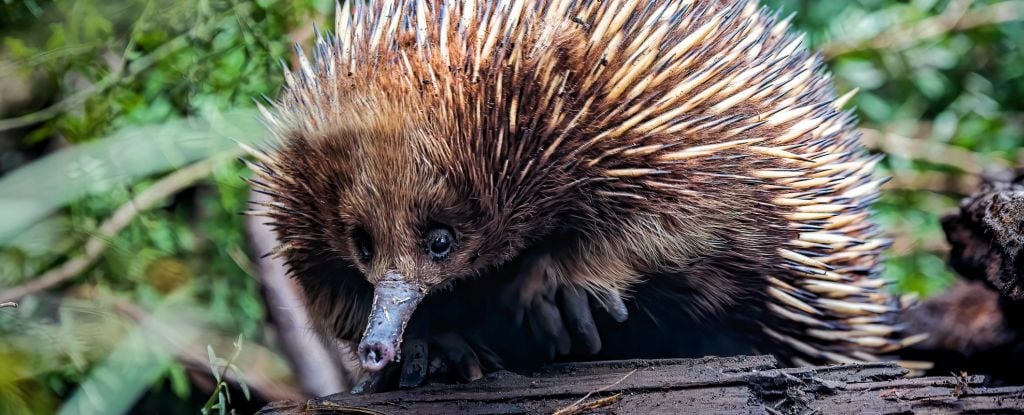
Research shows that at least 12 different mammal lineages have independently evolved to specialize in eating ants since the dinosaurs' extinction, developing similar physical traits such as elongated skulls and reduced teeth, highlighting a remarkable case of convergent evolution driven by the abundance of ants on Earth.
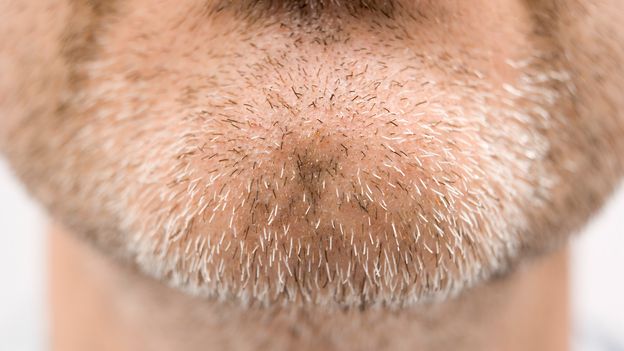
The article explores the ongoing mysteries of human body part evolution, highlighting how convergent evolution helps explain traits like testicle size across species and discussing the unique and unexplained features of the human chin.
The article explores the evolutionary reasons behind unique human features like the chin and the variation in testicle size among mammals, highlighting how convergent evolution helps scientists understand these traits and their relation to reproductive strategies, while noting that some human features, like the chin, remain mysterious due to lack of convergent evolution.
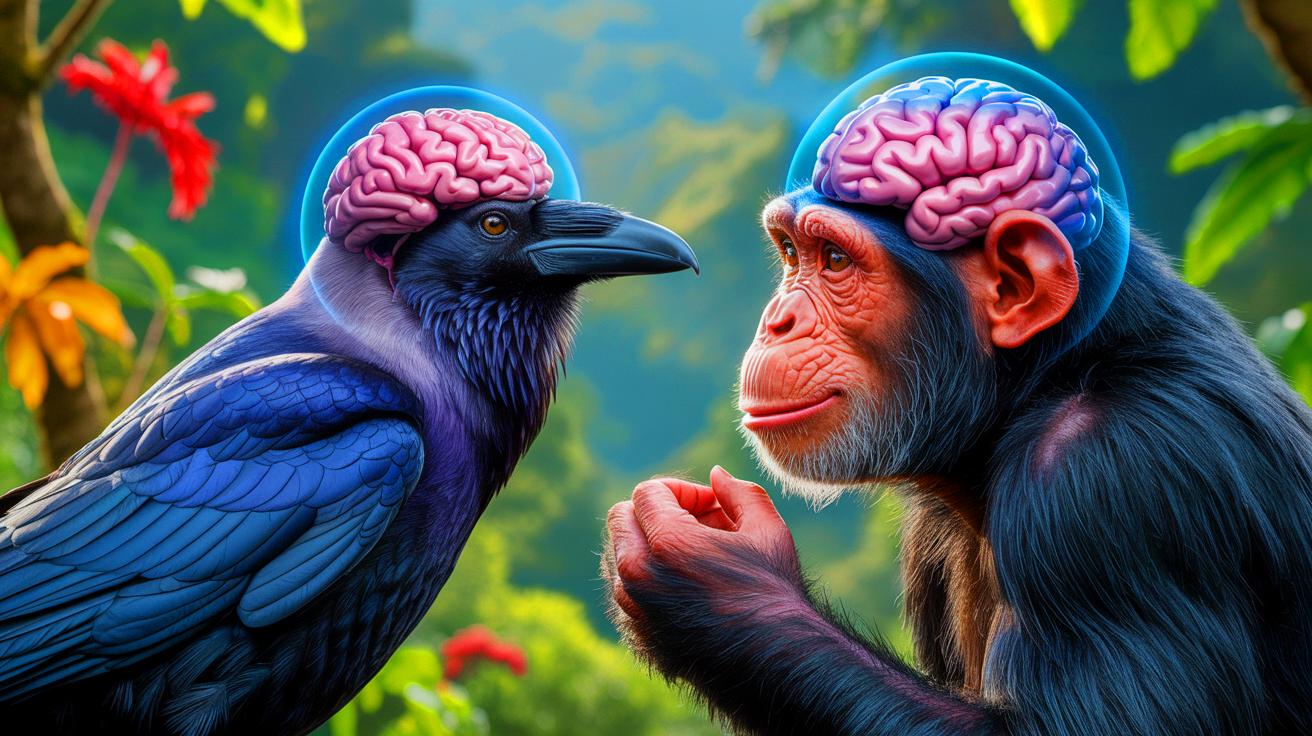
Recent studies reveal that bird and mammal intelligence evolved independently through different neural pathways, challenging traditional views and highlighting convergent evolution, which could inspire new AI development approaches.
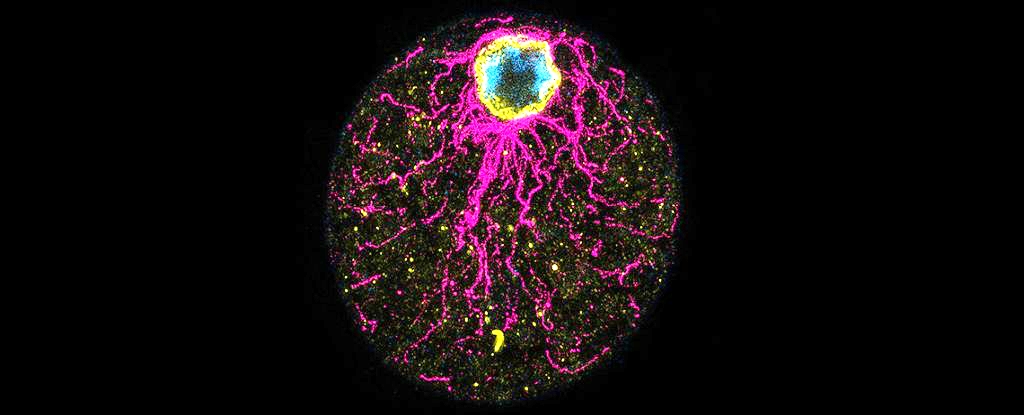
Scientists have discovered that the unicellular Ichthyosporean microbe Chromosphaera perkinsii exhibits embryonic-like cell division, suggesting that the genetic programming for eggs may have existed before animals. This microbe, which has been around for over a billion years, forms a blastula-like cluster of cells, similar to animal embryos. The findings imply that the genetic toolkit for embryonic development was present before the emergence of animals, offering insights into the evolutionary origins of multicellularity. The study, published in Nature, explores whether these similarities are due to a common ancestor or convergent evolution.
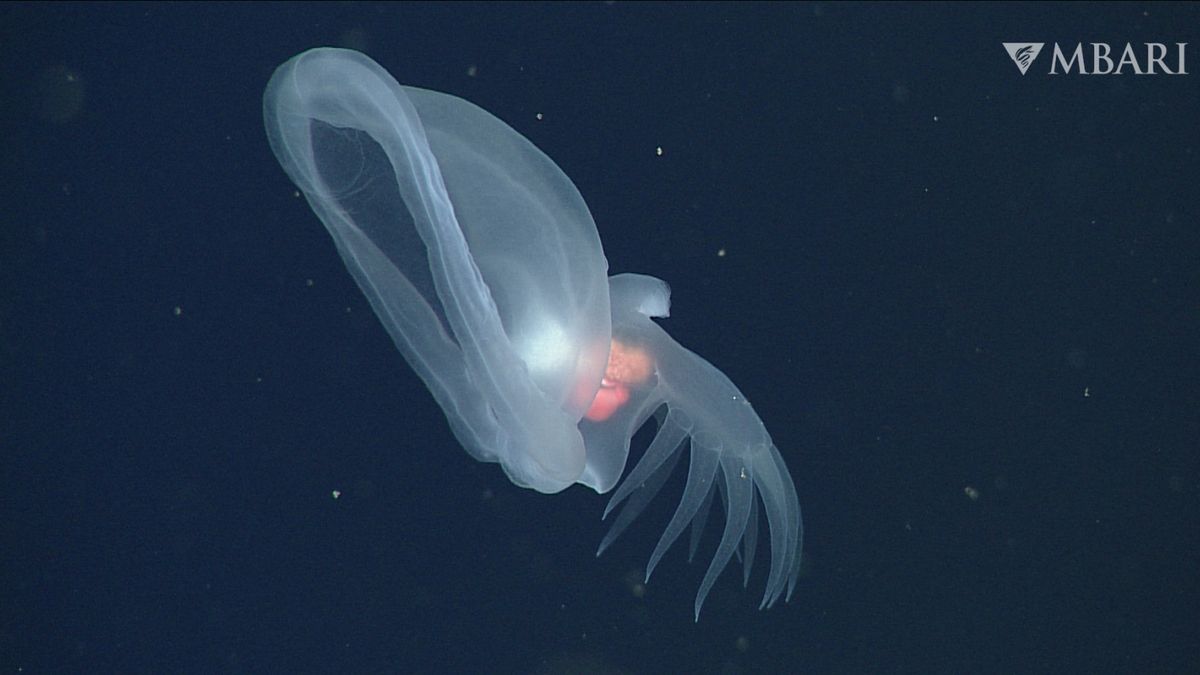
Researchers have discovered a new species of deep-sea nudibranch, Bathydevius caudactylus, which uses a jelly-like hood to catch prey and glows to deter predators. This bioluminescent sea slug, found at depths of 3,300 to 13,100 feet, is unique for living in the water column rather than on the seafloor. Its distinct features led to the creation of a new family, Bathydevius. The species' feeding method resembles a Venus fly trap, and it exhibits convergent evolution with other marine creatures. The discovery was published after 20 years of research by MBARI scientists.
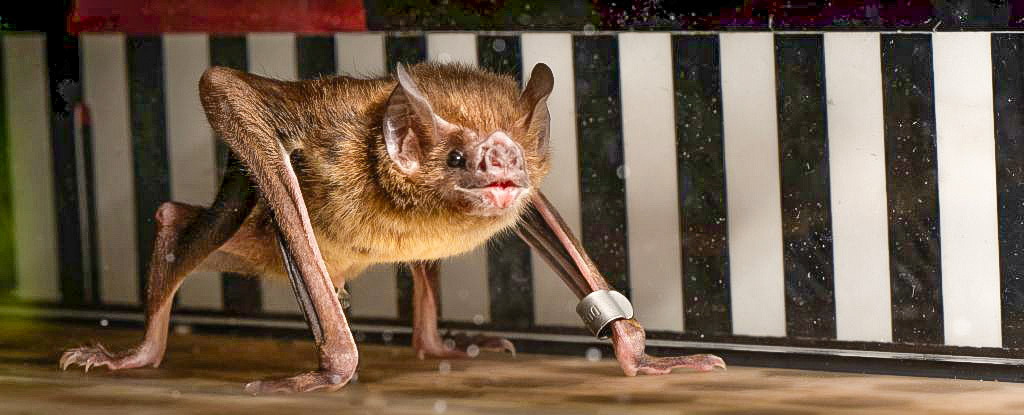
Scientists have conducted a study using treadmills to understand how vampire bats metabolize blood, revealing their unique ability to efficiently use amino acids for energy. Unlike most vertebrates that rely on carbohydrates and lipids, vampire bats rapidly metabolize protein-rich blood, a trait shared with some invertebrates like Tsetse flies. The research, involving bats fed with amino acid-enriched blood, highlights convergent evolution in blood-feeding animals and was published in Biology Letters.
A new analysis of the sunflower family tree has revealed that flower symmetry evolved multiple times independently, a process known as convergent evolution. The study, led by a Penn State biologist, used low-coverage genome sequences to increase the number of species in the analysis, providing insight into how the sunflower family, which includes asters, daisies, and food crops, evolved. The research team also found that changes in the number of copies and expression patterns of the floral regulatory gene, CYC2, are likely related to the convergent evolution of flower symmetry in sunflowers. This knowledge could help identify useful traits for selectively breeding plants with more desirable characteristics.