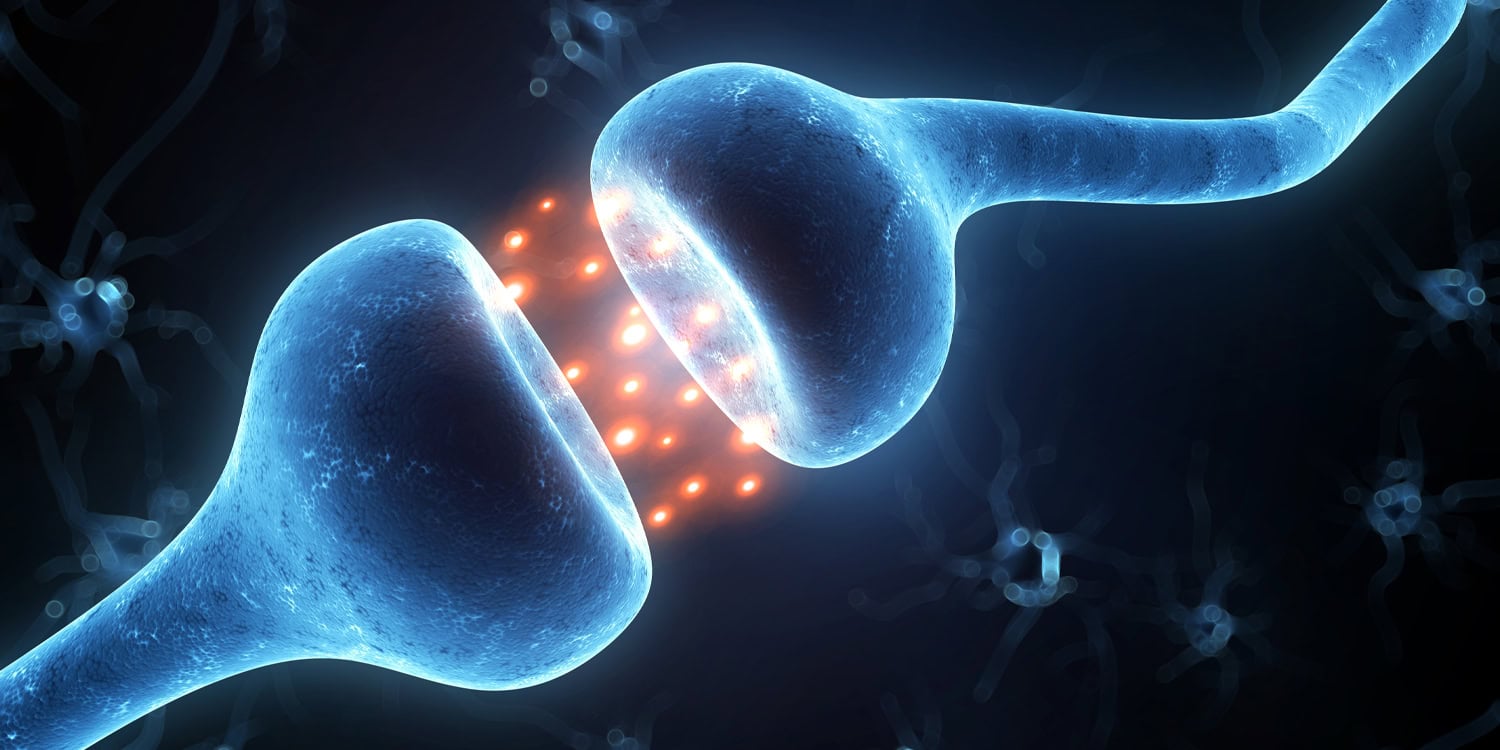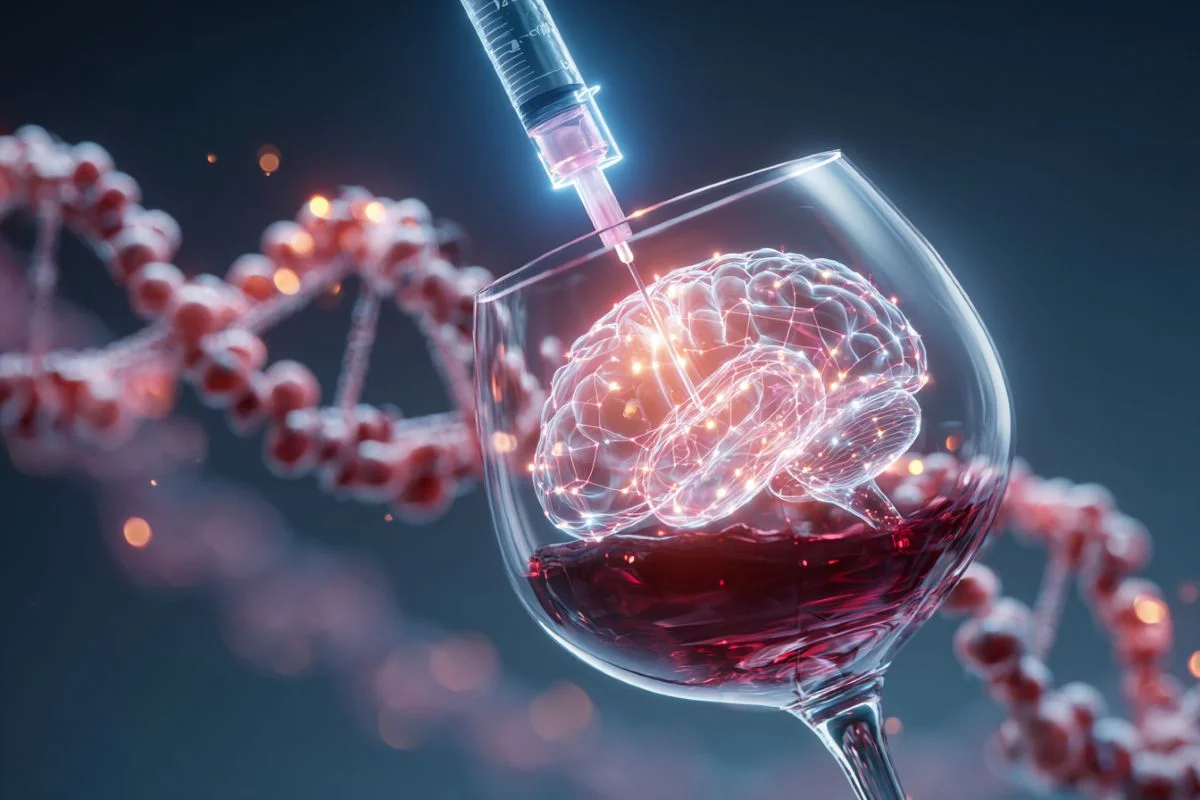
A study found that overgrowth of the gut fungus Candida albicans increases PGE2 levels, which cross into the brain and alter dopamine signaling, leading to decreased alcohol preference in mice; blocking PGE2 restores drinking behavior, highlighting a potential new target for treating alcohol use disorder.
Scientists from Scripps Research identified a brain region in rats, the paraventricular nucleus of the thalamus (PVT), that becomes active during alcohol withdrawal and relapse, shedding light on how negative reinforcement drives addiction and potentially guiding new treatments.
A clinical trial found that the dopamine-enhancing drug tolcapone improves self-control and reduces alcohol consumption in people with alcohol use disorder by increasing activity in brain regions involved in inhibitory control, suggesting targeted dopamine modulation as a promising treatment approach.
Alcohol use disorder affects over 10% of Americans, with rising death rates and significant links to mental health issues and genetics; despite its prevalence, most affected individuals do not receive adequate treatment, highlighting a critical public health challenge.
Alcohol use disorder affects over 10% of Americans, with rising death rates and significant links to mental health and genetics; despite its prevalence, most affected individuals do not receive adequate treatment, highlighting a critical public health issue.
A study in mice suggests that fewer than 500 neurons in the medial orbitofrontal cortex act as an 'off switch' for binge drinking, potentially leading to new treatments for alcohol use disorder if similar mechanisms are found in humans.
A small study found that a single high dose of psilocybin, combined with psychological support, can significantly reduce alcohol consumption and cravings in individuals with severe alcohol use disorder, with effects lasting at least 12 weeks, though larger controlled studies are needed to confirm these findings.
GLP-1 receptor agonist drugs like Ozempic, initially used for weight loss, are showing potential in reducing cravings for alcohol and other substances. Studies indicate that these drugs may lower the risk of alcohol use disorder and reduce nicotine and opioid overuse by influencing dopamine pathways in the brain. While not yet approved for treating substance use disorders, these drugs could revolutionize addiction treatment if further research supports their efficacy. Experts are hopeful that GLP-1 drugs could become a major tool in addiction therapy, similar to how SSRIs transformed depression treatment.
A study by Case Western Reserve University found that diabetes drugs Wegovy and Ozempic, which contain semaglutide, significantly reduce the risk and recurrence of alcohol-use disorder by 50%-56%. This discovery suggests a potential new treatment for AUD, though further clinical trials are needed to confirm these findings.
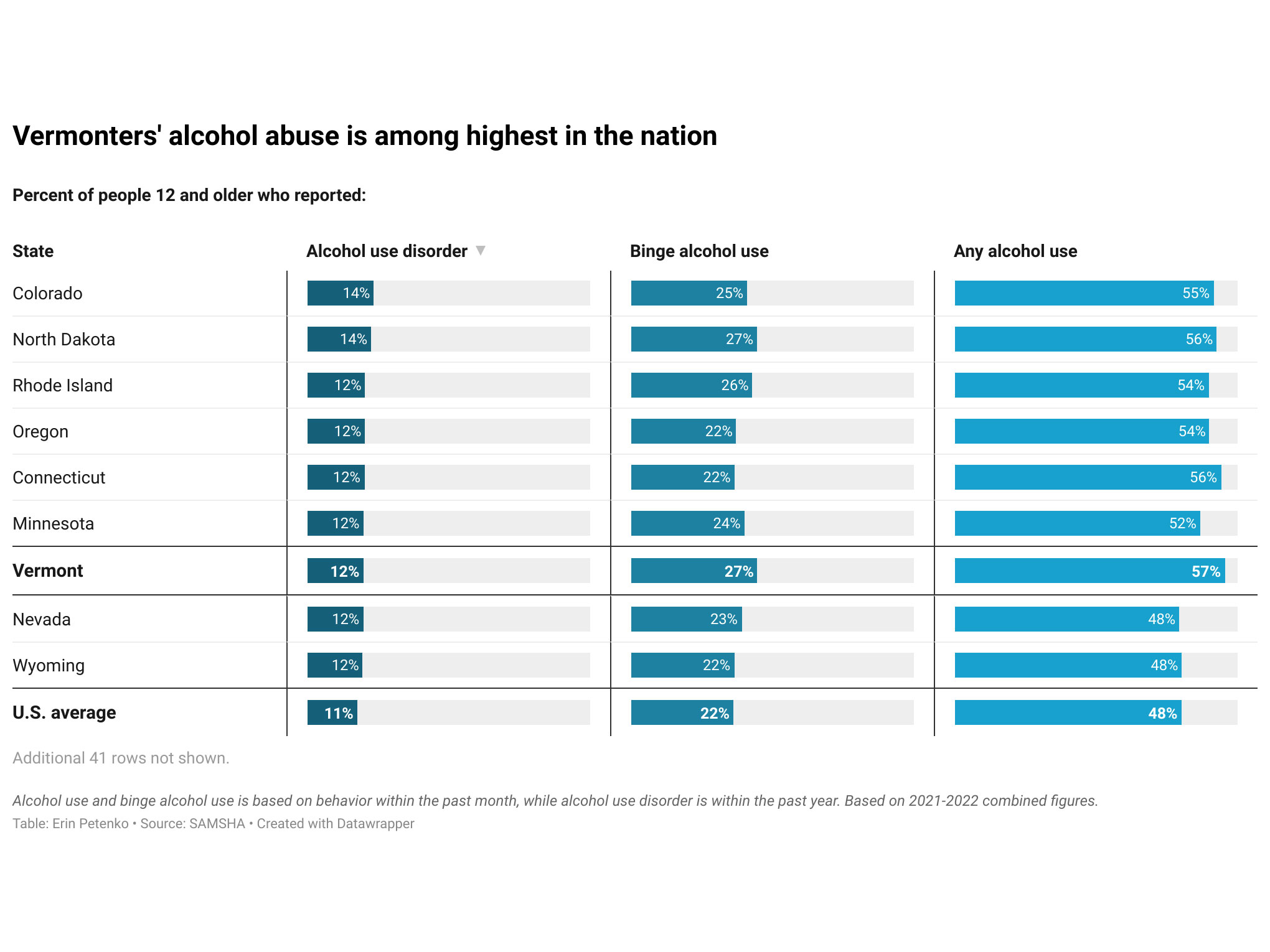
Vermont is facing a high rate of alcohol use disorder, with the state ranking second in the nation for this issue. The pandemic has led to an increase in alcohol misuse among older adults, with addiction recovery centers reporting a growing number of elderly individuals seeking help for alcohol dependency. Despite the prevalence of alcohol-related health problems, the cultural acceptance of alcohol makes it difficult for people to admit they have a problem and seek help. This issue has received less attention compared to the opioid epidemic, despite consistently affecting more people.
Researchers have discovered that inhibiting stress-related neurons may reduce alcohol consumption in individuals with both post-traumatic stress disorder (PTSD) and alcohol use disorder (AUD), without affecting trauma-related anxiety. The study highlights the role of corticotropin-releasing factor (CRF) producing neurons in the central amygdala in regulating alcohol use in response to stress. This research opens up new possibilities for treating individuals with comorbid PTSD and AUD by potentially targeting specific neural pathways involved in stress-induced drinking behaviors.
A new study published in the International Journal of Neuropsychopharmacology suggests that ketone supplements could significantly impact alcohol consumption and cravings. The research found that ketone supplements not only reduced breath and blood alcohol concentrations but also diminished the subjective appeal of alcohol. The study, conducted at the University of Pennsylvania, involved both human and rodent trials and revealed that the ketone supplement led to significant reductions in alcohol levels and altered subjective responses to alcohol. The findings may have implications for developing ketone therapy for individuals with alcohol use disorder and suggest that ketone drinks could aid in sober drinking cultures.
A new study suggests that weight loss drugs like Ozempic and Mounjaro, prescribed for obesity and type 2 diabetes, may have the unexpected effect of reducing alcohol consumption and cravings. Analysis of social media posts and a real-world survey showed that individuals taking these medications reported drinking less and experiencing fewer effects of alcohol. The findings indicate a potential for these drugs to help curb dangerous drinking habits, but further research, including randomized controlled clinical trials, is needed to explore their effectiveness in treating alcohol use disorder.
Billings resident Jenn Schaff and Dr. Eric Arzubi of Frontier Psychiatry are advocating for more awareness of medications that treat alcohol use disorder, following the loss of Schaff's father to alcohol-related illnesses. They emphasize that while 11% of Americans have been diagnosed with alcohol use disorder, only a small percentage are prescribed medications to help curb alcohol cravings. They hope to educate the public about the availability and effectiveness of FDA-approved medications like Naltrexone and Vivitrol to prevent more alcohol-related deaths.
The author shares their experience of participating in Dry January for a year, reflecting on the impact it had on their life and well-being. They discuss the challenges and benefits of abstaining from alcohol, and provide insight into their journey towards sobriety. For more information on alcohol use disorder and treatment options, readers are directed to a piece by Rachel DuRose.