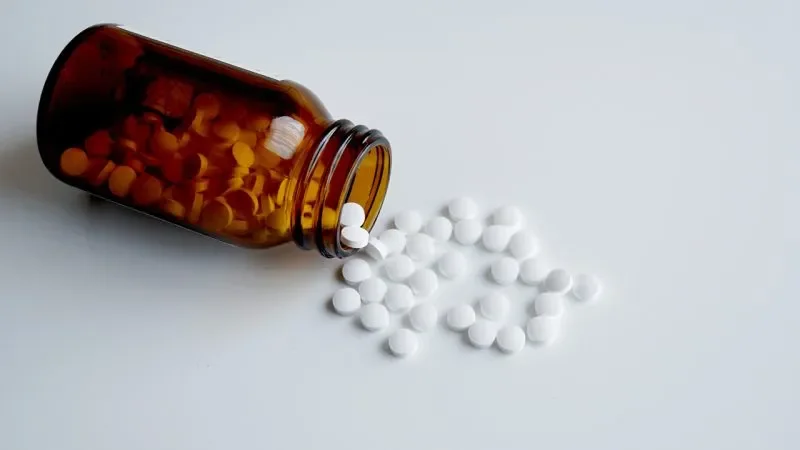
The FDA has issued a low-risk recall for over 11,000 bottles of Ziac, a blood-pressure medication, due to cross-contamination concerns with ezetimibe. Patients should check their bottles' lot numbers and NDC codes, and consult their healthcare providers for guidance. The recall highlights the importance of strict manufacturing practices and vigilant quality control to ensure medication safety.
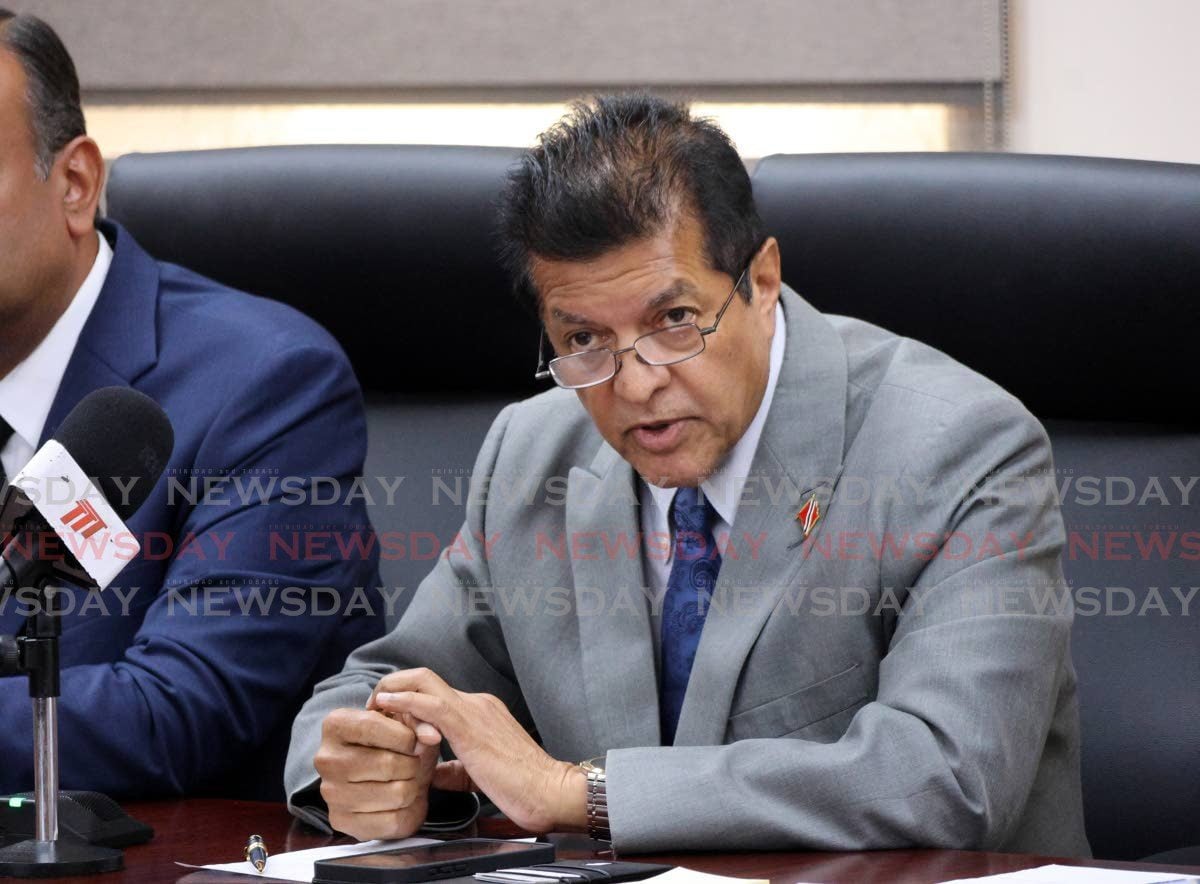
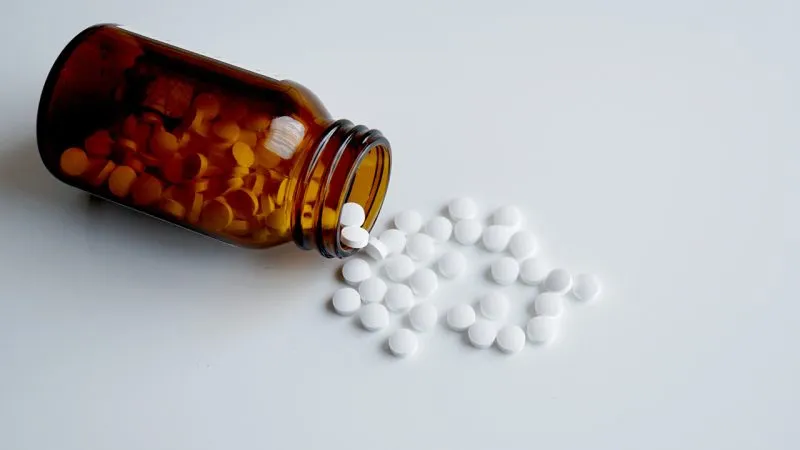
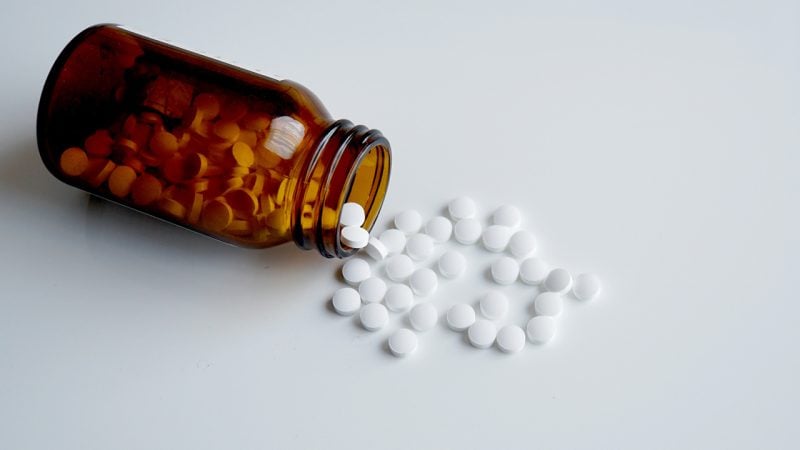
The Trinidad and Tobago Ministry of Health has voluntarily recalled specific lots of bisoprolol fumarate and hydrochlorothiazide tablets after routine testing found trace amounts of ezetimibe, a cholesterol medication, indicating potential cross-contamination. The recall affects over 11,000 bottles, and consumers are advised to stop using the affected products and return them, while consulting healthcare providers if needed. The FDA classifies this as a low-risk (Class III) recall.
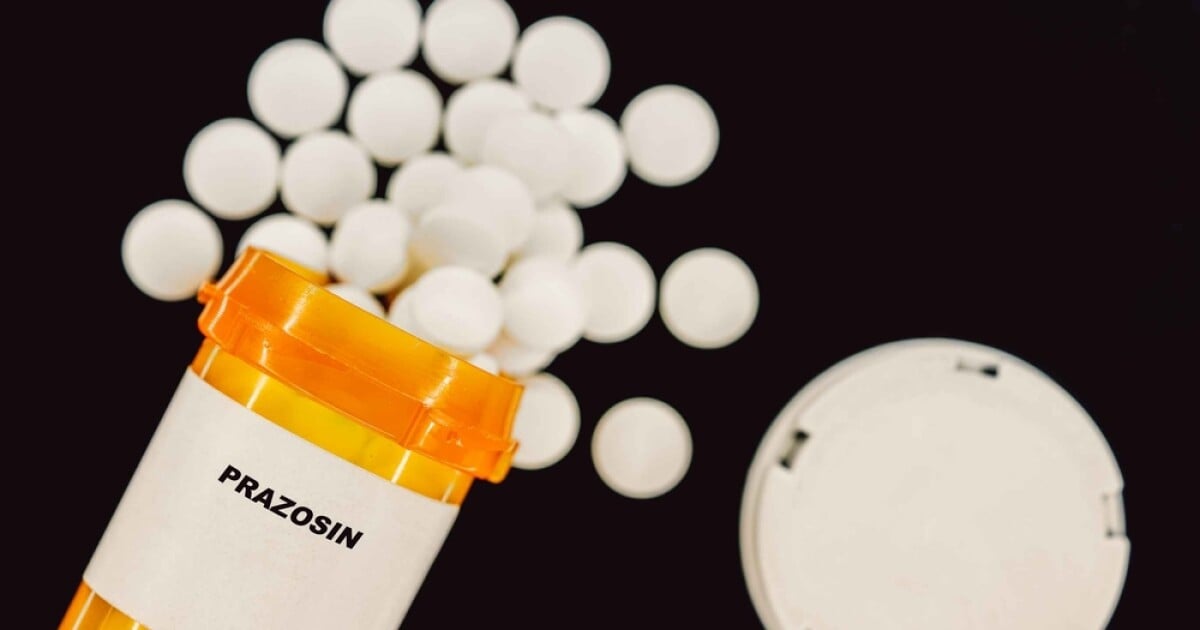
Over half a million bottles of Teva's blood pressure drug prazosin hydrochloride have been recalled due to elevated levels of a carcinogenic impurity, with the FDA classifying the recall as a Class II risk, indicating potential temporary health effects.
Over 580,000 bottles of Teva Pharmaceuticals' prazosin hydrochloride capsules have been voluntarily recalled due to contamination with a cancer-causing chemical, nitrosamine impurities, posing potential health risks. The FDA classifies this as a Class II risk, indicating possible temporary or reversible health effects. Consumers are advised to check for recall notices and consult healthcare providers for alternatives.
Over 580,000 bottles of Teva Pharmaceuticals' prazosin hydrochloride capsules have been voluntarily recalled due to contamination with a nitrosamine impurity that poses a cancer risk, with the FDA classifying the risk as moderate and advising consumers to seek further guidance.
A low-dose blood pressure medication, minoxidil, originally used for hypertension, is showing promise in promoting hair regrowth in women, with a systematic review indicating nearly half of users experience improved hair growth and minimal side effects.
Over 11,000 bottles of Spironolactone 25 mg blood pressure medication have been recalled nationwide due to the presence of aluminum, a foreign substance, with the recall initiated by the FDA as a Class II risk, indicating potential temporary health effects.
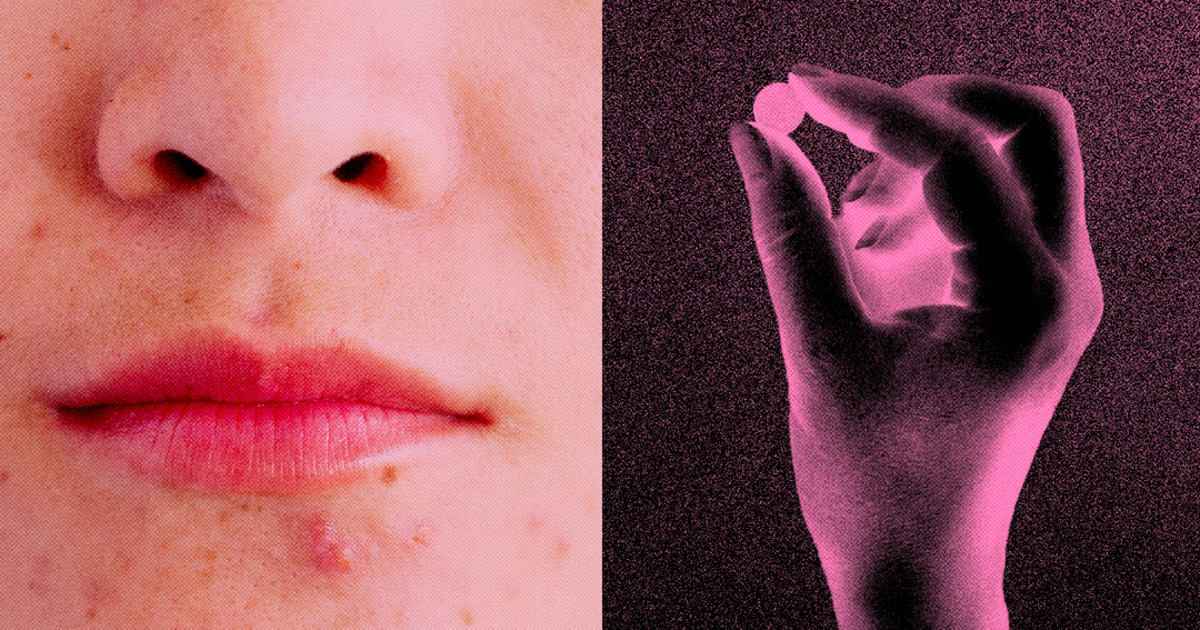
Dermatologists are increasingly prescribing spironolactone, a blood pressure medication, to women for treating acne, with prescribing rates rising nearly 300% from 2017 to 2020. The drug works by blocking hormones that cause acne, particularly in women, and is considered when other treatments like oral antibiotics or creams don't work. While spironolactone is generally safe, it's not FDA-approved for acne and has potential side effects, so more high-quality studies are needed to fully understand its long-term safety and efficacy.
Dermatologists are increasingly prescribing spironolactone, a blood pressure medication, to women for treating acne due to its ability to block hormones that cause acne. The drug, which is not FDA-approved for acne, has seen a nearly 300% rise in prescribing rates for acne in women from 2017 to 2020. While spironolactone has shown effectiveness in treating acne, its long-term safety and potential side effects, including mild ones like breast tenderness and irregular bleeding, as well as more serious ones like potential impact on pregnancy and cancer risk, need further study. Despite these concerns, the American Academy of Dermatology is encouraging the limited use of antibiotics for acne treatment, potentially leading to increased use of spironolactone.
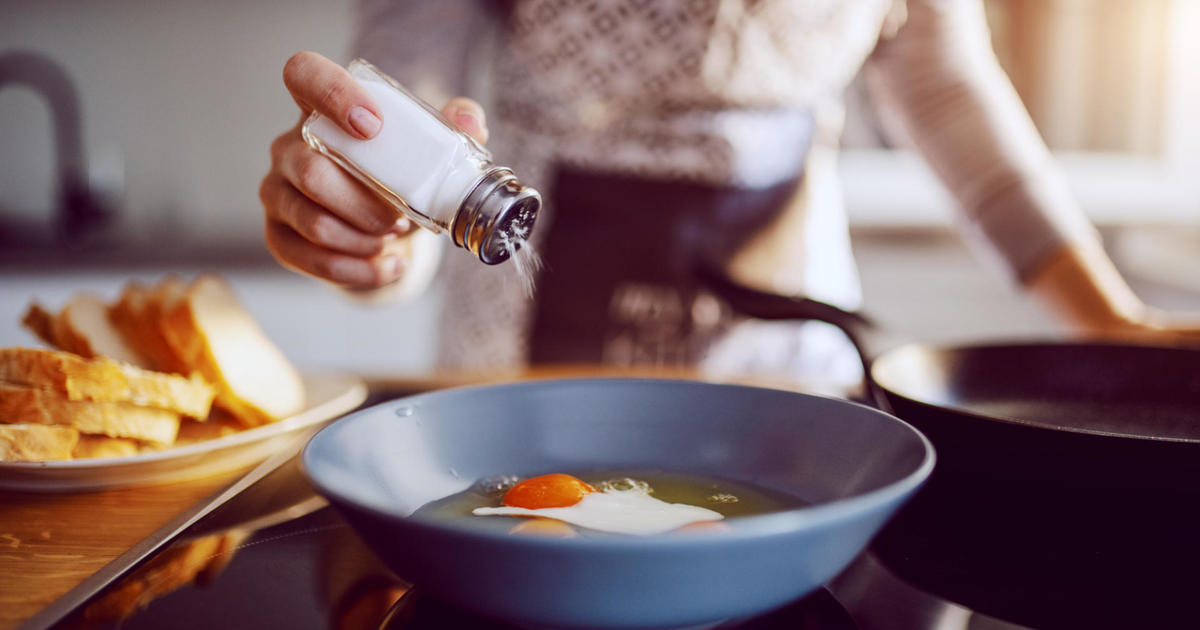
Cutting just 1 teaspoon of salt from daily intake could have the same effect on blood pressure as taking blood pressure medication, according to a study published in the Journal of the American Medical Association. The study found that reducing salt intake by about 1 teaspoon per day led to a decrease in systolic blood pressure by 6 mm Hg, comparable to the effect of commonly used blood pressure medication. The reduction in blood pressure was observed across individuals with normal blood pressure, controlled hypertension, untreated hypertension, and uncontrolled hypertension. The findings highlight the importance of reducing dietary sodium intake to help control blood pressure, even among individuals already on medication.
Reducing salt in your diet may be as effective as taking a common blood pressure medication in lowering blood pressure, according to a study published in JAMA. The study found that after one week of a low-sodium diet, participants experienced an average reduction in systolic blood pressure comparable to the benefits of a commonly prescribed blood pressure drug. High blood pressure, or hypertension, is a serious condition that increases the risk of heart attack, stroke, and other health issues. Cutting back on salt intake can be an effective strategy for managing blood pressure.
Drug manufacturer KVK-Tech is voluntarily recalling a batch of the blood pressure medication betaxolol after a 5 mg oxycodone HCl pill was found on the packaging line. The two pills are similar in appearance, posing a potential risk if accidentally combined. Betaxolol can slow heart rates and worsen lung and heart function. Patients are advised to check their medication for batch numbers and expiration dates and not to take the affected lot. KVK-Tech is arranging for the recalled pills to be returned, and reimbursement information is available on the FDA's website.
Drug manufacturer KVK-Tech is voluntarily recalling a batch of the blood pressure medication betaxolol after a 5 mg oxycodone HCl pill was found on the packaging line. The two pills are similar in appearance, posing a risk to patients who may accidentally combine the medications. Betaxolol can potentially slow heart rates and worsen lung and heart function. Users are urged to check their medication for batch numbers and expiration dates and not to take the recalled pills. KVK-Tech is arranging for the return of all affected pills, and reimbursement information is available on the FDA's website.
Drug manufacturer KVK-Tech is voluntarily recalling a batch of the blood pressure medication betaxolol after a 5 mg oxycodone HCl pill was found on the packaging line. The two pills are similar in appearance, posing a risk to patients who may accidentally combine the medications. Betaxolol can potentially slow heart rates and worsen lung and heart function. Patients are advised to check their medication for batch numbers and expiration dates and to contact a physician if experiencing unexpected reactions. KVK-Tech is arranging for the recalled pills to be returned, and reimbursement information is available on the FDA's website.
Drug manufacturer KVK-Tech is voluntarily recalling a batch of the blood pressure medication betaxolol after a 5 mg oxycodone HCl pill was found on the packaging line. The two pills are similar in appearance, posing a potential risk if accidentally combined. Betaxolol can slow heart rates and worsen lung and heart function. Patients are advised to check their medication for batch numbers and expiration dates and not to take the affected lot. KVK-Tech is arranging for the recalled pills to be returned, and reimbursement information is available on the FDA's website.