Tag

Black Death

All articles tagged with #black death

Volcanic Eruptions May Have Triggered Historic Pandemics

Originally Published 22 days ago — by Earth.com

Featured image for Volcanic Eruptions May Have Triggered Historic Pandemics
Source: Earth.com

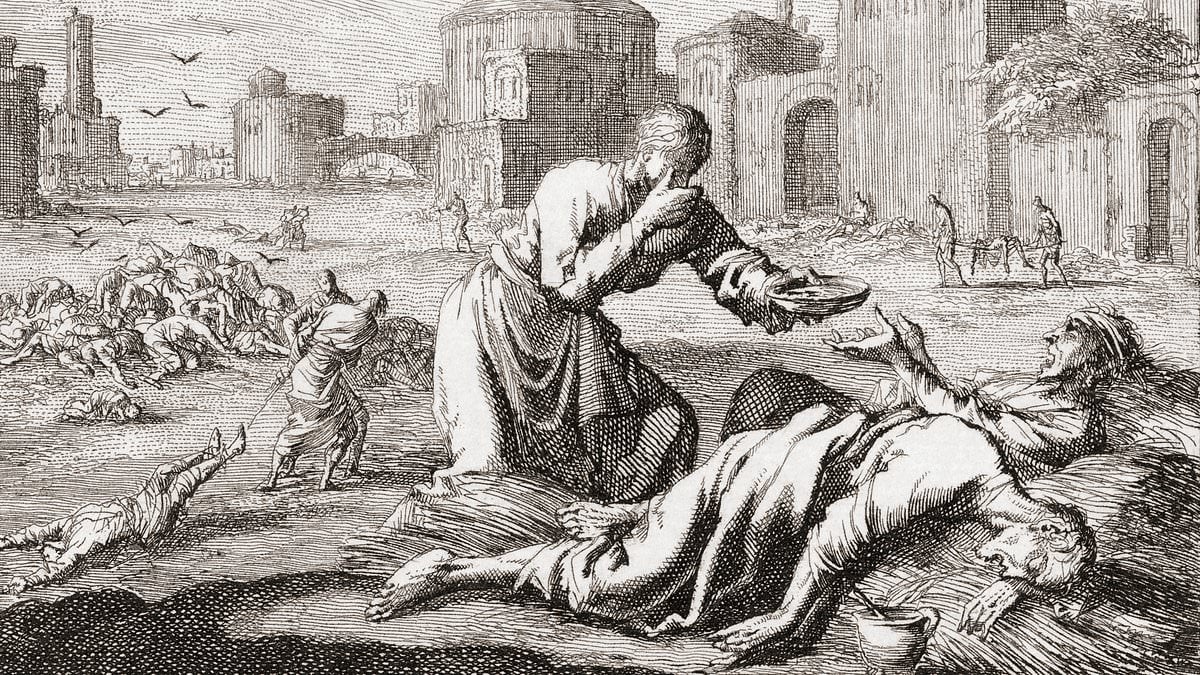
A new study suggests that volcanic eruptions caused climate cooling in 1345-1346, disrupting harvests across Europe, which, combined with geopolitical factors, facilitated the rapid spread of the Black Death through trade routes, highlighting climate's role in historical pandemics.

Volcanic Eruptions May Have Triggered the Deadliest Plague in History

Originally Published 24 days ago — by Earth.com

Featured image for Volcanic Eruptions May Have Triggered the Deadliest Plague in History
Source: Earth.com

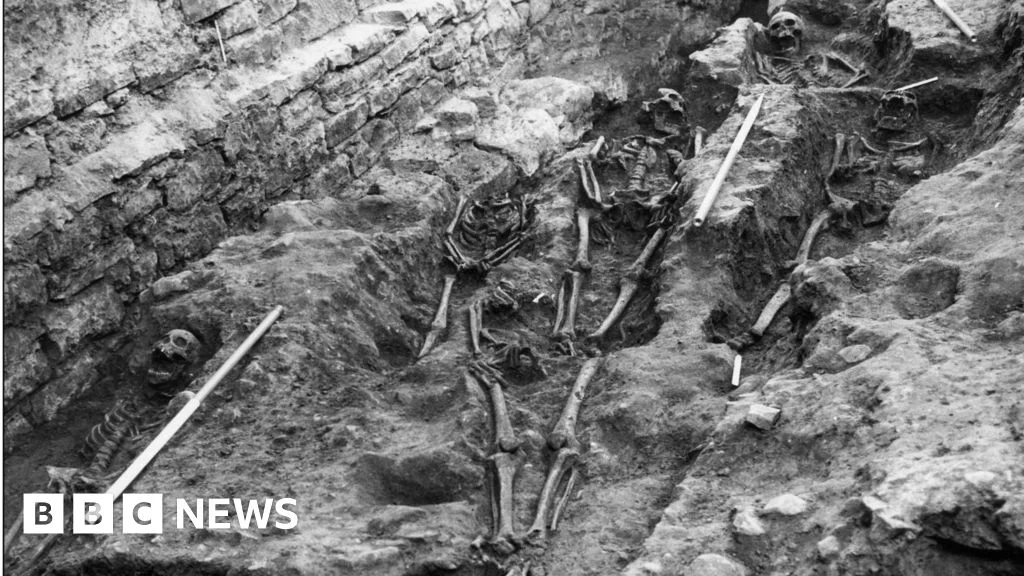
A new study suggests that volcanic eruptions caused climate cooling in 1345-1346, disrupting harvests across Europe, which, combined with geopolitical tensions and trade routes reopening, facilitated the rapid spread of the Black Death through fleas on grain shipments, highlighting climate as a key factor in the pandemic's swift progression.

California Reports New Plague Case Linked to Lake Tahoe

Originally Published 4 months ago — by Los Angeles Times

Featured image for California Reports New Plague Case Linked to Lake Tahoe
Source: Los Angeles Times

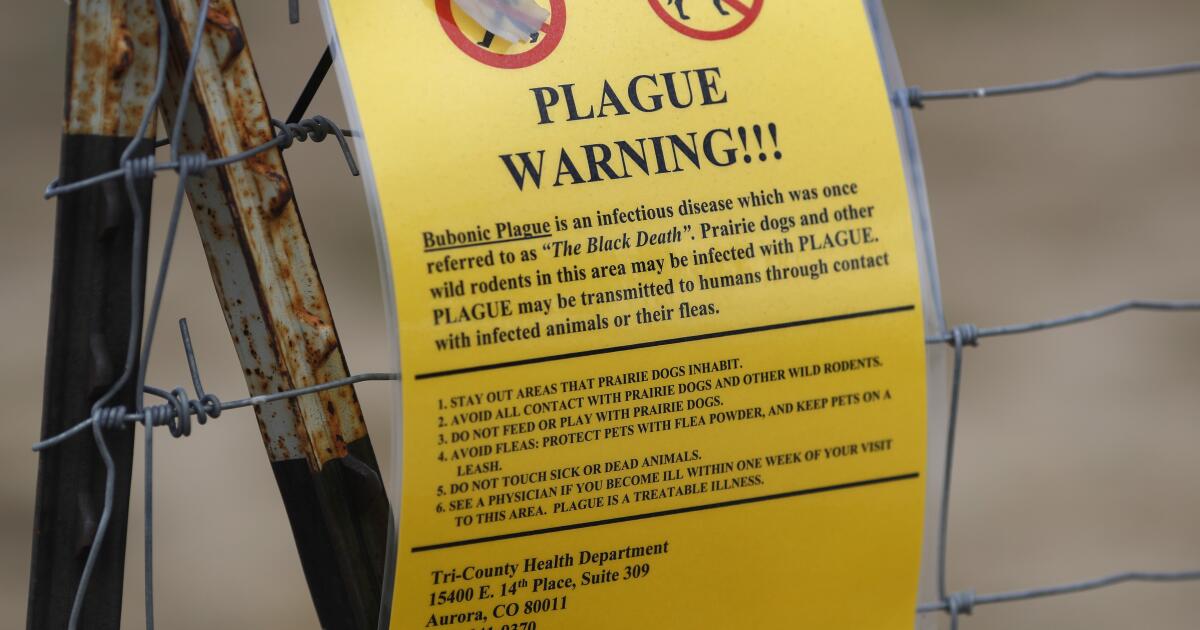
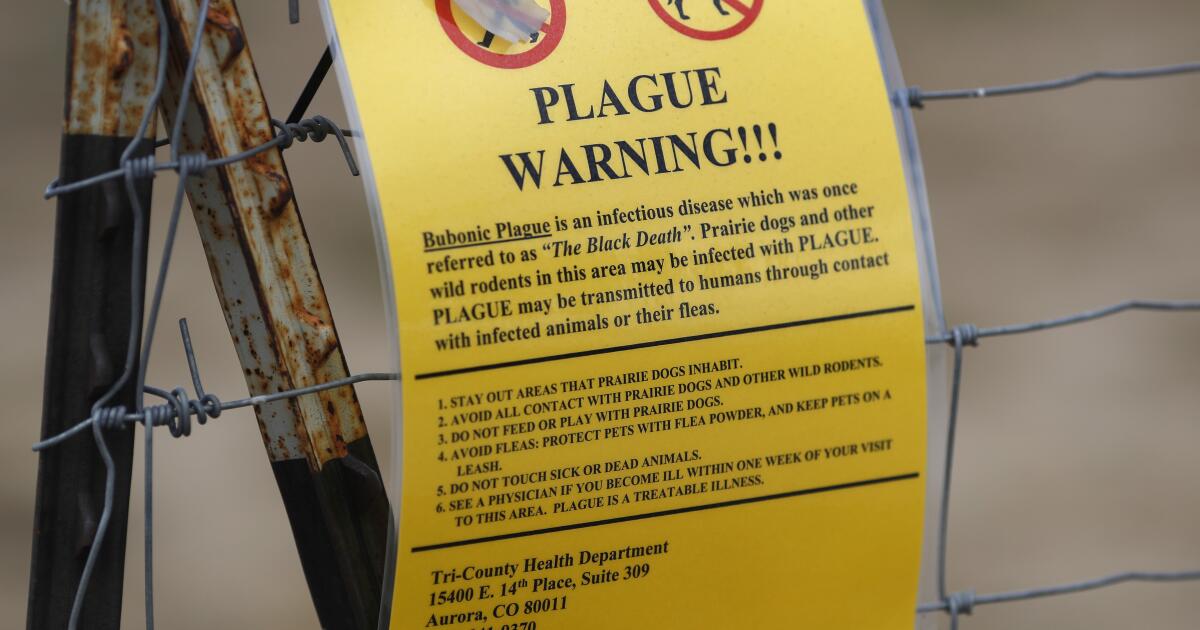
The reappearance of the plague in California, caused by infected fleas from wild rodents, highlights its ongoing presence despite medical advances. A recent case in South Lake Tahoe involved a patient recovering at home, with historical cases in the state showing the disease's persistence. The plague, primarily bubonic, can be treated with antibiotics if caught early, but remains a health concern in rural and wilderness areas where humans and pets can be exposed to infected rodents and fleas.

California Reports New Bubonic Plague Case Amid Concerns

Originally Published 4 months ago — by Los Angeles Times

Featured image for California Reports New Bubonic Plague Case Amid Concerns
Source: Los Angeles Times

A rare case of the plague, caused by the bacterium Yersinia pestis, has reappeared in Northern California, likely contracted from a flea bite while camping. Despite being a disease of the past, it still exists in small numbers, primarily affecting rodents and occasionally humans, especially in rural and wilderness areas. There are no current FDA-approved vaccines, but the disease is treatable with antibiotics if caught early. Experts consider it under control and not a major public health threat today.

Genetic Adaptation Enabled the Black Death's Long-Term Survival

Originally Published 7 months ago — by Gizmodo

Featured image for Genetic Adaptation Enabled the Black Death's Long-Term Survival
Source: Gizmodo

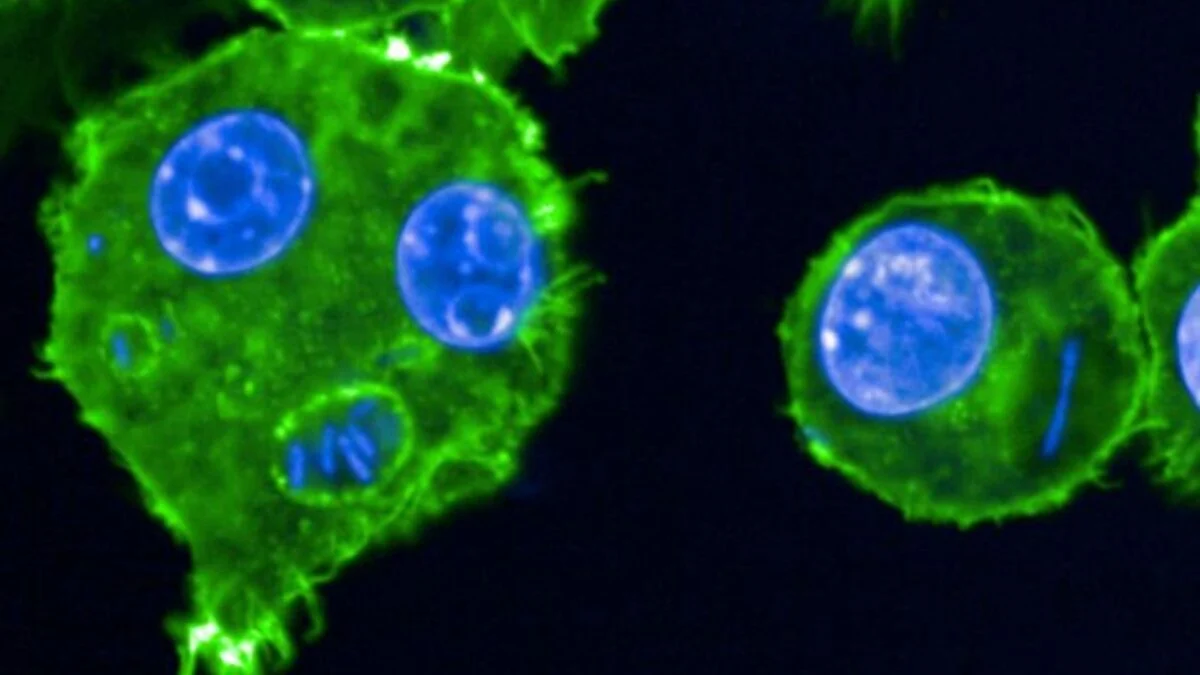
A genetic change in the Yersinia pestis bacterium, responsible for the Black Death, prolonged its pandemics by reducing its virulence, allowing infected rodents to live longer and spread the disease more effectively, providing new insights into the persistence of historical plagues and disease evolution.

Lice, Not Just Fleas, Linked to Bubonic Plague Spread

Originally Published 1 year ago — by NPR

Featured image for Lice, Not Just Fleas, Linked to Bubonic Plague Spread
Source: NPR

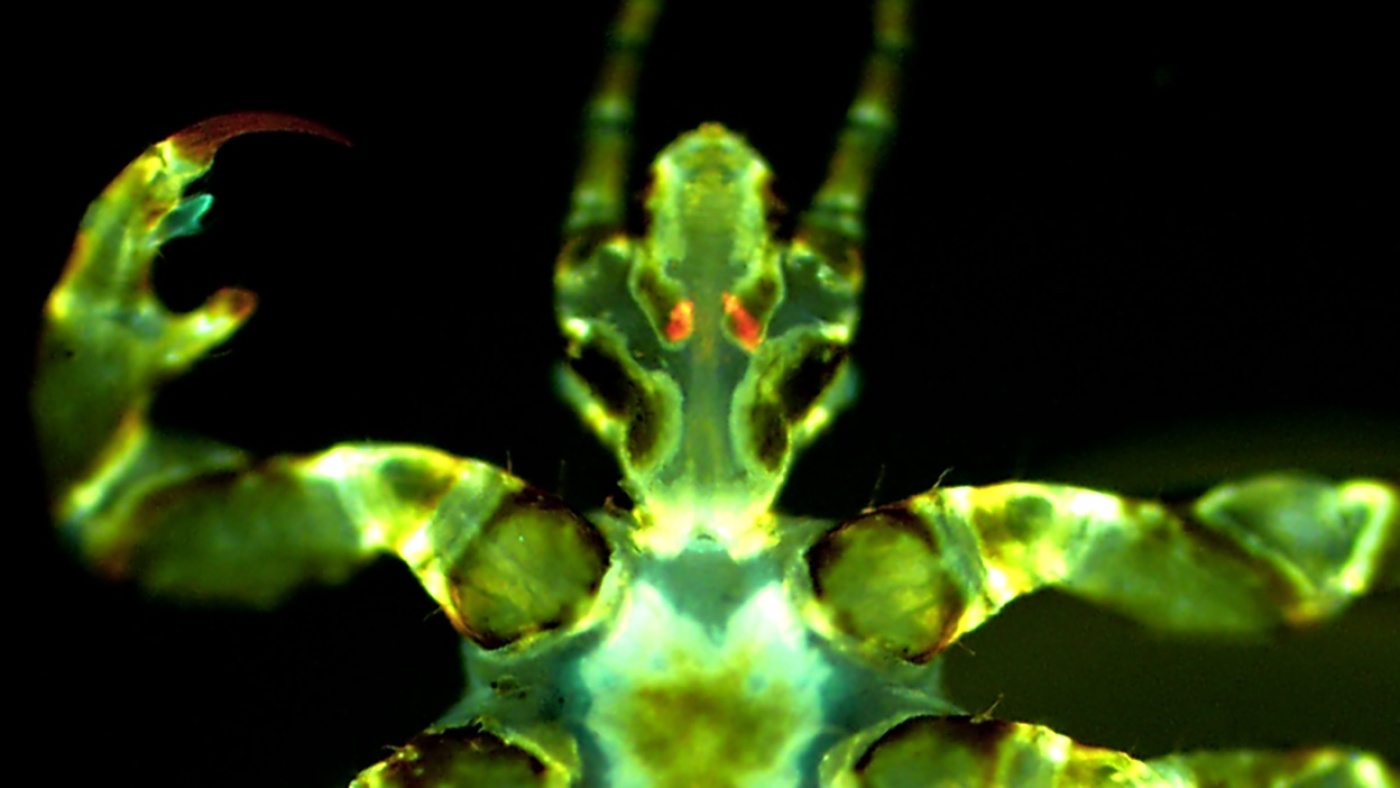
New research suggests that human body lice may have played a role in spreading the Black Death plague in the 14th century, alongside the commonly blamed rat fleas. The study, published in PLOS Biology, found that lice can efficiently transmit the plague bacteria Yersinia pestis, potentially offering an additional route of transmission during the pandemic. This discovery adds a new dimension to our understanding of how the plague spread so rapidly and remains relevant for current public health concerns.

"The Black Death's Legacy: Connecting Today's Oral Health to Ancient Diseases"

Originally Published 2 years ago — by SciTechDaily

Featured image for "The Black Death's Legacy: Connecting Today's Oral Health to Ancient Diseases"
Source: SciTechDaily

Research suggests that the Black Death in the 14th century may have influenced the human oral microbiome, leading to changes associated with modern chronic diseases. Analysis of ancient dental calculus revealed shifts in microbial communities post-pandemic, influenced by dietary changes. The study provides crucial insights into the evolution of human microbiomes and their impact on current health issues, shedding light on the potential link between the Second Plague Pandemic and the development of oral microbiomes contributing to modern-day chronic diseases.

"The Black Death's Impact on Human Genetic History: A New Study's Findings"

Originally Published 2 years ago — by Nature.com

Featured image for "The Black Death's Impact on Human Genetic History: A New Study's Findings"
Source: Nature.com

A recent study challenges the claim that the Black Death had a lasting impact on the genomes of the people of Cambridge, England. While a high-profile 2022 study suggested that variants in immune genes enriched in survivors might have had a protective effect, the latest research found little evidence supporting adaptation of immune responses. The debate over the Black Death's impact on human genomes continues, with researchers emphasizing the need for larger sample sizes and more comprehensive studies to reach definitive conclusions.

The Black Death's Surprising Link to Our Junk Food Obsession

Originally Published 2 years ago — by New York Post

Featured image for The Black Death's Surprising Link to Our Junk Food Obsession
Source: New York Post

A new study suggests that the dietary and hygienic changes brought about by the Black Death in the 1300s may be the reason why people today have a fondness for junk food. Researchers from Penn State University analyzed dental plaque from skeletons dating back to 2200 BC to 1835 AD and found that the bacteria in their mouths had changed significantly. The bacteria found in the samples were linked to low-fiber, high-carbohydrate diets, similar to additives commonly found in fast food. The study suggests that the Black Death may have triggered changes in people's diets, leading to the composition of their oral microbiomes and potentially influencing their preference for junk food.

The Black Death's Legacy: How the Plague Altered our Palates

Originally Published 2 years ago — by Daily Mail

Featured image for The Black Death's Legacy: How the Plague Altered our Palates
Source: Daily Mail

A study suggests that the Black Death, the plague that killed up to 60% of Europeans in the 14th century, may have contributed to our love of junk food today. Analysis of dental plaque from skeletons spanning thousands of years revealed that the dominant bacteria found in our mouths today is linked to low-fiber, high-carbohydrate diets, similar to modern-day diets such as junk food. Changes to diet and hygiene during the plague are thought to have affected our oral microbiome, which is associated with various health conditions. This is the first time that past pandemics have been linked to changes in the microbes in our bodies.

The Disproportionate Impact of the Black Death on Black Women in Medieval London

Originally Published 2 years ago — by Ancient Origins

Featured image for The Disproportionate Impact of the Black Death on Black Women in Medieval London
Source: Ancient Origins

A new study analyzing the remains of plague victims from medieval London has revealed that Black women of African descent were disproportionately affected by the Black Death. The research, led by the Museum of London, found that the number of African Londoners in the cemeteries studied was higher than the percentage of people of African descent living in the city at the time. The study highlights the devastating effects of premodern structural racism and sheds light on the challenges faced by marginalized communities during the Middle Ages.