The article provides seven different beetroot shot recipes, one for each day of the week, offering a variety of healthy and flavorful ways to incorporate beetroot into your diet.
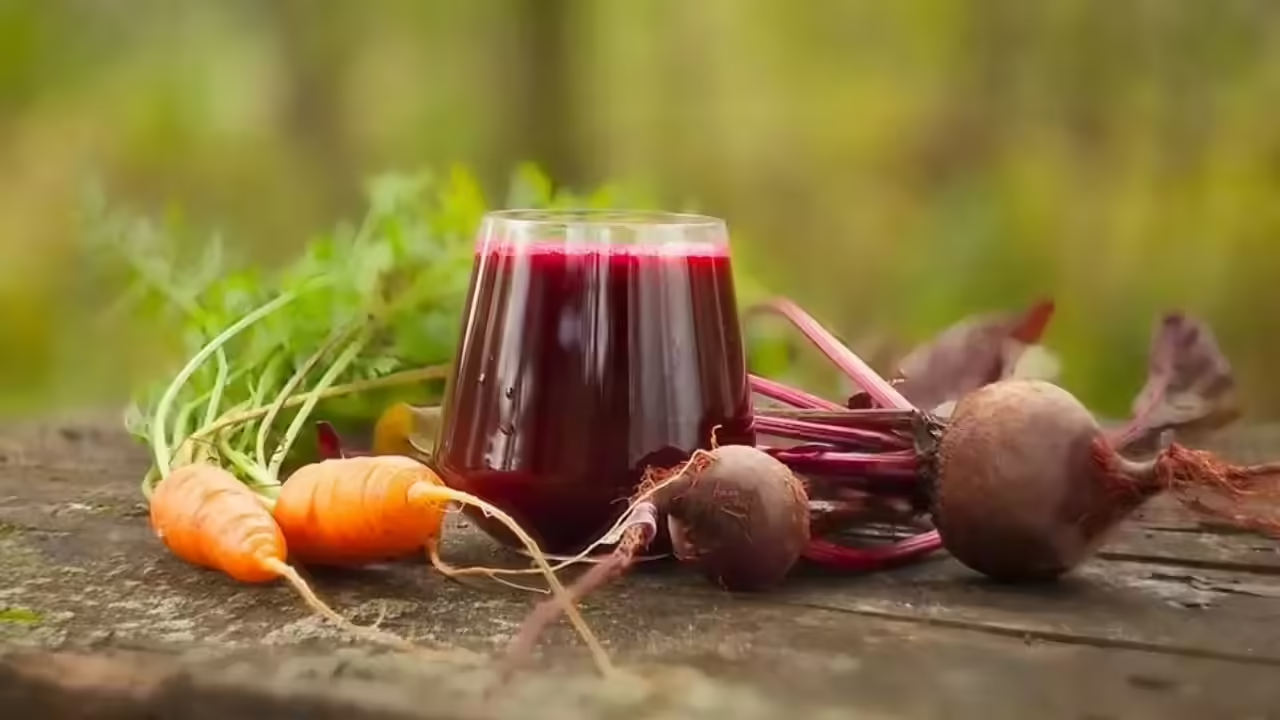
A recent study suggests that drinking beetroot juice daily can help lower high blood pressure naturally due to its high nitrate content, which relaxes blood vessels and improves blood flow, but caution is advised to avoid excessive intake that could harm kidney health.
Gastroenterologist Dr. Joseph Salhab recommends incorporating broccoli, beetroot, and artichokes into your diet to support liver health, as these vegetables contain compounds that aid detoxification, reduce oxidative stress, and promote liver cell regeneration.
A British doctor highlights beetroot as an affordable, natural superfood that can significantly lower blood pressure due to its high nitrate content, emphasizing the importance of diet and lifestyle changes alongside medication for managing hypertension.
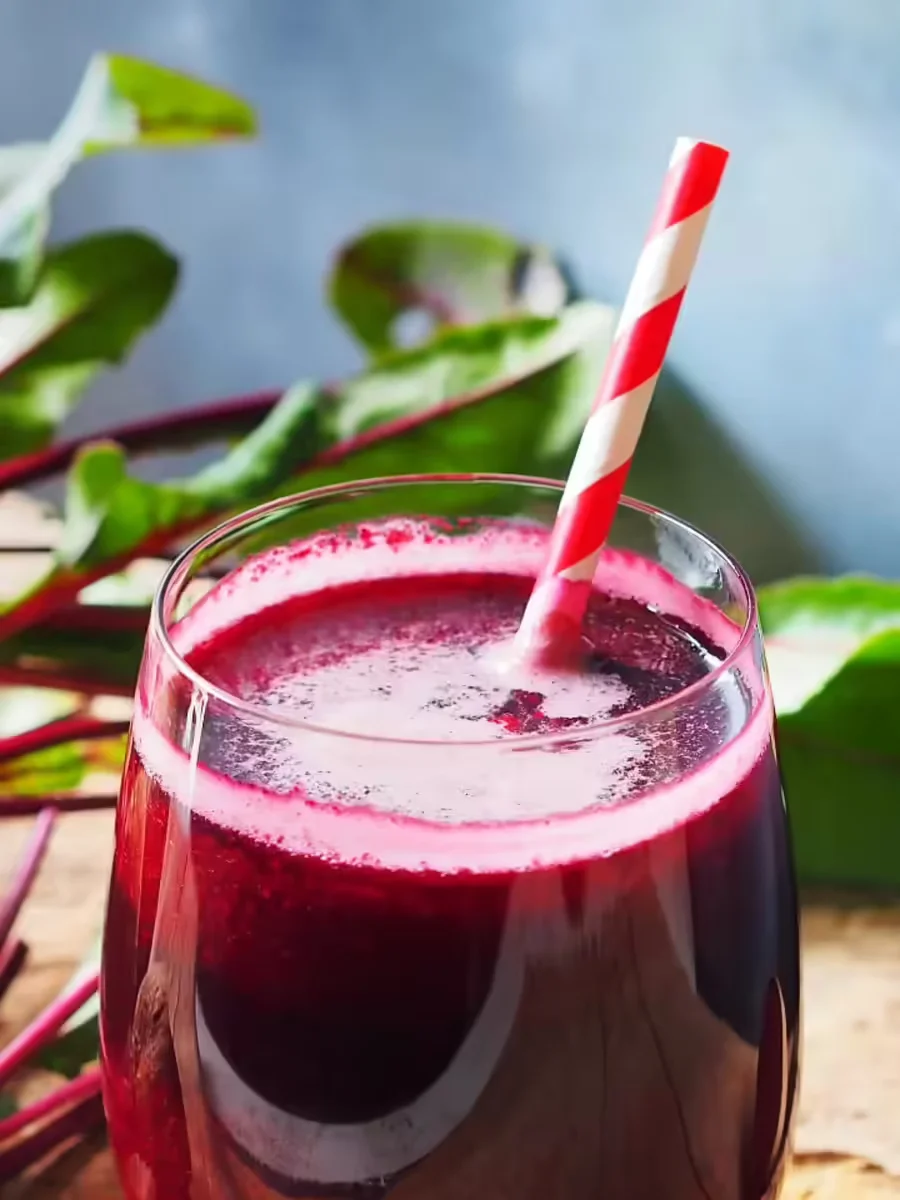
Drinking beetroot juice regularly can help lower blood pressure and reduce inflammation, thanks to its natural nitrates that improve circulation and vessel relaxation. The recipe involves blending or juicing beetroot with apple, carrot, and ginger for added flavor and health benefits, and it can be prepared in advance and stored in the fridge. Moderation is advised to avoid potential side effects.
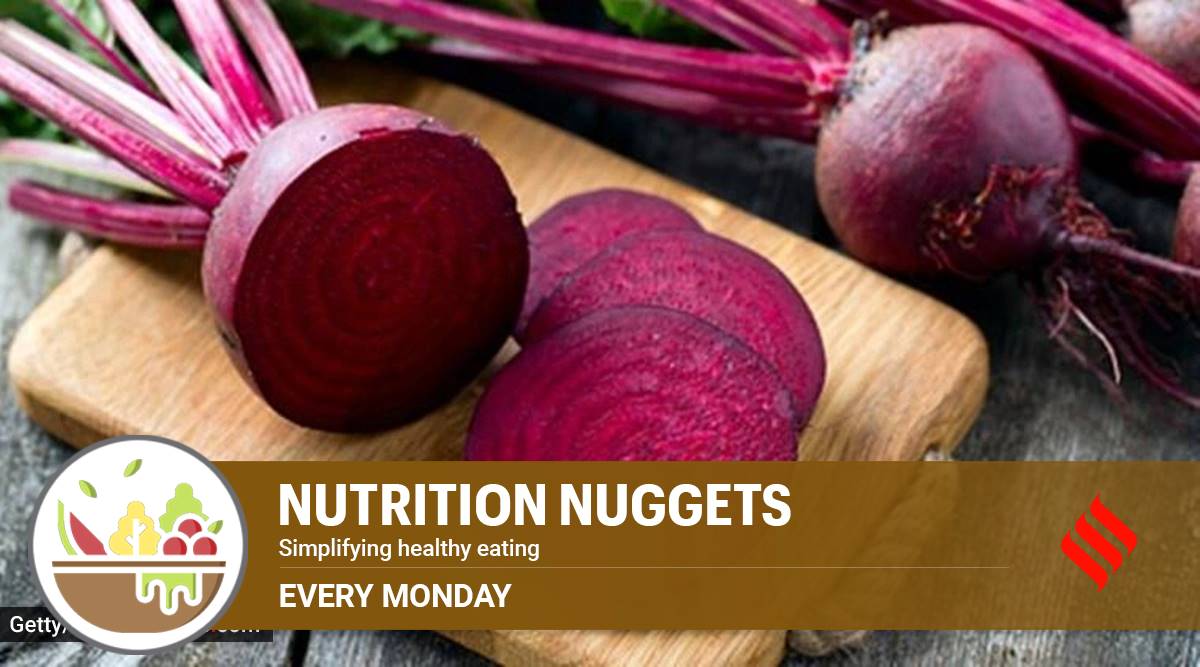
Beetroot, a colorful and affordable vegetable, is recommended by Dr. Sooj for its health benefits, including lowering blood pressure and enhancing athletic performance due to its high dietary nitrate content. It is also rich in fiber, iron, and vitamins, and has anti-inflammatory properties. Consuming beetroot, whether as juice or powder, can improve power, endurance, and recovery in workouts. However, it may cause beeturia, a harmless condition where urine turns pink or red.
NHS Dr Suraj Kukadia, known as Dr Sooj, highlights beetroot as a 'game-changer' for reducing blood pressure and cholesterol, and potentially lowering cancer risk due to its high nitrate and antioxidant content. Despite its earthy taste, beetroot can be mixed with other juices to improve flavor.
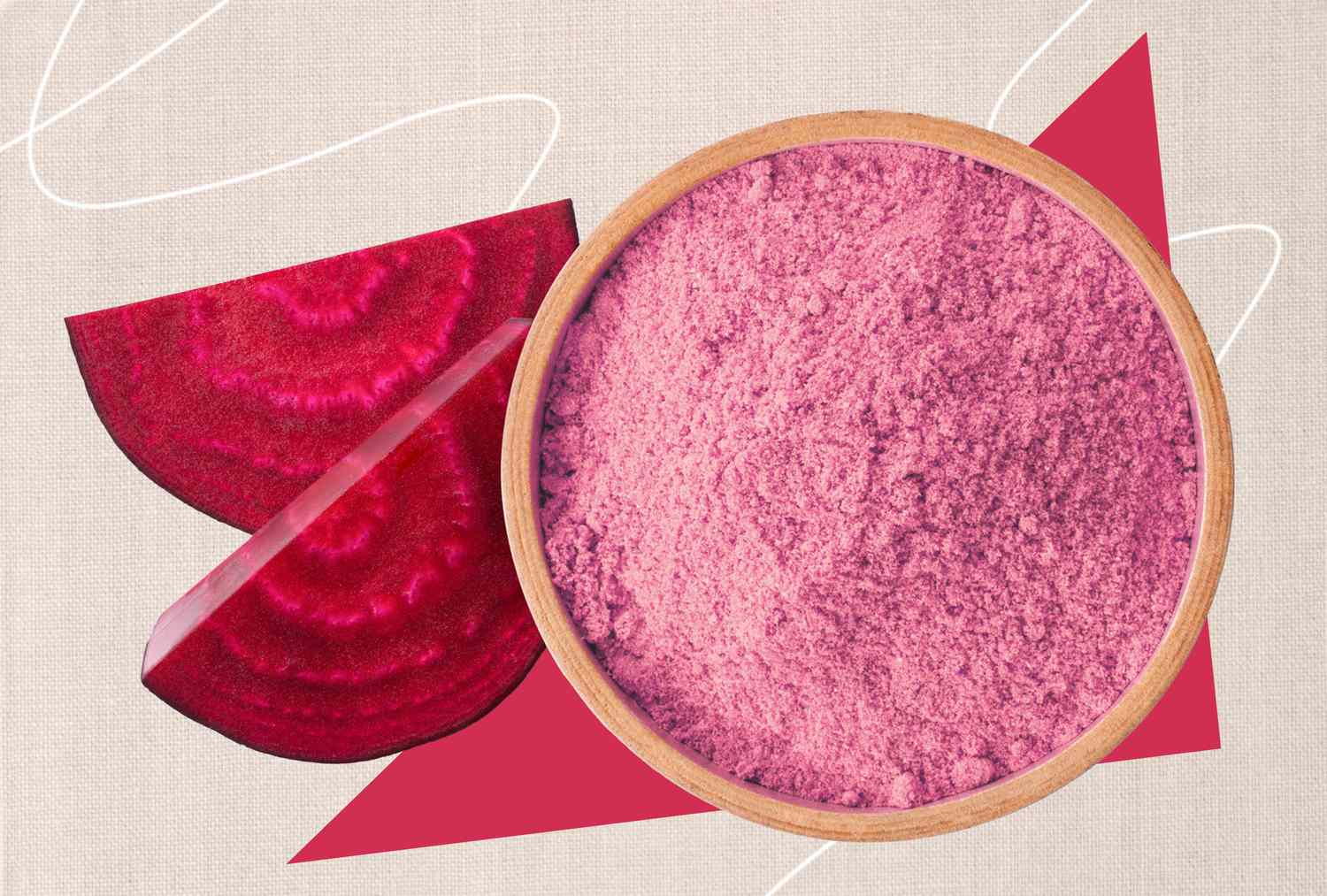
Beets are considered a "superfood" due to their high nutrient content, including nitrates and betalain. Beetroot supplements, such as beetroot powder, can provide similar nutritional benefits as whole beets and may support blood pressure management, cardiovascular health, exercise performance, and anti-inflammatory effects. However, individuals with gallstones or low blood pressure should exercise caution and consult a healthcare provider before taking beet supplements.
Beetroot contains nitrates which our body converts into nitrous oxide, reducing blood pressure and inflammation, making it a natural alternative to prescription medication for heart health. It also contains bioactive pigments called "betalains" which could be helpful in blood sugar control, potentially extending to non-diabetics. Its polyphenols and flavonoid compounds are powerful antioxidants, believed to fight damaged cells, making it beneficial for cancer sufferers. Beetroot seems to have an impact on exercise performance, particularly short-distance aerobic exercise, possibly due to its influence on a cellular level.
Beetroot juice, which contains dietary nitrate, may help build muscle strength and boost cardiovascular health. The compound found in beetroot, spinach, and lettuce enhances endurance and high-intensity exercise performance if had before a workout. The muscles use the nitrate to improve their ability to contract by converting it to nitric oxide. Beetroot also helps reduce blood pressure levels, contains an antioxidant called alpha-lipoic acid, and is a good source of vitamins and minerals. However, further research is needed to clarify the mechanisms and optimal dosages for supplementation.