NASA's James Webb Space Telescope discovered unexpected dust production in the primitive galaxy Sextans A, revealing that stars can forge solid dust grains, including iron and silicon carbide, even with minimal heavy elements, reshaping our understanding of early galaxy evolution and dust formation pathways.
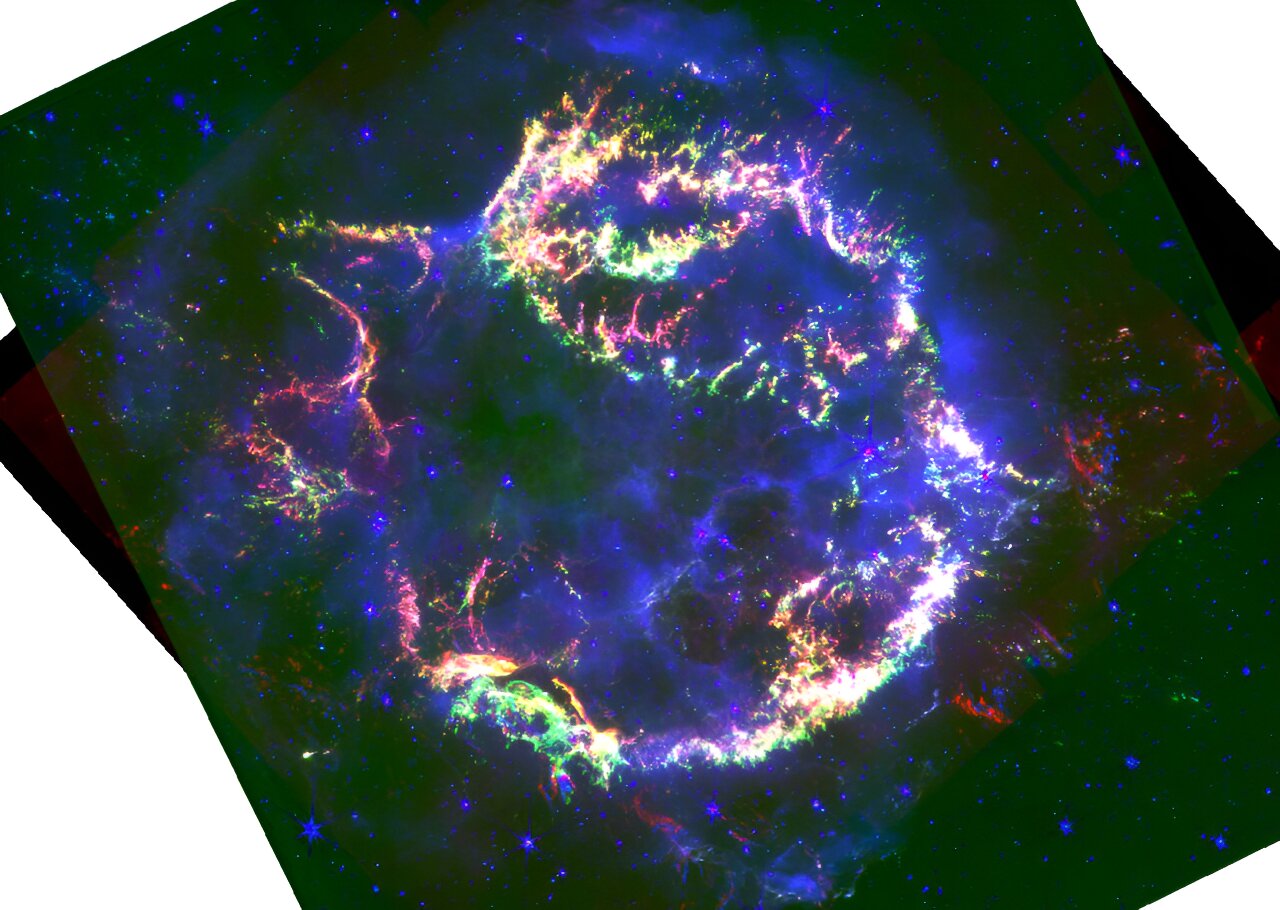
The James Webb Space Telescope has provided new insights into the supernova remnant Cassiopeia A, revealing detailed structures of carbon monoxide and argon ejecta. These findings challenge previous beliefs about dust formation in the early universe, showing that CO molecules are reforming after the reverse shock, which may protect dust in the ejecta. The study highlights the complex processes of molecular formation and destruction in supernova remnants and their role in cosmic dust formation.
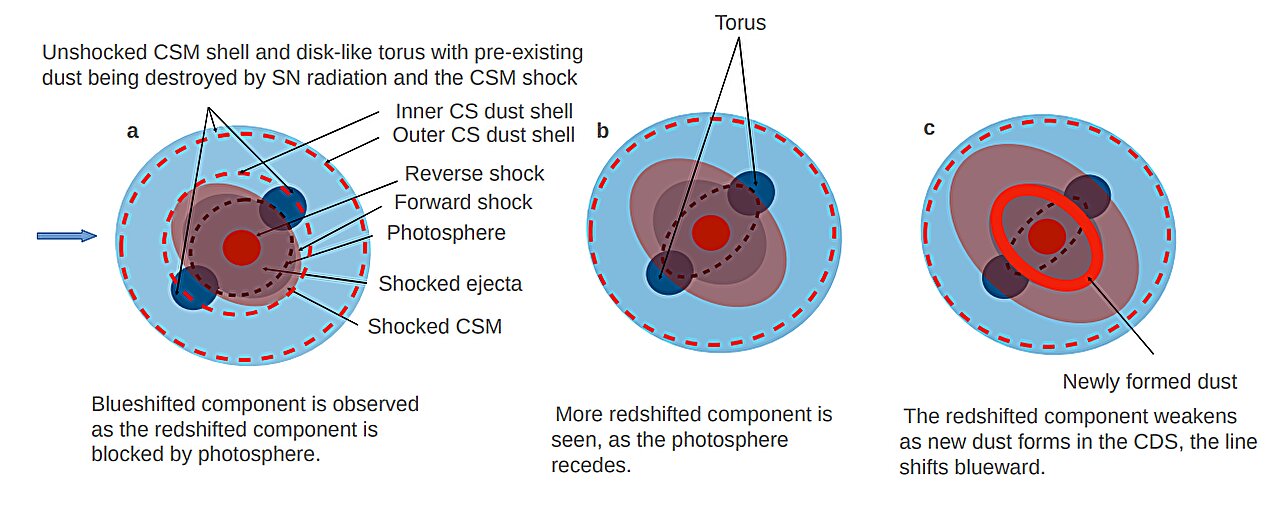
An international team of astronomers has discovered a previously unknown source of cosmic dust in the universe: Type 1a supernovae interacting with gas from their surroundings. This finding, published in Nature Astronomy, suggests that thermonuclear supernovae may account for a significant amount of dust in elliptical galaxies. The researchers monitored a supernova, SN 2018evt, for over three years and observed the creation of dust in the circumstellar gas after it cooled following the supernova shock wave passing through it. This discovery sheds light on the contribution of thermonuclear supernovae to cosmic dust and may have implications for space exploration, particularly with the upcoming James Webb Space Telescope.
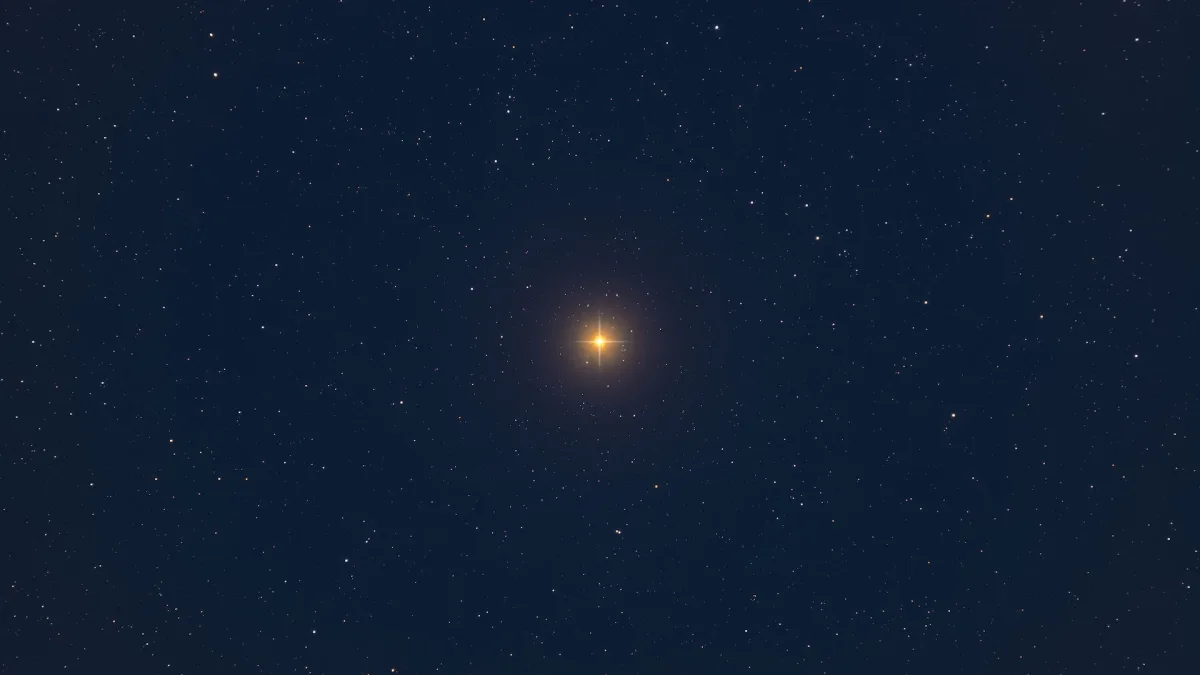
New high-resolution images of the red supergiant star Betelgeuse taken by astronomers from France's Université Côte d'Azur using the MATISSE instrument on the European Southern Observatory's Very Large Telescope Interferometer suggest that the star's dimming event was caused by a burst of dust, specifically silicon monoxide, coming from the star. The images show that while the star as a whole appeared to darken, its photosphere actually brightened during the event, supporting the theory that a sudden cooling of the star's surface led to the formation of a cold spot and the ejection of a dust cloud. This finding also aligns with a 2021 study that proposed Betelgeuse released a bubble of gas due to a drop in temperature. The study highlights the ongoing mysteries surrounding supergiant stars and the uncertainties surrounding the behavior of stars on the verge of going supernova.