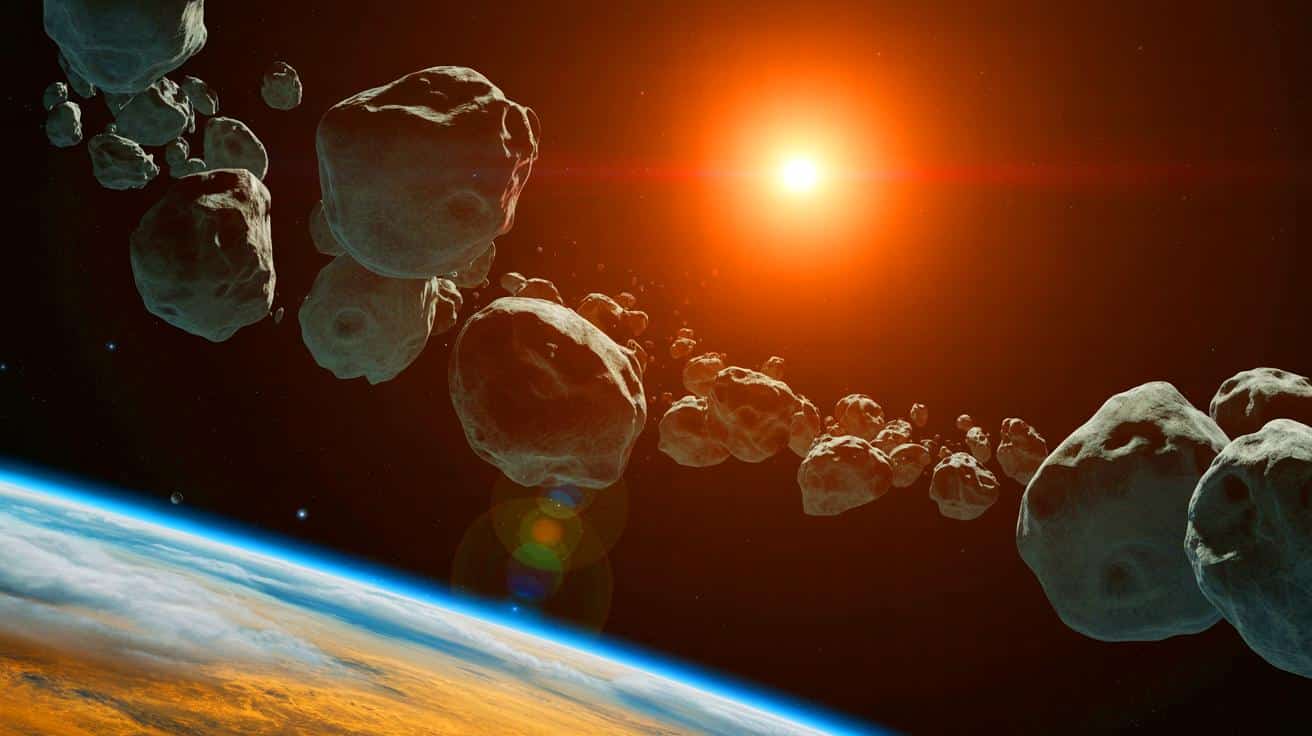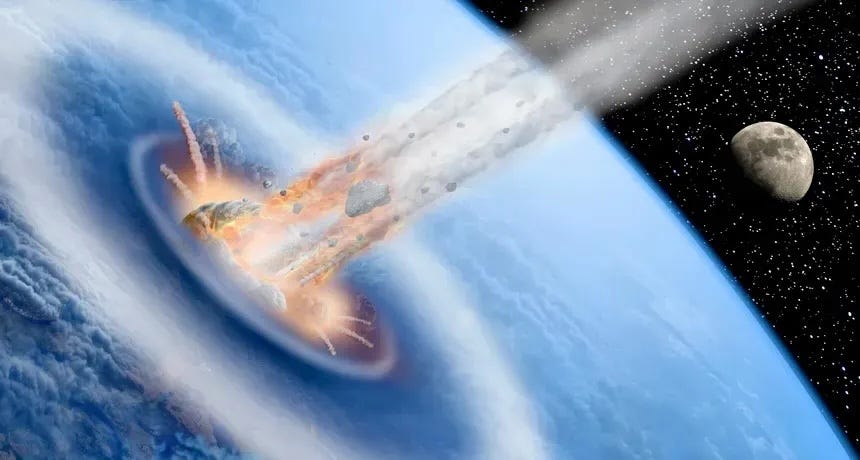
The article discusses the likelihood of material shed by the interstellar object 3I/ATLAS reaching Earth, concluding that due to solar wind and radiation pressure, any large particles or objects are unlikely to pose a threat or reach the ground, with the risk of impact being negligible.
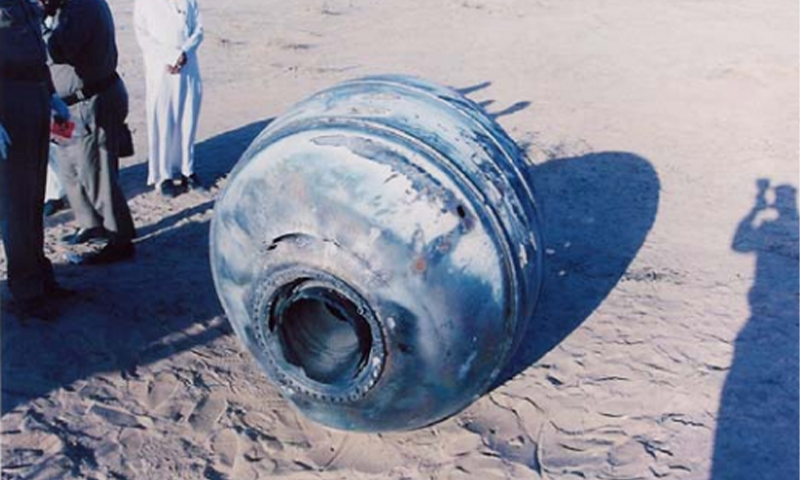
Space debris from rockets and satellites is increasing exponentially, leading to more incidents of space junk falling to Earth and raising collision risks in low Earth orbit, which could have serious consequences for space operations and safety.
A series of four coronal mass ejections from the sun are expected to reach Earth between October 15 and 17, potentially triggering minor geomagnetic storms and impressive northern lights displays in northern regions like Canada, northern U.S., and northern Europe, with effects possibly lasting several days.
Scientists warn of undetectable co-orbital asteroids near Venus that could potentially strike Earth every 12,000 years, highlighting the need to rethink planetary defense strategies due to their elusive nature and sudden appearance risk.
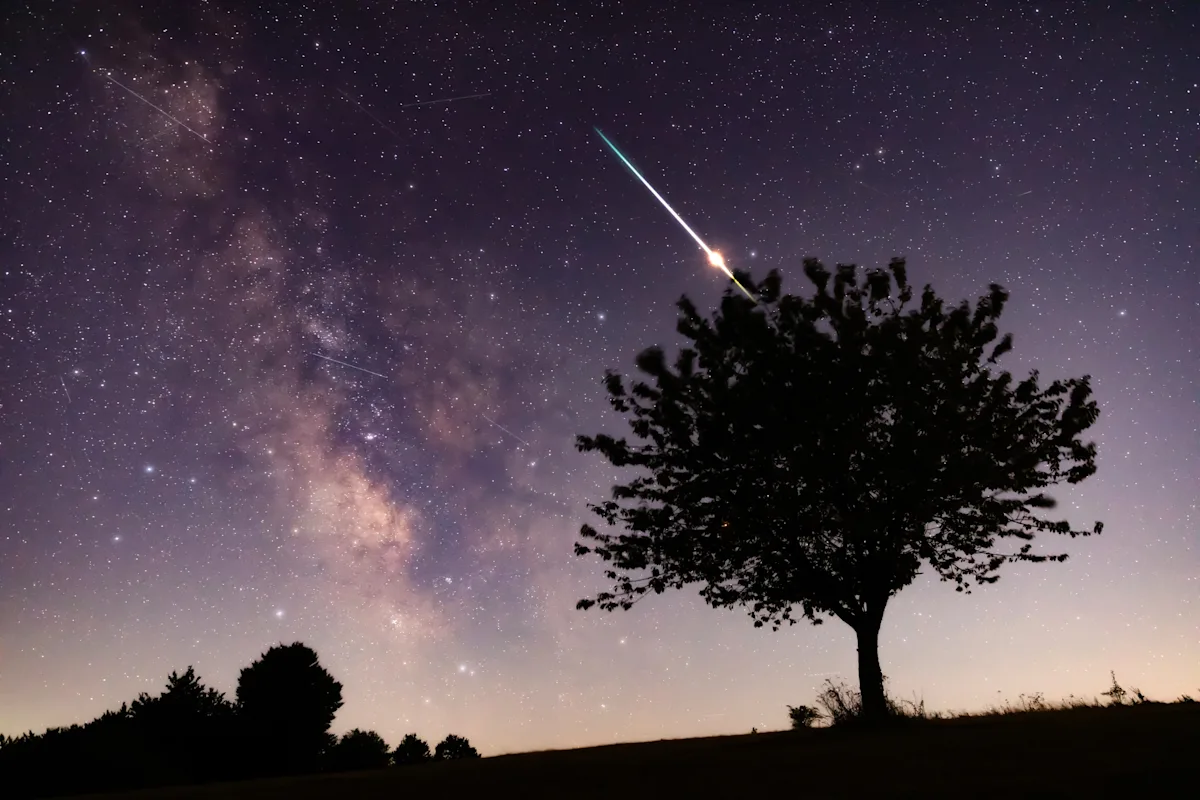
Astronomers believe small interstellar objects frequently pass through our solar system and hit Earth, but detecting these tiny, fast-moving bodies remains challenging. Recent discoveries of interstellar objects like 'Oumuamua and Borisov support the idea of a continuous influx of alien debris, yet unambiguous detection of interstellar meteors in Earth's atmosphere has so far eluded scientists. Increasing sky surveillance could help capture these cosmic visitors and deepen our understanding of other star systems.
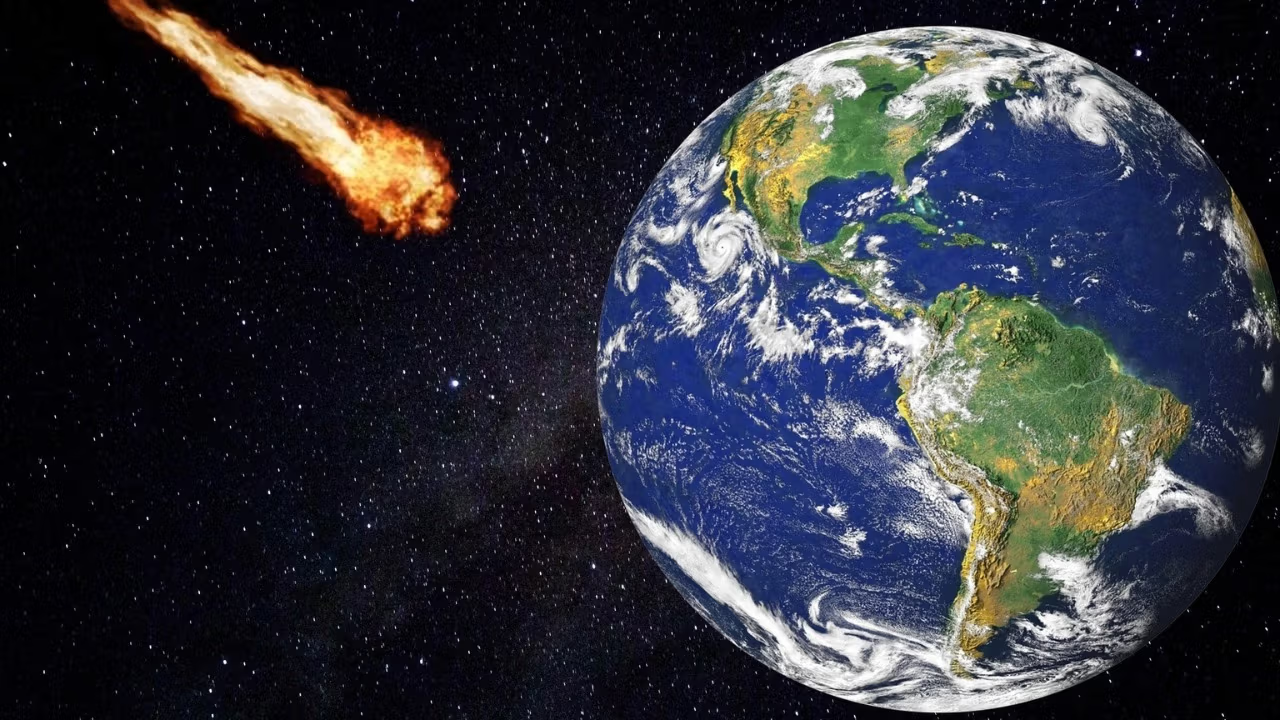
The article discusses what occurs once an asteroid that could potentially hit Earth is detected, emphasizing the importance of early detection and planetary defense strategies to mitigate impact risks.
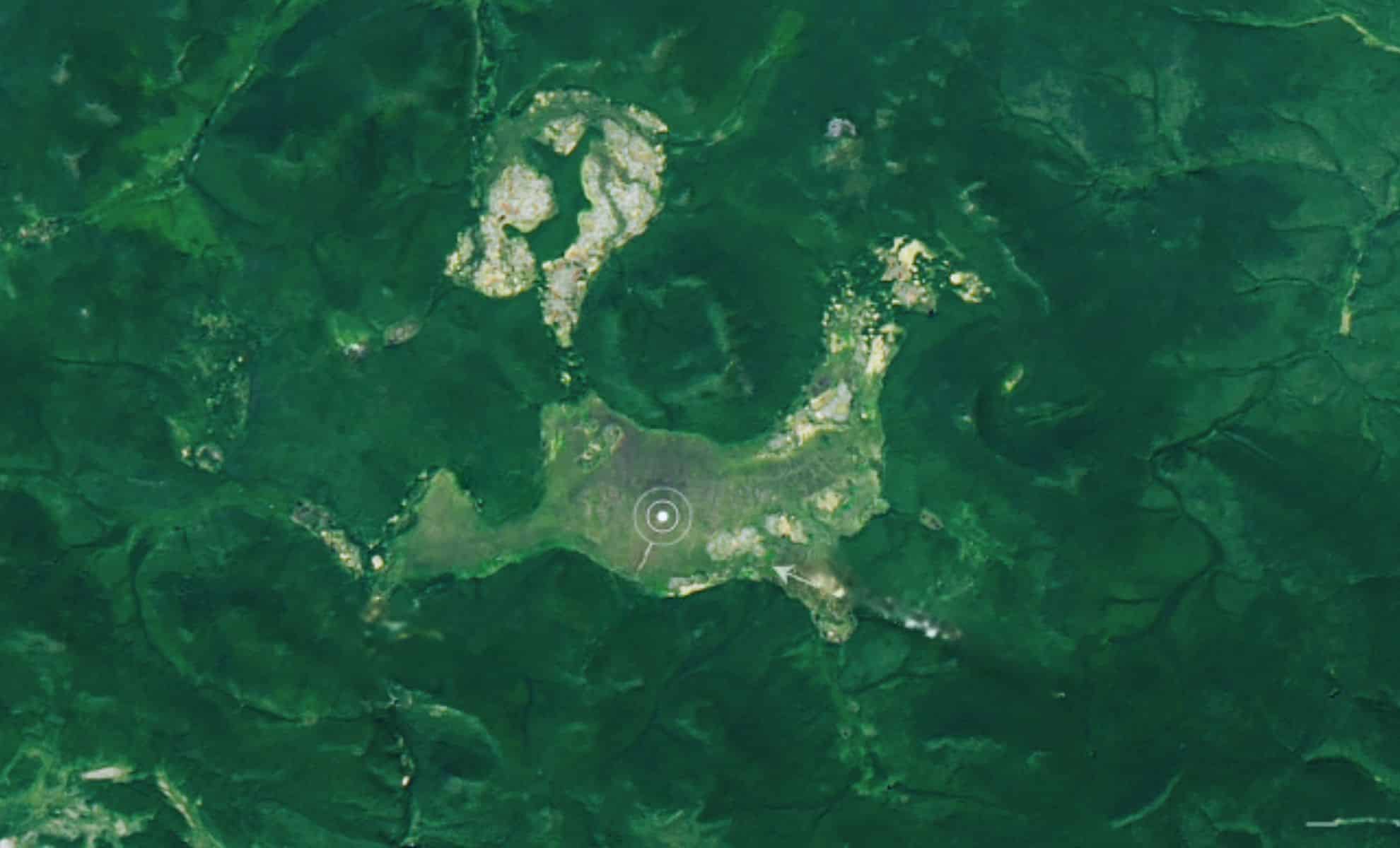
Recent NASA satellite images have revealed the current state of the Tunguska blast zone from the 1908 explosion, which remains largely untouched despite its massive destructive force, fueling ongoing debates about whether an asteroid or comet caused the event and highlighting the importance of monitoring near-Earth objects for planetary defense.
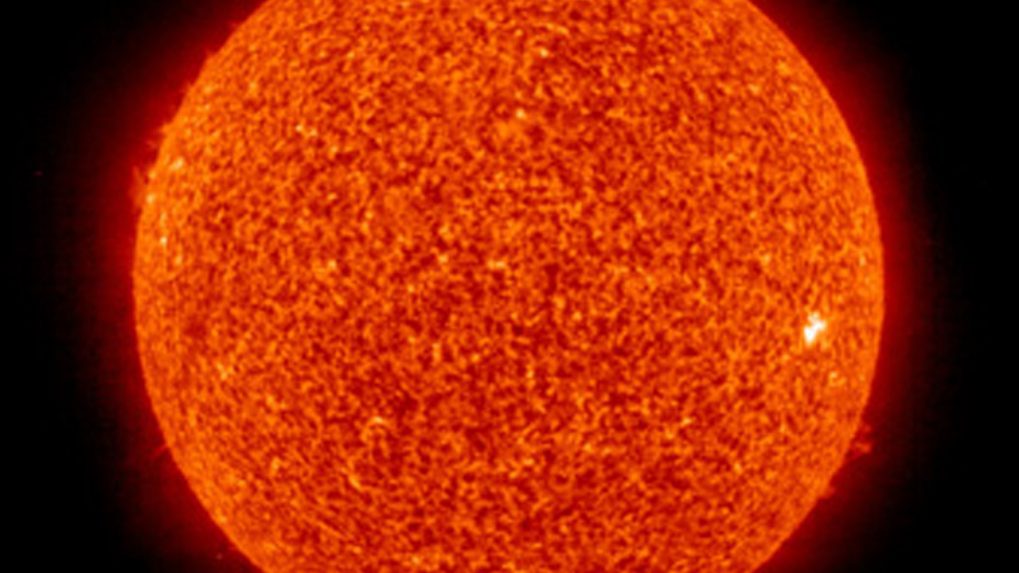
A large, unstable sunspot (region 4114) facing Earth has emitted its strongest flare yet, an X.12 class solar flare, causing radio blackouts and disruptions, with more eruptions expected as the Sun is in its solar maximum phase. The flare was electromagnetic, not accompanied by a coronal mass ejection, and the region is predicted to remain active until it rotates out of view.
Three 'invisible' asteroids near Venus pose a potential threat to Earth within weeks, as they are hidden in the Sun's glare and have unstable orbits that could bring them dangerously close to Earth, with detection only possible through space-based observation near Venus.
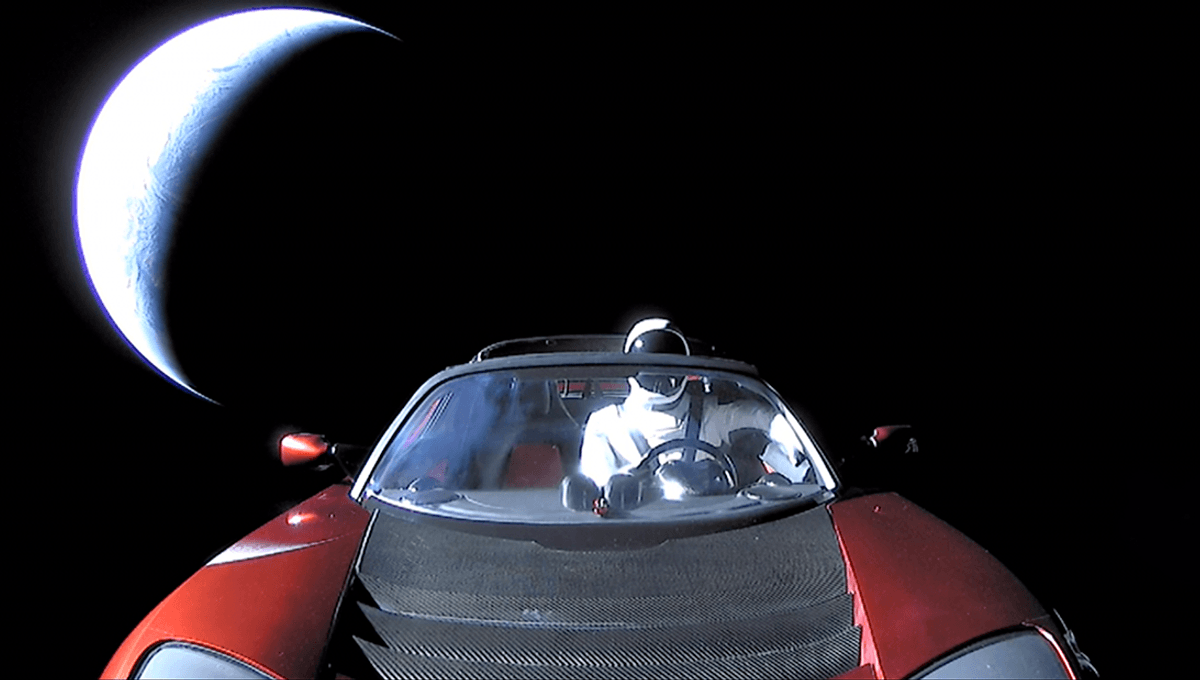
Elon Musk's SpaceX launched a Tesla Roadster into space in 2018, and it has since orbited the Sun 4.1 times. Astronomers estimate a 22% chance of the car hitting Earth over millions of years, with a close approach expected in 2047. The study on its orbit and potential impact is published in Aerospace.
NASA's Perseverance rover, primarily stationed on Mars, has discovered an expanding sunspot on the Sun's southern hemisphere, known as AR3058. This unique observation from Mars provides a one-week warning of the sunspot's potential growth before it becomes visible from Earth. Sunspots are cooler and darker regions on the Sun's surface associated with strong magnetic activity, which can lead to solar flares and disruptions to satellite navigation and power grids on Earth. The rover's incidental observations of celestial phenomena like sunspots contribute to our understanding of solar activity and its potential impact on our planet.
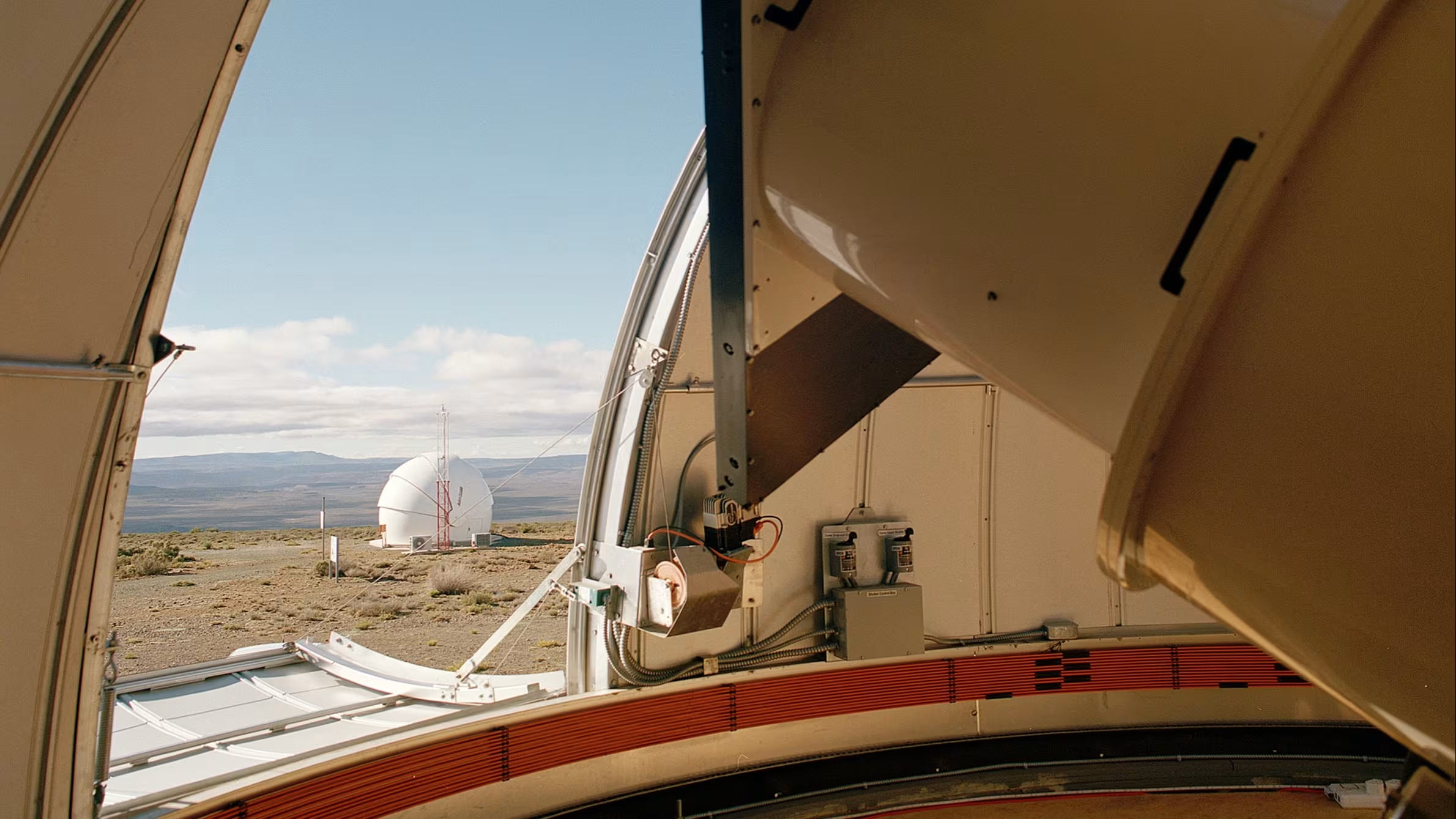
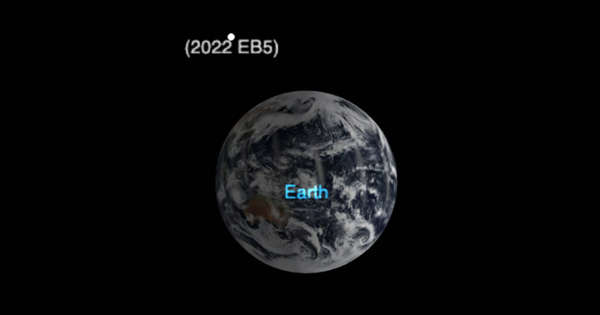
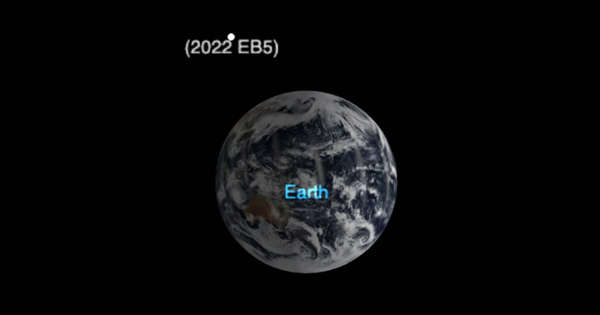
A small asteroid, named 2022 EB5, was discovered just hours before it impacted Earth. It was spotted by Krisztián Sárneczky using the 0.60-m Schmidt telescope at Konkoly Observatory in Hungary. The asteroid was captured on camera by Sárneczky and its orbit was later tracked by NASA's Jet Propulsion Laboratory-California Institute of Technology.