Tag

Gaia Telescope

All articles tagged with #gaia telescope

Scientists Measure Mass of Rogue Saturn-Size Planet Drifting in Space

Originally Published 5 days ago — by The Daily Galaxy

Featured image for Scientists Measure Mass of Rogue Saturn-Size Planet Drifting in Space
Source: The Daily Galaxy

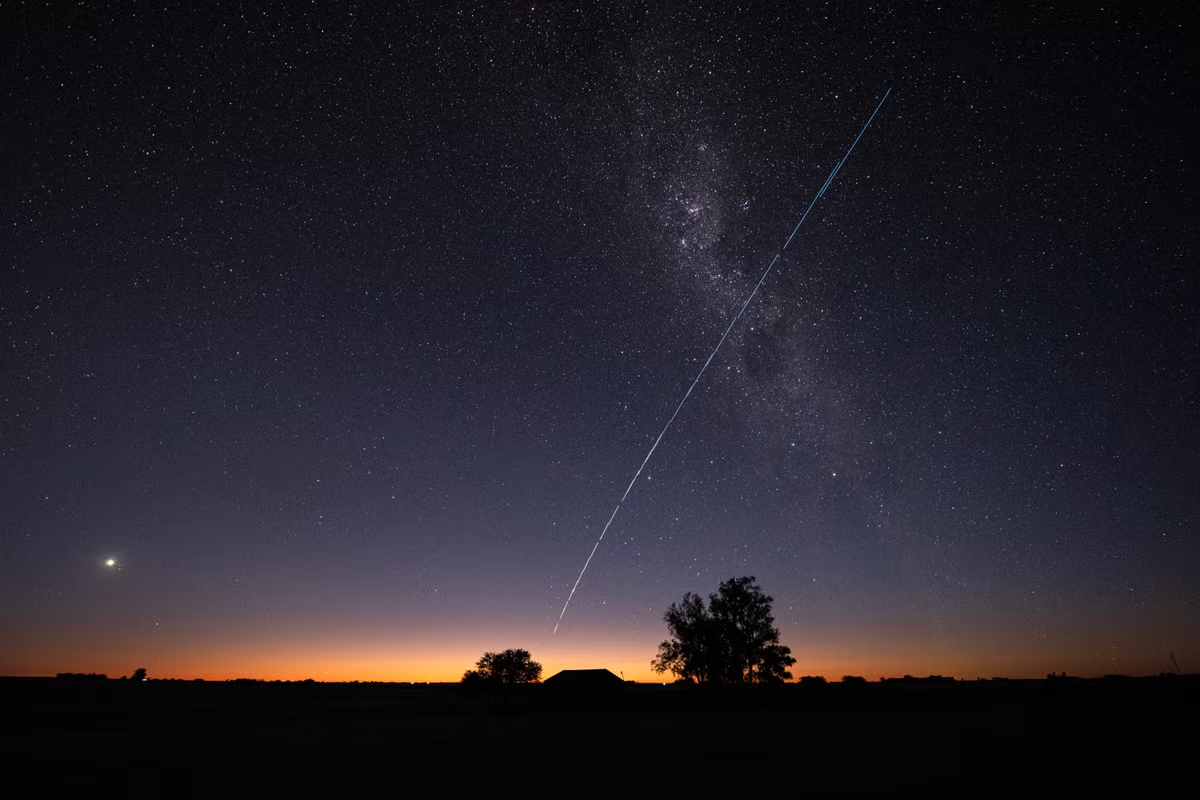
Astronomers have directly measured the mass of a Saturn-sized rogue planet drifting in space using gravitational microlensing, marking a significant advancement in studying free-floating planets that do not orbit stars. This breakthrough was achieved through a rare cosmic alignment observed from Earth and the Gaia space telescope, demonstrating a new method to analyze these elusive celestial bodies.
Astronomers Seek Exotic Dark Matter Clues in Space

Originally Published 16 days ago — by Space

Featured image for Astronomers Seek Exotic Dark Matter Clues in Space
Source: Space

Scientists propose using the Gaia space telescope to search for exotic dark matter objects like boson stars and Q-balls through microlensing, which could reveal their presence or set limits on their contribution to dark matter, potentially transforming our understanding of the universe's unseen mass.

Astronomers Detect Massive Wave Rippling Through the Milky Way

Originally Published 3 months ago — by Futurism

Featured image for Astronomers Detect Massive Wave Rippling Through the Milky Way
Source: Futurism

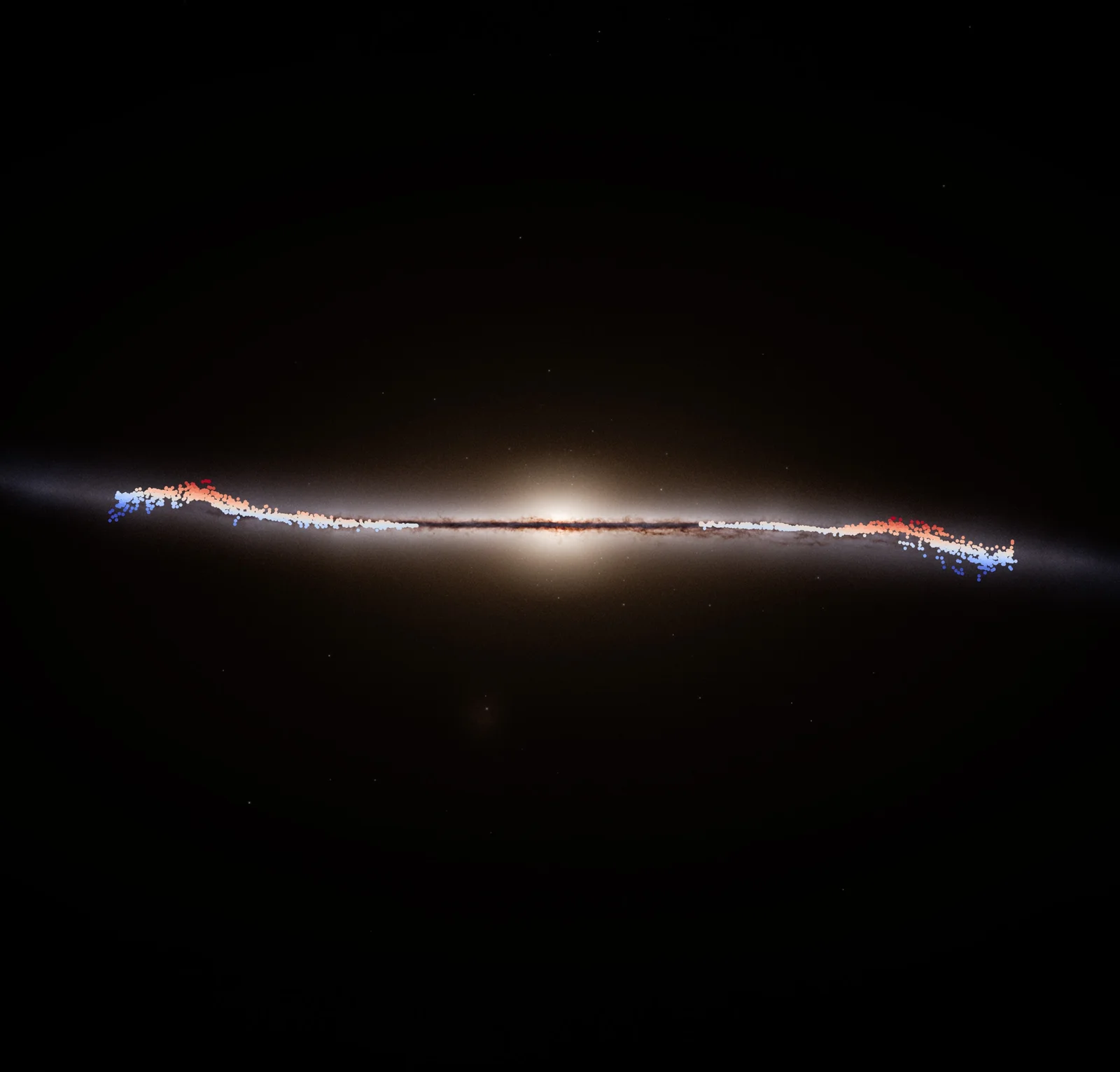
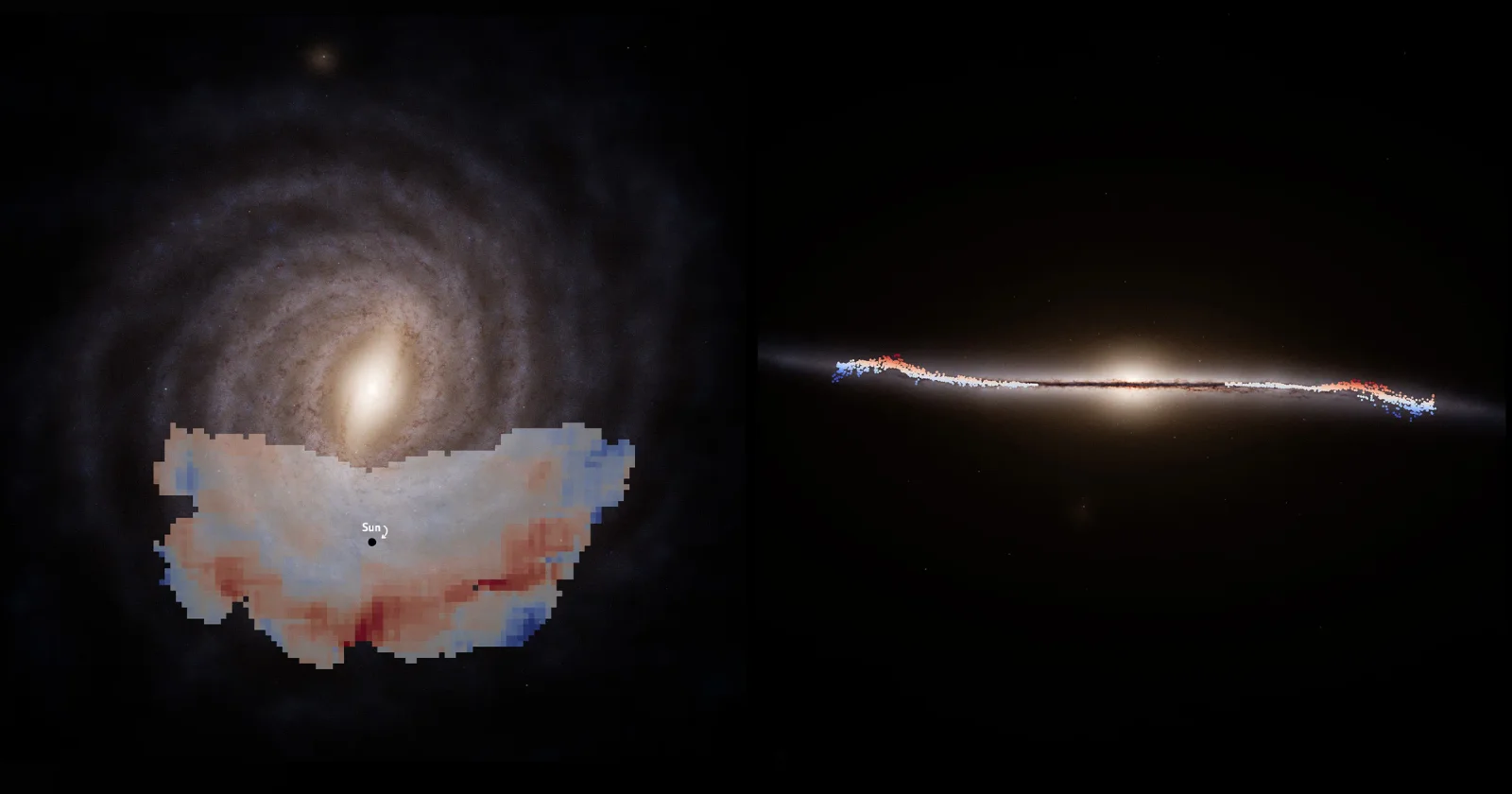
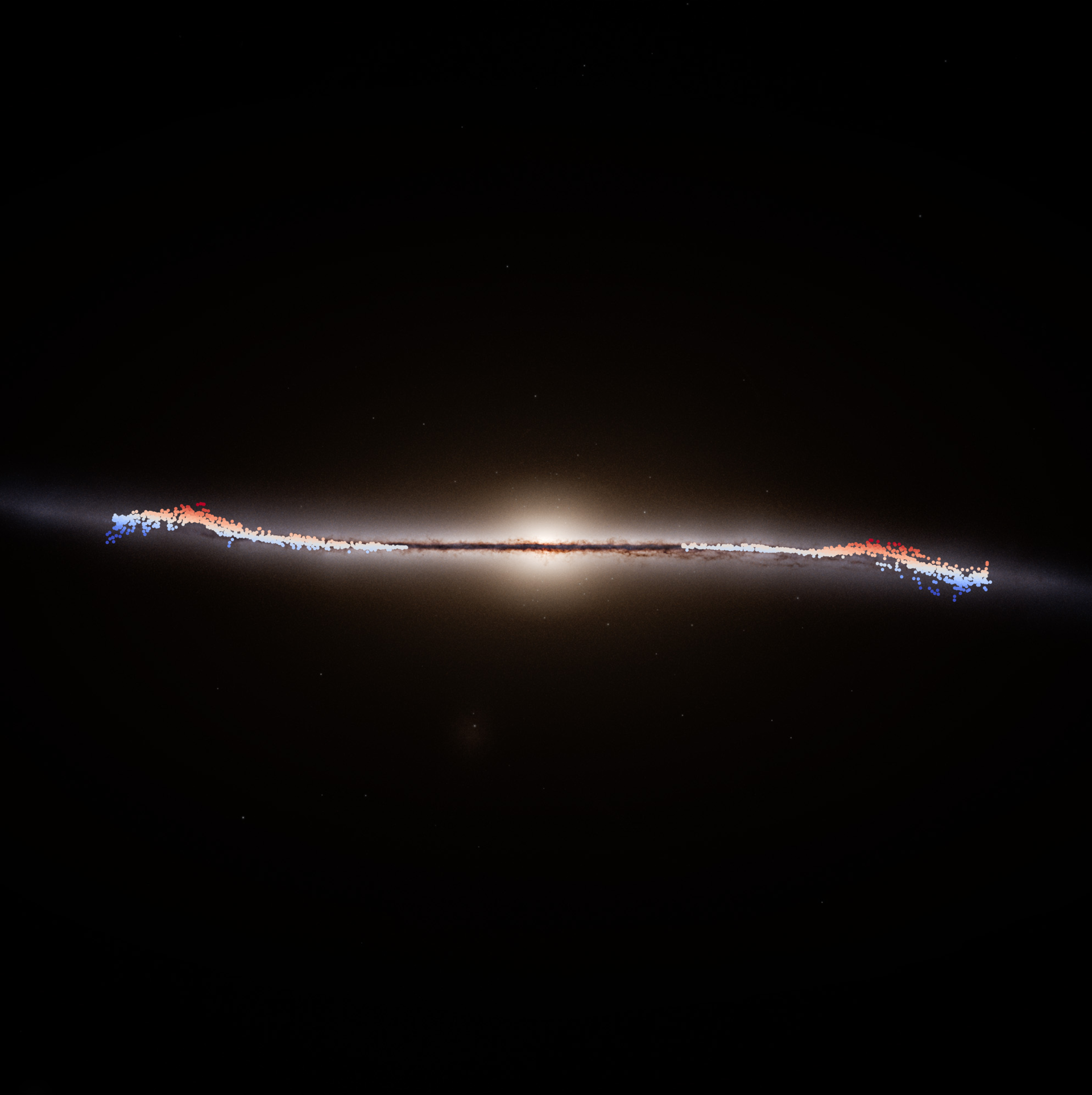
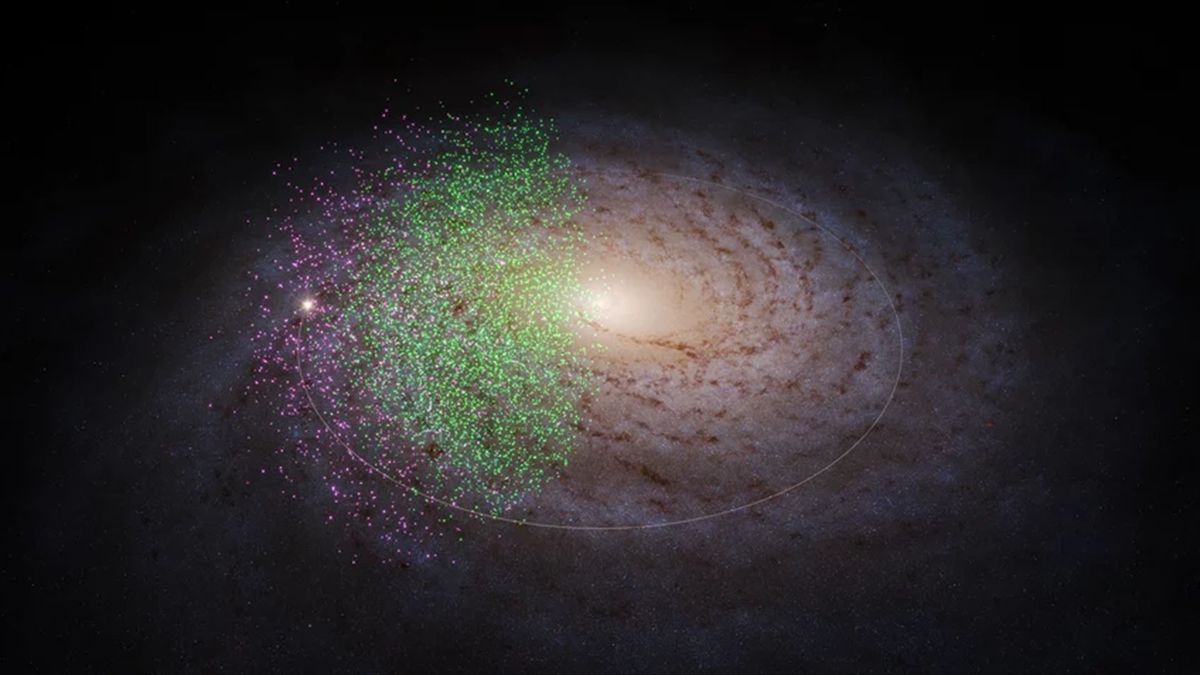
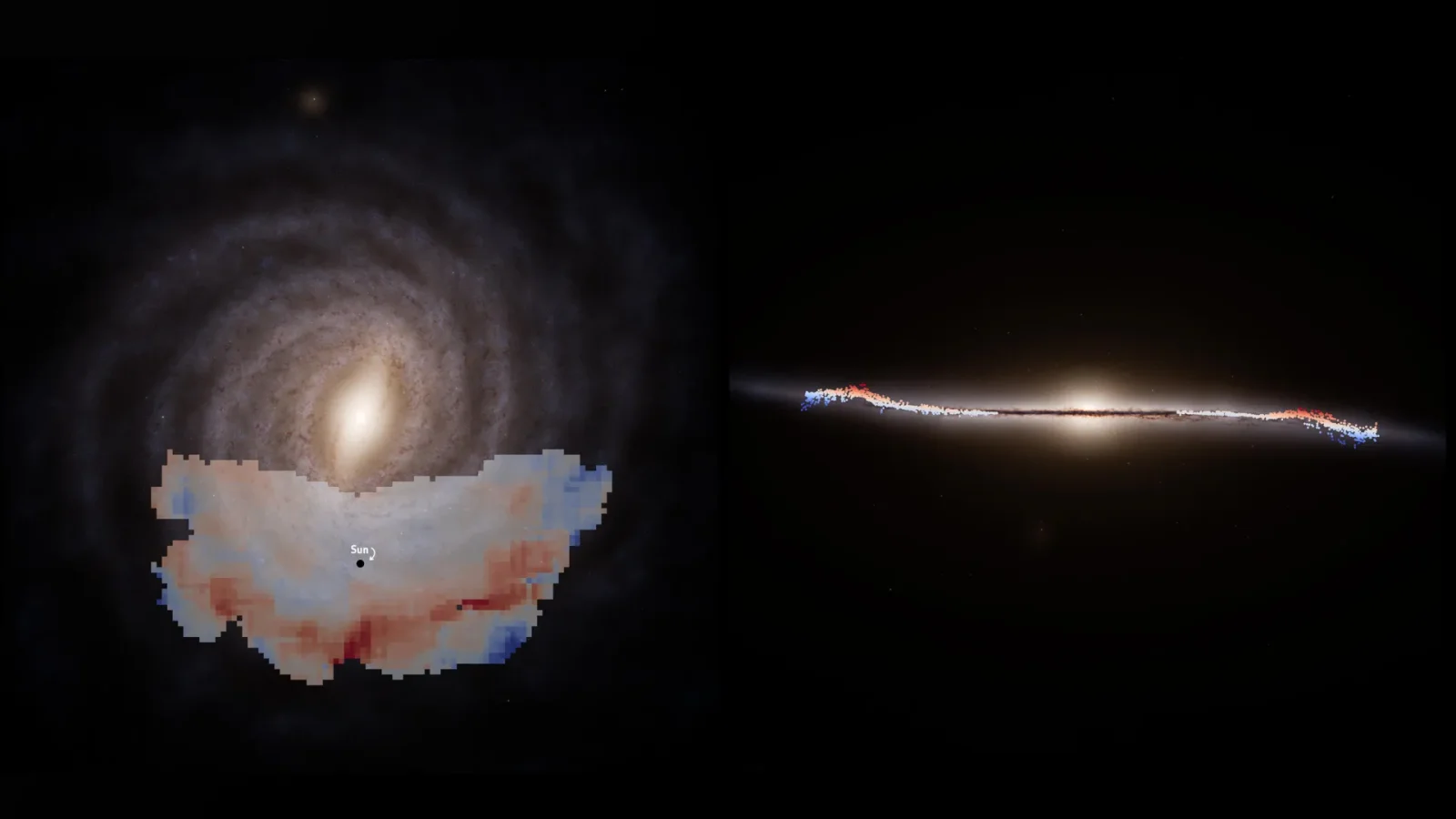
Astronomers using ESA's Gaia telescope have discovered a colossal wave rippling through the Milky Way, originating from its center and affecting a large portion of the galaxy, possibly caused by a past galactic encounter or related to other galactic structures, revealing new insights into our galaxy's dynamic behavior.

Gaia Detects Massive Wave Rippling Through the Milky Way

Originally Published 3 months ago — by European Space Agency

Featured image for Gaia Detects Massive Wave Rippling Through the Milky Way
Source: European Space Agency

Gaia telescope data reveals a giant wave rippling through the Milky Way's outer disc, caused by large-scale vertical motions of stars, possibly due to past galactic interactions, offering new insights into our galaxy's dynamic structure.

Explore the Milky Way in Stunning 3D with Gaia's Latest Star Map

Originally Published 3 months ago — by Live Science

Featured image for Explore the Milky Way in Stunning 3D with Gaia's Latest Star Map
Source: Live Science

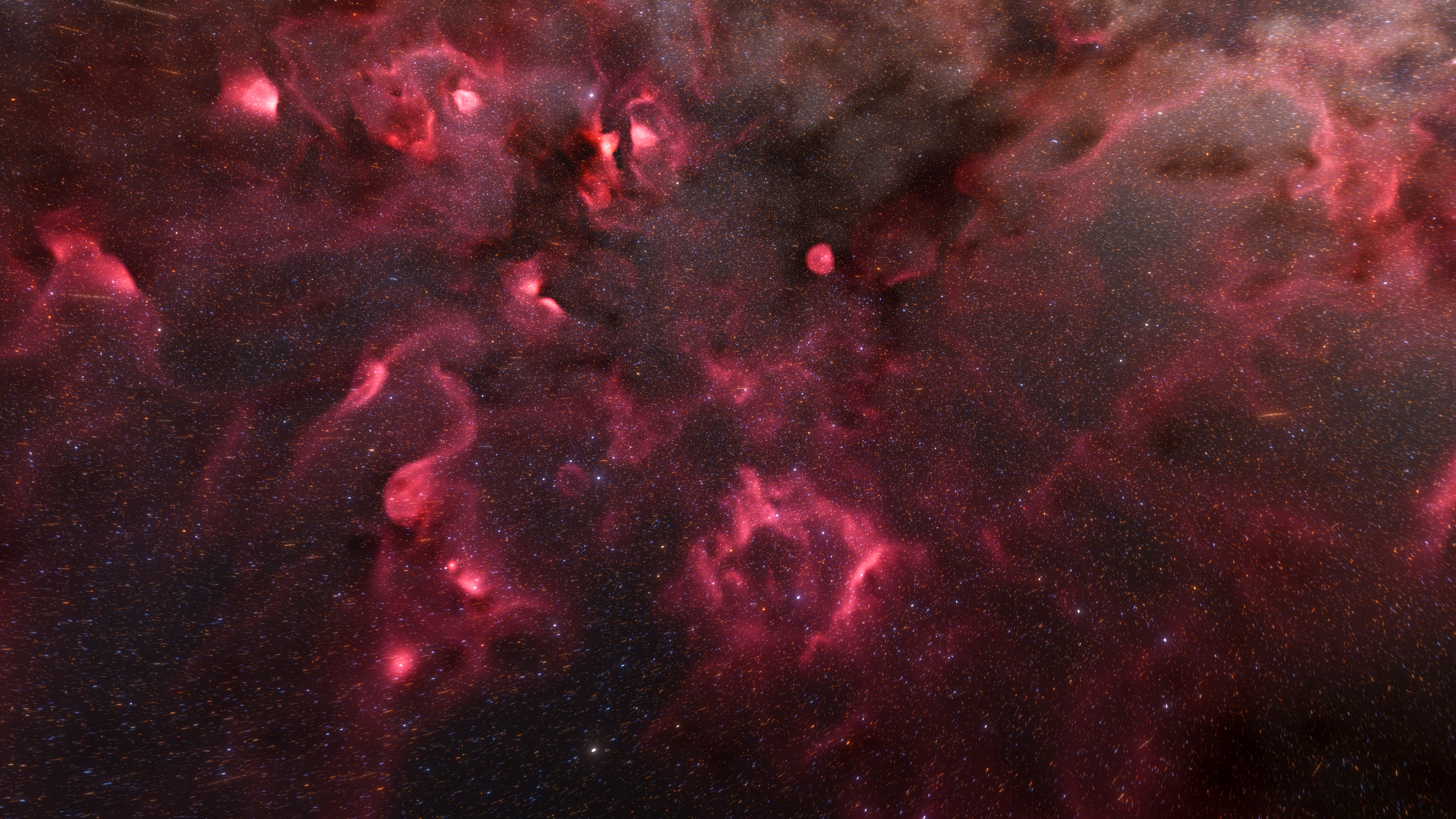
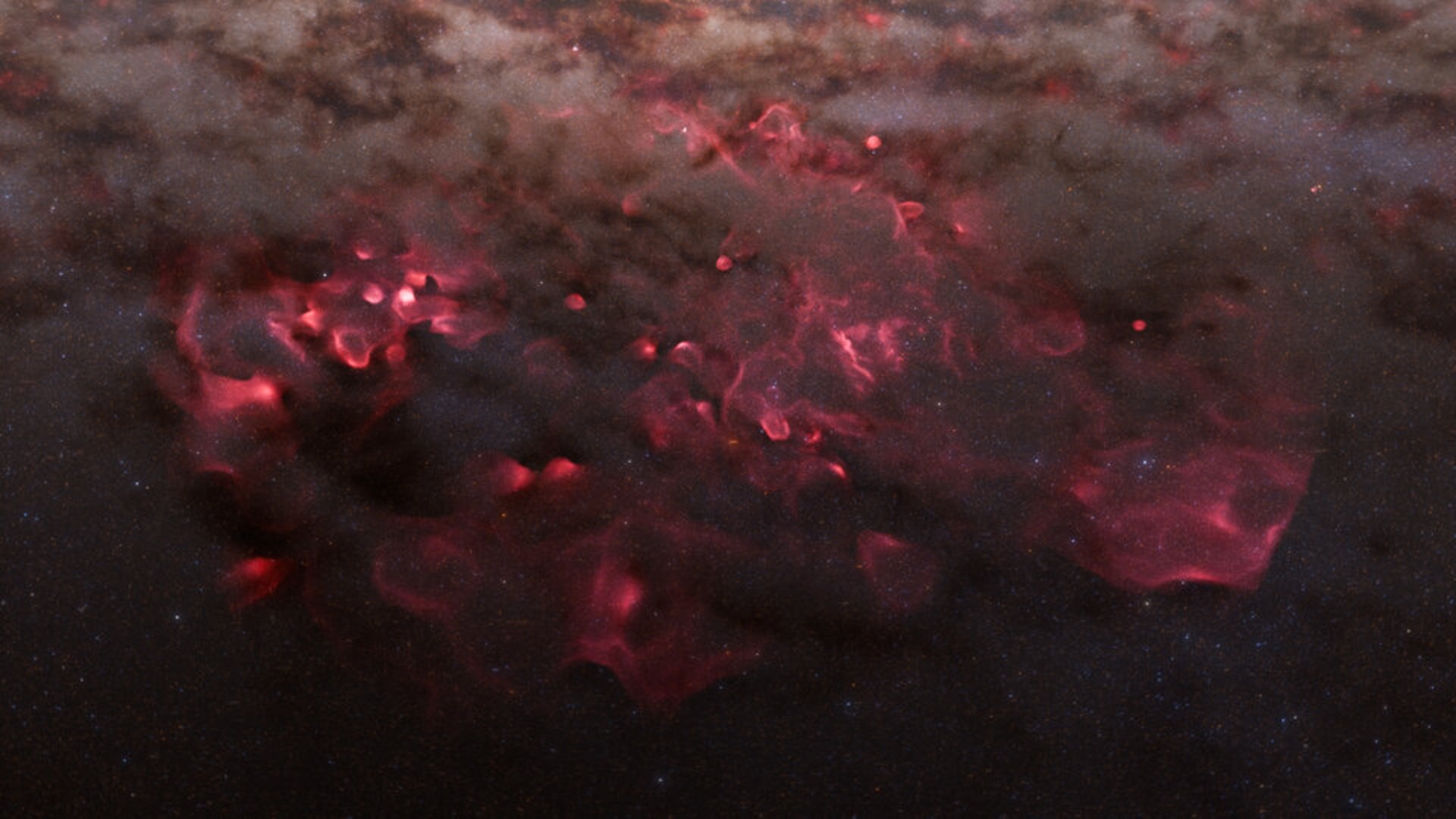
The Gaia Space Telescope has created a detailed 3D map of the Milky Way's star-forming regions up to 4000 light-years away, revealing new insights into stellar nurseries, including the presence of 44 million stars and 87 rare O-type stars, captured in a stunning space image and accompanying video.

Astronomers Detect Largest Cosmic Explosions Since the Big Bang

Originally Published 7 months ago — by ScienceAlert

Featured image for Astronomers Detect Largest Cosmic Explosions Since the Big Bang
Source: ScienceAlert

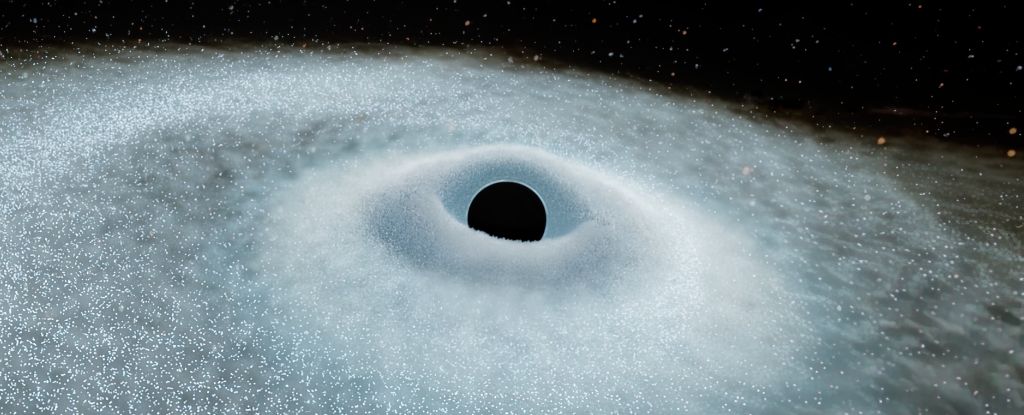
Astronomers using the Gaia space telescope have accidentally captured the biggest space explosions since the Big Bang, called extreme nuclear transients (ENTs), which are massive, long-lasting flares caused by stars being torn apart by supermassive black holes, providing new insights into black hole growth and galaxy evolution.

Scientists record universe's most powerful explosions since the Big Bang

Originally Published 7 months ago — by The Independent

Featured image for Scientists record universe's most powerful explosions since the Big Bang
Source: The Independent

Scientists have discovered the most intense cosmic explosions, called extreme nuclear transients (ENTs), which are significantly brighter and longer-lasting than typical supernovae, occurring when massive stars are torn apart by supermassive black holes. These events, observed via the Gaia telescope, offer new insights into black hole growth and the universe's history, and future telescopes are expected to find more of them.

3D Insights into Globular Cluster Formation and Evolution

Originally Published 1 year ago — by Phys.org

Featured image for 3D Insights into Globular Cluster Formation and Evolution
Source: Phys.org

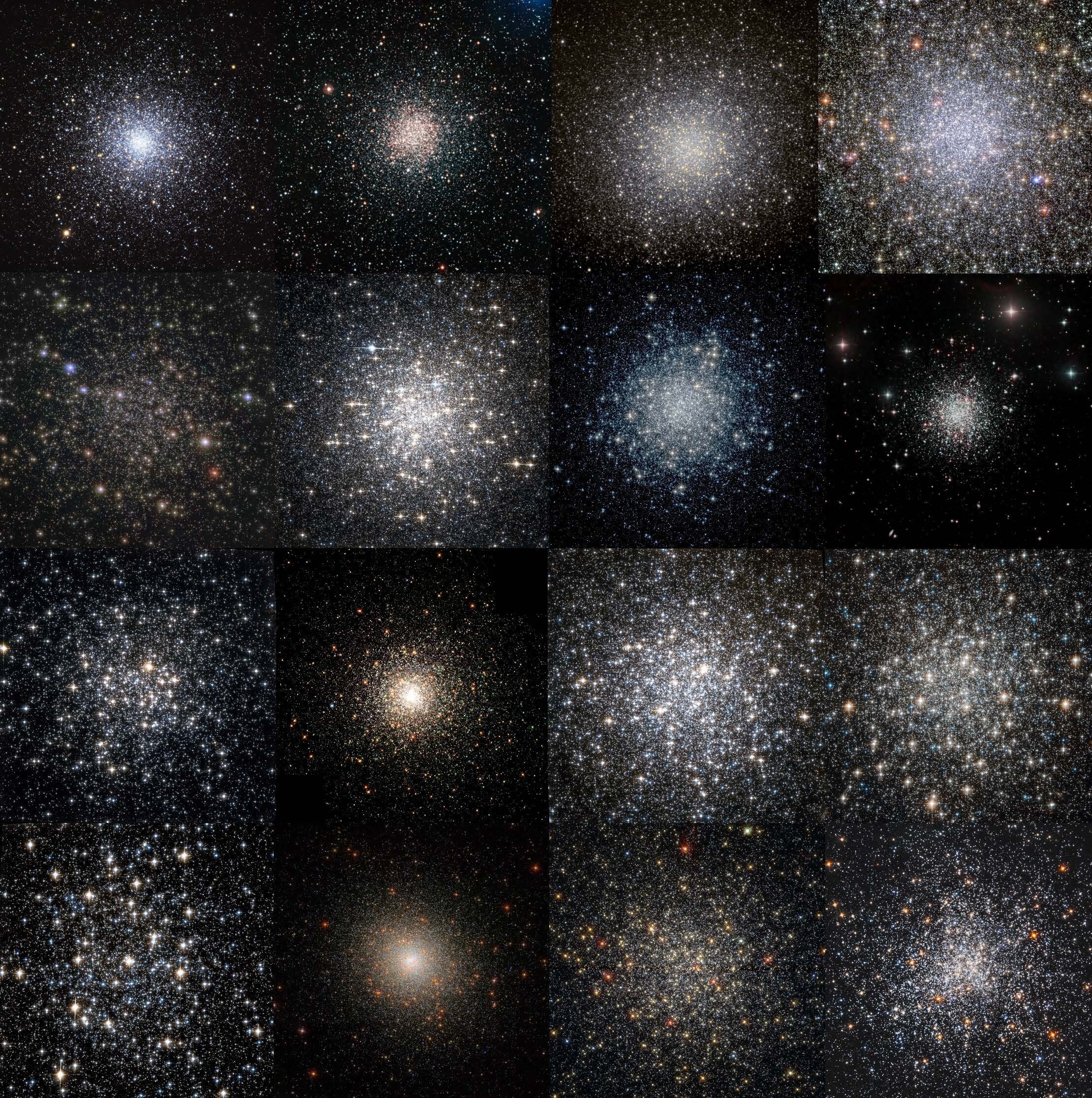
A groundbreaking study published in Astronomy & Astrophysics provides the first 3D kinematic analysis of multiple stellar populations in 16 globular clusters, revealing key insights into their formation and evolution. Conducted by researchers from INAF, the University of Bologna, and Indiana University, the study shows that globular clusters formed through multiple star formation events, with stars exhibiting distinct kinematic properties based on their chemical composition. This research, utilizing data from the ESA Gaia telescope and ESO VLT, offers a new framework for understanding these ancient cosmic structures.

"Massive Stellar Black Hole Discovered Near Earth in Milky Way"

Originally Published 1 year ago — by Space.com

Featured image for "Massive Stellar Black Hole Discovered Near Earth in Milky Way"
Source: Space.com

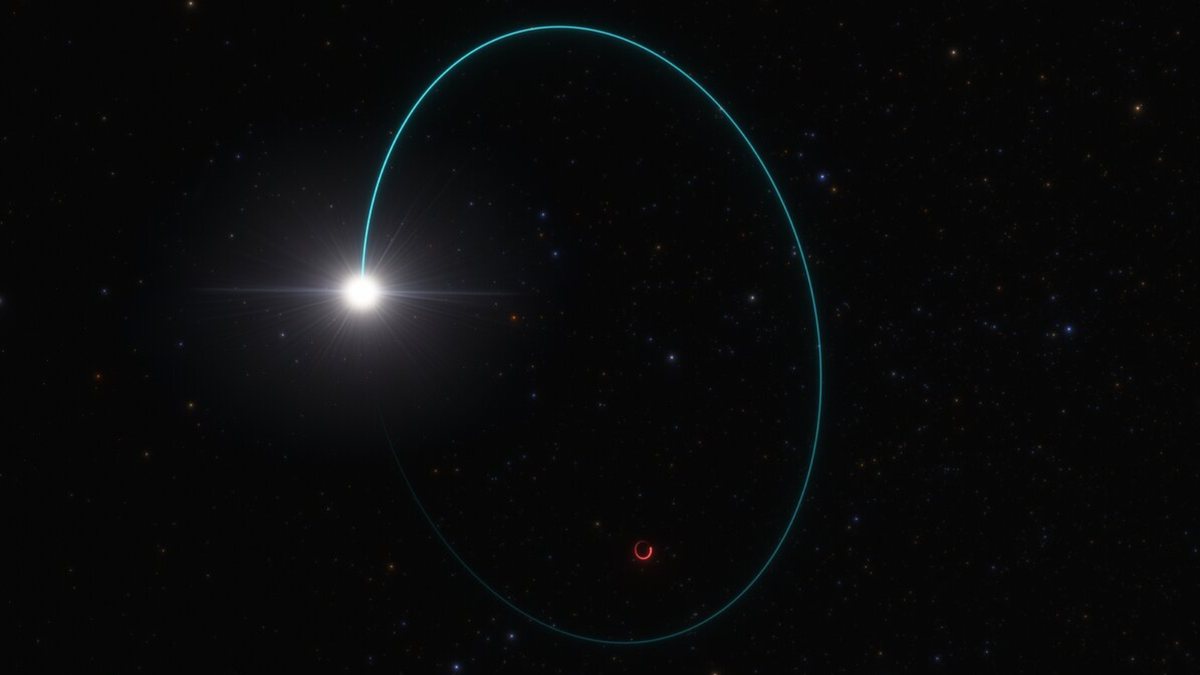
The European space telescope Gaia has discovered a massive stellar-mass black hole, Gaia-BH3, just 2,000 light years from Earth, making it the second-closest black hole to our planet ever discovered. This landmark finding represents the first time such a massive black hole with a stellar origin has been found close to Earth. The discovery sheds light on the population of dormant stellar black holes in our galaxy and challenges previous assumptions about the formation of black holes.

"Ancient Star Streams: Building Blocks of the Milky Way"

Originally Published 1 year ago — by ScienceAlert

Featured image for "Ancient Star Streams: Building Blocks of the Milky Way"
Source: ScienceAlert

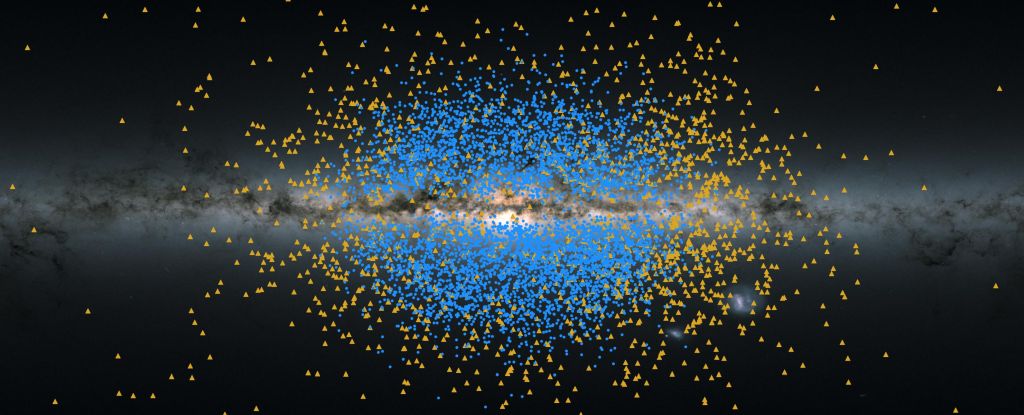
Two ancient streams of stars, named Shiva and Shakti, have been discovered near the center of the Milky Way, dating back to nearly 13 billion years ago. Identified using data from the Gaia telescope, these streams provide insight into the galaxy's early formation and growth, shedding light on its infancy and evolution. The discovery highlights the valuable role of galactic archaeology in understanding the history of the Milky Way and the significance of precise data collection in uncovering surprise elements of our cosmic history.

"Discovery of 13 Billion-Year-Old Star Streams Unravels Milky Way's Origins"

Originally Published 1 year ago — by Livescience.com

Featured image for "Discovery of 13 Billion-Year-Old Star Streams Unravels Milky Way's Origins"
Source: Livescience.com

Astronomers have discovered two massive streams of stars, named Shiva and Shakti, near the center of the Milky Way. These ancient structures, containing stars up to 13 billion years old, may be some of the earliest building blocks of our galaxy. The stars in Shiva and Shakti are extremely metal poor, indicating that they are among the oldest in the Milky Way. The discovery was made using the Gaia space telescope, and further research will help understand how these streams contributed to the galaxy's evolution.