Tag

Chemical Composition

All articles tagged with #chemical composition

health-and-science1 year ago

"Hidden Dangers: Unlabeled Chemicals Found in 90% of Tattoo Inks"

A new study published in Analytical Chemistry reveals that 90% of tattoo inks have unlabeled or mislabeled ingredients, potentially posing health risks to those getting tattoos. The research, led by chemist John Swierk, found discrepancies between listed ingredients and actual composition, with some inks containing undisclosed substances like ethanol and azo-containing dyes that could potentially cause cancer. The lack of government regulation and understanding of tattoo ink composition raises concerns about the safety of tattooing, prompting the What's In My Ink project to analyze commonly used tattoo inks using various spectroscopic methods.

astronomy2 years ago

Unprecedented Explosion: Ancient Giant Star Defies Expectations

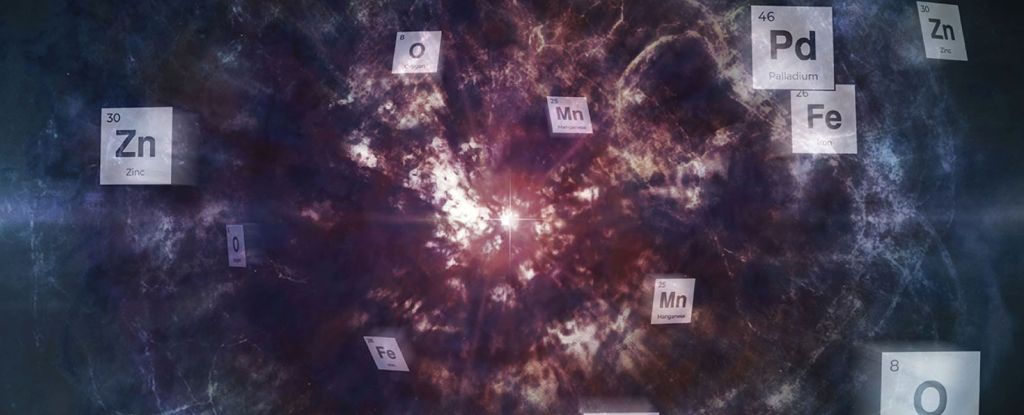
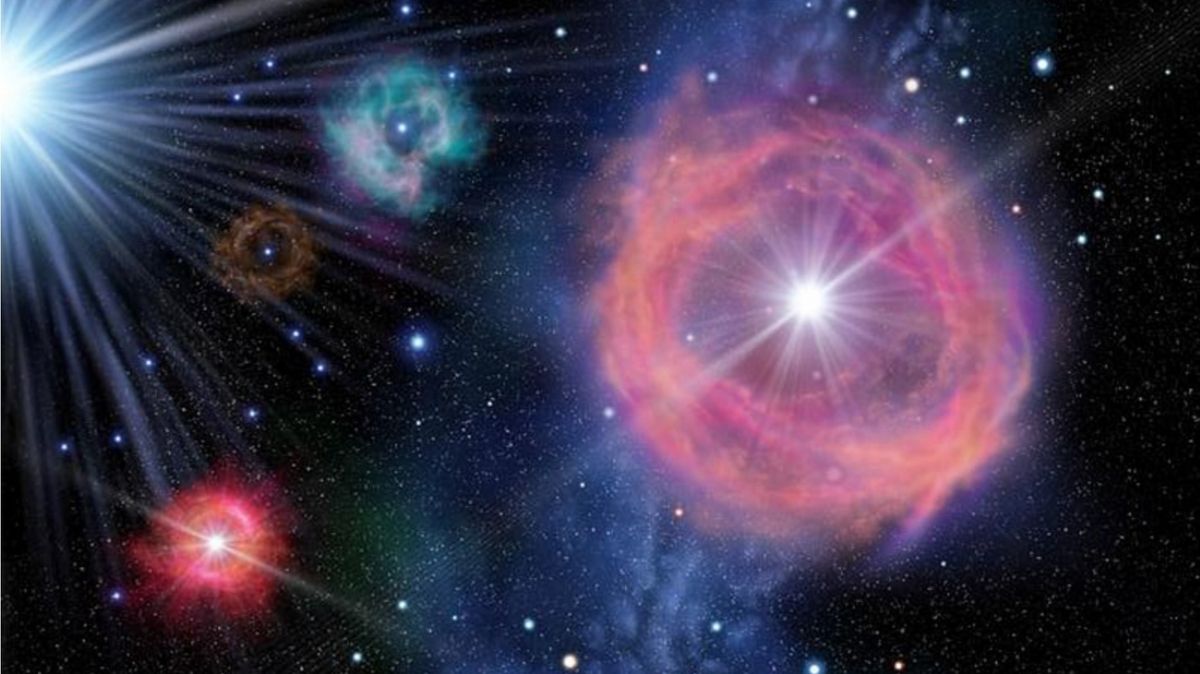
Astronomers have discovered a strange star in the Milky Way, J0931+0038, with a chemical composition indicating it was formed from the remnants of a massive star that exploded billions of years ago. This contradicts existing theories, as such a massive star should have collapsed into a black hole rather than exploding. The star's composition is rich in elements close to iron, but low in odd-numbered elements, and the abundances of elements heavier than iron are unusually high. This discovery challenges current models of element formation and raises questions about the processes that led to the star's formation.

astronomy2 years ago

Unveiling the Age of Enigmatic Stars in the Milky Way's Core

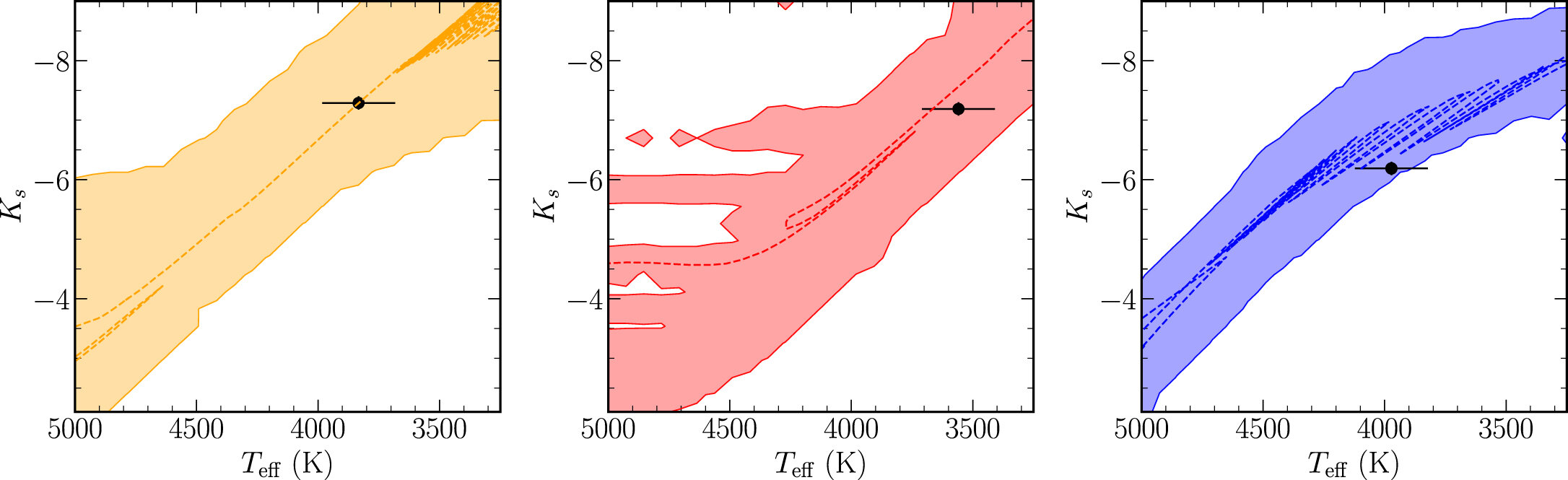
Astronomers from Lund University have used high-resolution data from the Keck II telescope in Hawaii to determine the age of three stars located in the nuclear star cluster at the heart of the Milky Way. The stars were found to be unusually young, with ages ranging from 100 million to 1 billion years. This discovery challenges the previous belief that the nuclear star cluster is an ancient part of the galaxy and suggests that active star formation is occurring in this region. The researchers also observed significant variations in the iron levels of the stars, indicating an inhomogeneous inner region of the galaxy and providing insights into the early universe.

astronomy2 years ago

Unveiling the Enigmatic Elements in Ancient Teenage Galaxies

The James Webb Space Telescope has revealed that "teenage" galaxies from the early universe contain mysterious heavy elements, such as nickel, which are rarely observed even in older galaxies. The observations, made by a team of astrophysicists from Northwestern University, suggest that these early galaxies appear hotter than expected and have a unique chemical composition. The presence of nickel, heavier than iron in the periodic table, came as a surprise and may indicate something unique about the stars within these galaxies. The study provides insights into the evolution and composition of galaxies in the early universe.

science-and-astronomy2 years ago

Surprising Teenage Galaxies: Unusual Heat and Unexpected Elements

Astronomers analyzing data from the James Webb Space Telescope have discovered that distant "teenage" galaxies from the early universe appear hotter than expected and contain heavy elements, such as nickel. The researchers focused on 33 galaxies and combined light wavelengths from 23 of them to create a composite picture, revealing the presence of hydrogen, helium, nitrogen, oxygen, silicon, sulfur, argon, and nickel. The observation of nickel, which is rarely seen even in older galaxies, suggests a unique chemical composition in these early galaxies. The study provides insights into the evolution and characteristics of galaxies in the early universe.

space2 years ago

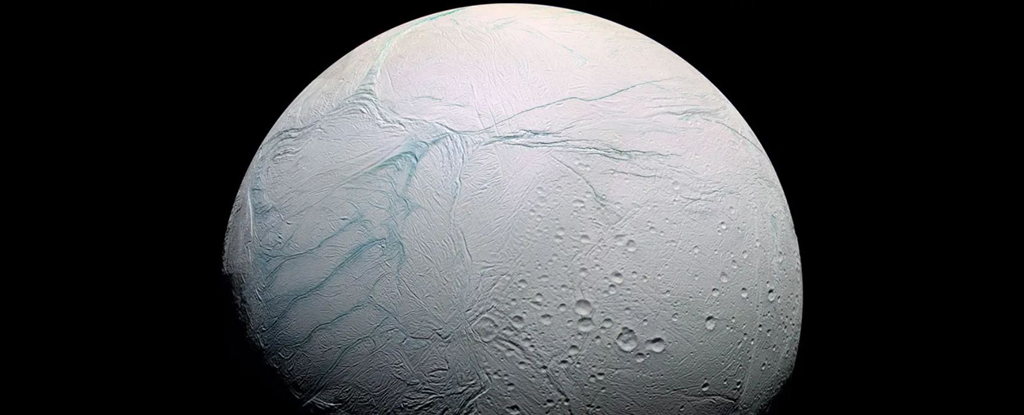
Enceladus: A Potential Habitat for Life

New research based on data from NASA's Cassini mission suggests that Saturn's ocean moon, Enceladus, has the necessary building blocks for life. The analysis of Cassini's data reveals the presence of ammonia and inorganic phosphorous in Enceladus' ocean, which are key components for supporting ecosystems. The researchers used ecological and metabolic theory to understand how these chemicals could make Enceladus habitable. The study also highlights the importance of the Redfield ratio, a consistent ratio of carbon to nitrogen to phosphorous found in Earth's oceans, as a potential signature for life detection on ocean worlds like Enceladus. However, further research and more detailed data are needed to fully understand the chemical environment and potential for life on Enceladus.

astronomy2 years ago

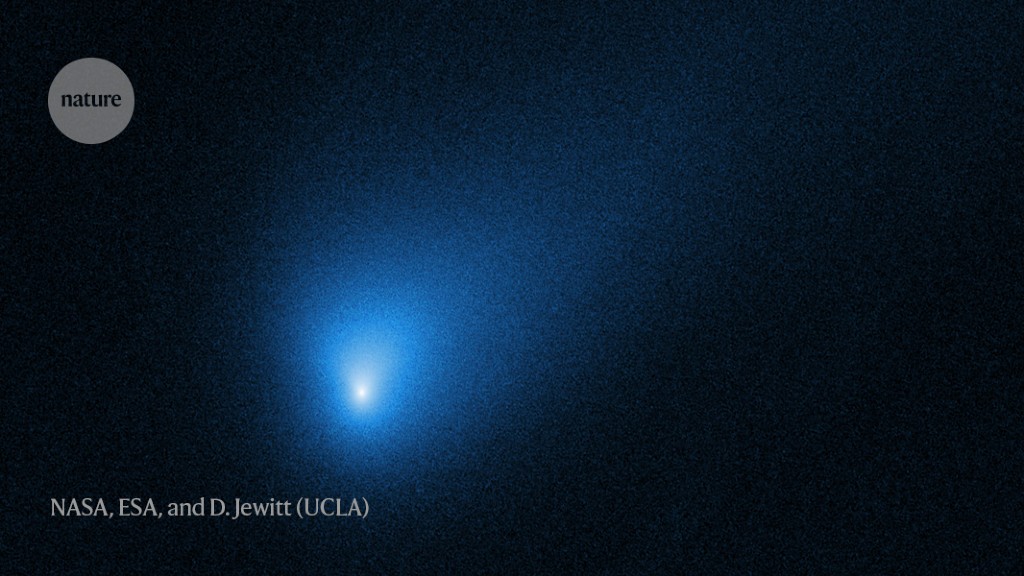
"Debunking the Theory: Scientists Cast Doubt on Interstellar Debris Colliding with Earth"

Scientists are skeptical of a recent claim that fragments of a meteorite found on the sea floor came from interstellar space. While the discovery of interstellar objects on Earth would provide valuable insights into the formation of planets and stars beyond our Solar System, experts argue that the evidence is not convincing. Identifying interstellar objects requires precise measurements, such as analyzing oxygen isotopes, which was not reported in the study. However, astronomers are eager to study more interstellar objects and the upcoming Vera C. Rubin Observatory in Chile is expected to make significant discoveries in this field.

astronomy2 years ago

"Unraveling the Mystery: Astronomers Investigate an Enigmatic Exoplanet's Fiery Nature"

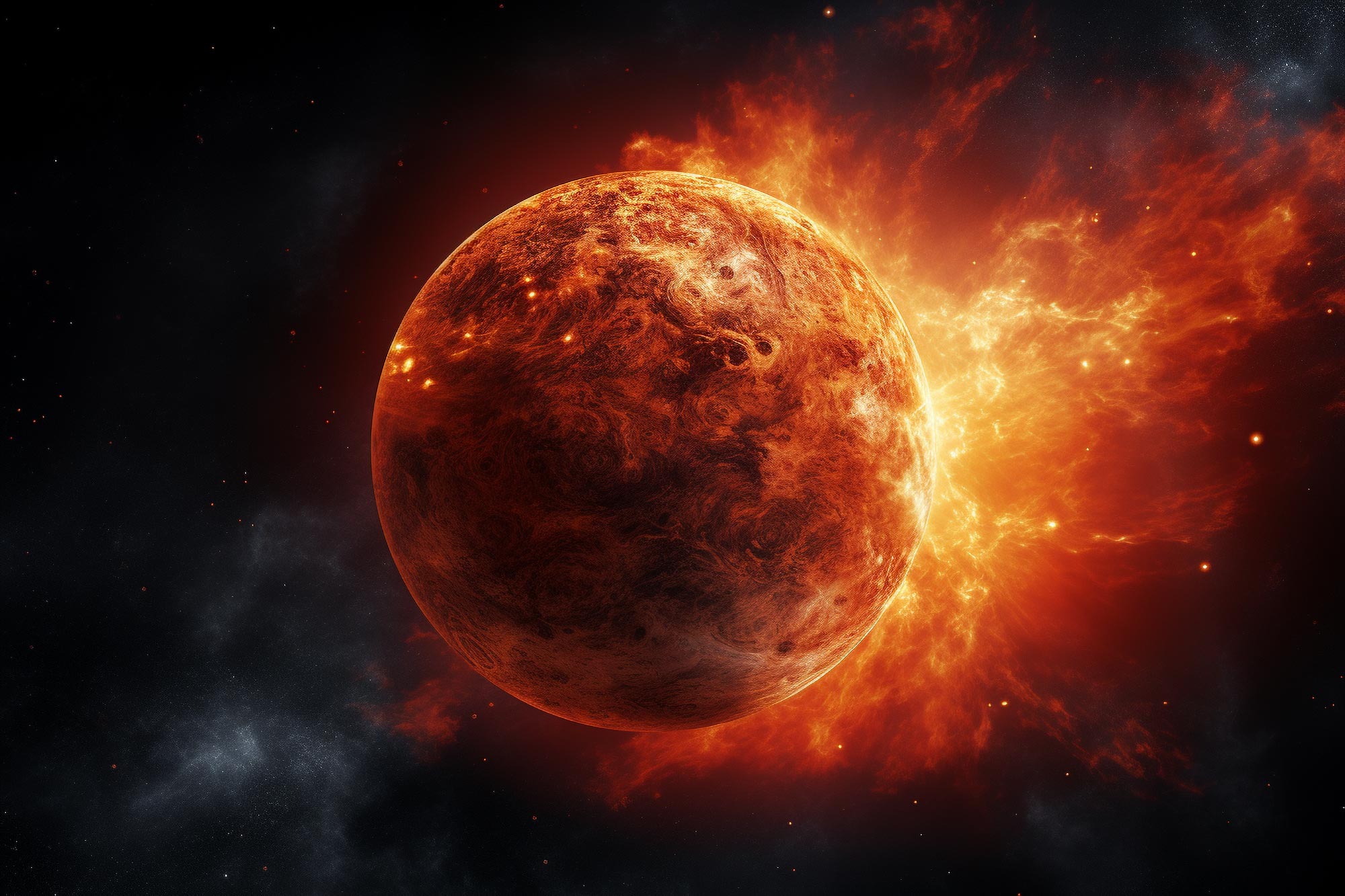
Astronomers have studied the scorching exoplanet WASP-76 b using the MAROON-X instrument on the Gemini-North Telescope, identifying 11 chemical elements in its atmosphere. The findings suggest that the planet's composition reflects that of the protoplanetary disc from which it formed, and its extreme temperatures cause rock-forming elements to vaporize. The absence of certain elements requiring higher temperatures to vaporize suggests that WASP-76 b may have swallowed material from a Mercury-like planet. The study provides crucial insights into the formation and composition of giant planets.

astronomy2 years ago

Decoding an Extraterrestrial's Perspective on Our Galaxy's Chemistry.

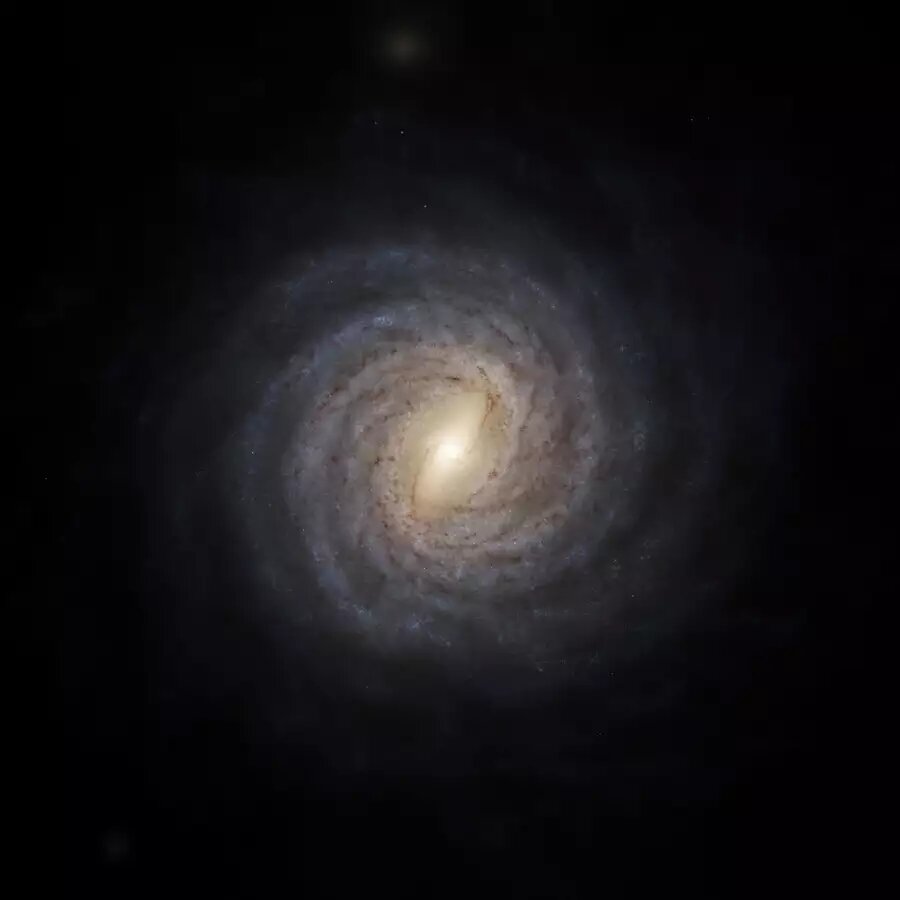
Researchers have reconstructed what alien astronomers observing our Milky Way galaxy from afar would find if they analyzed our home galaxy's chemical composition. The study is relevant for our own understanding of the cosmos: It allows for a new kind of comparison between our home galaxy and the many distant galaxies that we observe from the outside. The results provide part of the answer to the old question whether our home galaxy is special: at least when it comes to chemical composition, the Milky Way is unusual, but not unique.

astronomy2 years ago

Uncovering Supernova Secrets from the Early Universe's Massive Stars.

The chemical composition of a strange star found in the halo of our Milky Way galaxy represents the first evidence of the violent deaths of the universe's first stars, a new study reports. These unique explosions are referred to as pair-instability supernovae (PISNe). The chemically peculiar star LAMOST J1010+2358 could represent the first evidence of PISNe from early massive stars. The researchers used data collected by the Large Sky Area Multi-Object Fiber Spectroscopic Telescope (LAMOST) survey and follow-up observations by the Subaru Telescope in Hawaii to determine that LAMOST J1010+2358 formed in a gas cloud that was dominated by the remains of a 260-solar-mass star that died in a PISNe blast.

science-and-astronomy2 years ago

Ultramassive stars reveal cosmic monsters in ancient star clusters.

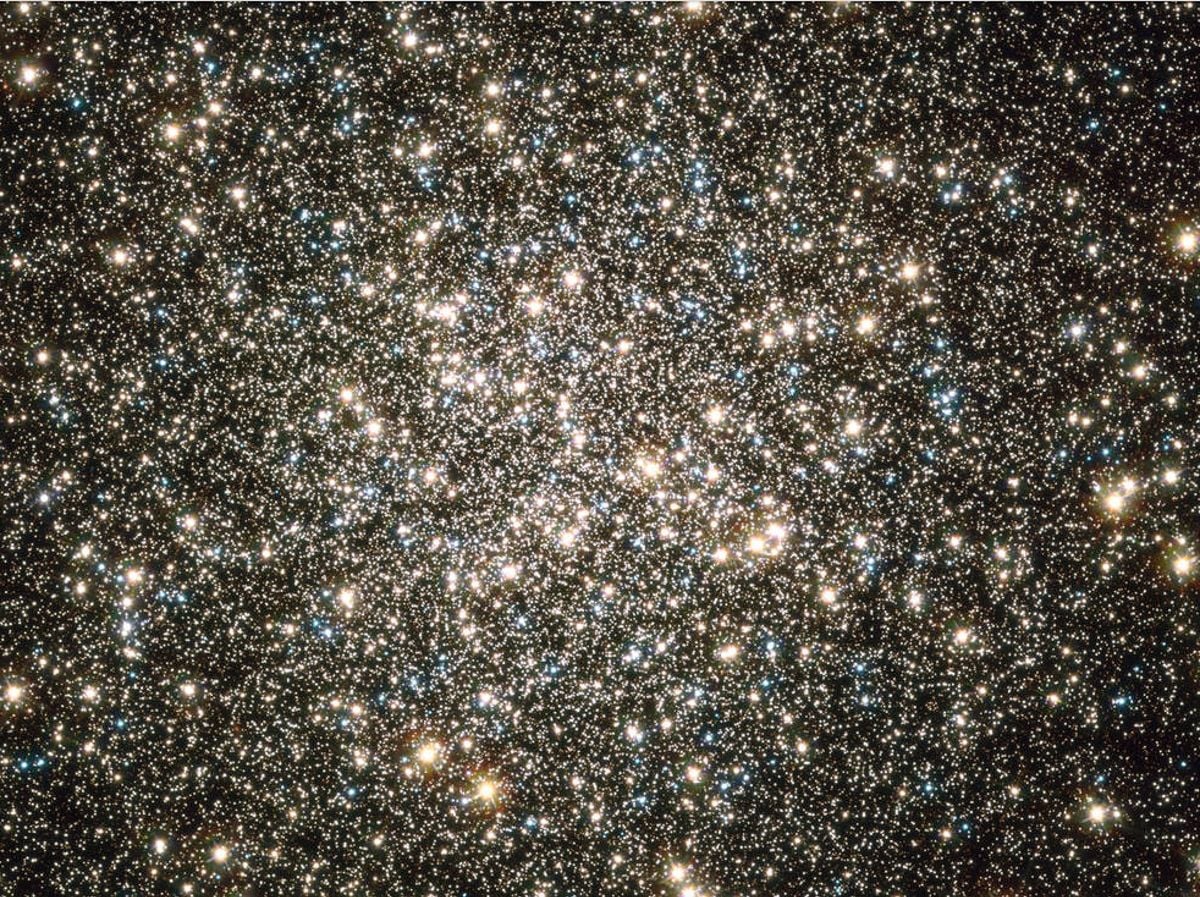
The James Webb Space Telescope has detected chemical traces suggesting the presence of supermassive stars in globular clusters, providing the first observational evidence for the enrichment theory. These stars are believed to have "polluted" the original gas cloud as globular clusters formed, leading to uneven chemical enrichment in infant stars. The team used the infrared vision of JWST to catch globular clusters earlier in their existence and found that several globular clusters are being born in GN-z11, a distant galaxy, and still host active supermassive stars. The results strengthen the model of supermassive star enrichment suggested by the team to explain the strange compositions of globular clusters.

astronomy2 years ago

Discovery of Remnants from Universe's First Supernovae in Distant Gas Clouds

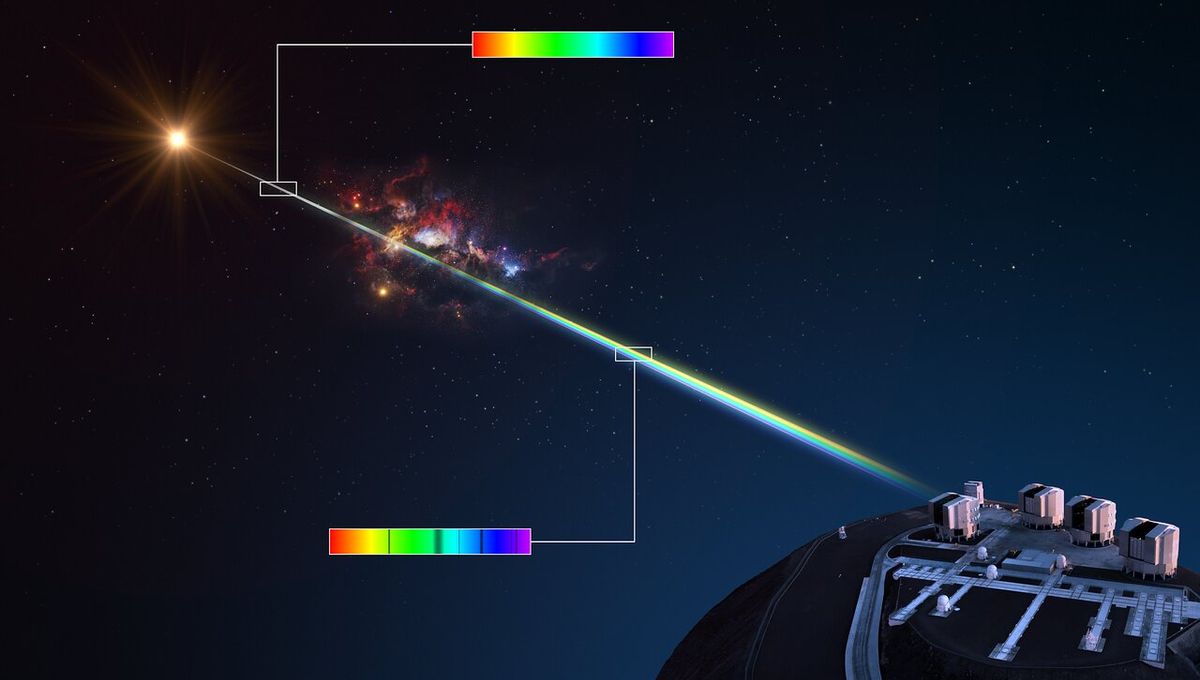
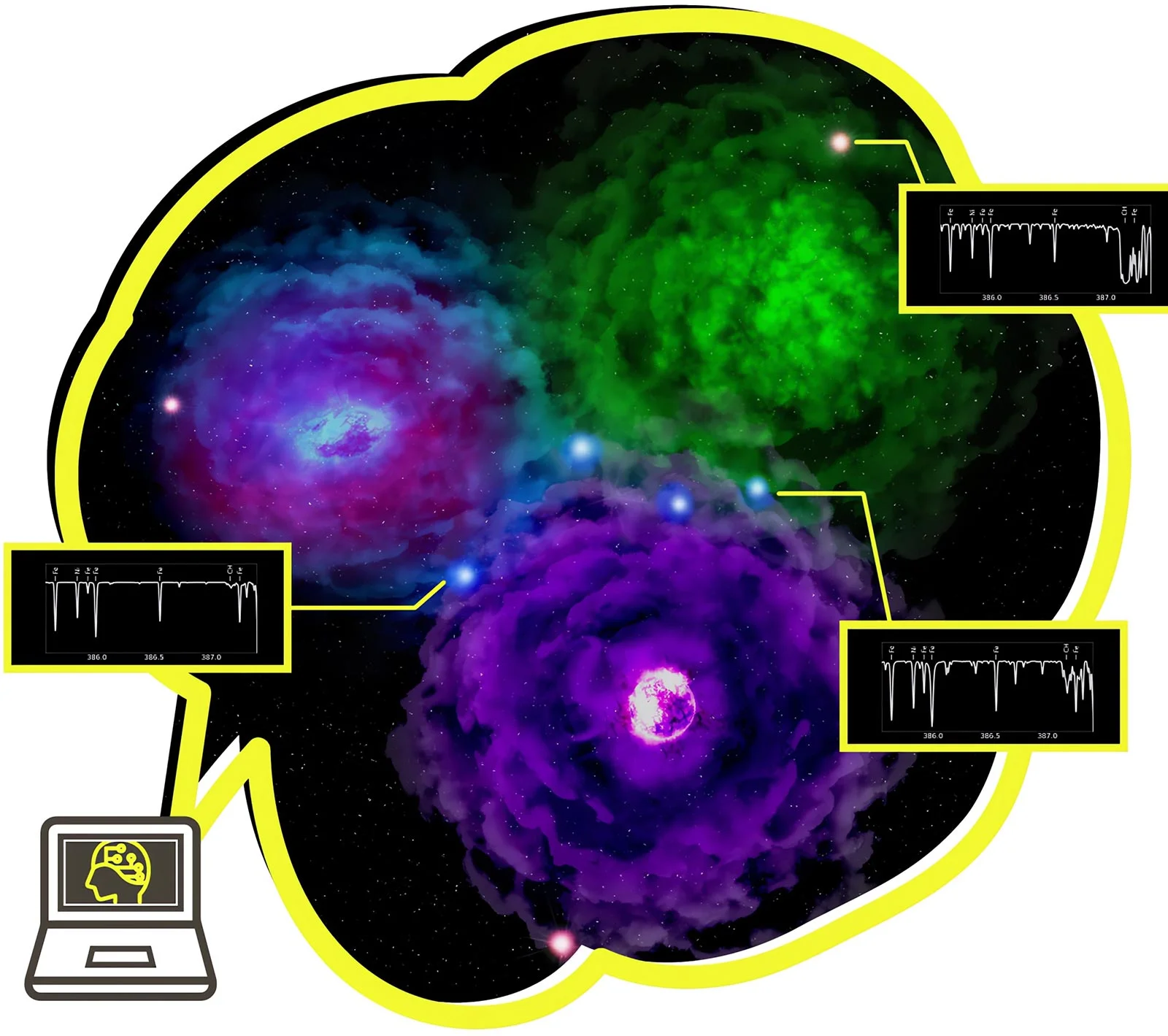
Astronomers have found evidence of the first stars in the universe by identifying the chemical traces of their explosions in distant gas clouds. These stars were made of just hydrogen and helium and were hundreds of times bigger than the Sun. The team used the Very Large Telescope to find three clouds that existed when the universe was just 10 to 15 percent of its current age and were not contaminated. The clouds were illuminated by the light of even more distant quasars, allowing the researchers to work out their chemical composition.

science-and-astronomy2 years ago

Exploring Jupiter's Moons: The Search for Life

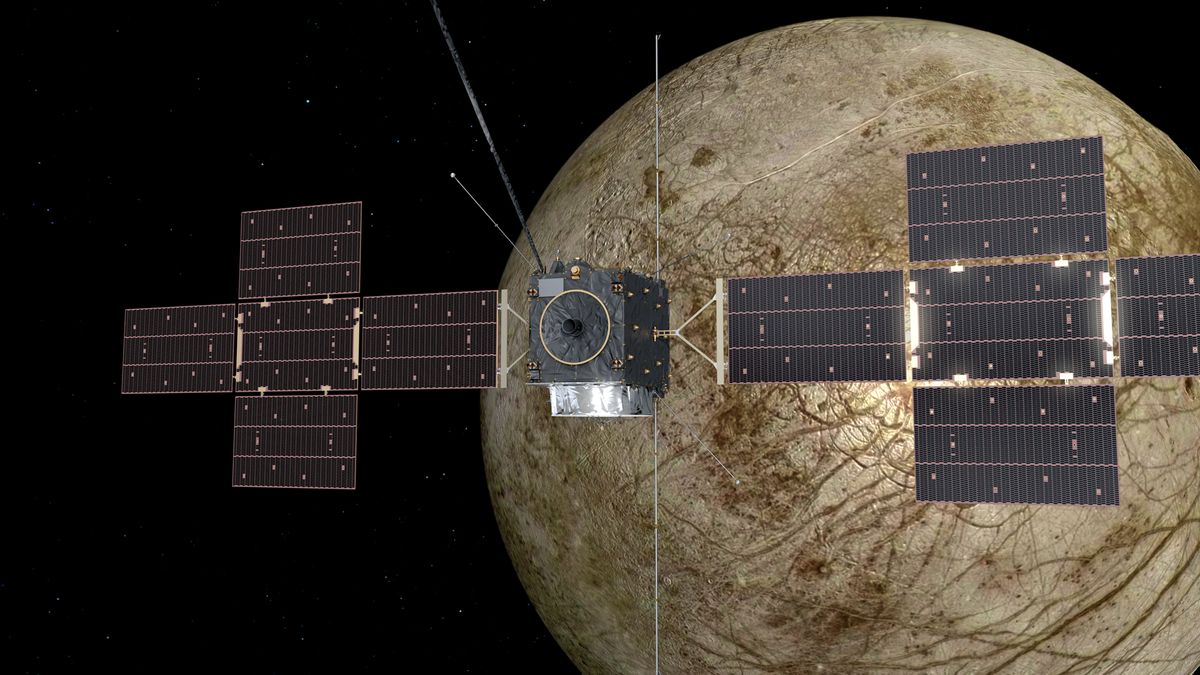
Europe's Jupiter Icy Moon Explorer (JUICE) mission aims to help scientists understand which of Jupiter's moons possess the right elements to support life. JUICE will study Jupiter's largest moon Ganymede and the distant Callisto, both believed to possess oceans, and make two flybys of Europa. However, JUICE is not designed to detect life, nor its direct signatures. Scientists believe that life, if it exists, would be in the water, which is hard to access. JUICE will provide valuable measurements of these moons, but a mission that might provide the ultimate answer about life on Jupiter's moons may still be a "generation away."

science2 years ago

AI Finds First Stars Had Companions in the Universe

An international team of researchers has used artificial intelligence to analyze the chemical composition of extremely metal-poor stars and found that the first stars in the Universe were likely born in groups rather than individually. The team hopes to apply this method to new data from on-going and planned observation surveys to better understand the early Universe. The study offers the first quantitative constraint based on observations for the multiplicity of the first stars.