Tag

Juice Spacecraft

All articles tagged with #juice spacecraft

science4 months ago

ESA's Juice spacecraft recovers from anomaly, resumes Venus approach

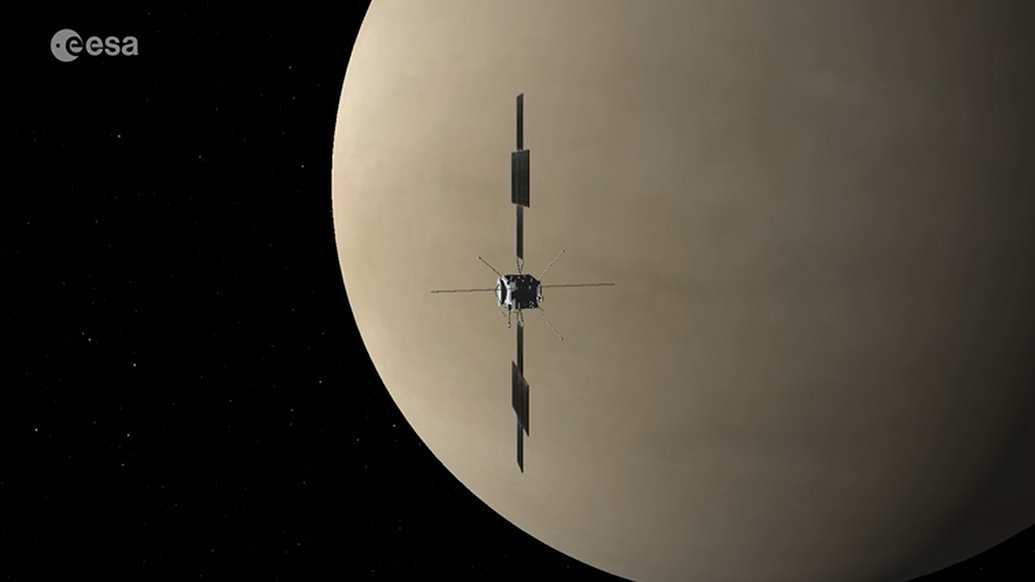
ESA's Juice spacecraft experienced a communication loss due to a software bug involving a timer that controls the signal amplifier, which was fixed after ground commands successfully reactivated the amplifier. The issue was caused by a timer wraparound problem that occurs every six months, but it was resolved without major impact, and the spacecraft is now en route to Venus for a gravity-assist flyby.

entertainment2 years ago

"JUICE: From Earth to Jupiter, Against All Odds"

"The Making of JUICE" is a two-hour documentary that chronicles the challenges faced by scientists and engineers in building the European Space Agency's Jupiter Icy Moons Explorer (JUICE) spacecraft, which is on a mission to study Jupiter's icy moons. The documentary captures the difficulties of assembling the spacecraft during the COVID-19 pandemic and the excitement of its successful launch. It features interviews with key scientists and engineers involved in the project and provides a behind-the-scenes look at the development and testing of the spacecraft. The documentary is available for free on the European Space Agency's YouTube channel.

space-exploration2 years ago

"Juice Embarks on Historic Earth-Moon Flyby Mission"

The European Space Agency's Juice spacecraft successfully completed a major maneuver, using almost 10% of its fuel reserve, to put itself on the correct trajectory for an Earth-Moon double gravity assist. This maneuver is the first part of a two-part process that could mark the final use of Juice's main engine until its arrival in the Jupiter system in 2031. The spacecraft will make flybys of Venus and Earth before reaching Jupiter, using gravity assists to gain energy and overcome the Sun's gravitational pull.

space-exploration2 years ago

The Juicy Delay: Unraveling the Mystery

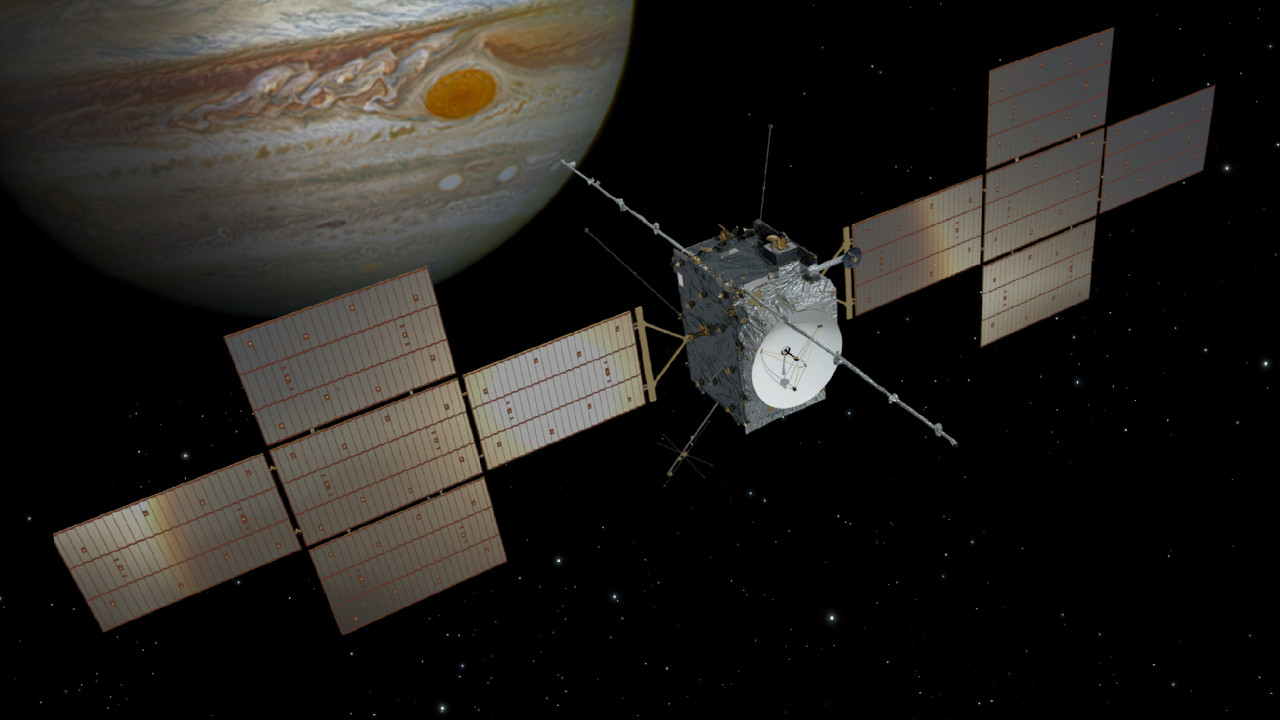
The European Space Agency's Juice spacecraft is taking a long time to reach Jupiter due to various factors, including the amount of fuel used, the power of the rocket, the mass of the spacecraft, and the geometry of the planets. To conserve fuel and achieve the desired trajectory, the spacecraft takes a scenic route and utilizes gravity-assist maneuvers by flying close to Earth, the Earth-moon system, and Venus. Once it arrives at Jupiter in 2031, Juice will conduct a series of flybys of Jupiter's moons, including Ganymede, making it the first spacecraft to orbit a moon other than Earth's.

space-exploration2 years ago

Jupiter Probe's Encouraging Signals and Successful Repairs

The JUICE spacecraft, on its way to Jupiter, has captured its first ultraviolet views of the cosmos, revealing a streak of the Milky Way filled with shining stars from the southern sky. The images, although not spectacular, indicate operational progress. The spacecraft's Ultraviolet Spectrograph (UVS) instrument collected its first set of data, confirming its performance. JUICE's mission is to study Jupiter's icy moons, suspected of harboring subsurface oceans and potentially habitable conditions. The UVS instrument, developed by the Southwest Research Institute, captures ultraviolet light to measure the concentrations of elements and molecules in the moons' atmospheres. JUICE is expected to reach the Jovian system in 2031.

space2 years ago

JUICE Spacecraft's Engineers Successfully Resolve Antenna Issue and Collect First UV Data

The European Space Agency's Juice spacecraft encountered a problem during deployment when its Radar for Icy Moons Exploration (RIME) antenna failed to deploy properly. After weeks of attempts and troubleshooting, the team discovered a solution: warming up the pin in the sun and firing a nearby actuator to release it. The antenna successfully deployed, allowing Juice to continue its mission to investigate the icy moons of Jupiter.

space2 years ago

Juice Spacecraft's RIME Antenna Successfully Deployed

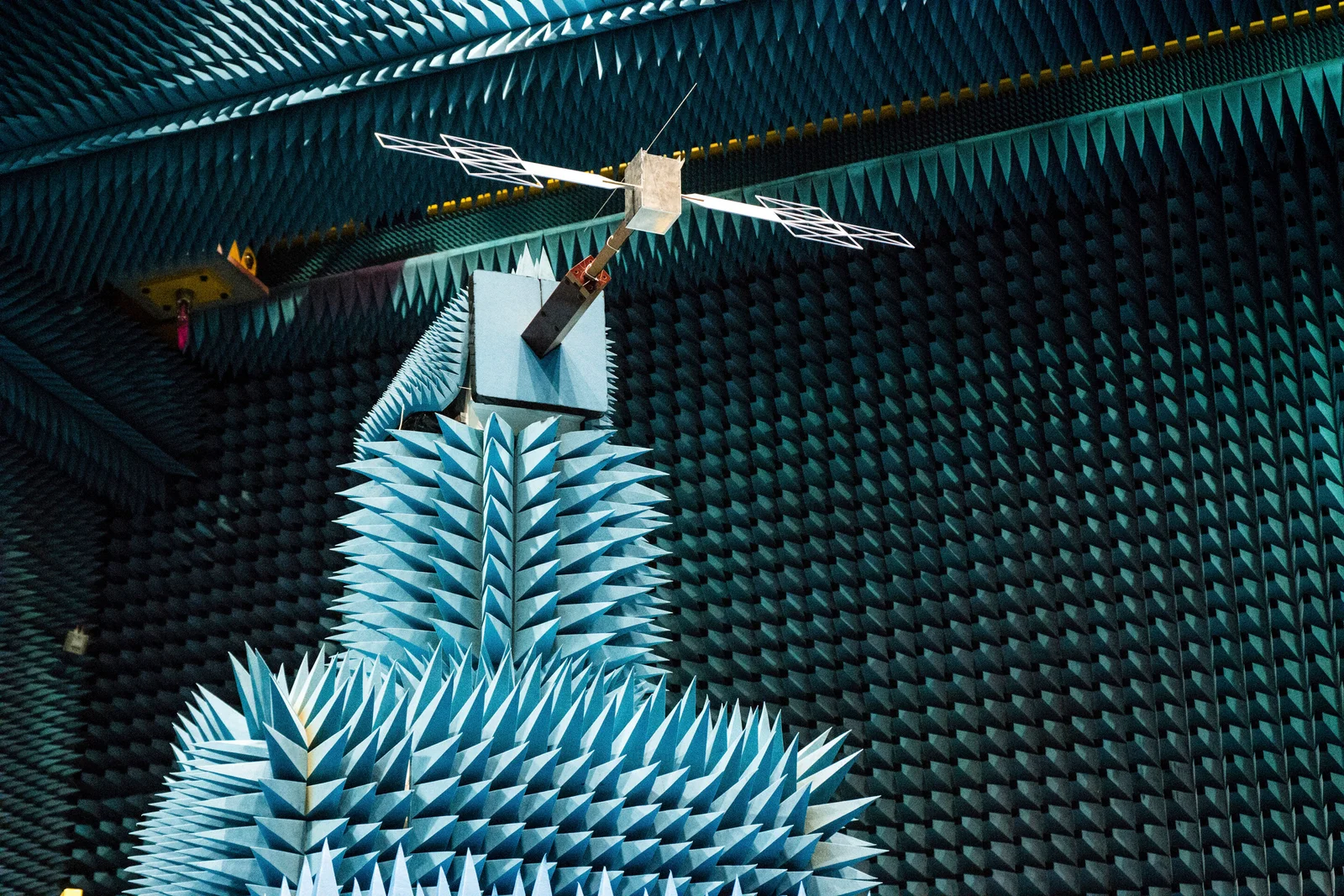
The Juice spacecraft's RIME antenna, designed to study Jupiter's icy moons, has been successfully deployed after overcoming a stuck pin issue with the help of a mechanical device called a 'non-explosive actuator'. The 16-meter-long boom had been stuck for over three weeks, but the flight control team at ESA's mission control center in Darmstadt finally managed to jolt it into life on May 12. Once ESA's Jupiter Icy Moons Explorer (Juice) arrives at Jupiter, it will use RIME to study the surface and subsurface structure of Jupiter's icy moons down to a depth of 9 km.

space2 years ago

ESA's JUICE Probe Encounters Antenna Issue on Journey to Jupiter

The European Space Agency's Jupiter Icy Moons Explorer (Juice) spacecraft, launched on April 14th, has hit a snag with its 16-meter radar antenna, which has only extended to roughly 1/3rd its total length. The going theory is that one of the release pins has gotten stuck somewhere, preventing the antenna from moving any further. Engineers are exploring options to shake the craft or move the antenna mount in and out of sunlight to free things up. Even if the antenna cannot be fixed, the mission will still provide a wealth of information about Ganymede, Callisto, and Europa.

space2 years ago

ESA's Jupiter Icy Moons Explorer Faces Antenna Deployment Failure.

The Radar for Icy Moons Exploration (RIME) antenna on ESA’s Jupiter Icy Moons Explorer (Juice) spacecraft has encountered an issue preventing its deployment, potentially caused by a stuck pin. Despite this, Juice’s other instruments are functioning properly, and there’s a two-month window to solve the problem. Work continues to free the radar, and teams at ESA’s mission control center in Darmstadt, Germany, along with partners in science and industry, have lots of ideas up their sleeves.

space2 years ago

Jupiter-bound spacecraft faces antenna deployment issue.

The European Space Agency's Juice spacecraft, which is bound for Jupiter, has experienced a problem with its 52-foot radar antenna, which only unfolded one-third of the way following liftoff. Engineers suspect a tiny pin may be protruding and plan to fire the spacecraft's engine in hopes of shaking the pin loose. The radar antenna is needed to peer beneath the icy crust of three Jupiter moons suspected of harboring underground oceans and possibly life.

space2 years ago

JUICE spacecraft captures stunning photos on its way to Jupiter.

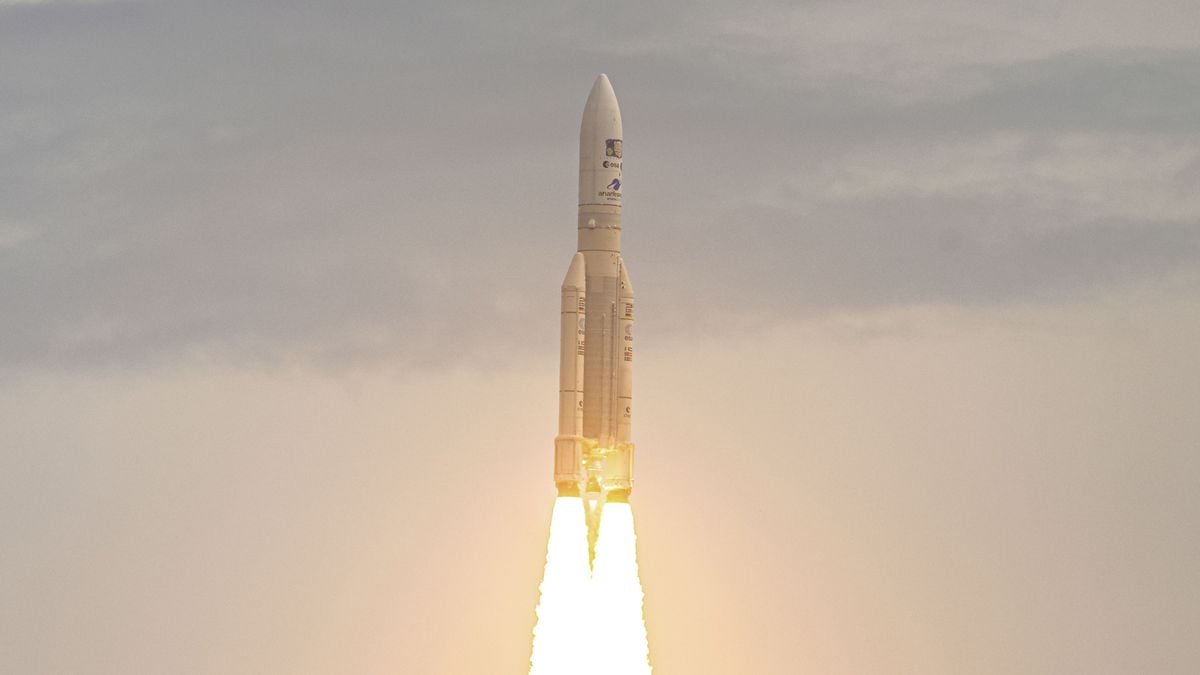
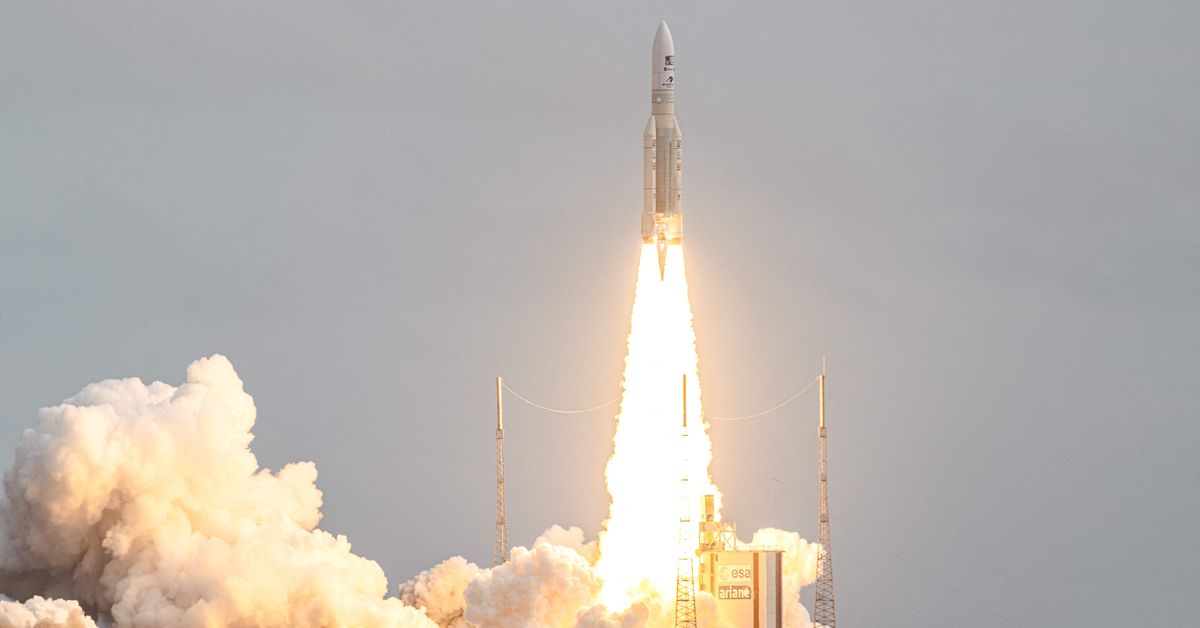
Amateur and professional astronomers captured images of the Jupiter Icy Moons Explorer (JUICE) spacecraft as it headed away from Earth on its eight-year trip to Jupiter. The European Space Agency (ESA) JUICE mission departed from the European Spaceport in Kourou, French Guiana, at 08:14 EDT (1214 GMT) journeying aboard an Ariane 5 rocket. The primary mission of JUICE will be to investigate the subsurface oceans believed to dwell beneath the icy shells of Jupiter's moons, Europa, Callisto, and Ganymede, which could help determine if any of these moons possess the conditions needed to support life.

space2 years ago

JUICE Probe Takes Selfies and Farewell Photos on Journey to Jupiter

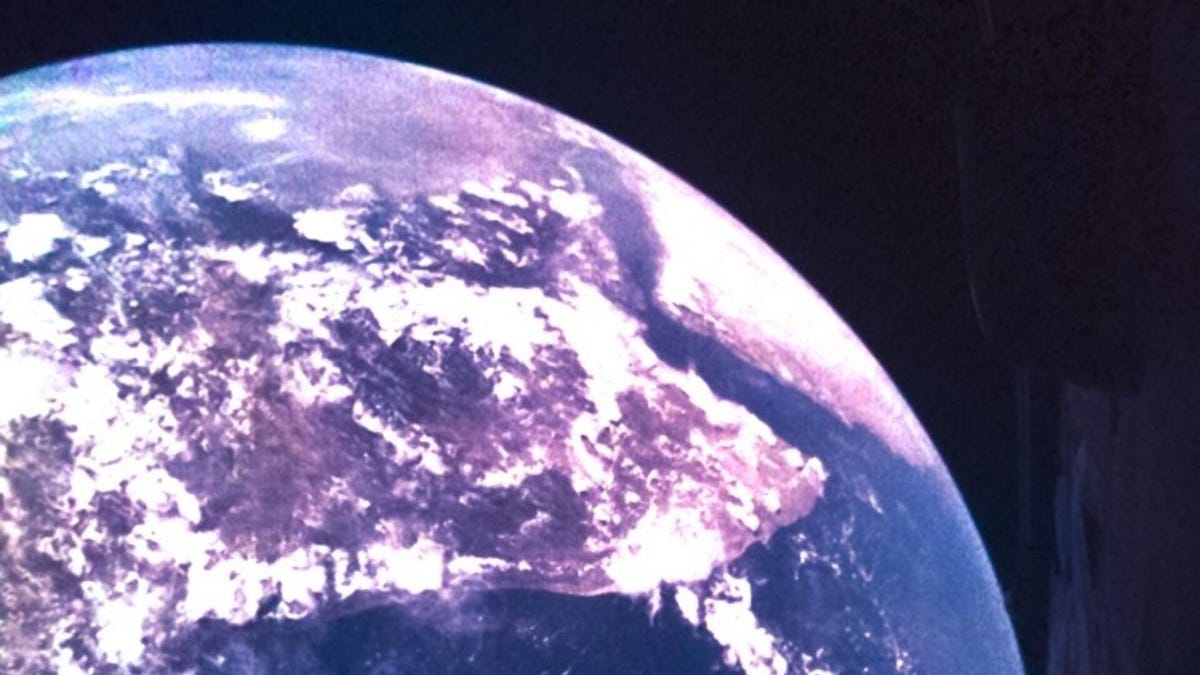
The European Space Agency's JUICE spacecraft, which is on an eight-year mission to study Jupiter's icy moons, captured its first images just hours after launching on Friday. The images show the spacecraft's solar array deployment and Earth as a stellar background. JUICE will use the gravity of the Earth-Moon system to propel it on its trajectory through the inner solar system.

space2 years ago

ESA's JUICE spacecraft begins mission to explore Jupiter's icy moons

The European Space Agency has launched its JUICE spacecraft to study Jupiter’s icy moons, Europa, Ganymede, and Callisto, to investigate whether they could be potentially habitable. The spacecraft will perform a total of 35 flybys of the three icy moons and will not look for evidence of life directly but will look for indications that the moons could potentially host life by looking for biosignatures such as the presence of biologically essential elements like carbon and oxygen. The mission is expected to arrive at the Jupiter system in 2031.

space2 years ago

Jupiter mission delayed by lightning threat.

The launch of Europe's first mission to Jupiter, the JUICE spacecraft, was delayed due to a high risk of lightning at the launch site in French Guiana. The mission, which is carrying 10 science instruments to survey Jupiter and three of its icy moons, is set to launch on Friday. The JUICE spacecraft will take eight years to reach Jupiter, using a series of planetary flybys to help give it a boost toward the outer solar system. It will be the first-ever spacecraft to orbit one of Jupiter's moons and will operate in tandem around Jupiter with NASA's Europa Clipper spacecraft.