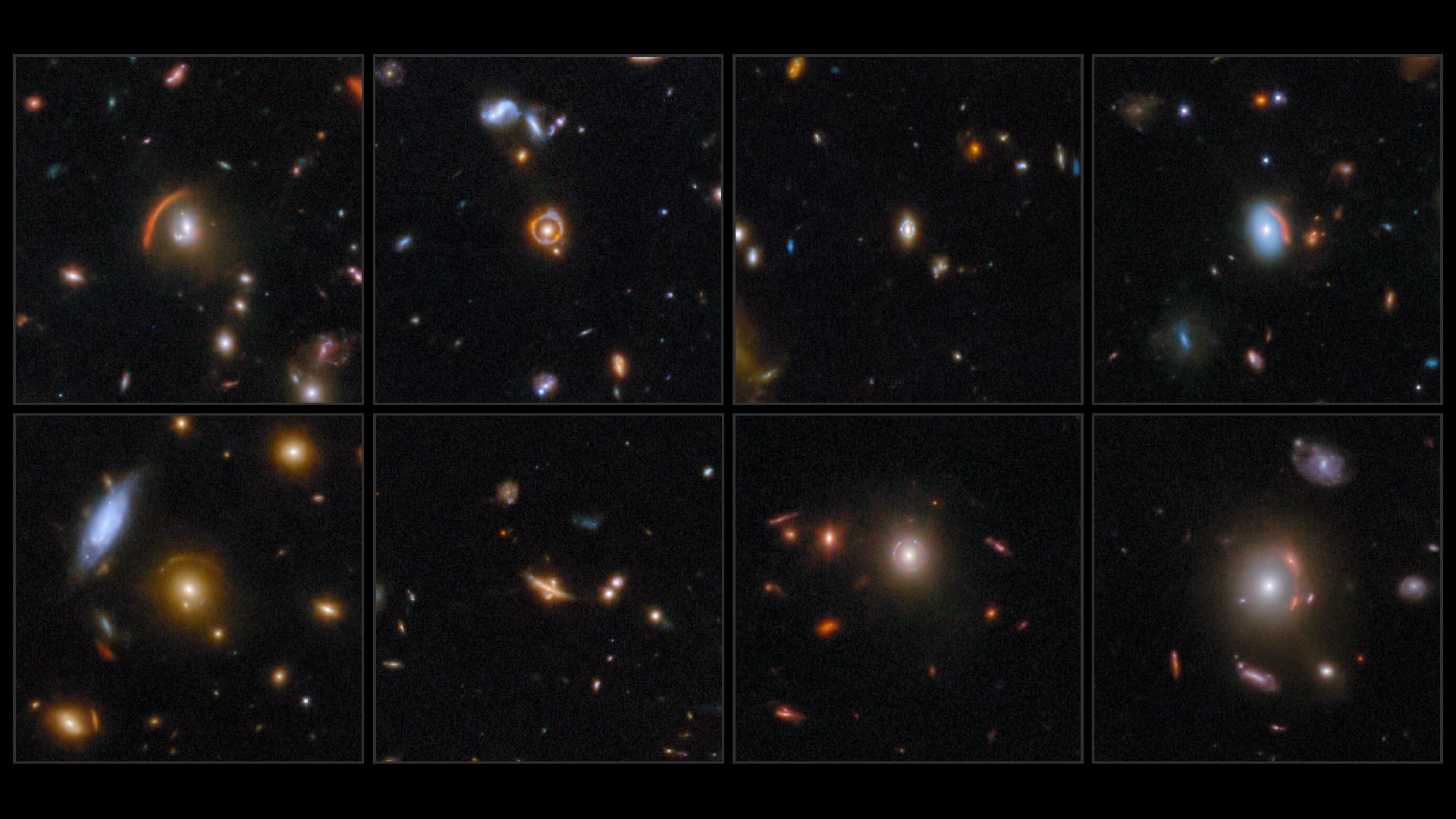
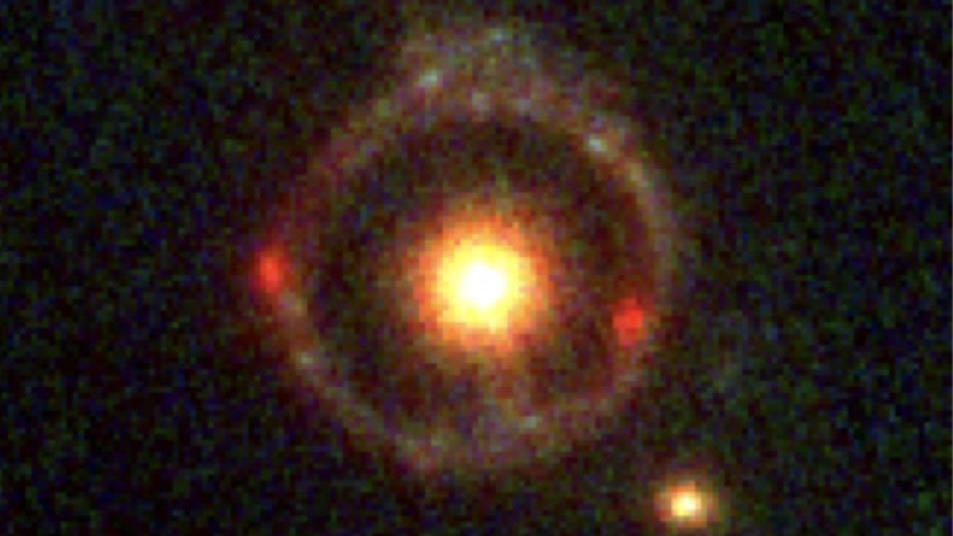
The James Webb Space Telescope has captured eight stunning images of Einstein rings caused by gravitational lensing, confirming Einstein's predictions and providing new insights into the universe's distant past, dark matter, and galaxy formation.
The James Webb Space Telescope (JWST) has observed the galaxy JADES-GS-z14-0, located 33.8 billion light-years away, challenging our understanding of the universe's age and expansion. Despite the universe being 13.8 billion years old, the expansion of space allows us to see such distant objects. This phenomenon is explained by the universe's accelerating expansion due to dark energy, making it possible for JWST to observe galaxies that were once causally connected to Earth but are now moving away faster than the speed of light.
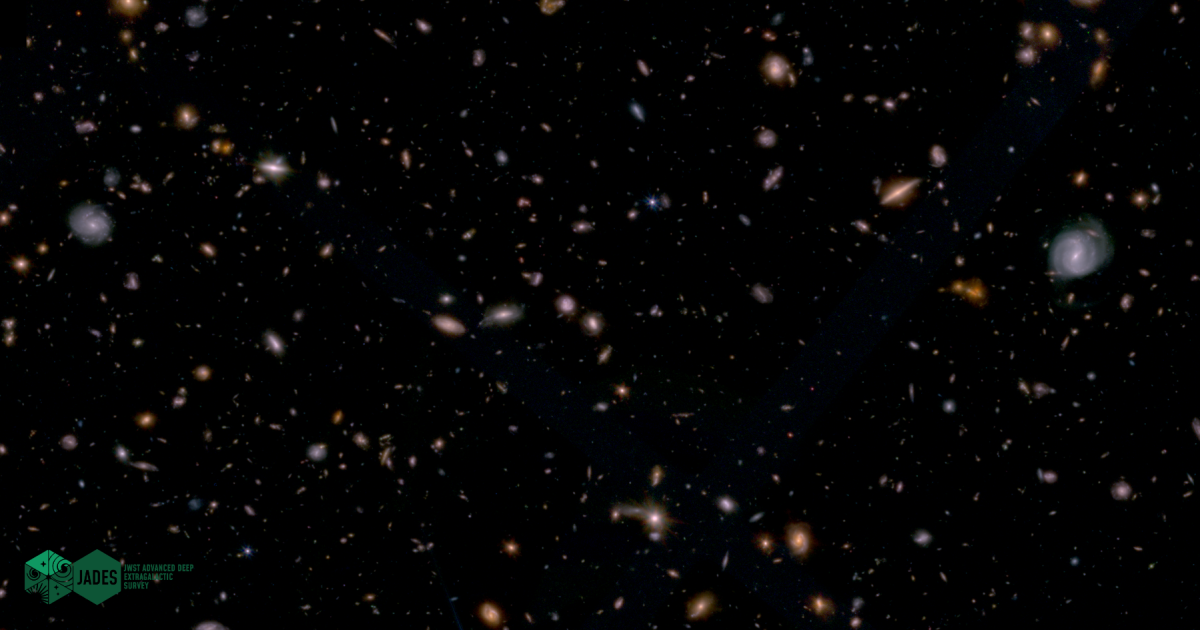
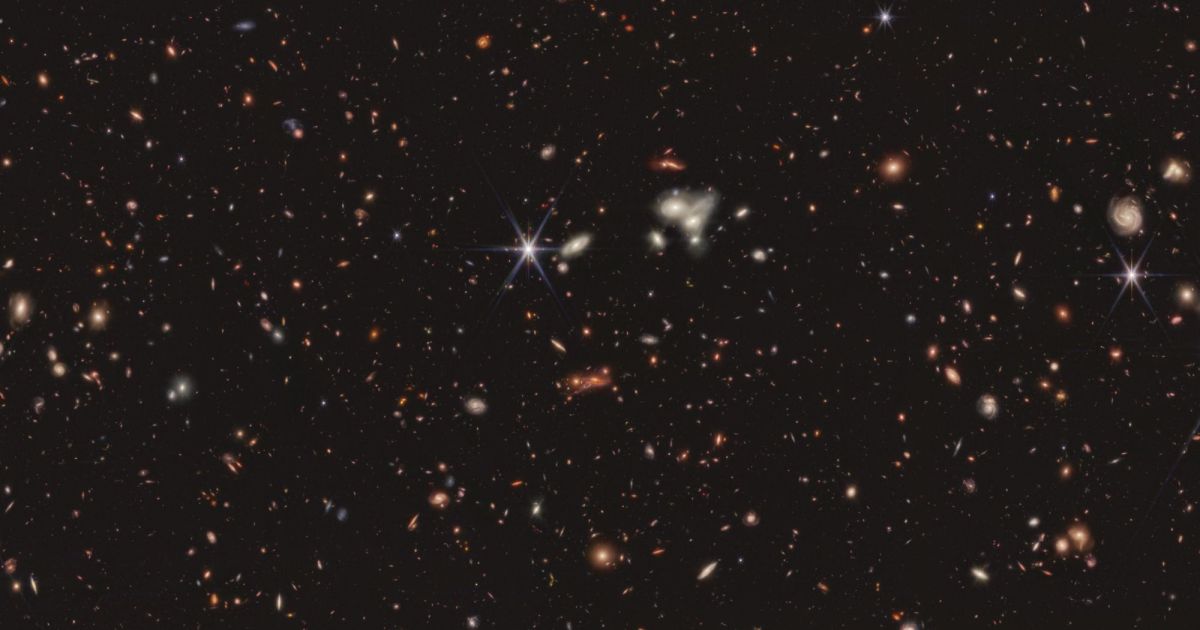
An international team of astronomers using the James Webb Space Telescope (JWST) has discovered two of the earliest and most distant galaxies, dating back to just 300 million years after the Big Bang. These galaxies, located near the Hubble Ultra Deep Field, were observed through JWST's advanced infrared capabilities, revealing significant star formation and chemical elements. The findings, part of the JWST Advanced Deep Extragalactic Survey (JADES), suggest that even more ancient galaxies could soon be discovered. The research papers are currently awaiting peer review.
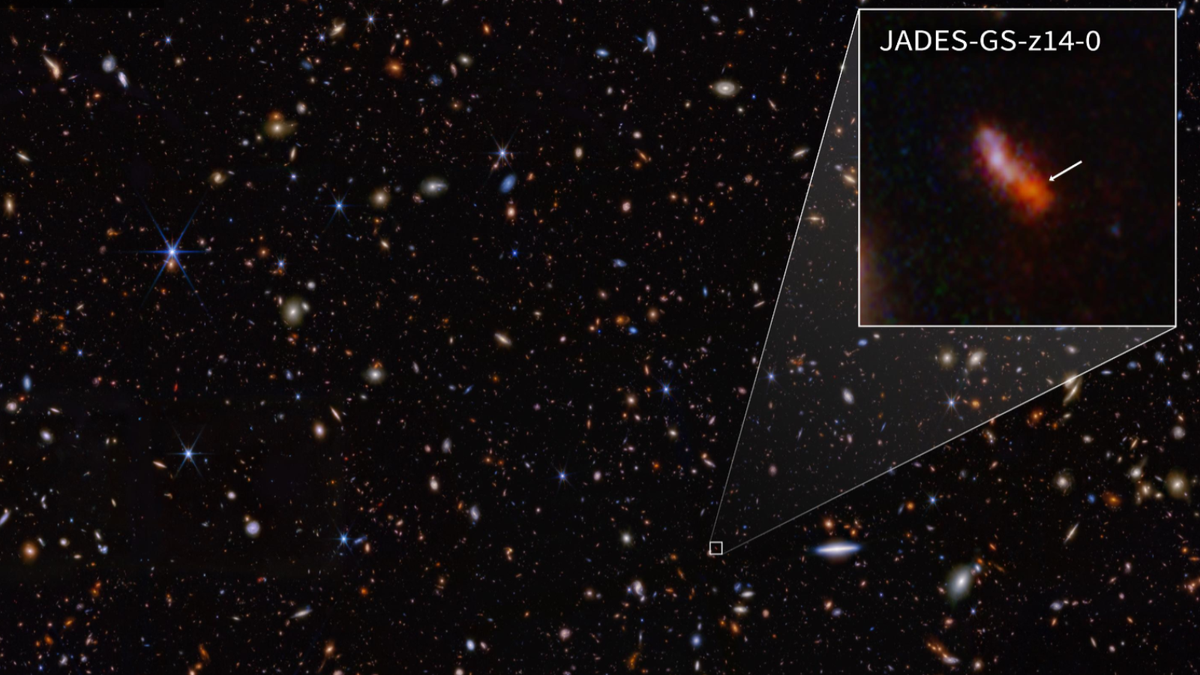
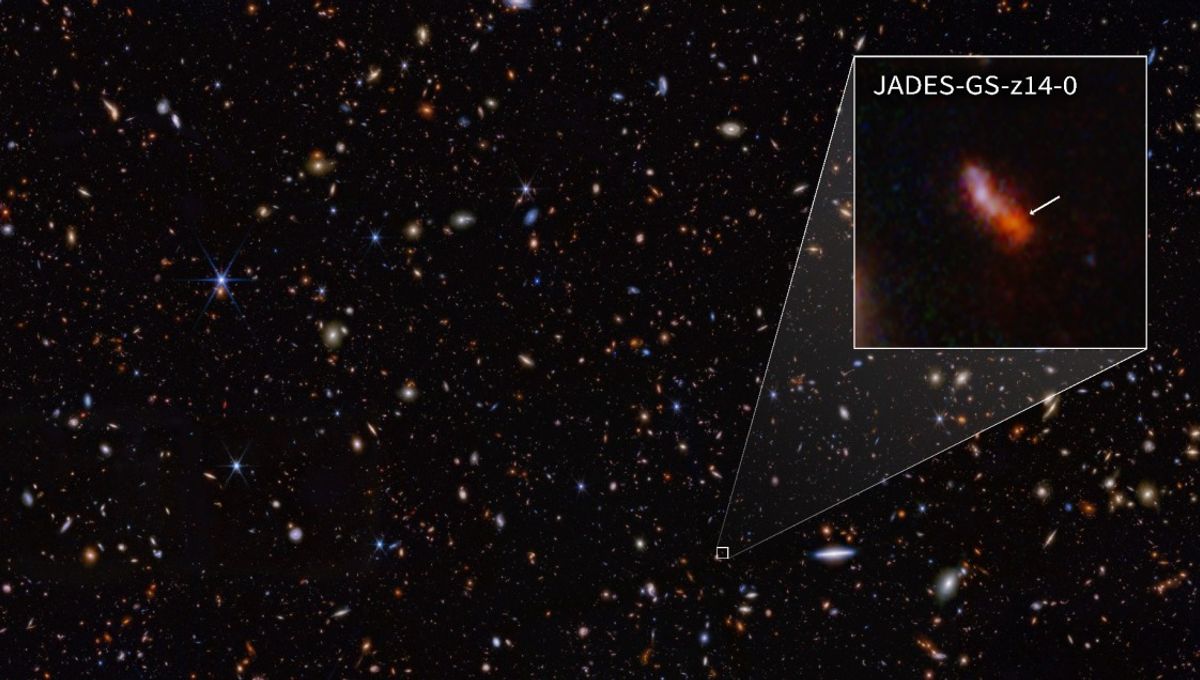
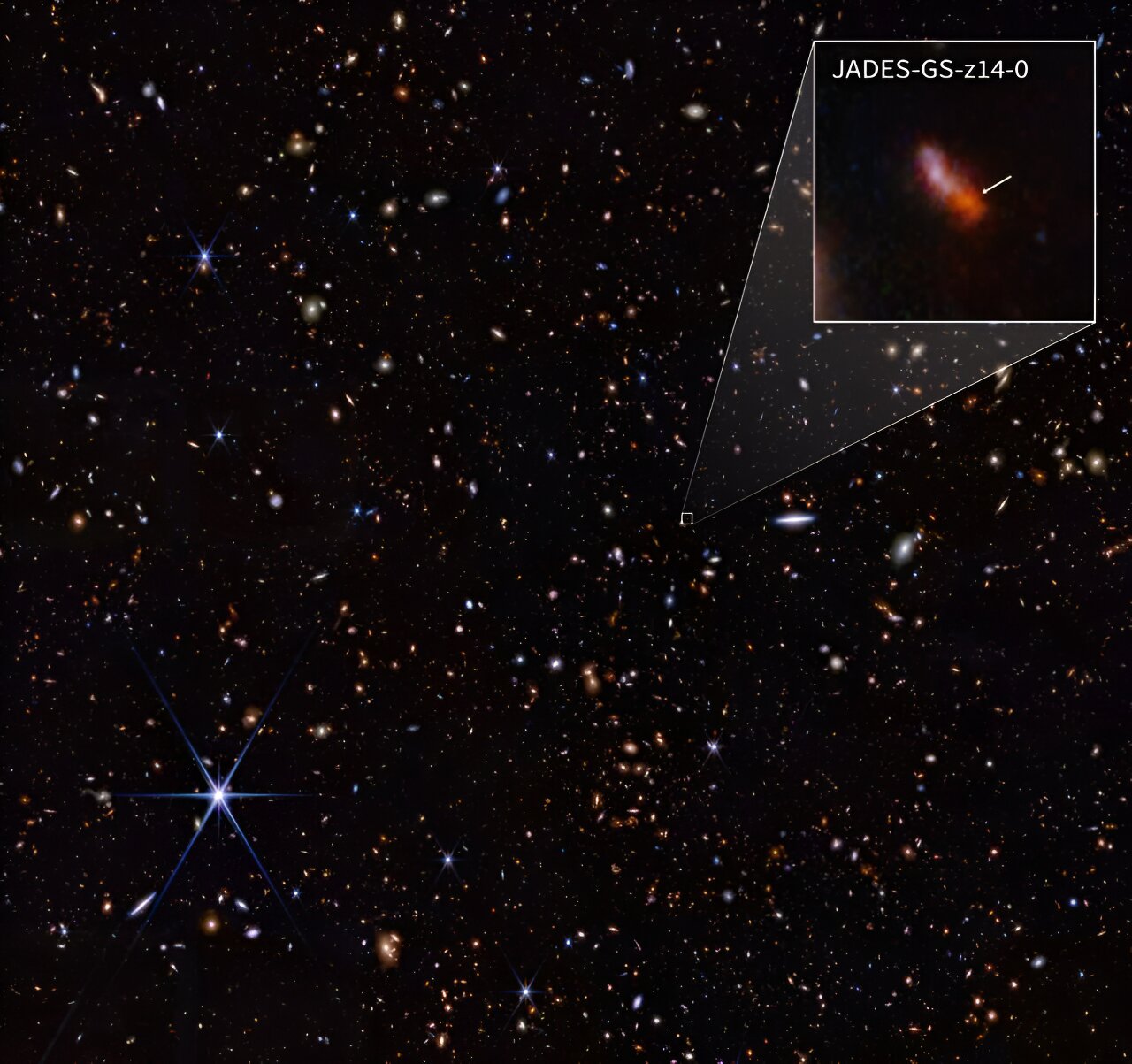
The James Webb Space Telescope has discovered the most distant known galaxy, JADES-GS-z14-0, which existed 290 million years after the Big Bang. This finding challenges existing astronomical predictions about early galaxies and suggests that more luminous galaxies from even earlier times may be discovered in the future.
Astronomers using NASA's James Webb Space Telescope have discovered two of the most distant and oldest galaxies ever observed, dating back to just 300 million years after the Big Bang. One of these galaxies, JADES-GS-z14-0, is notably large and bright, indicating rapid star formation. This discovery provides insights into the early universe's ability to form complex structures quickly.
The rise of dark energy and its impact on the expanding Universe has been a transformative discovery. As the Universe expanded, distant objects appeared to speed up, leading to the revelation of accelerated expansion. Dark energy, a novel form of energy inherent to space itself, remains at a constant density as the Universe expands, counteracting the attractive effects of matter. Over time, dark energy has come to dominate the Universe, causing distant galaxies to accelerate in their apparent recession from our perspective. This acceleration has led to the realization that 94% of galaxies are already forever beyond our reach, shaping our cosmic fate.
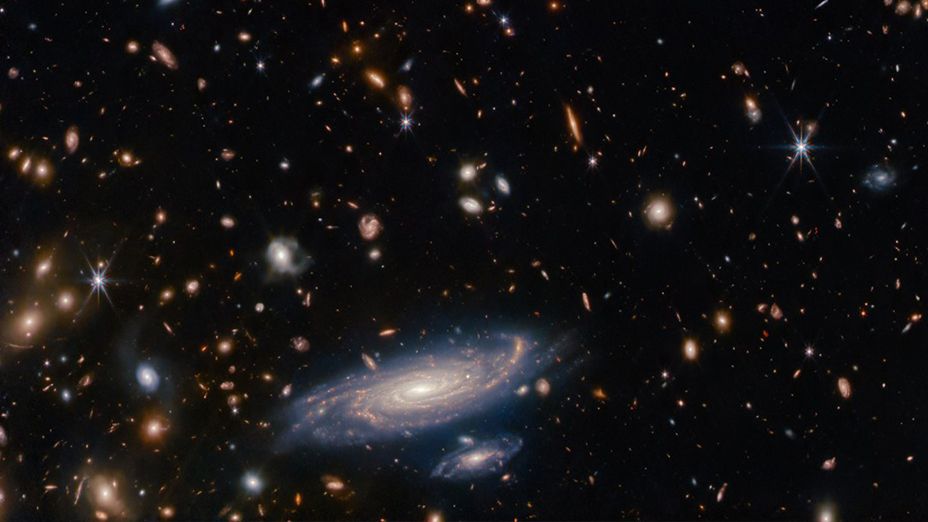
The James Webb Space Telescope has discovered that many distant galaxies have flattened oval disk and tube-like shapes, unlike the spiral and elliptical structures typically seen in closer galaxies. These surfboard- and pool-shaped galaxies were found to be more common in the early Universe, raising questions about whether their shapes have been molded by cosmic conditions over the past 13 billion years. The telescope's exceptional sensitivity and resolution allow scientists to look further back in time than ever before, shedding light on the cosmic evolution of galaxies.
The James Webb Space Telescope (JWST) has surpassed the Hubble Space Telescope in discovering the most distant objects in the universe. Previously, Hubble held the record, but with better data from JWST, the most distant galaxy known, GN-z11, has fallen to 9th place. JWST has identified a total of 717 ultra-distant galaxy candidates, revealing gaseous features and deeper galaxies that were previously invisible to Hubble. The JADES collaboration has played a significant role in these discoveries. JWST's larger size, better resolution, and infrared optimization have provided superior observations, leading to the identification of three new galaxies that now hold the top spots. However, definitive spectroscopic confirmation is required to determine the distance of these galaxies.
Astronomers analyzing data from the James Webb Space Telescope have discovered that distant "teenage" galaxies from the early universe appear hotter than expected and contain heavy elements, such as nickel. The researchers focused on 33 galaxies and combined light wavelengths from 23 of them to create a composite picture, revealing the presence of hydrogen, helium, nitrogen, oxygen, silicon, sulfur, argon, and nickel. The observation of nickel, which is rarely seen even in older galaxies, suggests a unique chemical composition in these early galaxies. The study provides insights into the evolution and characteristics of galaxies in the early universe.
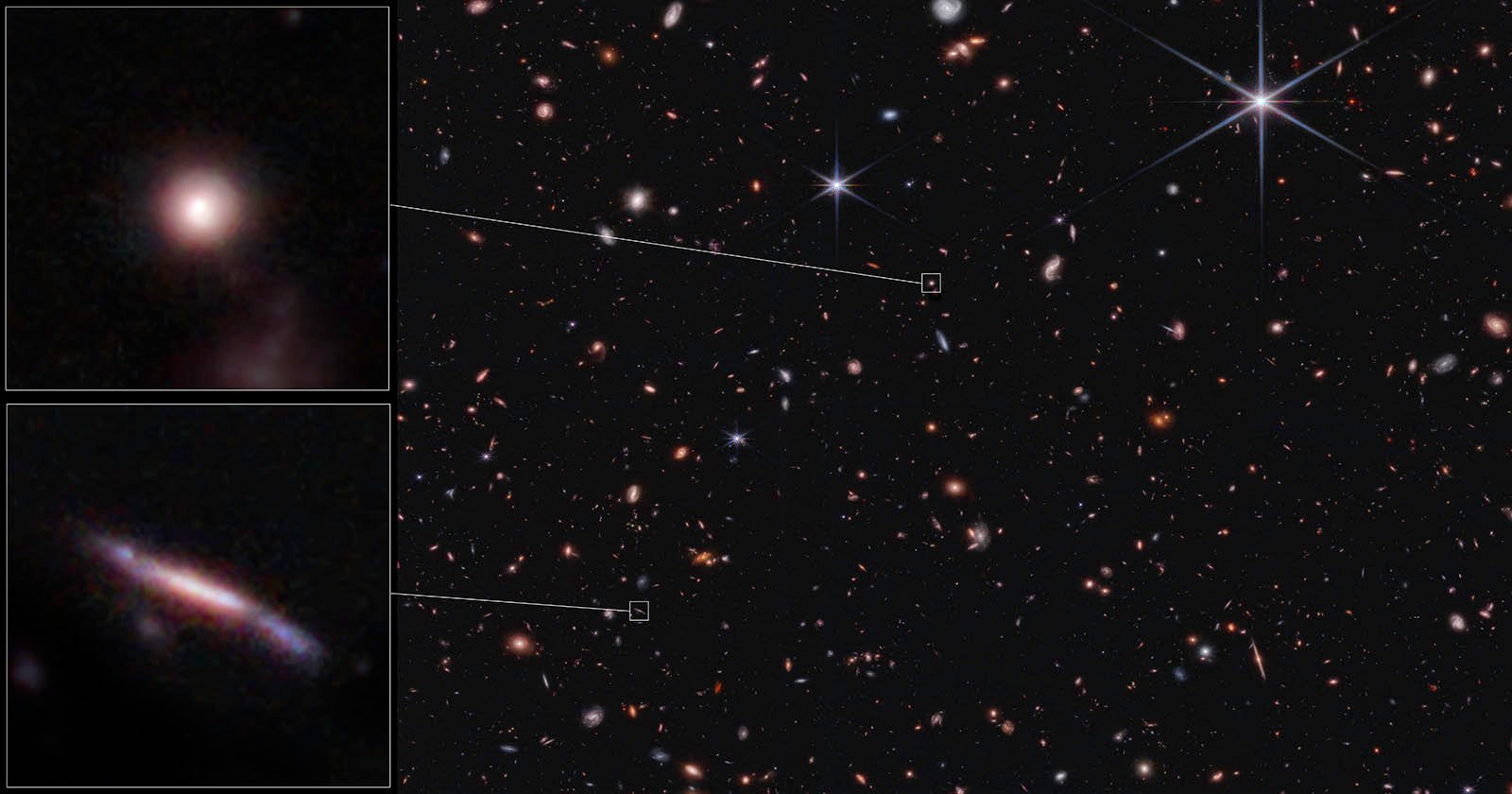
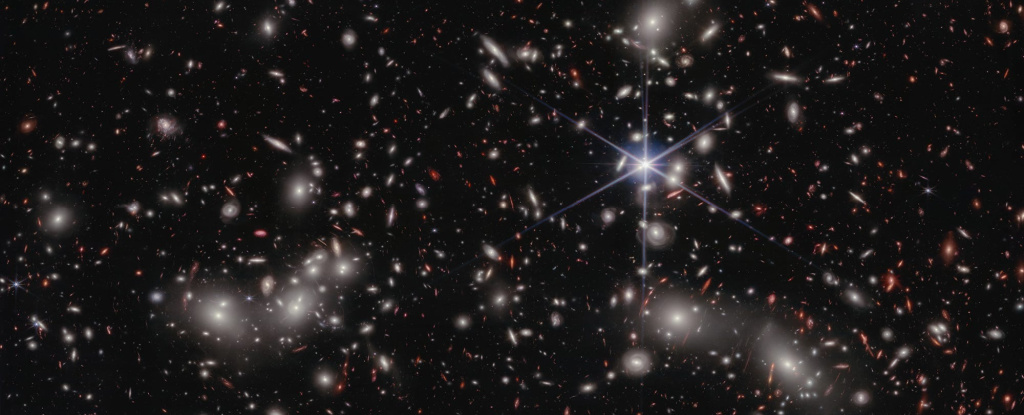
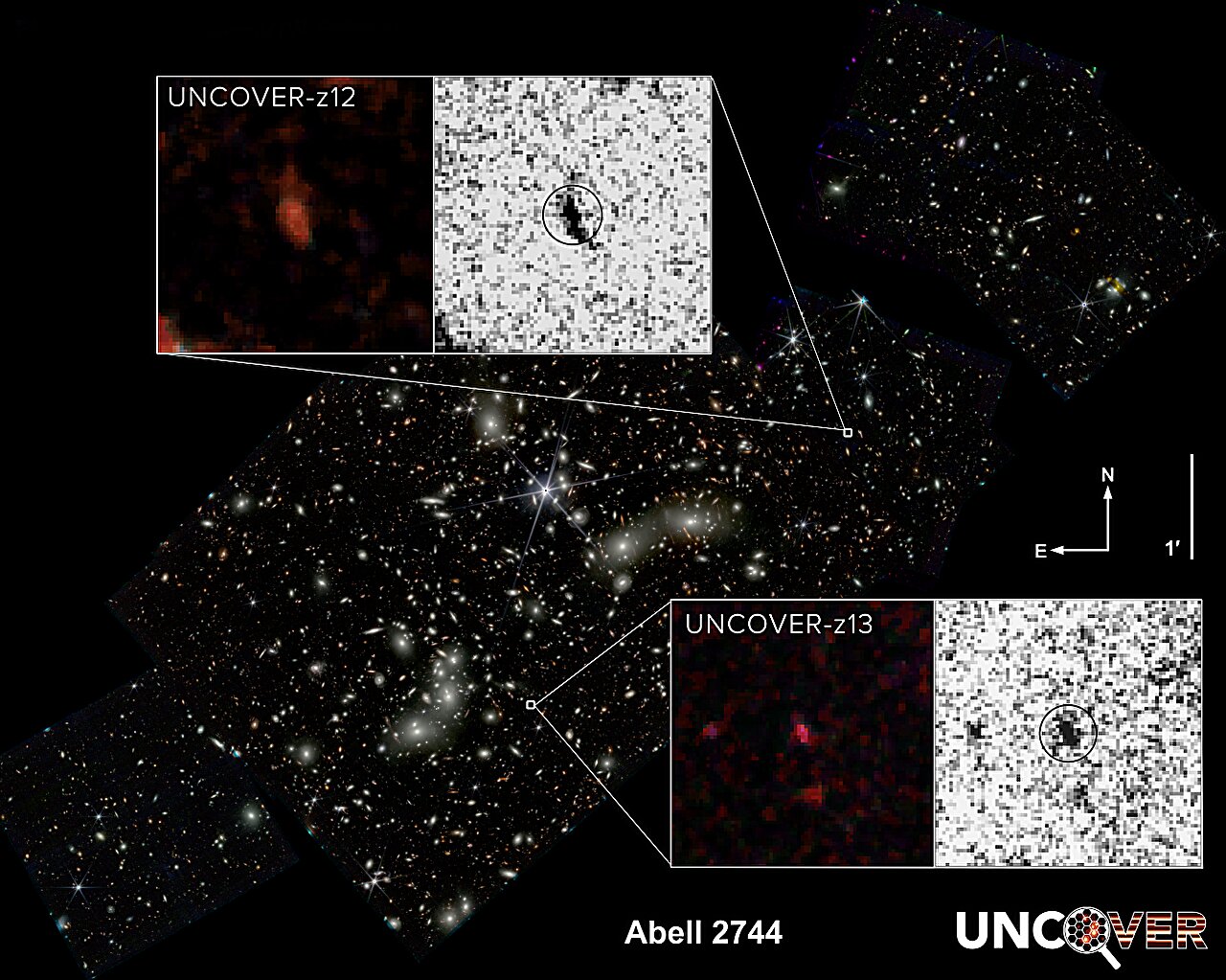
Using the James Webb Space Telescope, astronomers have discovered two of the most distant galaxies ever observed, located 33 billion light-years away behind the gravitational lens of Pandora's Cluster. These galaxies are larger than any previously detected at such distances and have unique shapes, resembling a "peanut" and a "fluffy ball." The light from these ancient galaxies, three times older than Earth, provides insights into the physics of the early universe near the cosmic dawn.
The James Webb Space Telescope (JWST) has confirmed the discovery of the second- and fourth-most distant galaxies ever observed, located in Pandora's Cluster. Using spectroscopic data from JWST, researchers were able to confirm the distance and properties of these ancient galaxies, shedding light on early galaxy formation. The galaxies, which are larger and have unique shapes compared to previously discovered galaxies at this distance, offer insights into the diversity of galaxies in the early universe. The light from these galaxies traveled for nearly 33 billion light years to reach Earth, providing a glimpse into the past and the physics that governed the early universe.
The James Webb Space Telescope (JWST) is now fully operational and has already revealed galaxies beyond the limits of the Hubble Space Telescope. With its longer-wavelength capabilities and ability to observe in the infrared portion of the spectrum, the JWST can see much farther into the Universe's past. The JWST Advanced Deep Extragalactic Survey (JADES) is using the JWST to observe a specific region of the sky for an extended period, providing the deepest view of the Universe to date. JADES has already discovered galaxies more distant than the previous record-holder identified by Hubble. The collaboration is guaranteed over 770 hours of observing time, which will reveal even more remarkable highlights and provide a better understanding of the early Universe.
NASA's James Webb Space Telescope (JWST) has discovered the farthest gravitational lens ever, showcasing the bending and magnification of light caused by the presence of massive objects in space. The lensing system, located 17 billion light-years away, consists of a compact, massive galaxy acting as the lens and a more distant galaxy whose light is stretched into a ring-like shape. This discovery demonstrates the unique capabilities of JWST in observing distant galaxies and studying the effects of Einstein's theory of general relativity in action.
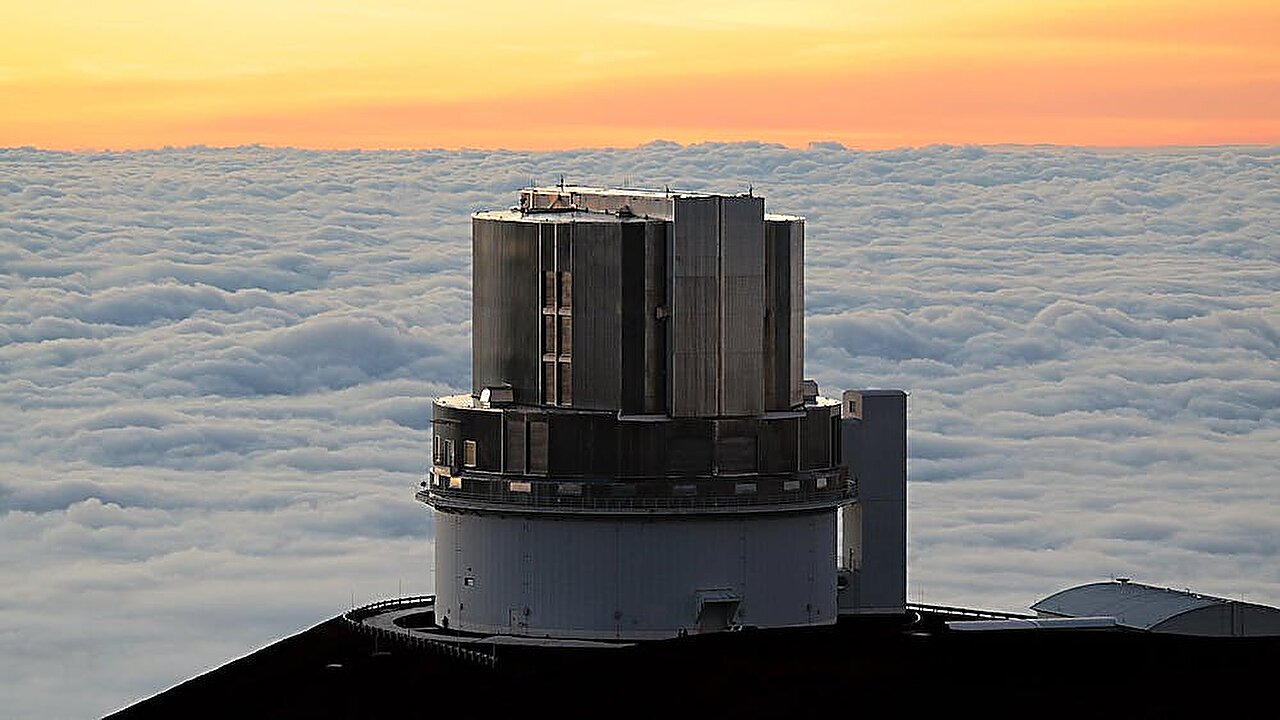
Researchers using Japan's Subaru telescope have measured the amount and type of helium in distant galaxies, providing insights into the matter-antimatter asymmetry problem. The Big Bang should have created an equal amount of matter and antimatter, which would have annihilated each other, leaving the universe empty. However, the presence of matter suggests an imbalance. The study suggests that the number of neutrinos in the early universe was greater than the number of antineutrinos, potentially explaining the asymmetry. This finding offers a possible explanation for why the universe exists.
The James Webb Space Telescope has identified the most distant active supermassive black hole ever discovered as part of the Cosmic Evolution Early Release Science (CEERS) Survey. This black hole, located in a galaxy named CEERS 1019, dates back to just 570 million years after the big bang. The survey also identified 11 extremely old galaxies, shedding light on the formation and growth of galaxies throughout the history of the universe. The discovery of these objects could change our understanding of star formation and galaxy evolution.