Tag

Age Determination

All articles tagged with #age determination

astronomy2 years ago

Unveiling the Age of Enigmatic Stars in the Milky Way's Core

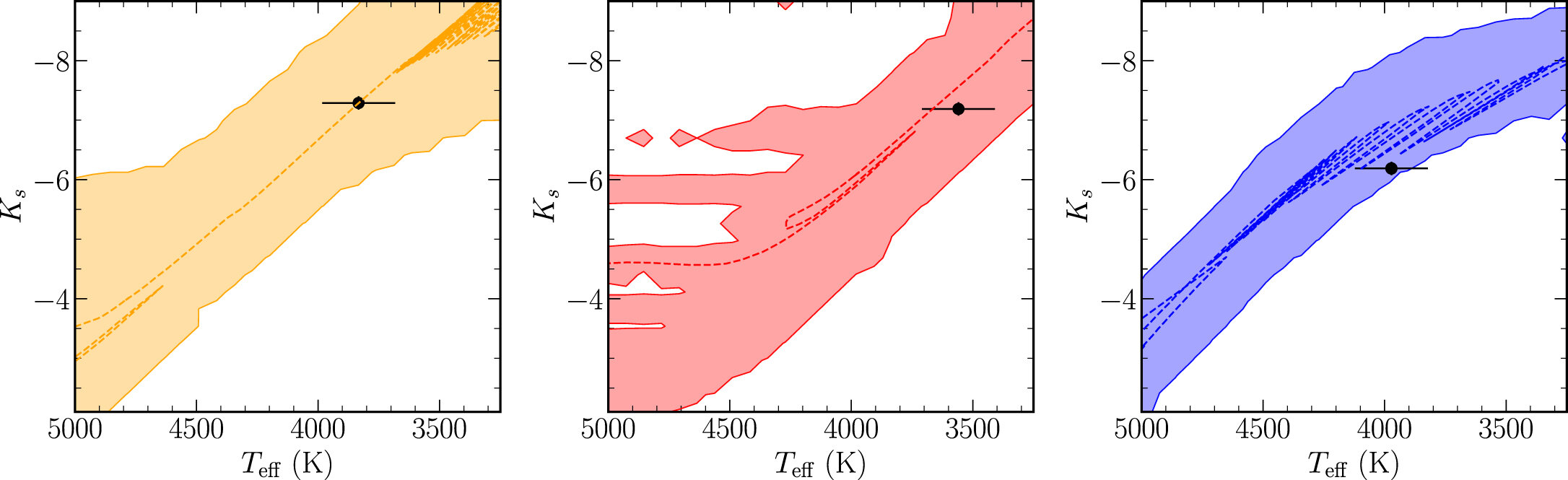
Astronomers from Lund University have used high-resolution data from the Keck II telescope in Hawaii to determine the age of three stars located in the nuclear star cluster at the heart of the Milky Way. The stars were found to be unusually young, with ages ranging from 100 million to 1 billion years. This discovery challenges the previous belief that the nuclear star cluster is an ancient part of the galaxy and suggests that active star formation is occurring in this region. The researchers also observed significant variations in the iron levels of the stars, indicating an inhomogeneous inner region of the galaxy and providing insights into the early universe.
science2 years ago

Unveiling the Secrets of Stars: From Birth to Independence

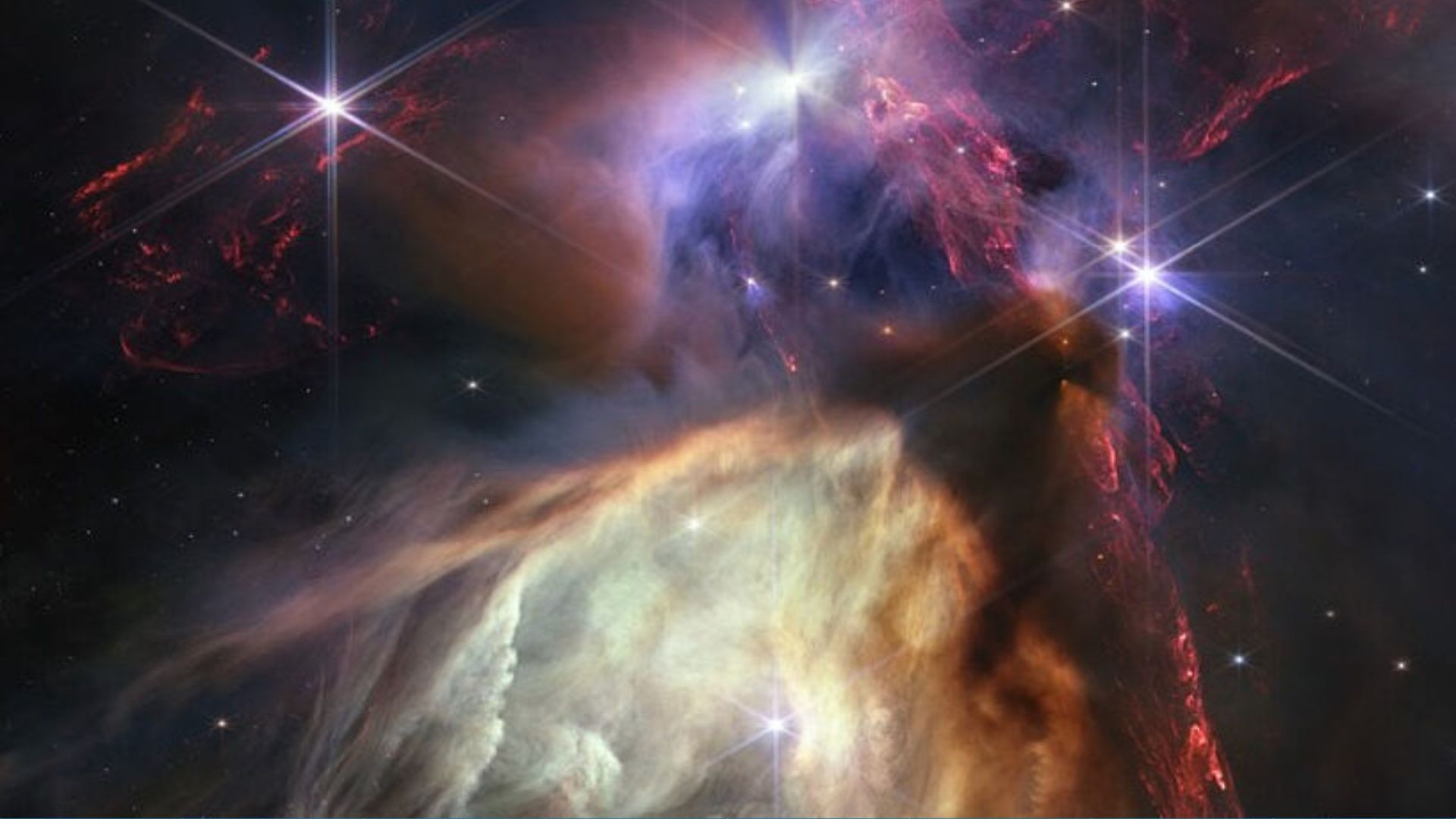
A groundbreaking study led by astrophysicist Núria Miret-Roig at the University of Vienna has found that traditional methods for determining the age of stars measure different aspects of their lives. Comparing isochronous measurement with dynamical tracking, the study revealed a consistent difference of approximately 5.5 million years, challenging previous notions about the chronology of stars.

science-and-technology2 years ago

Understanding the Significance of Isotopes' Half-Lives

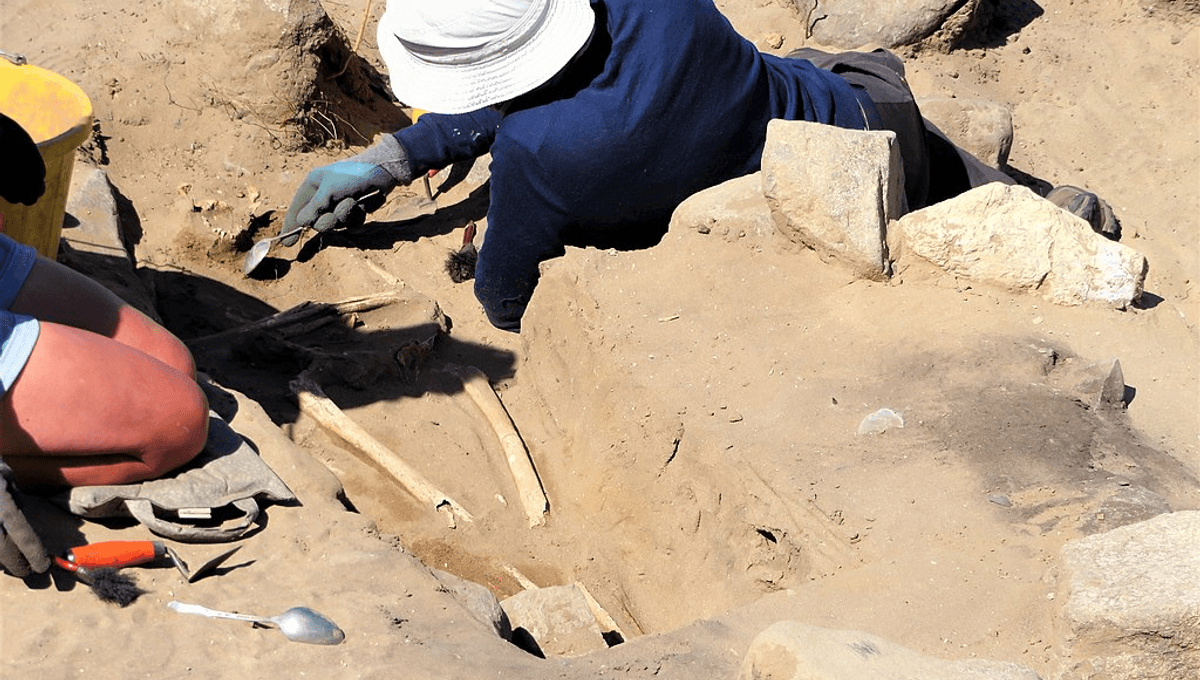
Isotopes have unique half-lives, which is the time it takes for half of the atoms in a radioactive isotope to decay. This concept has revolutionized our ability to measure ages and identify illnesses. Carbon-14, a commonly used isotope, has a half-life of 5,700 years and is used to date fossils and authenticate ancient relics. However, carbon dating has limitations for objects millions of years old, and changes in atmospheric carbon ratios due to human activities may affect its accuracy. Other isotopes with longer half-lives are used to estimate the age of older objects, while isotopes with shorter half-lives are used for medical imaging and scientific experiments.

science2 years ago

"Newly Discovered Moon Rock Challenges Lunar Age Estimates"

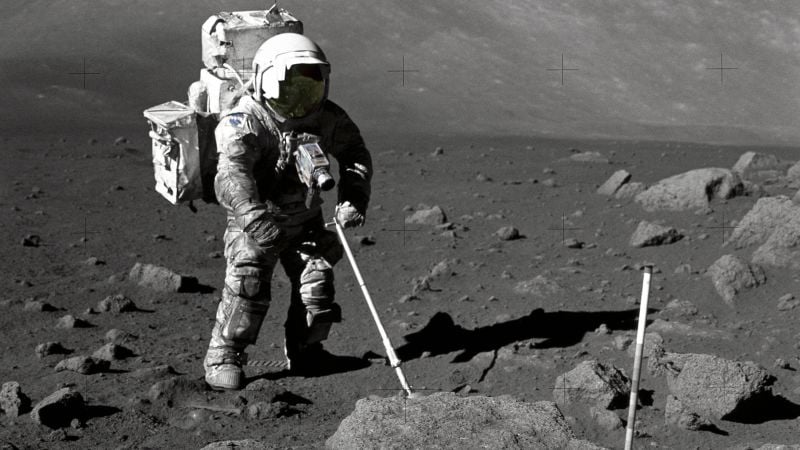
Lunar dust collected by Apollo 17 astronauts in the 1970s has revealed that the moon is 40 million years older than previously believed. Analysis of zircon crystals in the collected rocks and dust dated them to 4.46 billion years old, indicating that the moon must also be at least that old. The findings provide valuable insights into the moon's formation and its role in stabilizing Earth's rotational axis.

health2 years ago

Unlocking Age Secrets: AI Uses Chest X-rays to Determine Real Age

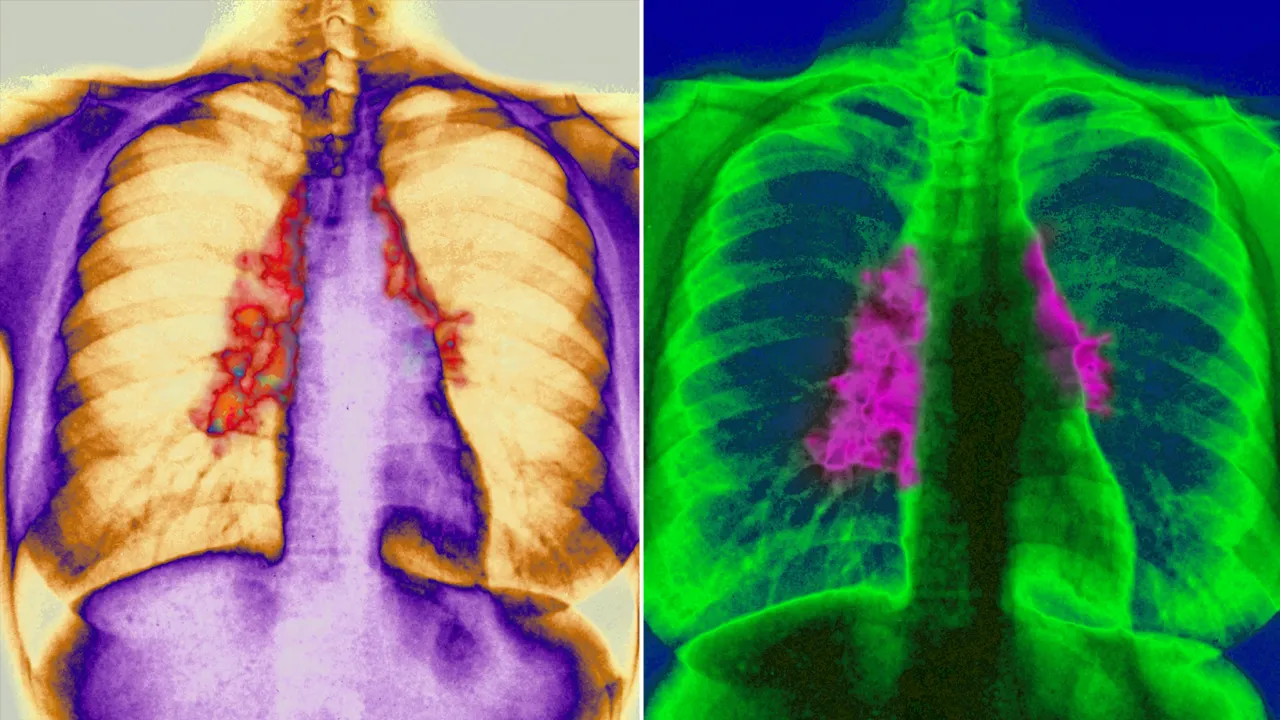
Scientists in Japan have developed an AI deep-learning model that can estimate a person's age by analyzing chest X-rays. The breakthrough could be crucial in identifying signs of disease or accelerated aging, allowing for early intervention. The study, conducted by researchers at Osaka Metropolitan University, analyzed over 67,000 chest X-rays from healthy individuals and patients with known diseases. The results showed a positive correlation between apparent age and various chronic conditions. The researchers aim to further develop this technology to predict life expectancy and forecast surgical complications.

astronomy2 years ago

Cracking the Age Code: Astronomers Unveil Innovative Method to Determine Star Ages

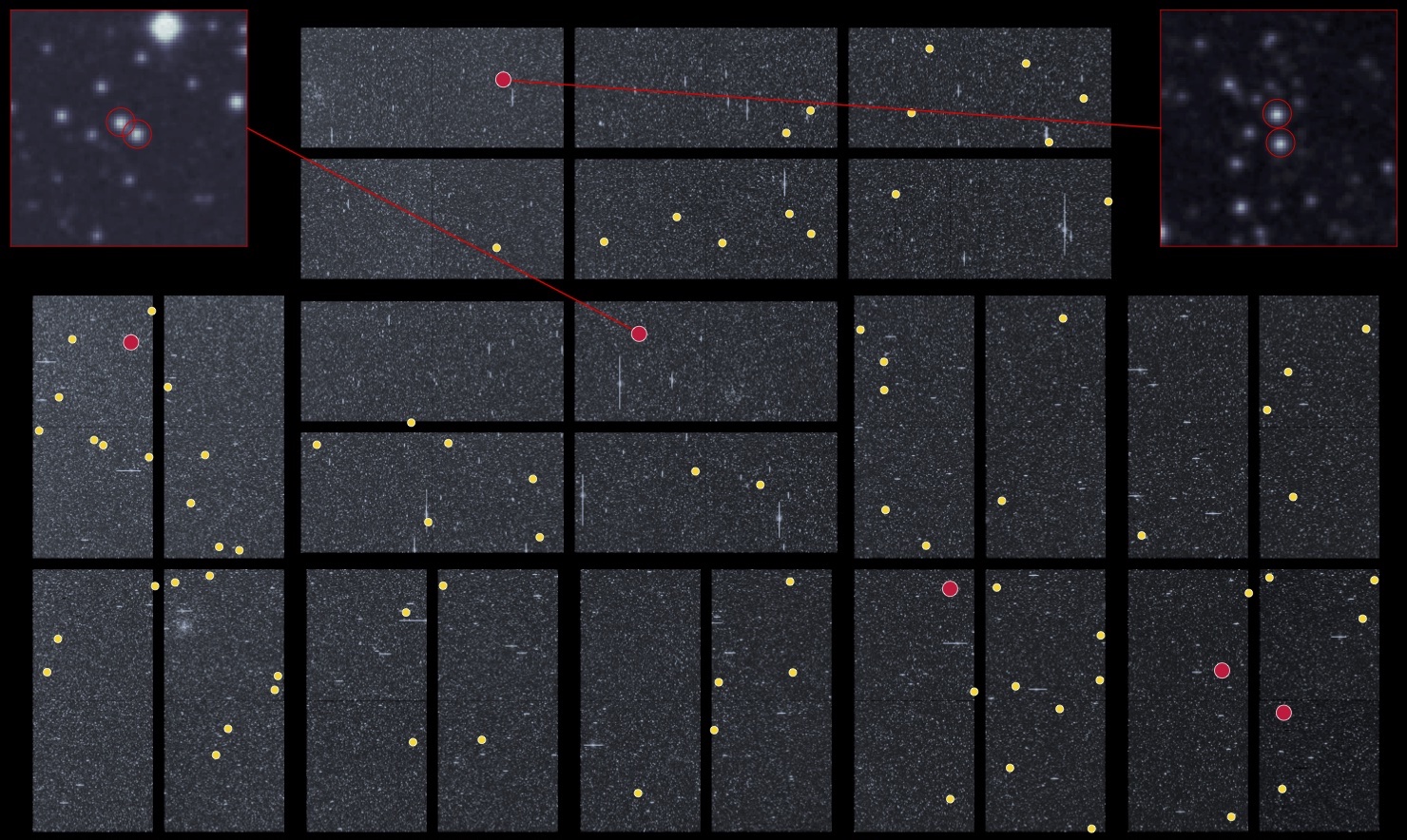
Astronomers have developed a new method to determine the age of stars by studying their rotation rates. By analyzing wide binary stars, which have independent rotations, researchers were able to match the ages of the binary pairs using temperature and rotation rate. This approach proved effective regardless of the stars' metallicity, suggesting that rotation can be a reliable measure of stellar age. This technique could be applied to single stars, binary systems, and star clusters, allowing astronomers to accurately determine the ages of billions of stars and study their motion and planetary systems.

astronomy2 years ago

"Consistent Rotational Evolution: A Reliable Age Indicator for Open Cluster and Field Stars"

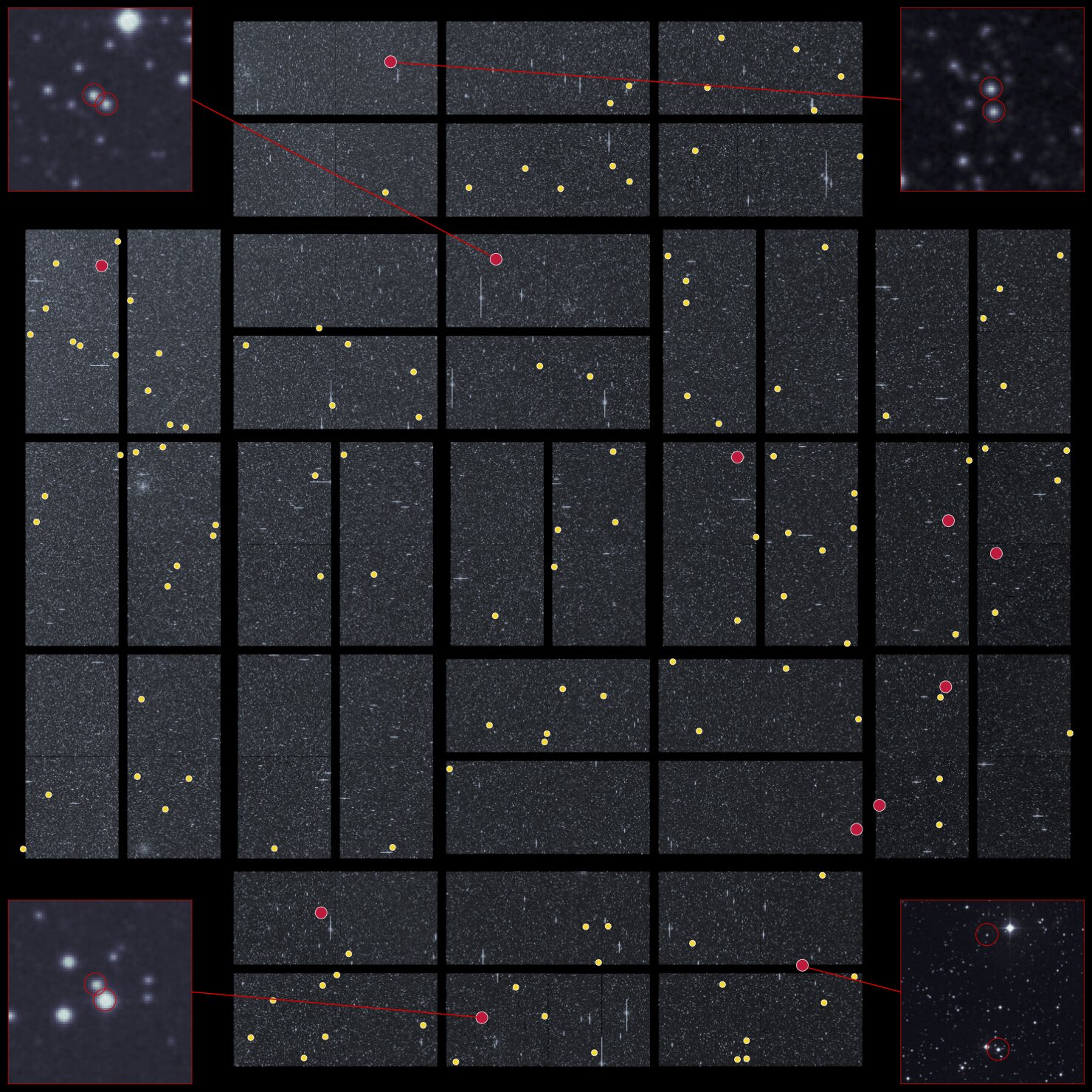
Scientists have established a connection between the rotation rates of stars in star clusters and field stars, allowing for the determination of ages for the latter. This method, known as gyrochronology, measures the rotation period of a star by observing the dips in its brightness caused by dark spots on its surface. By comparing the rotation periods of stars in clusters with their colors, a pattern emerges that can be used to estimate their ages. The study found that this method also works for field stars, providing a reliable way to determine the ages of a larger number of stars.