
Enceladus: A Potential Habitat for Life
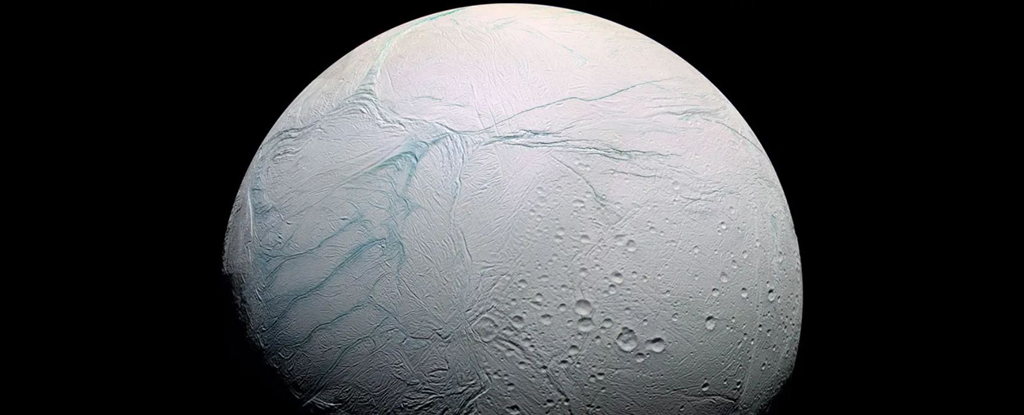
New research based on data from NASA's Cassini mission suggests that Saturn's ocean moon, Enceladus, has the necessary building blocks for life. The analysis of Cassini's data reveals the presence of ammonia and inorganic phosphorous in Enceladus' ocean, which are key components for supporting ecosystems. The researchers used ecological and metabolic theory to understand how these chemicals could make Enceladus habitable. The study also highlights the importance of the Redfield ratio, a consistent ratio of carbon to nitrogen to phosphorous found in Earth's oceans, as a potential signature for life detection on ocean worlds like Enceladus. However, further research and more detailed data are needed to fully understand the chemical environment and potential for life on Enceladus.
Reading Insights
0
11
5 min
vs 7 min read
90%
1,214 → 117 words
Want the full story? Read the original article
Read on ScienceAlert