Chemists at UMass Amherst have developed iConRNA, a publicly available tool that offers an unprecedented view of RNA behavior inside cells, aiding in understanding cellular functions and disease mechanisms related to phase separation of biomolecules.
Researchers have observed a loophole in the fundamental principle of physics that like charges repel each other, finding that like-charged particles can attract each other over long distances in certain liquids. This behavior was observed in water and specific alcohols, and was attributed to the molecular nature of the liquids, leading to the emergence of an "electrosolvation force" at distinct pH ranges. The researchers believe this discovery could aid in understanding biomolecular condensates and their relevance to human diseases.
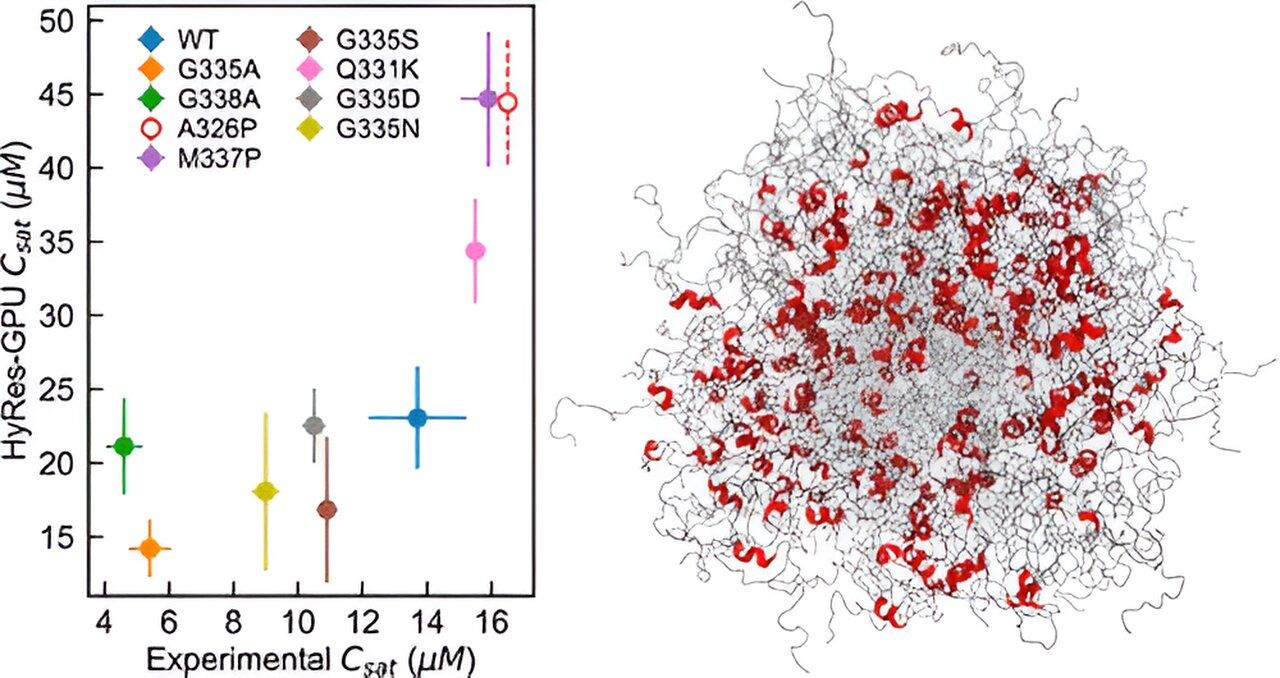
A team at the University of Massachusetts Amherst has developed a novel simulation tool, called HyRes-GPU, to accurately model phase separations mediated by intrinsically disordered proteins (IDPs), a crucial process in subcellular organization and various diseases. This tool fills a critical gap in computer simulation of IDP phase separation and provides insights into the molecular mechanisms of phase separation, with potential implications for therapeutic strategies in treating diseases associated with disordered proteins. The team's next step is to apply their findings to larger-scale simulations of more complex biomolecular mixtures.
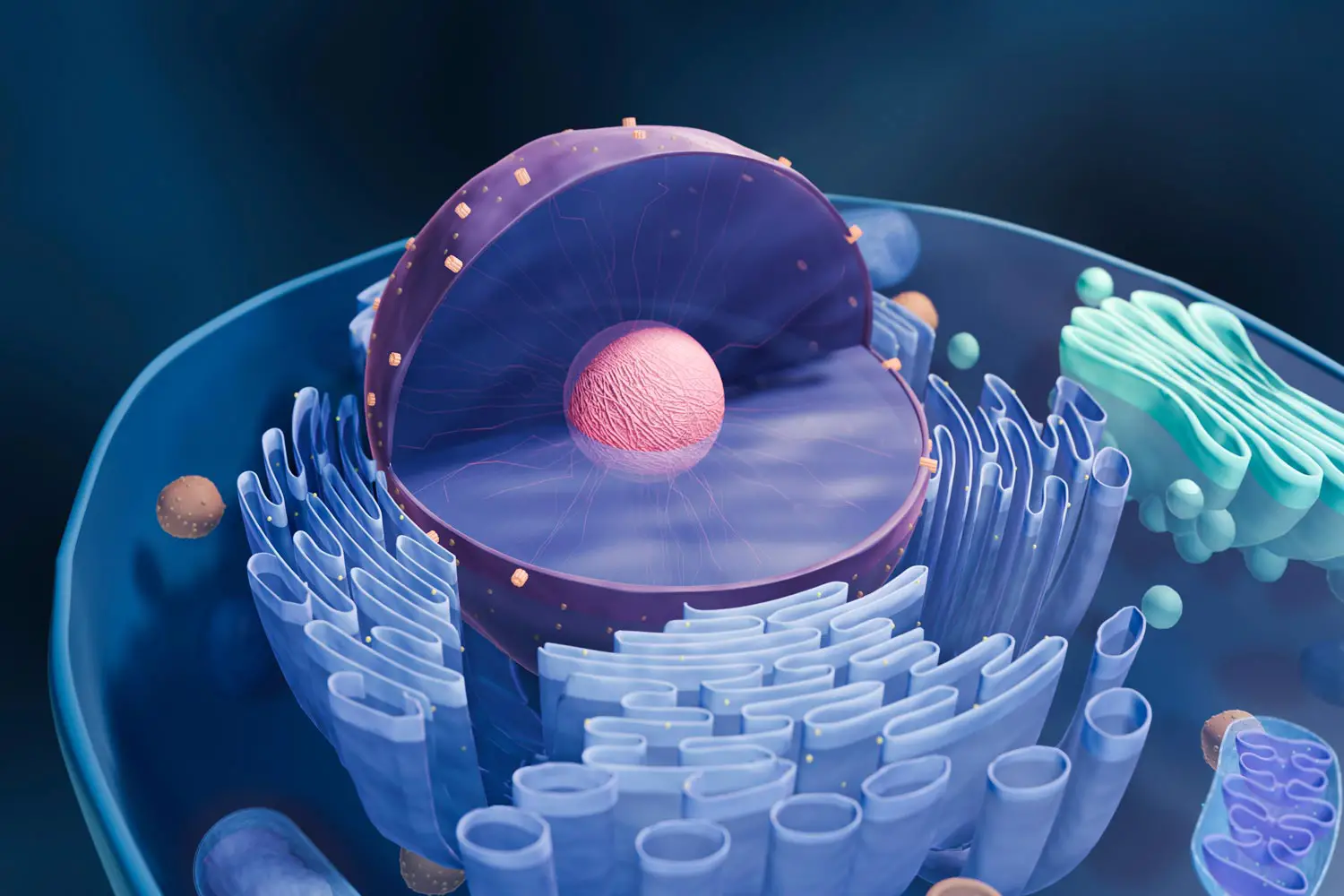
MIT biologists have discovered that a protein called TCOF1 is responsible for the formation of a biomolecular condensate known as the fibrillar center within the nucleolus, a cell organelle involved in building ribosomes. This finding sheds light on an evolutionary shift that occurred around 300 million years ago, where the nucleolus developed a third compartment in amniotes. The researchers hypothesize that TCOF1 played a crucial role in this transition. Understanding the formation and function of condensates could have implications for studying other cellular processes and diseases associated with biomolecular condensates.
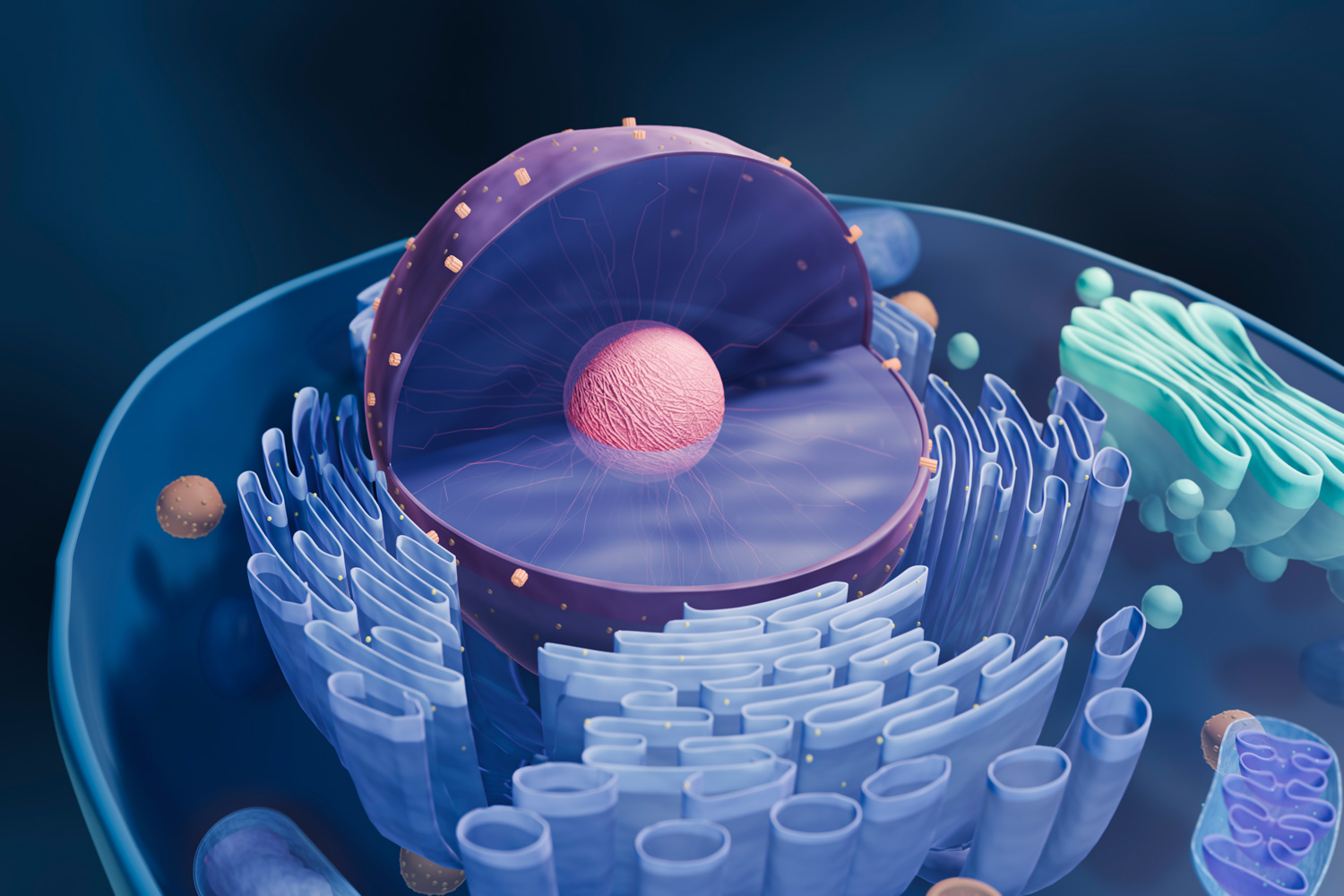
MIT biologists have discovered that a protein called TCOF1 is responsible for the formation of a condensate within the nucleolus, a cell organelle involved in building ribosomes. The researchers found that TCOF1 is essential for the transition from a bipartite to a tripartite nucleolus, which occurred around 300 million years ago. The study suggests that TCOF1 acts as a scaffold protein, helping to organize the nucleolus and attract other proteins and biomolecules. The findings shed light on the evolution of biomolecular condensates and could have implications for understanding diseases associated with their formation.
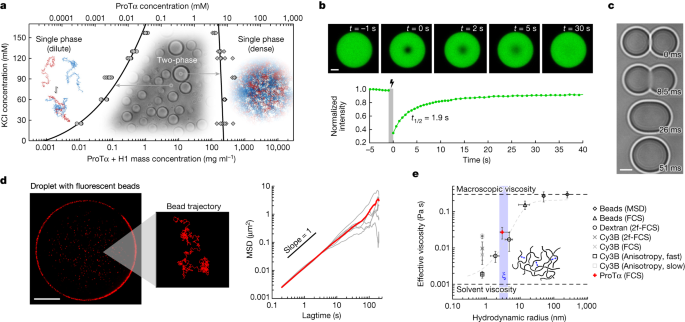
Researchers studying biomolecular condensates have deposited simulation trajectories of the condensates at Zenodo and provided source data with their paper. They used a custom add-on package for Mathematica v.12.3 for the analysis of single-molecule fluorescence data and made the code available on GitHub. The code used to calculate the lifetime of residue-residue contacts is also available. The study contributes to the understanding of extreme dynamics in biomolecular condensates.
Researchers at Duke University have discovered that electrical fields exist within and around a type of cellular structure called biomolecular condensates, which form compartments inside the cell without needing the physical boundary of a membrane. This discovery could change the way researchers think about biological chemistry and provide a clue as to how the first life on Earth harnessed the energy needed to arise. The ongoing reaction within our cells is not yet fully understood, but it could have important implications for many different fields.