Tag

Cryo Electron Tomography

All articles tagged with #cryo electron tomography

science6 months ago

Scientists Discover New Organelle in Human Cells with Potential Health Impact

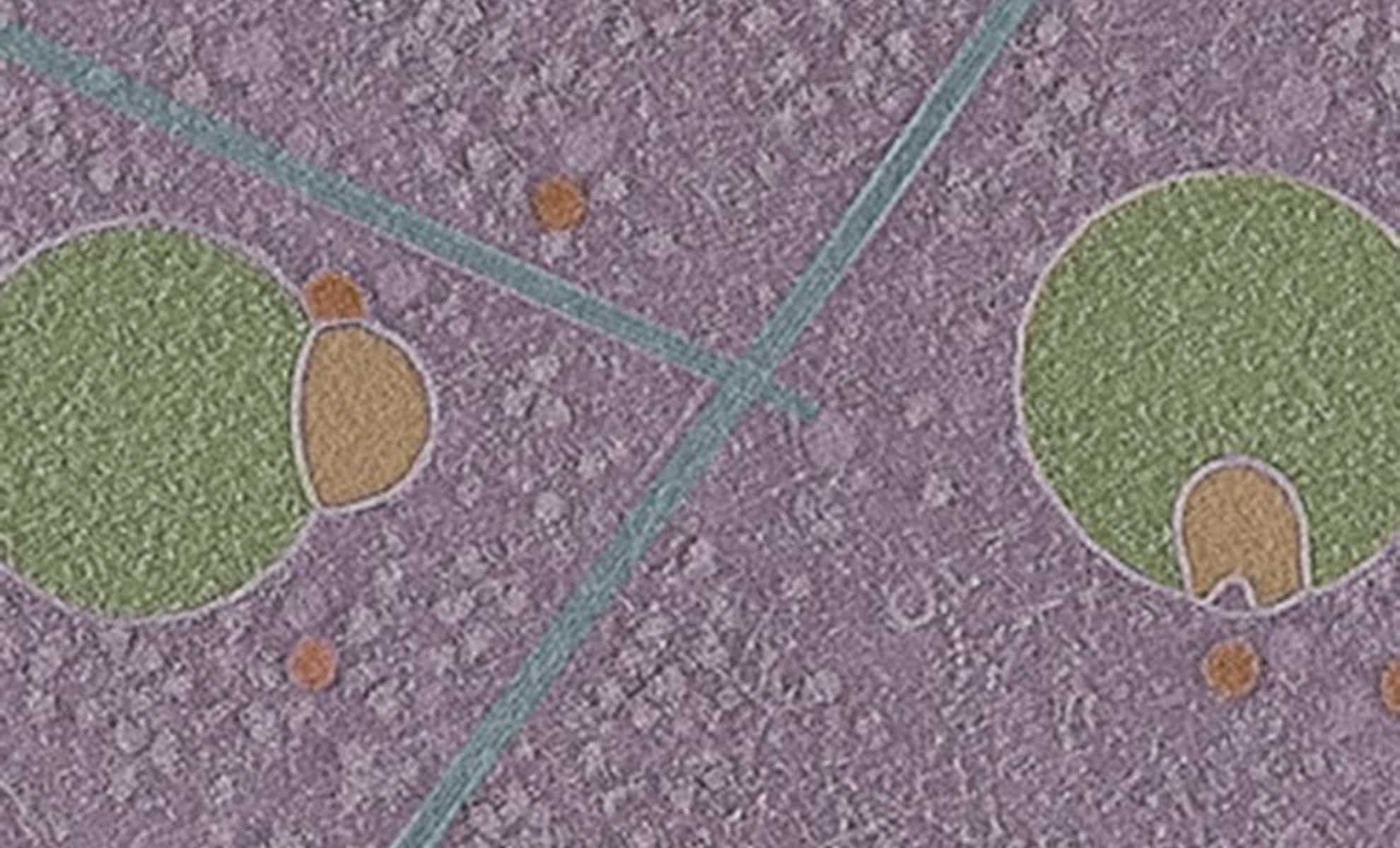
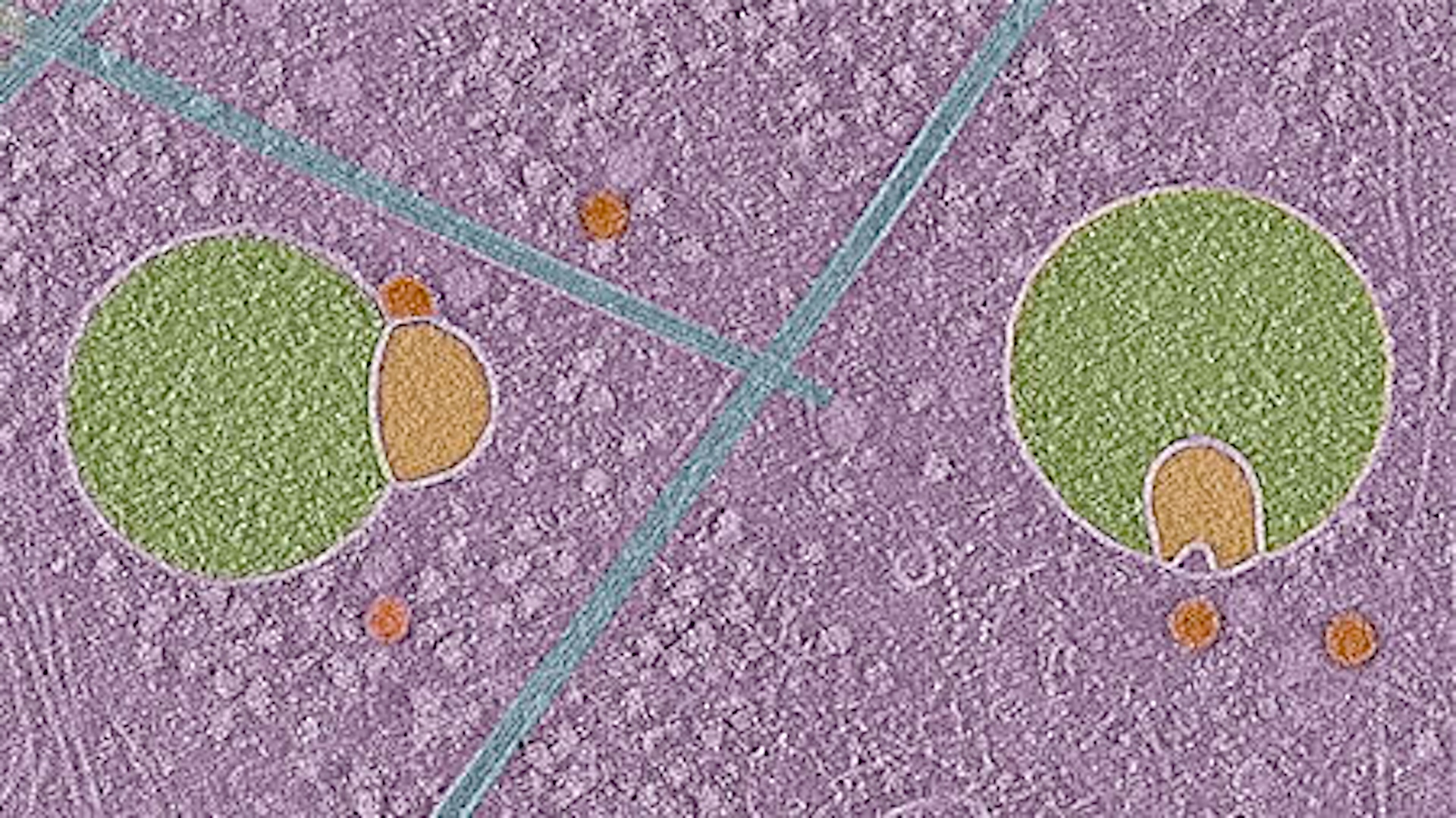
Scientists have discovered a new organelle called the hemifusome inside human cells, which acts as a cellular recycling center involved in cargo processing and vesicle formation. Using advanced cryo-electron tomography, researchers observed this fleeting structure, opening new avenues for understanding and potentially treating genetic diseases related to cellular cargo management.
health-and-science1 year ago

First Detailed Images of Alzheimer's Structures Unveiled

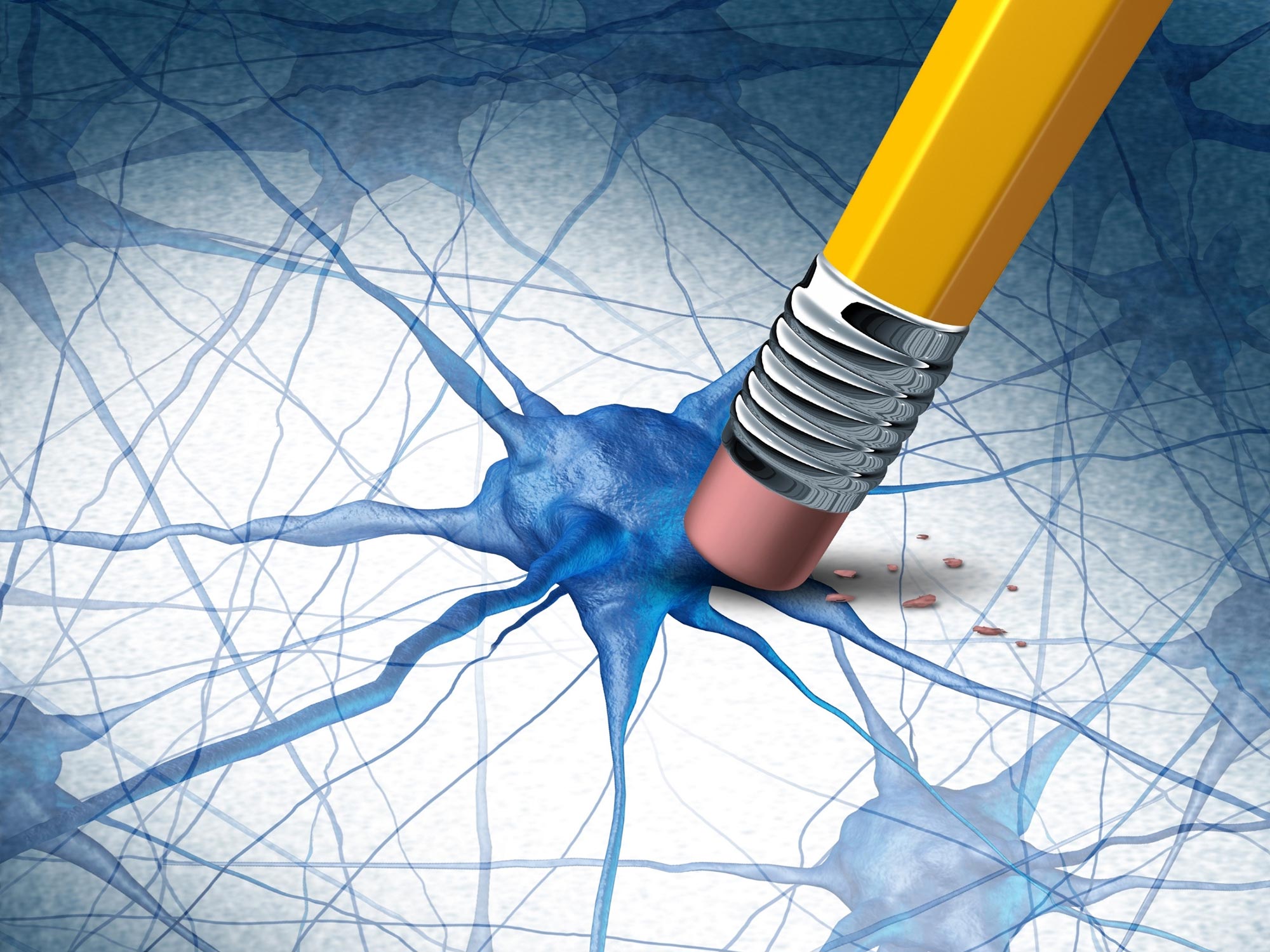
Scientists at the University of Leeds have mapped the molecular structures of β-amyloid and tau proteins in an Alzheimer's patient's brain using cryo-electron tomography, revealing how these proteins disrupt brain functions. This breakthrough, published in Nature, could lead to new therapeutic approaches for neurological diseases.

science-and-technology1 year ago

"Enhanced Brain Study Method Unveiled by Researchers"

Researchers at the University of Pennsylvania have introduced a groundbreaking method, cryo-electron tomography, to study the microscopic structures of the human brain, offering clearer images in a more native state without the use of chemicals or physical tissue cutting. This method promises to enhance our understanding of various brain diseases, including Alzheimer's and multiple sclerosis.

science-and-technology2 years ago

Unveiling the Dynamic Interactions of HIV-1 Env Trimers with CD4 Receptors

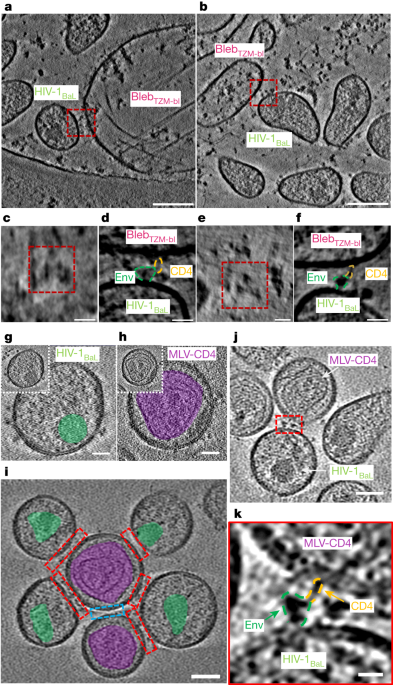
Researchers have used cryo-electron tomography to directly visualize the interactions between HIV-1 Env trimers and CD4 receptors in native membranes. They observed that Env-CD4 complexes cluster and organize into rings, with the patterns of clustering correlating with decreasing distances between membranes at the interfaces. Subtomogram averaging and classification revealed that as the membranes approached each other, Env trimers bound to two or three CD4 molecules. The V1V2 loop projected outward in the CD4-bound protomers, while the unbound protomers showed heterogeneous conformational states. These findings suggest that asymmetric HIV-1 Env trimers with one and two bound CD4 molecules are detectable intermediates during virus binding to membranes.