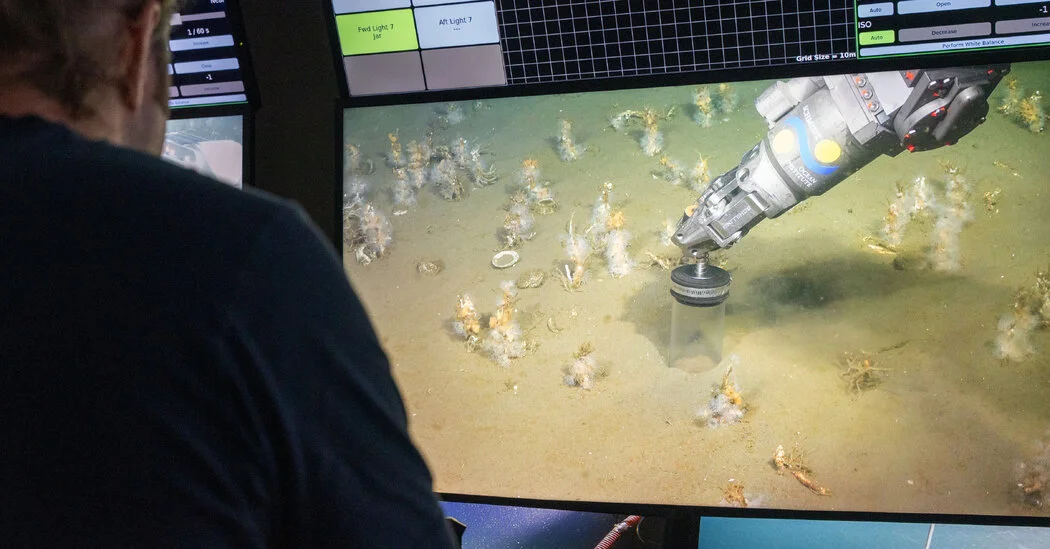
A wave of new studies identifies rare transitional microbes, such as Lokiarchaeum ossiferum, that bridge simple cells and complex eukaryotic cells, offering clues to how cells with nuclei and mitochondria evolved about two billion years ago.
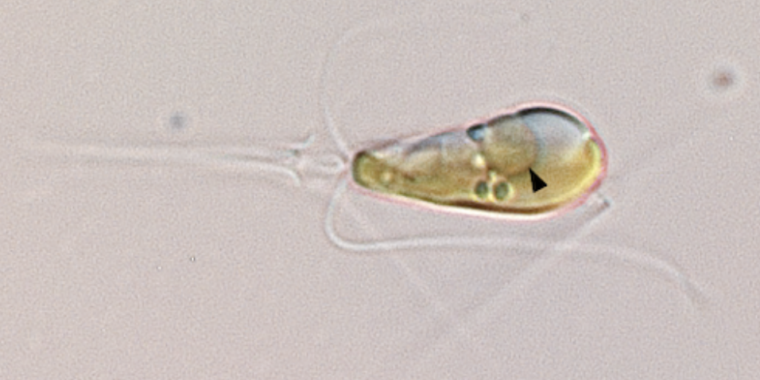
Researchers have discovered a potential new organelle, termed a nitroplast, which is evolving to fix nitrogen from the atmosphere. This process, known as endosymbiosis, is rare and has only been observed in a few cases, such as with mitochondria and chloroplasts. Nitrogen is essential for life, and the difficulty in obtaining it makes this discovery significant in understanding the evolution of complex cells and their specialized functions.
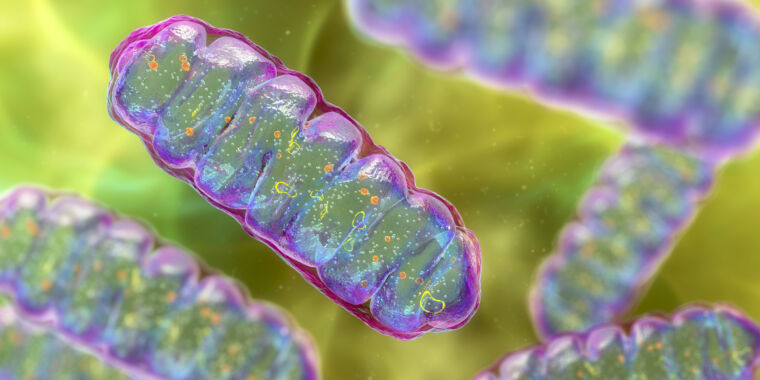
The origin of complex structures within eukaryotic cells, such as the nucleus and endoplasmic reticulum, has long been a mystery. Recent research suggests that these structures may have evolved soon after the mitochondrion, a primitive cell that merged with another cell over 1.5 billion years ago. The "mitochondria early" hypothesis proposes that the endomembrane system, which includes various membrane structures, could have arisen from vesicles released by the mitochondrial ancestor. These vesicles would have helped sequester harmful chemicals and protect the cell. Additionally, the membrane surrounding the nucleus may have evolved to keep mRNA away from ribosomes until it was properly processed, allowing for the production of functional proteins.