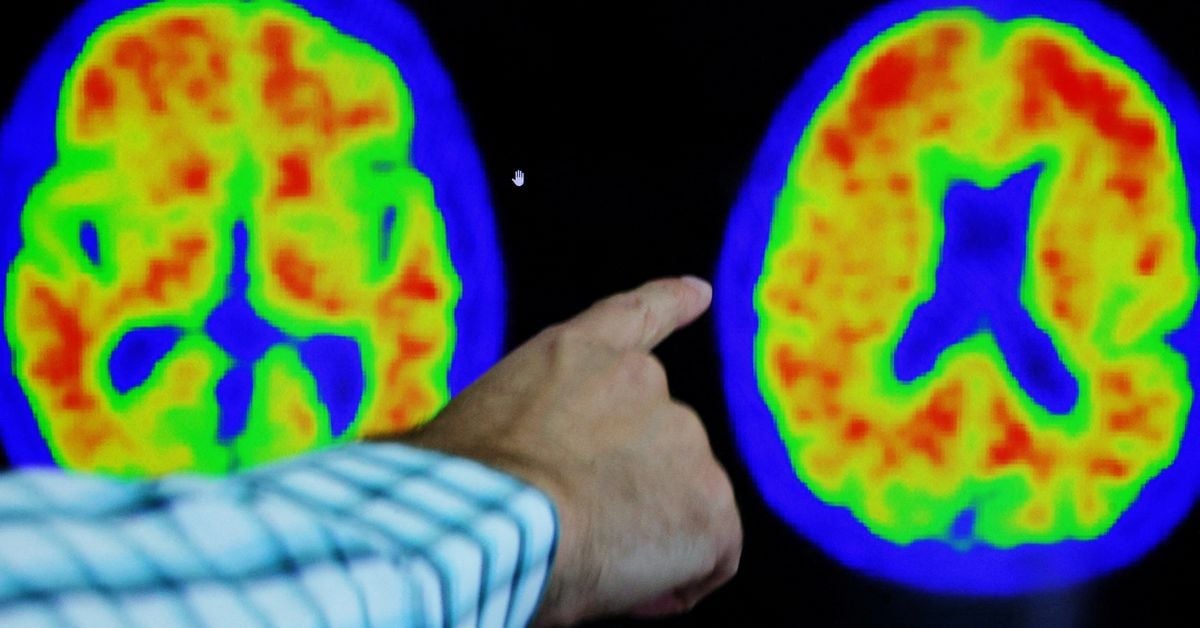
A new blood test for Alzheimer's disease, measuring tau and amyloid proteins, offers 90% accuracy in early detection, potentially transforming diagnosis and care by providing a faster, less invasive, and more accessible tool especially useful in primary care settings.
Atrium Health Wake Forest Baptist in Winston-Salem has treated its first patient with the FDA-approved Alzheimer's medication, Lecanemab, marking the first Alzheimer's drug approval in over 20 years. The medication slows the progression of the disease by removing amyloid, a protein in the brain believed to contribute to memory loss. However, it is only effective for those with mild cognitive impairment or mild dementia due to Alzheimer's, and not for those with more advanced dementia.
Researchers are revisiting the development of vaccines for Alzheimer's disease following recent successes in drug treatments that remove toxic proteins from the brain. Clinical trials are underway or completed for at least seven Alzheimer's vaccines that target the disease-related proteins beta amyloid or tau. The renewed interest in vaccines comes after a promising first attempt over 20 years ago was abandoned due to life-threatening brain inflammation. Scientists believe they now understand what went wrong and are testing new vaccines that provoke an immune response without causing excess inflammation. Vaccines could offer a cheaper and easier-to-administer option for the millions of people affected by Alzheimer's.
The recent hype surrounding new Alzheimer's drugs that target amyloid, a protein thought to cause the disease, may be unwarranted. While these drugs have shown some ability to slow cognitive decline, the benefits are minimal and may not be noticeable to doctors or patients. Additionally, the drugs come with significant side effects, including brain bleeding and swelling, and are prohibitively expensive. The trials for these drugs were highly selective, excluding patients with other brain pathologies or medical problems, raising concerns about their effectiveness in real-world clinical settings. Furthermore, the drugs were tested on patients in the earliest stages of the disease, and even with amyloid clearance, patients still declined rapidly. Given these shortcomings, it may be time to explore alternative treatment options for dementia beyond the anti-amyloid drug pathway.
A new blood test that looks at the activity of astrocytes, star-shaped brain cells in the blood, may help identify individuals at risk for Alzheimer’s before they show any signs of the disease, according to a study published in the journal Nature Medicine. Only patients whose brains showed a combination of "abnormally reactive" astrocytes and high accumulations of amyloid went on to develop cognitive symptoms of the disease. The blood test results could be a game changer in identifying candidates at risk for Alzheimer’s disease for future research studies.
A study by the University of Pittsburgh claims that Alzheimer's disease can be detected using a simple blood test. The study found that patients who go on to develop Alzheimer's also have indicators in their blood that immune cells called astrocytes are activated. These star-shaped immune cells supply the brain with nutrients and oxygen and protect it from pathogens. The team tested the blood of more than 1,000 cognitively healthy older adults with and without amyloids in their brain. They found that only those who had a combination of amyloid and blood markers of abnormal astrocyte activity would progress to symptomatic Alzheimer's in the future.
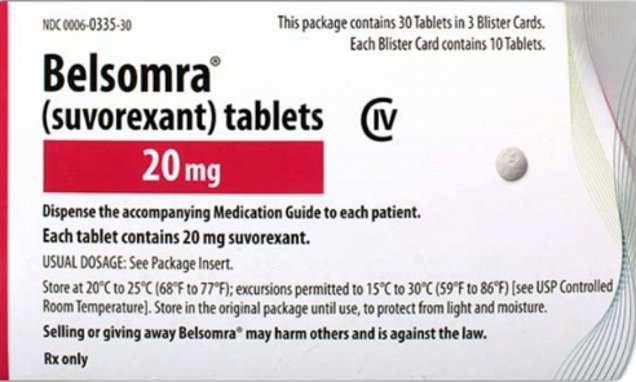
A small study suggests that the insomnia medication suvorexant could potentially reduce Alzheimer’s proteins in the brain, but more research is needed to confirm its effectiveness in preventing or slowing the disease. Participants who took a higher dose of the drug experienced a significant drop in amyloid and hyperphosphorylated tau levels. Sleep disturbances can be an early sign of Alzheimer’s disease, and poor sleep accelerates harmful changes to the brain.
A small study conducted by researchers at the University of Washington in St Louis, Missouri, found that a common sleeping pill, suvorexant, can reduce the levels of Alzheimer's linked proteins in the brain. Participants who took the highest dose had amyloid levels that were up to a fifth lower than other participants in their spinal fluid by the next morning. However, scientists are not urging people to start taking the pills every night, saying much more extensive research is needed to back up the results.