Tag

Choline

All articles tagged with #choline

Dietitians Reveal the Nutrient You're Likely Missing

Originally Published 13 days ago — by AOL.com

Featured image for Dietitians Reveal the Nutrient You're Likely Missing
Source: AOL.com

Choline is an essential but often overlooked nutrient that benefits brain, heart, and liver health, with most Americans not getting enough from their diet. Good sources include eggs, meats, fish, dairy, and plant-based options like soy and vegetables. While a food-first approach is recommended, certain groups such as pregnant women and vegetarians may need supplements to meet their needs.
Low Choline Levels May Contribute to Anxiety Disorders

Originally Published 2 months ago — by Neuroscience News

Featured image for Low Choline Levels May Contribute to Anxiety Disorders
Source: Neuroscience News

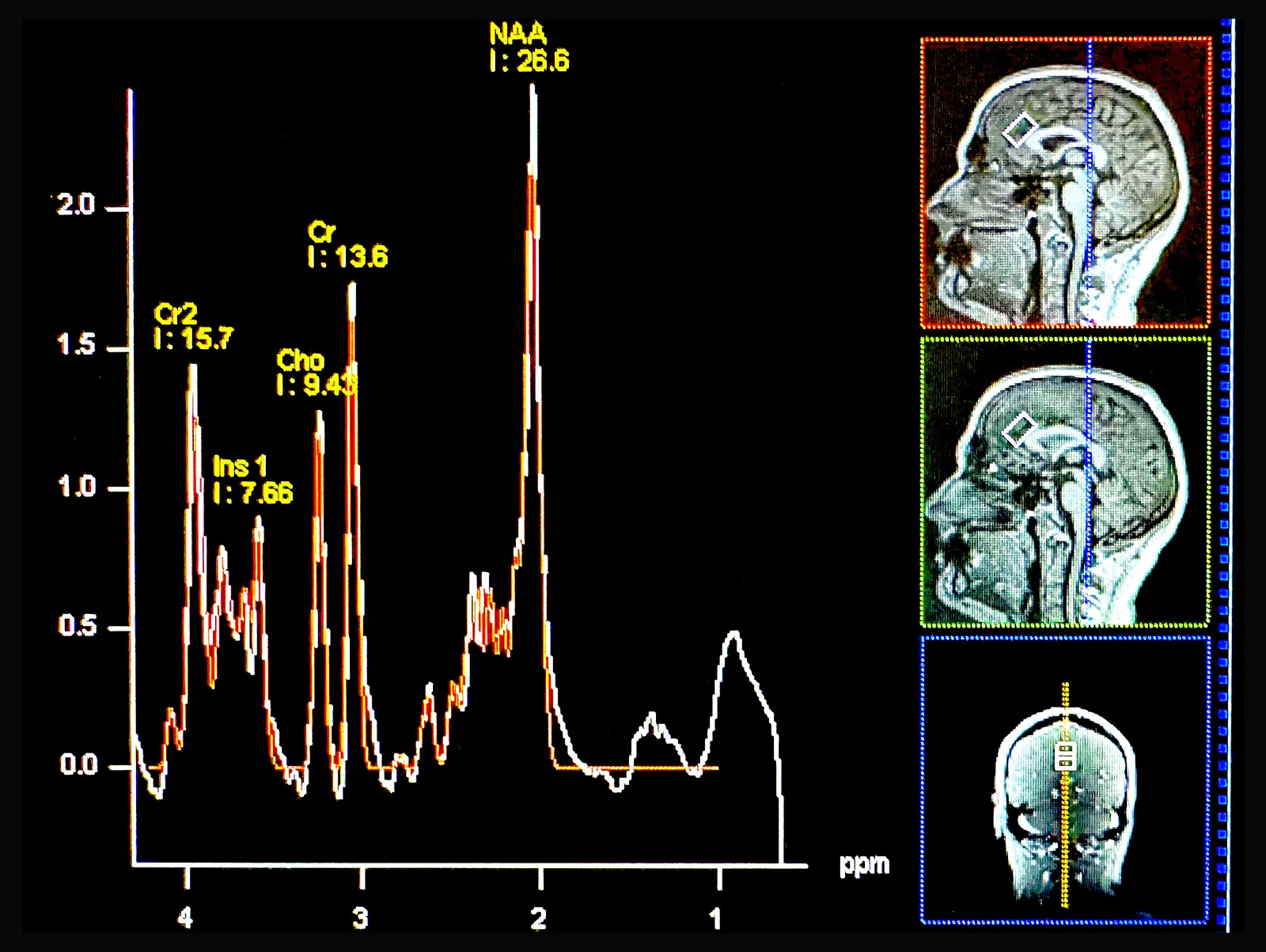
A meta-analysis found that individuals with anxiety disorders have about 8% lower levels of choline in their brains, especially in the prefrontal cortex, suggesting a potential link between choline deficiency and anxiety, though more research is needed to determine if increasing choline intake can help reduce symptoms.

Low Brain Nutrient Levels Linked to Anxiety Disorders

Originally Published 2 months ago — by Medical Xpress

Featured image for Low Brain Nutrient Levels Linked to Anxiety Disorders
Source: Medical Xpress

Research shows that individuals with anxiety disorders have about 8% lower levels of choline in their brains, particularly in the prefrontal cortex, which may be linked to the condition. The study suggests that dietary intake of choline, found in foods like eggs, fish, and meat, could potentially influence brain chemistry and anxiety symptoms, although more research is needed. The findings highlight the importance of nutrition in mental health and the potential for nutritional approaches to aid in managing anxiety.

Essential Nutrient Boosts Brain Power

Originally Published 5 months ago — by InsideHook

Featured image for Essential Nutrient Boosts Brain Power
Source: InsideHook

Eggs are a rich source of choline, an essential nutrient crucial for brain health, memory, and nerve function. Despite concerns about cholesterol, eggs can significantly contribute to daily choline needs, supporting cognitive functions like mood and learning. Most Americans don't get enough choline, making eggs a simple dietary choice to boost brain health.

Eating Eggs and Common Foods May Significantly Reduce Alzheimer's Risk and Boost Brain Health

Originally Published 5 months ago — by Medical News Today

Featured image for Eating Eggs and Common Foods May Significantly Reduce Alzheimer's Risk and Boost Brain Health
Source: Medical News Today

A study suggests that eating at least one egg per week may reduce the risk of Alzheimer's disease by 47%, potentially due to the beneficial effects of eggs' choline and omega-3 content on brain health, though further research is needed to confirm these findings.

Superfoods and Simple Diet Changes to Lower Alzheimer's Risk

Originally Published 1 year ago — by Surrey Live

Featured image for Superfoods and Simple Diet Changes to Lower Alzheimer's Risk
Source: Surrey Live

A recent study suggests that consuming more than one egg per week could lower the risk of developing Alzheimer's disease by 47%, due to the choline, omega-3 fatty acids, and lutein found in eggs. The research, involving over 1,000 participants, highlights the potential cognitive benefits of eggs, although the medical community remains divided. The study also notes that those on a Mediterranean diet may not experience the same benefits, as they already receive similar nutrients from other foods. Further research is ongoing to explore eggs' neurological benefits.

Single Gene Linked to 30 Unexplained Medical Conditions

Originally Published 1 year ago — by Livescience.com

Featured image for Single Gene Linked to 30 Unexplained Medical Conditions
Source: Livescience.com

Researchers have discovered that mutations in the FLVCR1 gene, which regulates the transport of choline and ethanolamine, may explain a variety of medical conditions affecting at least 30 individuals. These conditions range from developmental delays to bone malformations and even early death. The study, led by Dr. Daniel Calame, highlights the gene's role in metabolism and its widespread expression in the body, which can lead to diverse symptoms depending on the severity of the mutation. The findings could have broader implications for understanding other conditions related to choline deficiency.

"New Brain Protein Discovery Offers Hope for Alzheimer's and Aging Treatments"

Originally Published 1 year ago — by PsyPost

Featured image for "New Brain Protein Discovery Offers Hope for Alzheimer's and Aging Treatments"
Source: PsyPost

Researchers from the National University of Singapore have discovered that the brain protein Mfsd7c plays a crucial role in managing choline levels, which could lead to new treatments for Alzheimer's and other neurological conditions. Their study found that Mfsd7c is essential for exporting excess choline from the brain, challenging previous assumptions about choline transport. This discovery opens up potential therapeutic strategies to boost brain function, although further research and clinical trials are needed to confirm these findings in humans.

"The Health Impact of Daily Egg Consumption and Yolk Preference"

Originally Published 2 years ago — by Delish

Featured image for "The Health Impact of Daily Egg Consumption and Yolk Preference"
Source: Delish

Nutrition experts suggest that eating eggs every day can be part of a healthy diet, as they are a rich source of complete protein, choline, and various essential nutrients. Recent research indicates that the cholesterol in eggs does not significantly impact overall cholesterol levels, and the health risks associated with egg consumption are primarily linked to how they are prepared and paired with other foods. It's important to be mindful of the cooking fats and accompaniments used with eggs, but overall, they can be a nutritious and beneficial addition to a daily diet.

"The Essential Brain-Health Nutrient You're Missing and How to Get More"

Originally Published 2 years ago — by AOL

Featured image for "The Essential Brain-Health Nutrient You're Missing and How to Get More"
Source: AOL

Choline, an essential nutrient for brain health, is often lacking in our diets, with about 90% of people in the U.S. not getting enough. Choline plays a crucial role in regulating brain functions and building and protecting brain cells and nerves. Foods rich in choline include eggs, kidney beans, beef liver, cruciferous and green vegetables, chicken breast, soybeans, and potatoes. While supplements are available, it is generally recommended to obtain nutrients from food sources.