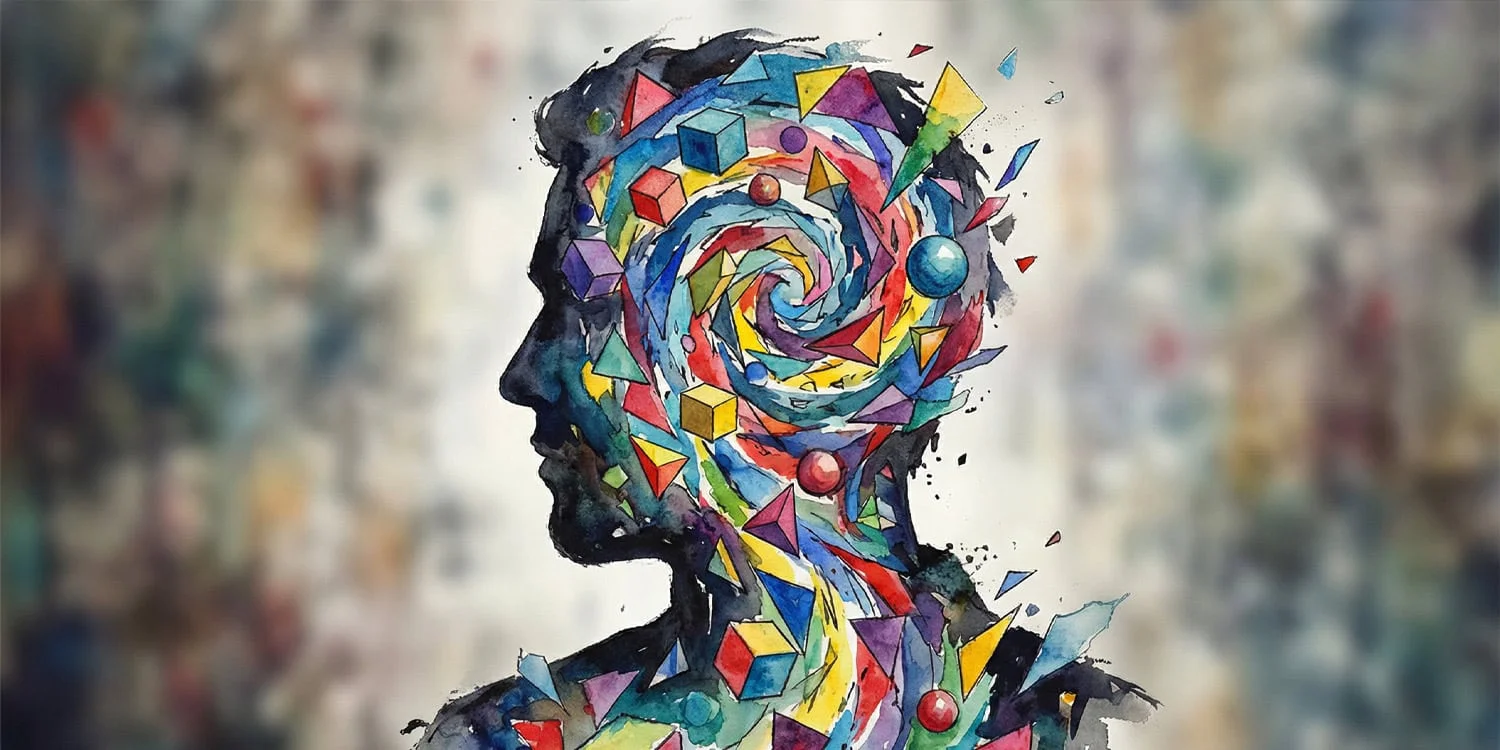
The article explains that struggles with common tasks often indicate higher intelligence, as such individuals tend to seek depth, novelty, and meaning, which can lead to difficulties with routines, small talk, and mundane details, but these traits are strengths when understood and managed properly.
The article discusses philosopher C. Thi Nguyen's book 'The Score,' which argues that scoring systems in games are liberating and foster creativity, whereas institutional metrics like grades and rankings tend to stifle individuality and impose homogenized values, urging us to reconsider how we engage with these systems in our lives.
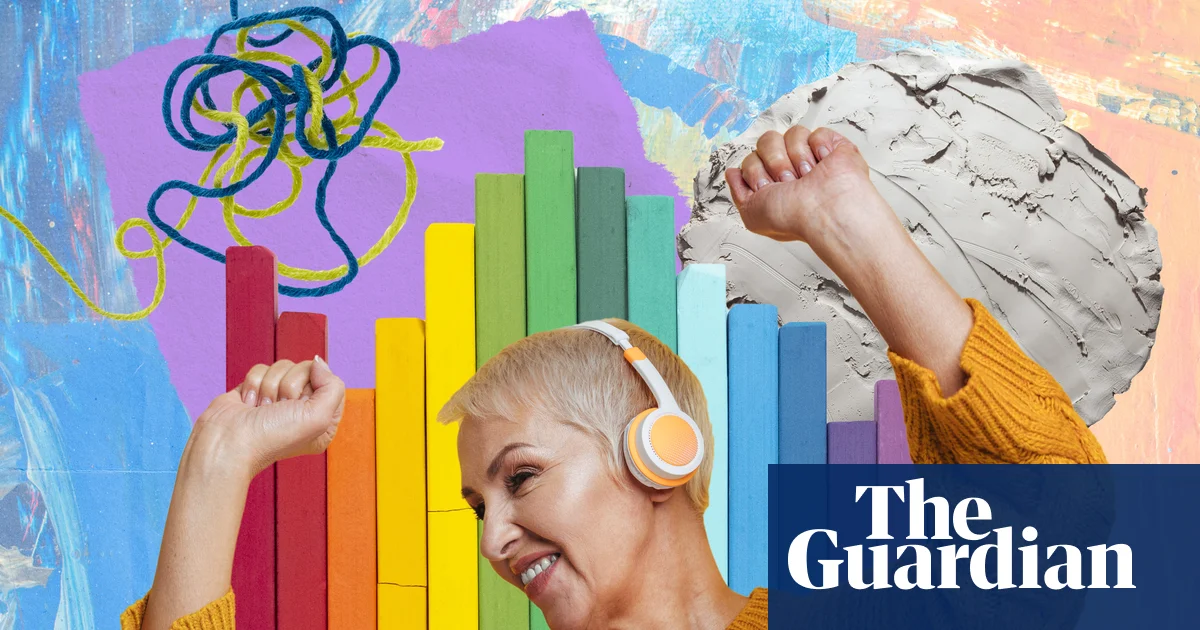
Engaging in the arts—such as music, dance, visual arts, and cultural activities—has significant mental and physical health benefits, including reducing stress, improving mood, strengthening brain connectivity, and building resilience against cognitive decline. The article encourages incorporating creative activities into daily life to enhance overall wellbeing in 2026.
Research indicates that ADHD is linked to increased creativity, largely due to a tendency for the mind to wander, especially deliberate mind wandering, which may be harnessed for positive outcomes and treatment strategies.
Many people are intentionally choosing not to use AI in certain areas like creative work, professional skills, and precise data analysis, valuing human effort and judgment over automation, despite AI's growing influence.
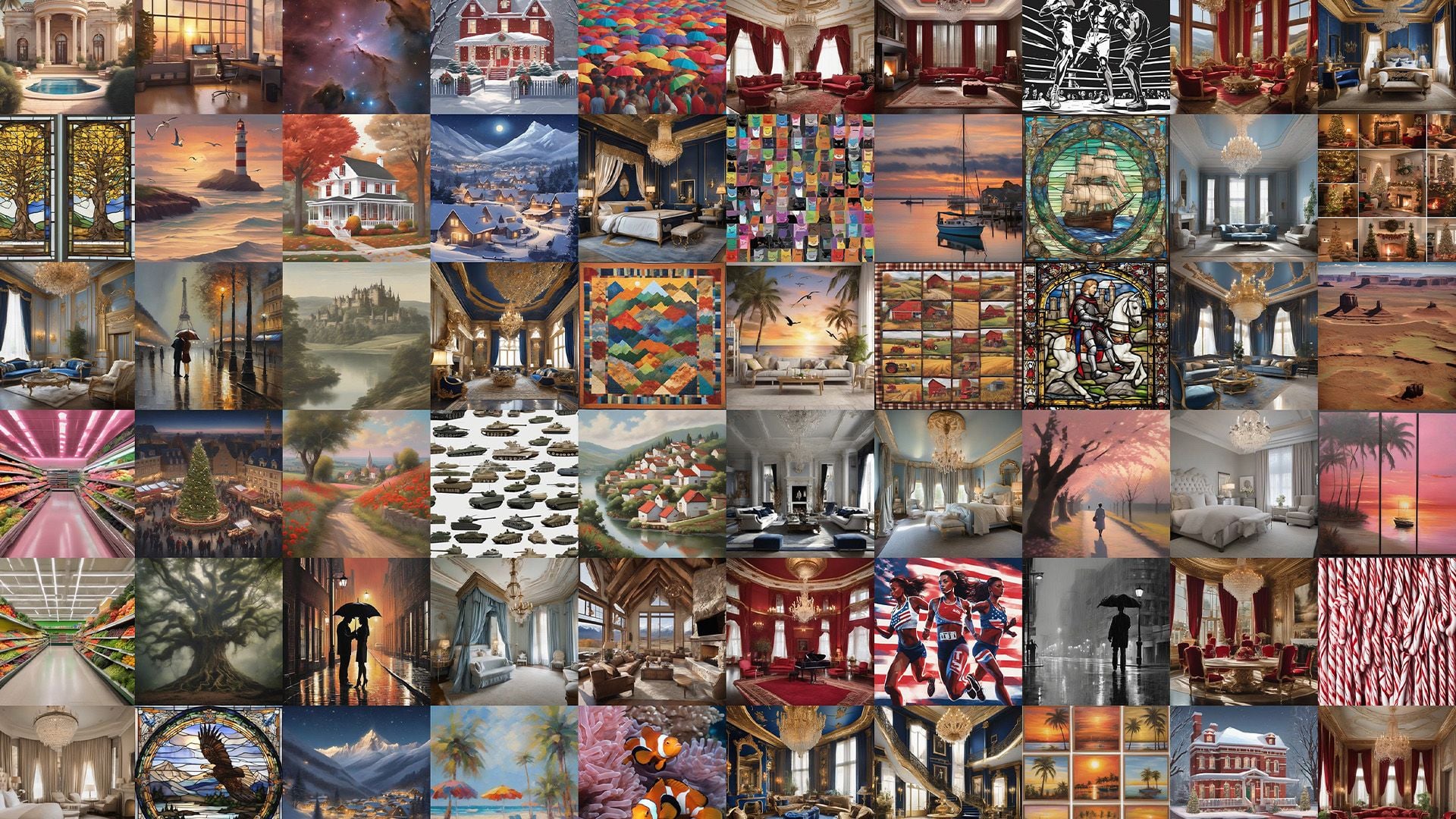
A recent study reveals that AI-generated images tend to recycle just 12 visual tropes, indicating limited creativity and a tendency to produce formulaic, uninspired imagery, highlighting the importance of human-made art.
A recent study reveals that individuals with ADHD are more likely to identify with and apply certain positive traits like creativity, humor, and spontaneity, highlighting the importance of recognizing strengths alongside challenges to improve confidence and well-being.
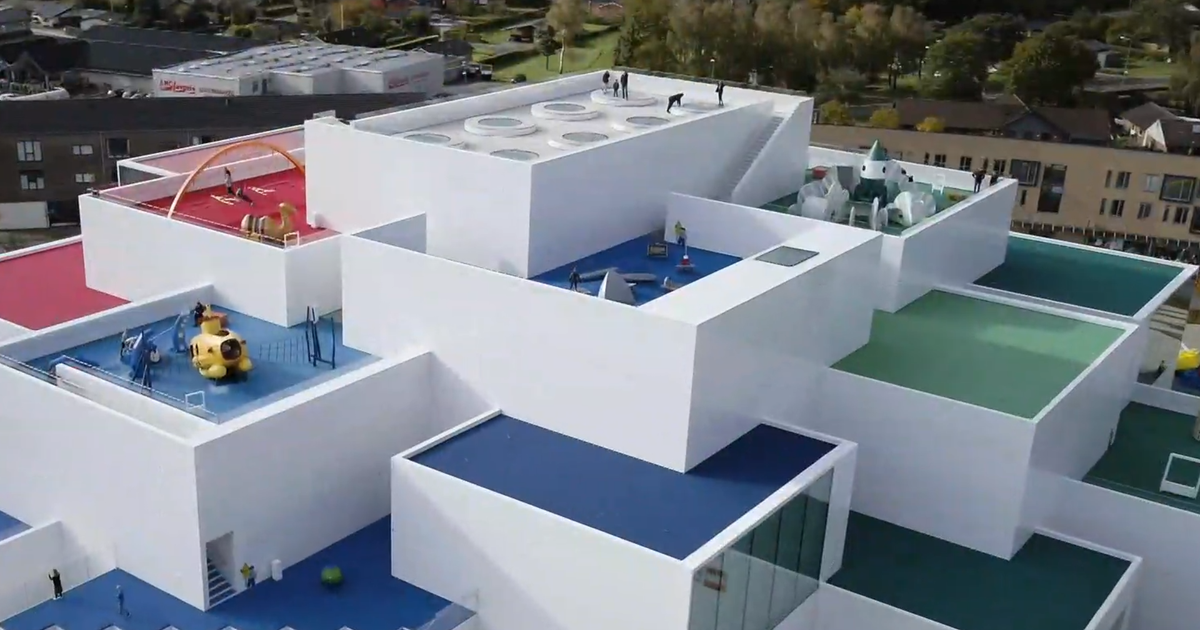
A rare inside look at LEGO's secret museum in Denmark reveals the evolution of the iconic toy, showcasing vintage sets, innovative designs, and the company's creative culture, while also highlighting ongoing challenges in making LEGO more sustainable amidst environmental concerns.
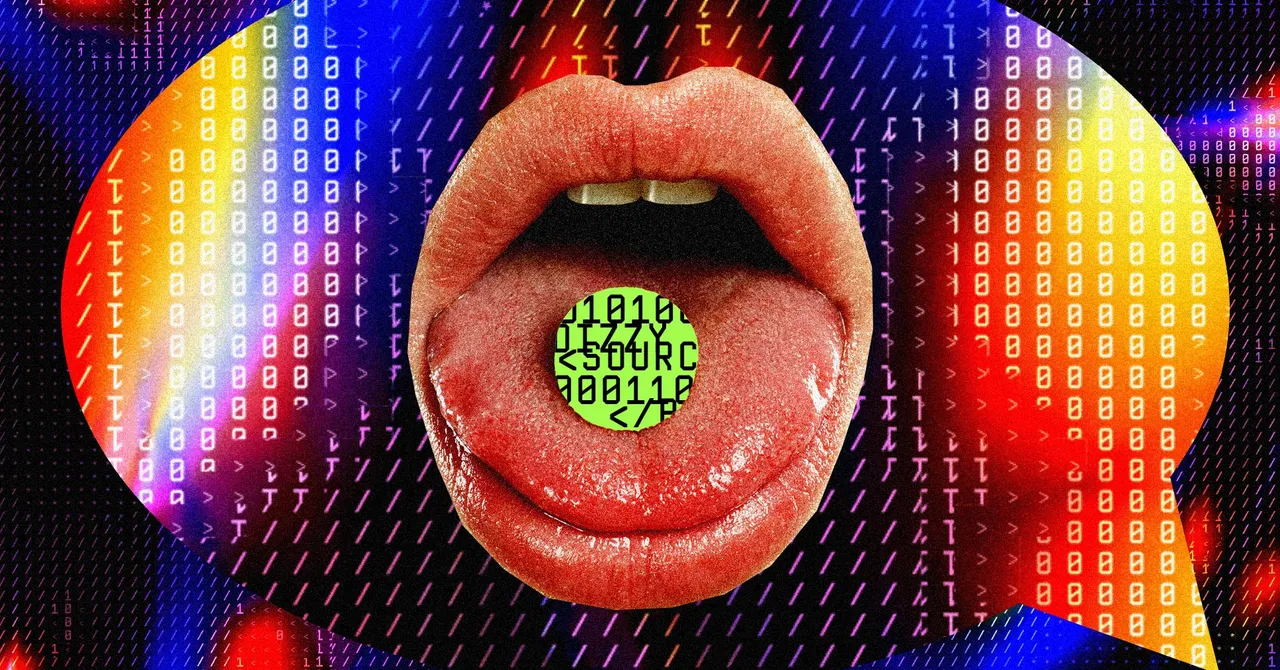
Petter Ruddwall created Pharmaicy, a marketplace selling code-based 'drug' modules to make chatbots simulate being high or tipsy, exploring the idea that AI might seek altered states for creativity or enlightenment, with some users reporting more creative and emotional responses from their chatbots. The project raises questions about AI sentience and the potential future of AI experiencing or seeking altered states.
Guardian readers express mixed opinions on AI in music, emphasizing the importance of human emotion and creativity, concerns over copyright and reliance on technology, and the need for transparency and protections for musicians.
Engaging in creative activities like dancing, music, art, or playing strategy video games is linked to a younger-looking brain and slower brain aging, with long-term practice providing stronger benefits. Even short-term creative training can improve brain aging markers, suggesting that regular creative engagement supports neural health and cognitive resilience.
Manoush Zomorodi's book 'Bored and Brilliant' emphasizes the importance of allowing our minds to wander and embrace boredom in the digital age, highlighting how spacing out can boost creativity and productivity, supported by scientific studies and personal anecdotes.
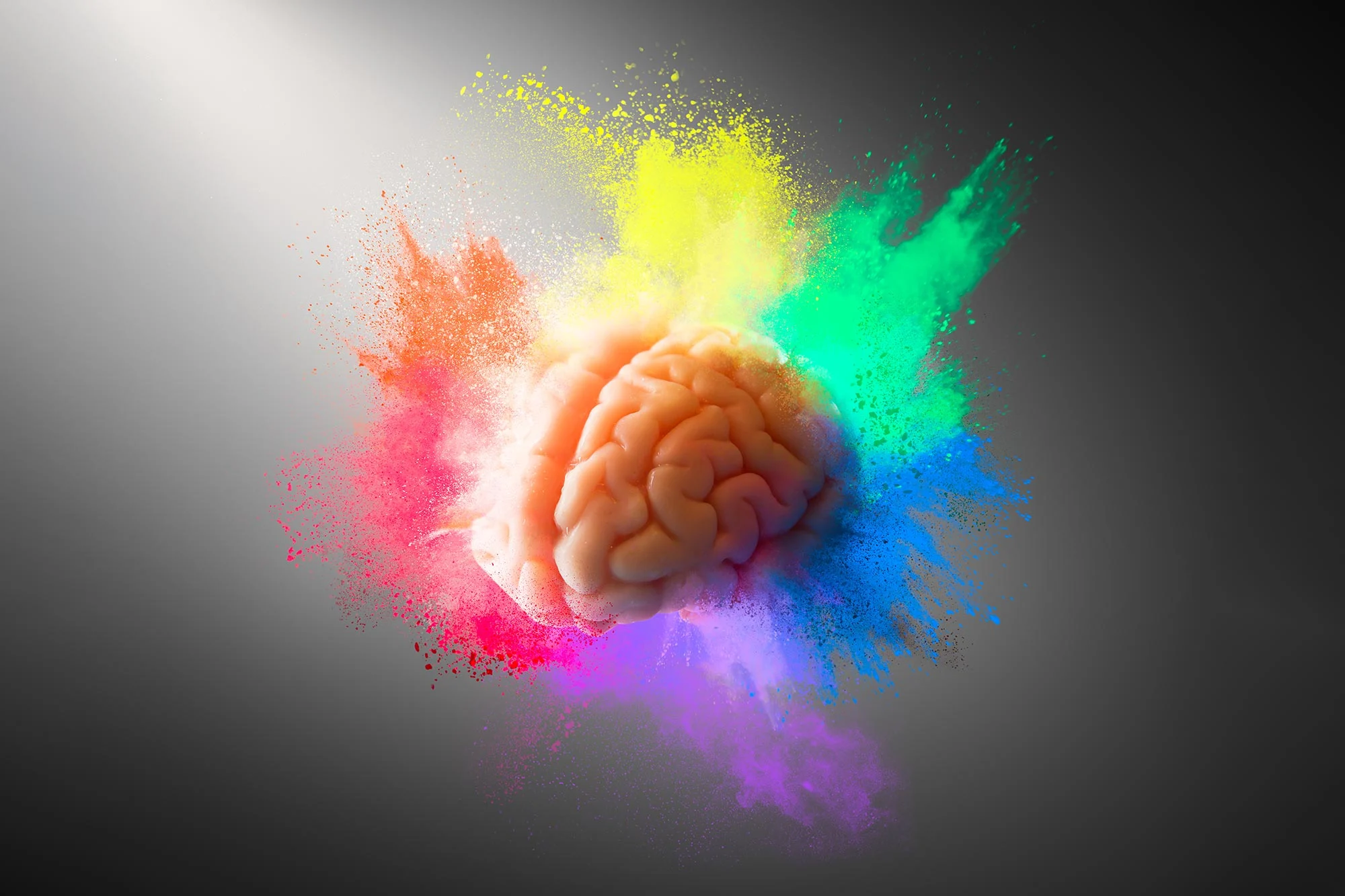
A study found that oxytocin enhances creativity in approach-oriented individuals by improving brain network connectivity and cognitive flexibility, but has no effect on avoidance-oriented individuals, highlighting the role of personality in hormonal effects on higher-level thinking.
A study published in Nature Communications suggests that engaging in creative activities like dancing, playing music, visual arts, and strategy video games can be linked to slower brain aging, making these accessible hobbies beneficial for maintaining cognitive health as we age.
Director Ira Sachs was inspired by a 1974 interview between photographer Peter Hujar and Linda Rosenkrantz to create a film that captures the intimacy of their conversation, emphasizing the human act of creativity and the emotional nuances of friendship, loss, and artistic doubt, all set within a single apartment over a day.