Tag

Food Sources

All articles tagged with #food sources

10 Unexpected Natural Sources of Magnesium

Originally Published 2 months ago — by The Times of India

Featured image for 10 Unexpected Natural Sources of Magnesium
Source: The Times of India

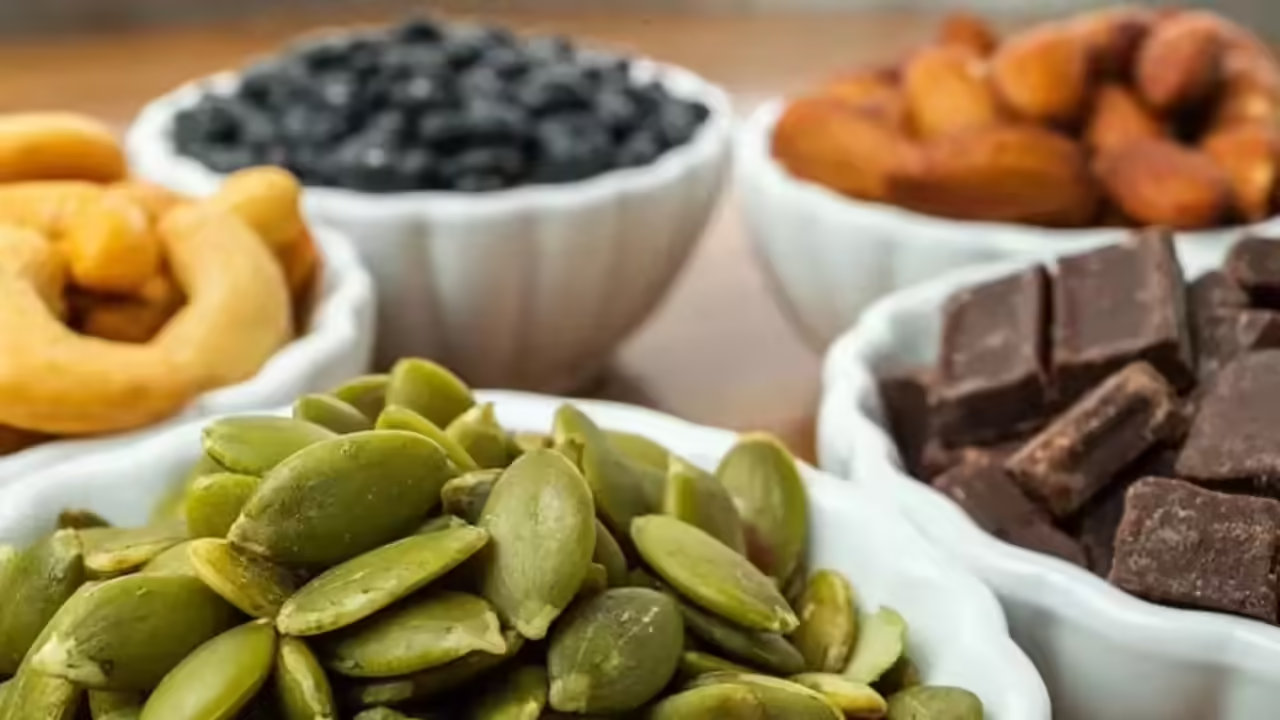
Magnesium is an essential mineral vital for various bodily functions, yet many people lack sufficient intake due to processed foods. This article reveals 10 surprising natural food sources of magnesium beyond common options like spinach and almonds, offering practical ways to boost magnesium intake naturally.


Nutritionists Uncover True Protein Needs

Originally Published 7 months ago — by AOL.com

Featured image for Nutritionists Uncover True Protein Needs
Source: AOL.com

Experts emphasize that while protein is essential for body repair, immune function, and structural health, most people meet the minimum recommended intake, but aiming for 1.2 to 2 grams per kilogram of body weight may be more beneficial for overall health and aging. It's important to balance protein consumption with other nutrients and prioritize whole food sources like fish, eggs, beans, and dairy over processed options.

"Protein Quiz: How Well Do You Know Your Nutritional Powerhouses?"

Originally Published 2 years ago — by The New York Times

Featured image for "Protein Quiz: How Well Do You Know Your Nutritional Powerhouses?"
Source: The New York Times

This quiz tests your knowledge on protein, including how much protein is needed daily, the best food sources, and who is least likely to get enough protein. It also covers the percentage of protein consumed from animal-based foods, the ability to meet protein needs with plant-based foods alone, the effectiveness of protein powder supplements, and examples of meals that contain at least 20 grams of protein.

"Unveiling the Top Antioxidants for Optimal Brain Health and Alzheimer's Prevention"

Originally Published 2 years ago — by Verywell Health

Featured image for "Unveiling the Top Antioxidants for Optimal Brain Health and Alzheimer's Prevention"
Source: Verywell Health

Antioxidants are important for protecting cellular health and reducing the risk of diseases. They neutralize free radicals, which can cause damage to our cells. Antioxidants are found in colorful plant foods like leafy greens, nuts, and berries, as well as in certain animal-derived sources. Consuming a variety of minimally processed foods is the best way to incorporate antioxidants into your diet. A diet low in antioxidants can increase the risk of chronic diseases. While antioxidant supplements are available, it is best to obtain antioxidants from whole foods rather than relying on high-dose supplements. Including antioxidant-rich foods in your meals and snacks can be easily done to reap the benefits.

"Unlocking the Power of an Underrated Nutrient: Boosting Brain Health for 90% of Americans"

Originally Published 2 years ago — by CNBC

Featured image for "Unlocking the Power of an Underrated Nutrient: Boosting Brain Health for 90% of Americans"
Source: CNBC

A registered dietitian highlights the importance of choline, an essential nutrient that 90% of Americans are lacking. Choline is known to boost brain health and can be found in foods such as meats, fish, eggs, red potatoes, cruciferous vegetables, and soybeans. Incorporating these choline-rich foods into your diet can help ensure you're getting enough of this underrated nutrient.

"Top Omega-3 Rich Foods for a Healthy Diet"

Originally Published 2 years ago — by Real Simple

Featured image for "Top Omega-3 Rich Foods for a Healthy Diet"
Source: Real Simple

Omega-3 fatty acids are essential for our health and wellbeing, and they offer numerous benefits such as supporting brain health, heart health, immune health, gut health, and child development. The three types of omega-3s are alpha-linolenic acid (ALA), eicosapentaenoic acid (EPA), and docosahexaenoic acid (DHA). While fish is a rich source of EPA and DHA, plant-based sources like chia seeds, flax, walnuts, soy, and seaweed provide ALA. Consuming omega-3s is important for overall health, and incorporating foods high in omega-3s into your diet is recommended.

The Link Between Omega-3 Deficiency and Heart Disease Risk

Originally Published 2 years ago — by Indiatimes.com

Featured image for The Link Between Omega-3 Deficiency and Heart Disease Risk
Source: Indiatimes.com

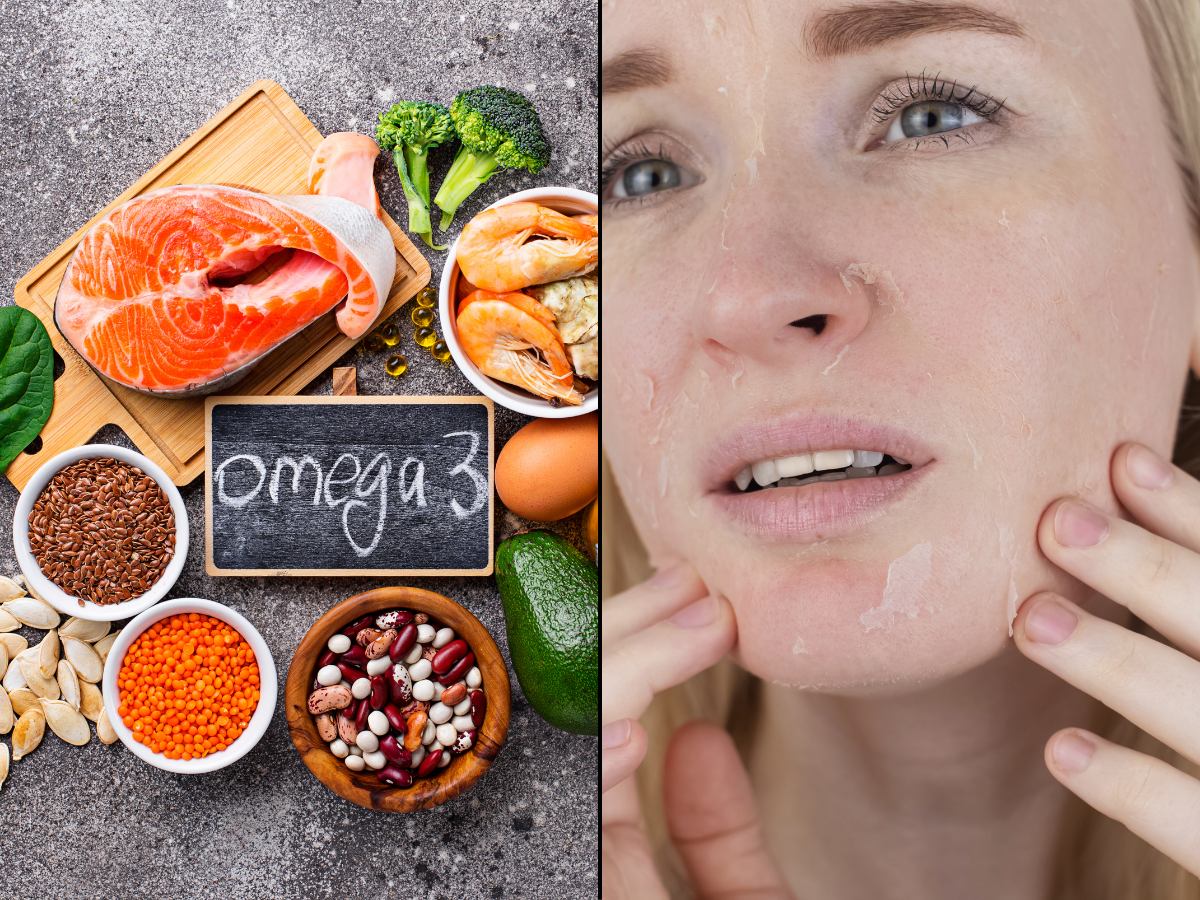
Brittle nails, dry skin, and hair loss are some of the signs of omega-3 deficiency. Omega-3 fatty acids are essential for regulating hormones, cognitive function, skin health, and vision. Lack of omega-3 can increase the risk of heart disease and stroke. Food sources of omega-3 include vegetable oils, flax seeds, seafood, and nuts. Consult a doctor if you plan to take omega-3 supplements.