
Balancing Protein Intake: What You Need to Know
The article discusses the rise of protein-enriched foods, explores the origins of the protein obsession, and offers guidance on how much protein to consume daily for a balanced diet.

All articles tagged with #food trends
The article discusses the rise of protein-enriched foods, explores the origins of the protein obsession, and offers guidance on how much protein to consume daily for a balanced diet.

Food Network's long-running weekend talk show 'The Kitchen' will end after 10 years, with its final episode airing on December 13, as part of network programming changes and resource evaluations for 2026. The show featured hosts discussing food trends, recipes, and tips, and its cancellation follows the recent cancellation of several Halloween-themed shows.

The article discusses the negative environmental and social impacts of popular food trends like Dubai chocolate, matcha, and quinoa, highlighting issues such as water overuse, climate change effects, and market-driven land degradation, and emphasizes the need for sustainable practices in food production.
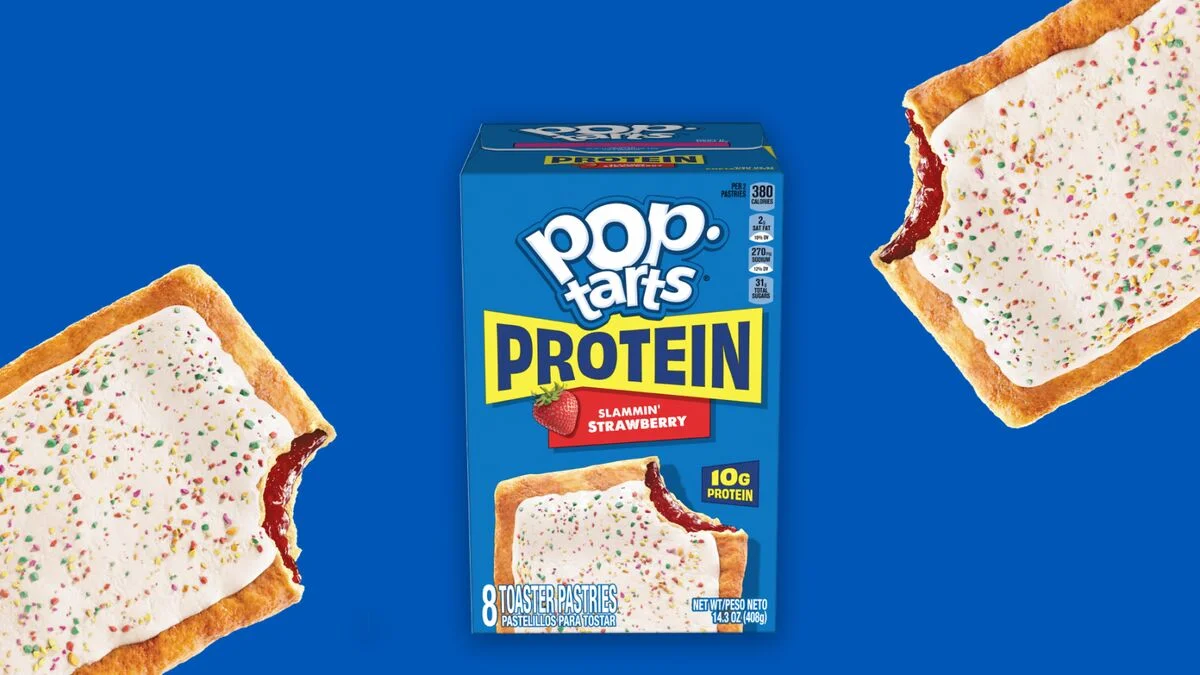
Kellanova is launching higher-protein versions of Pop-Tarts in three flavors, adding wheat and milk protein concentrates to appeal to consumers seeking nutritional benefits, following a broader trend of adding protein to packaged foods to attract health-conscious shoppers and compete with startups and private labels.

In Dallas, several new restaurants are opening, including Dudley's Sports Bar, Mamani, NADC Burger, Paris Baguette, and Torchy's Tacos, while others like Evan's Meat Market, Henry's Majestic, and Stirr are closing, amidst a growing food scene and upcoming drone delivery tests by Chipotle.
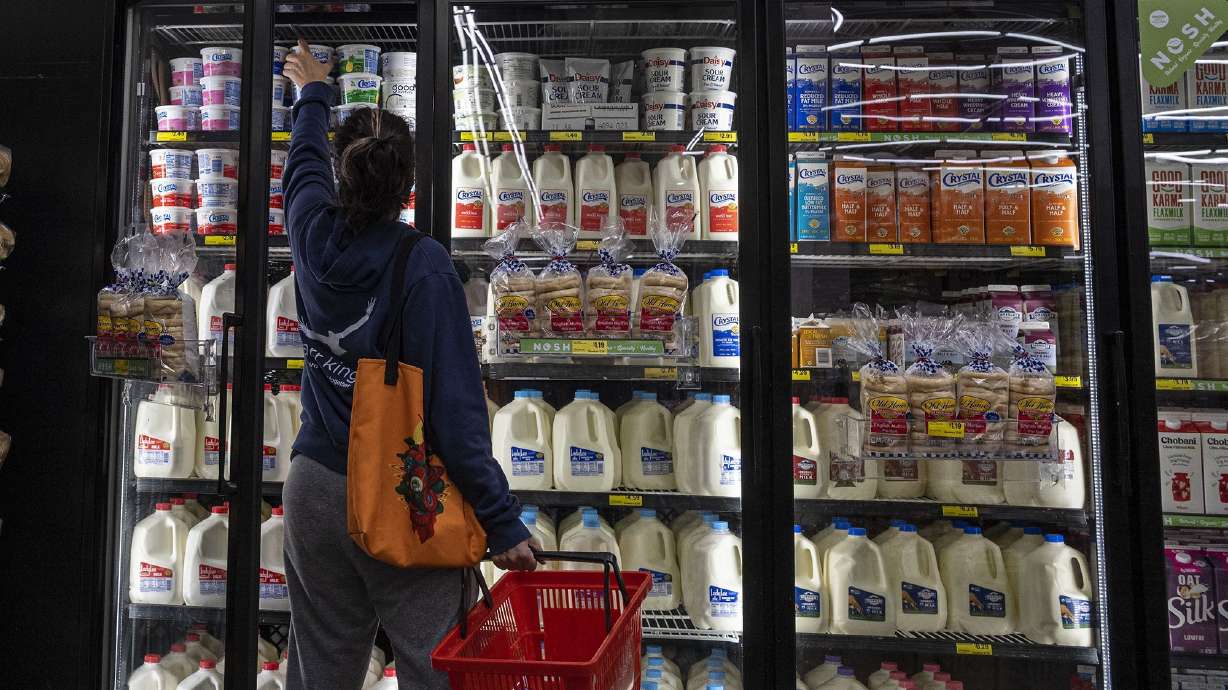
TikTok has revitalized cottage cheese's popularity, leading to a 20% increase in U.S. sales and causing shortages as producers struggle to meet demand, driven by viral recipes and health trends, with manufacturers expanding capacity to keep up.

TikTok has revitalized interest in cottage cheese, leading to a 20% sales increase in the US and causing shortages as producers struggle to meet demand, driven by viral recipes and health trends. Manufacturers are expanding capacity, but supply constraints remain, and consumers may need to wait for more products.

Trader Joe's is launching 11 new items this June, including potato buns, Parmesan garlic butter, organic guava spread, Angus beef meatballs, root beer float cookies, strawberry doodle cookies, dark chocolate thins, silken tofu, a meatball calzone, roasted tomato dip, and spicy dynamite sauce, with some being limited edition and already receiving rave reviews for their unique flavors and quality.
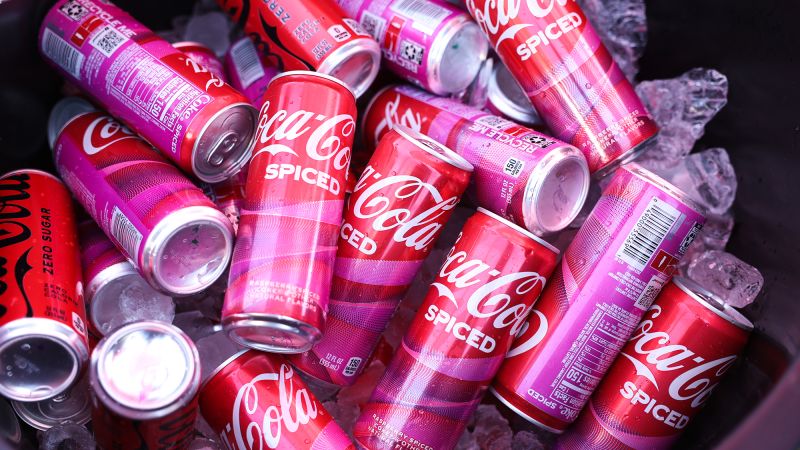
The "swicy" trend, a combination of sweet and spicy flavors, is rapidly gaining popularity in the U.S. food and beverage market, driven primarily by younger consumers like Millennials, Gen Z, and Gen Alpha. This trend is evident across various products, from snacks and drinks to frozen foods and pizzas, with major brands like Coca-Cola, Starbucks, and Pepsico introducing spiced-up offerings. The rise in demand for bold flavors is also influenced by increased globalization and cultural diversity, making spicy foods a lasting trend rather than a passing fad.
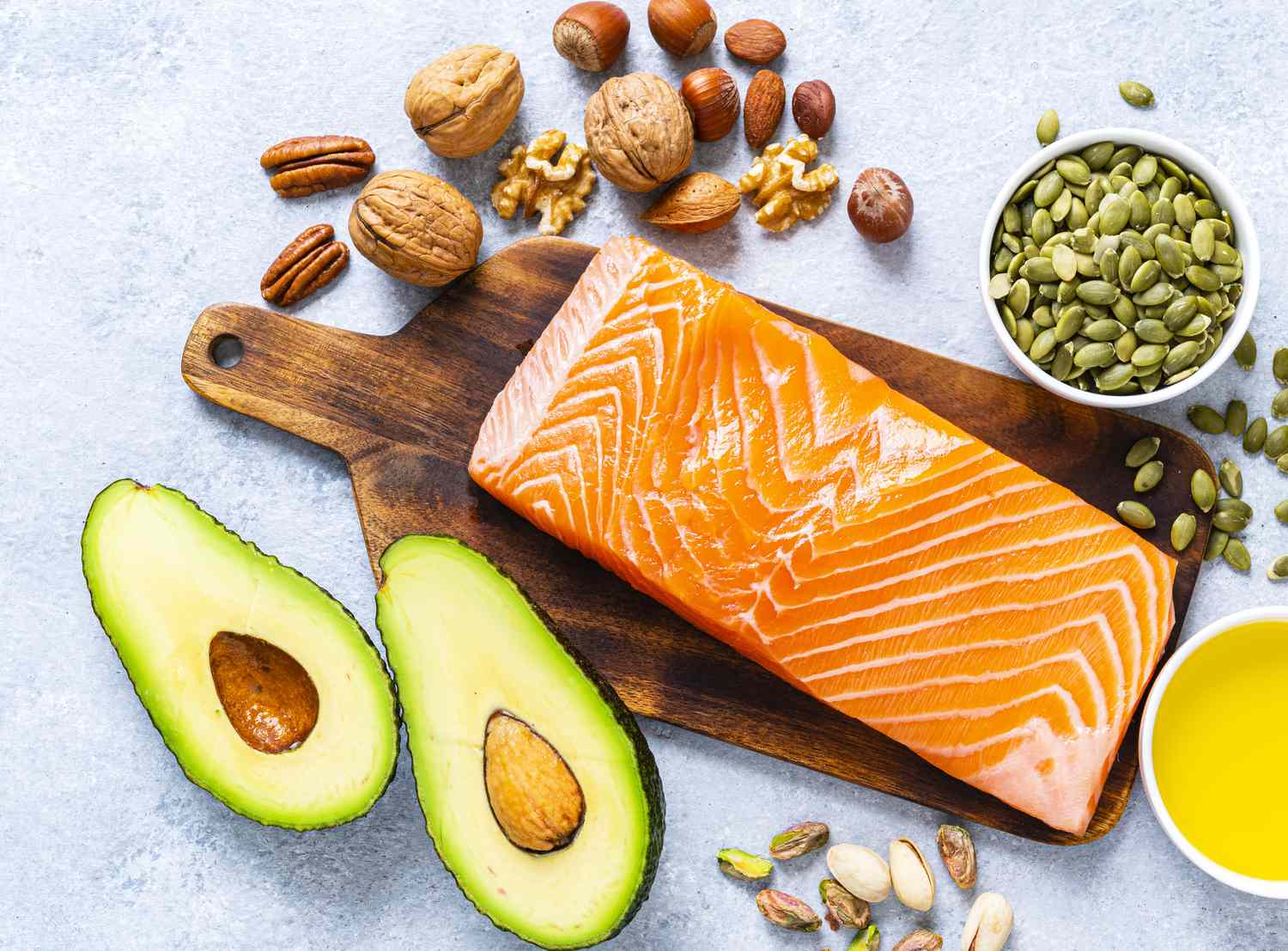
According to a survey of 564 registered dietitians, the top superfoods for 2024 include fermented foods, blueberries, seeds, avocados, nuts, green tea, pulses, mushrooms, ancient grains, and salmon, with an emphasis on affordability, gut health, accessibility, convenience, and immunity support. The additions of pulses, mushrooms, and salmon to the list reflect the rising popularity of plant-based eating and a Mediterranean lifestyle.
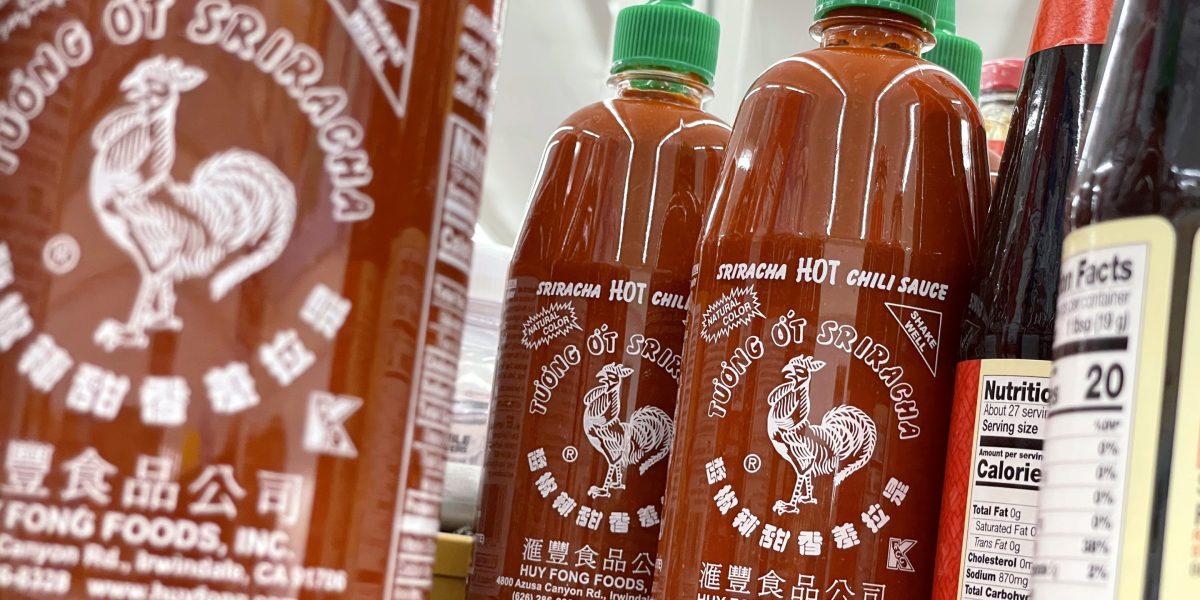
Huy Fong Foods' sriracha sauce, created by Vietnamese refugee David Tran, became a beloved American condiment, but a dispute with a pepper farmer led to shortages and allowed Tabasco to dominate the market. The rise of sriracha reflects changing American tastes and the influence of immigrant communities. Despite the competition, Tran remains unfazed, emphasizing that anyone can make their own version of the sauce, but many still consider his original product iconic.
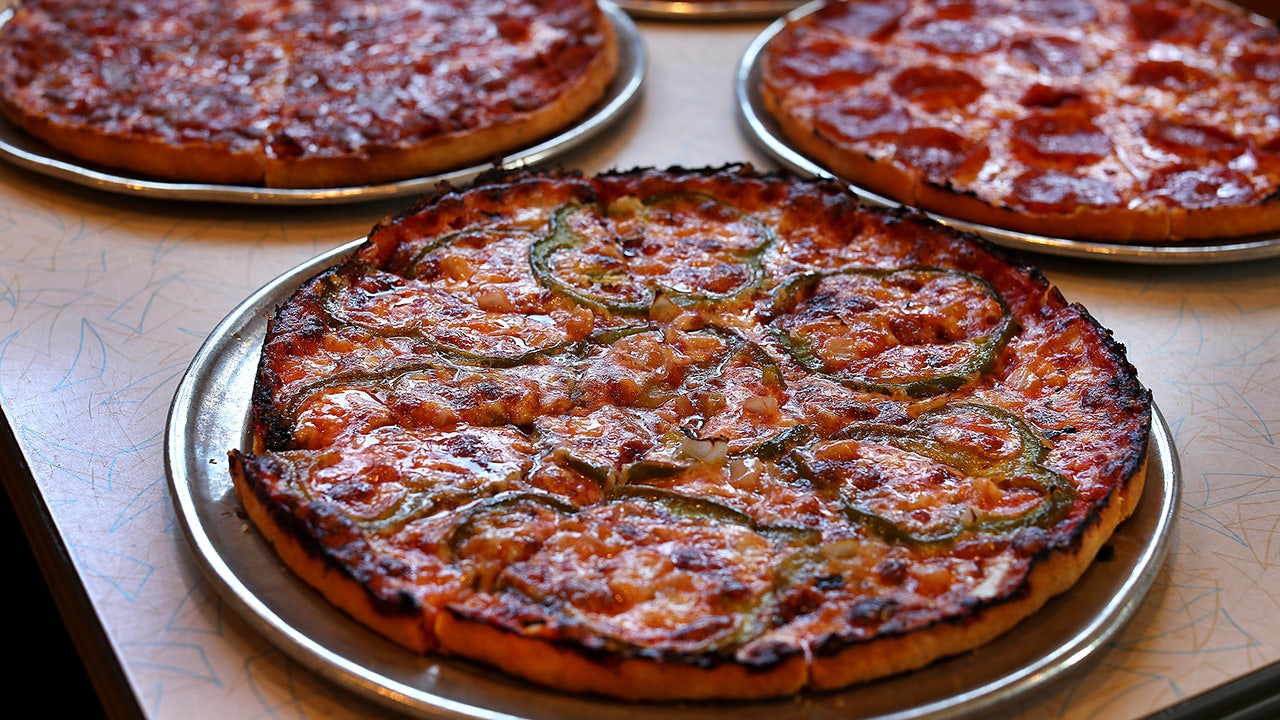
Pizza in North America has evolved with regional variations such as South Shore Bar pizza near Boston, pizza strips in Rhode Island, New Haven Apizza in Connecticut, Grandma style pizza from Long Island, Quad Cities style pizza in Illinois and Iowa, and St. Louis style pizza. Each variation has unique characteristics, from the way it's cooked to the toppings used, showcasing the diverse and delicious world of American pizza.
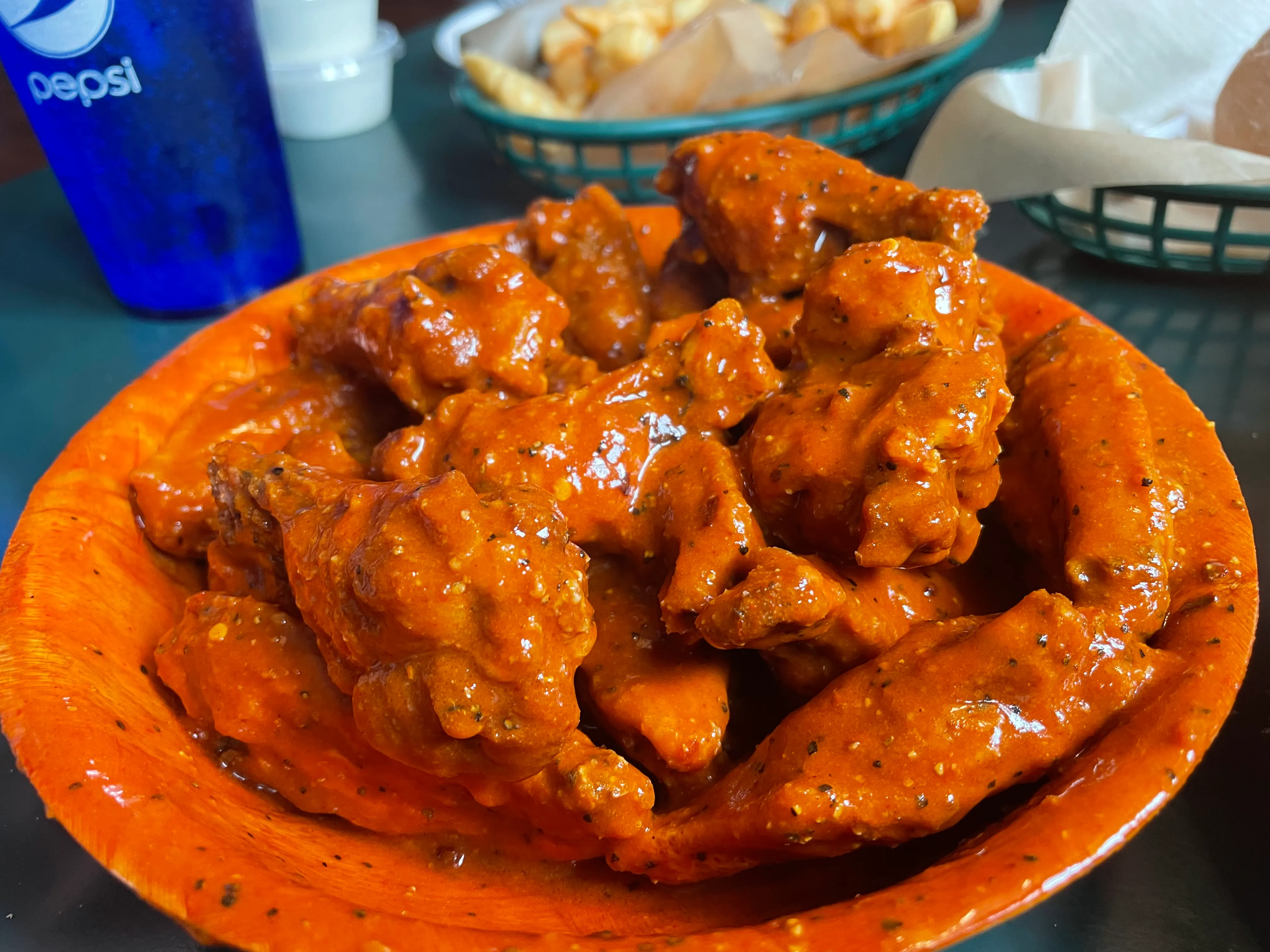
The Super Bowl may be a big football event, but for many Americans, the real star is chicken wings. With an estimated 1.45 billion wings to be consumed on game day, the National Chicken Council reports that wings are the favorite Super Bowl food in all but one state. Drew Cerza, known as the "Wing King," leads the charge with the National Buffalo Wing Festival and predicts that traditional Buffalo and barbecue wings will dominate, with Cajun lemon pepper wings making a strong showing. Despite his beloved Buffalo Bills never winning the Super Bowl, Cerza proudly notes that Buffalo wings have been present at every Super Bowl and have emerged victorious every year.
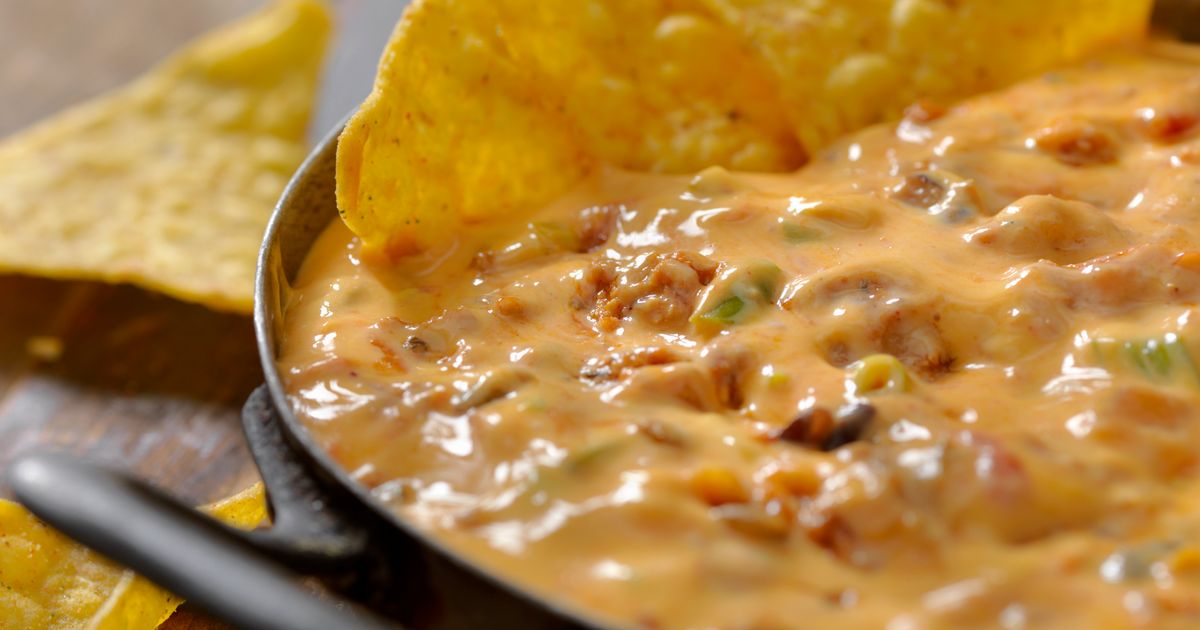
Google Trends shared the most uniquely searched dips in every state, with buffalo chicken dip being the top choice in 16 states and spinach and artichoke dip dominating in nine states. Tortilla chips are the preferred accompaniment for Super Bowl dips, and Instacart reported that tortilla chips are the No. 1 snack during the week of the Super Bowl. Google's Super Bowl data also included the most searched big game recipes and drinks, with expected fare like chili and sliders, along with cocktails like the Manhattan and Sex on the Beach.

Food trends are influenced by various factors, including consumer preferences, health consciousness, and sustainability concerns. Insights Executive at Nielsen IQ, Sherry Frey, highlights the growing consumer awareness of the impact of food on health and the environment, leading to trends like mushrooms, sea vegetables, and stress-reducing ingredients like ashwagandha. Food development labs like Mattson play a crucial role in creating new products for companies looking to tap into emerging trends. They observe the preferences of young people and cater to the rising demand for Latin cuisines. Additionally, the future of food involves innovations like precision fermentation to produce animal-free proteins, such as eggs made from yeast. Advertisements for new food products now heavily rely on social media to generate buzz. Overall, the tastemakers are focused on providing healthier and more sustainable food options while embracing cultural diversity in flavors.