Tag

Environmental Change

All articles tagged with #environmental change

Scientists Reveal New Insights into Evolution

Originally Published 18 days ago — by ScienceDaily

Featured image for Scientists Reveal New Insights into Evolution
Source: ScienceDaily

A new study challenges the traditional neutral theory of evolution by showing that beneficial mutations are more common than previously thought, but environmental changes often prevent these mutations from becoming fixed, suggesting evolution is driven by continuous adaptation to shifting conditions.
Ancient Stone Tools Signal Key Evolutionary Milestone

Originally Published 2 months ago — by Phys.org

Featured image for Ancient Stone Tools Signal Key Evolutionary Milestone
Source: Phys.org

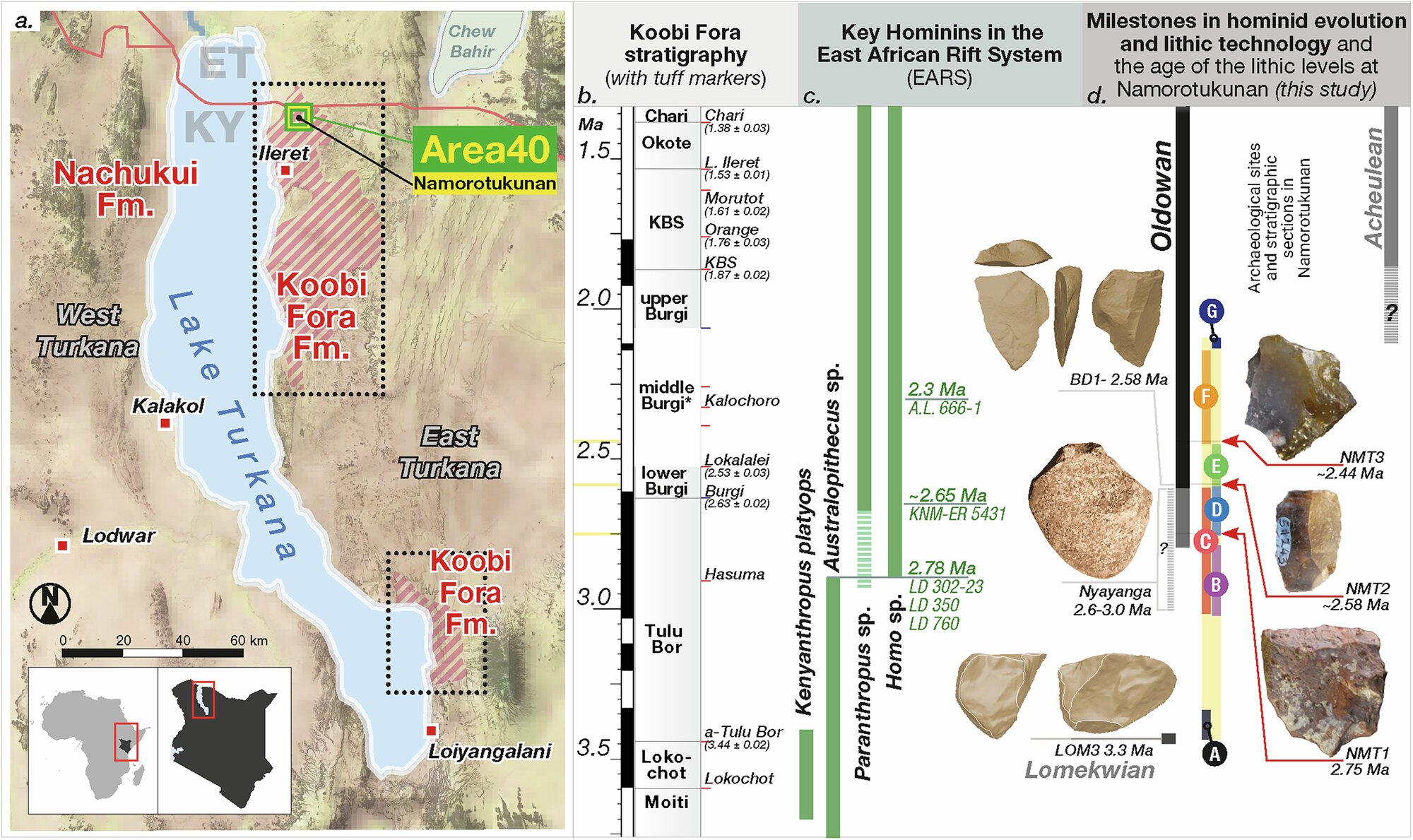
A study in Nature Communications reveals that early hominins in Kenya's Turkana Basin crafted consistent, multi-purpose stone tools dating back 2.75 million years, demonstrating technological resilience and adaptation through significant environmental upheavals, which may mark a pivotal point in human evolutionary history.

Unraveling the Mystery of the Largest Primate's Extinction

Originally Published 4 months ago — by Earth.com

Featured image for Unraveling the Mystery of the Largest Primate's Extinction
Source: Earth.com

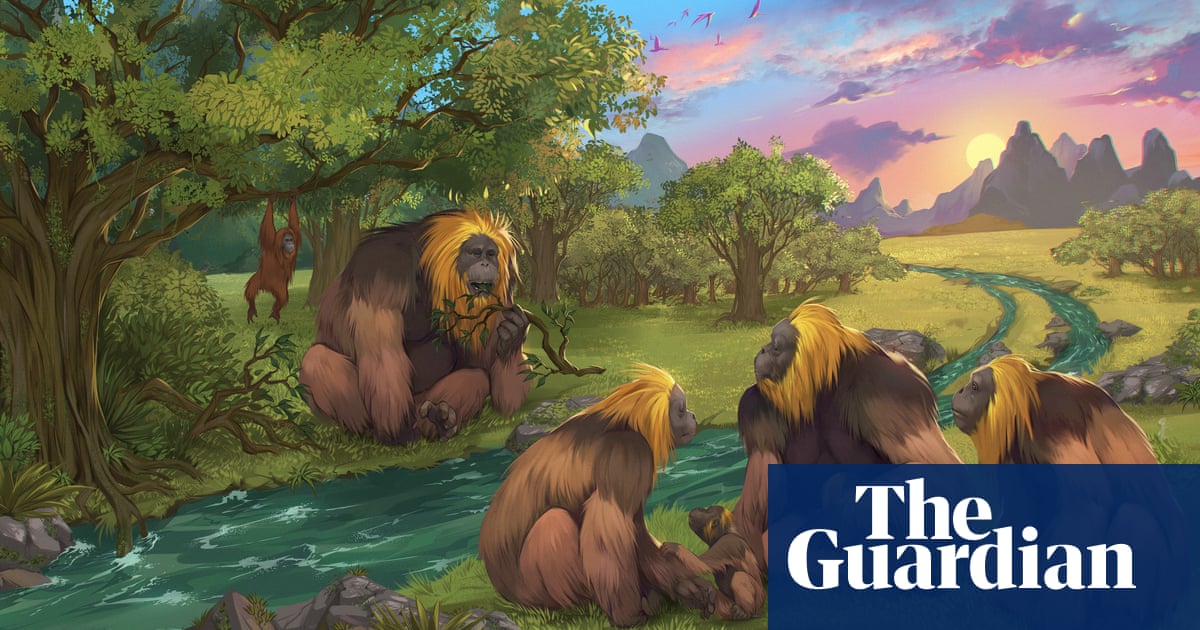
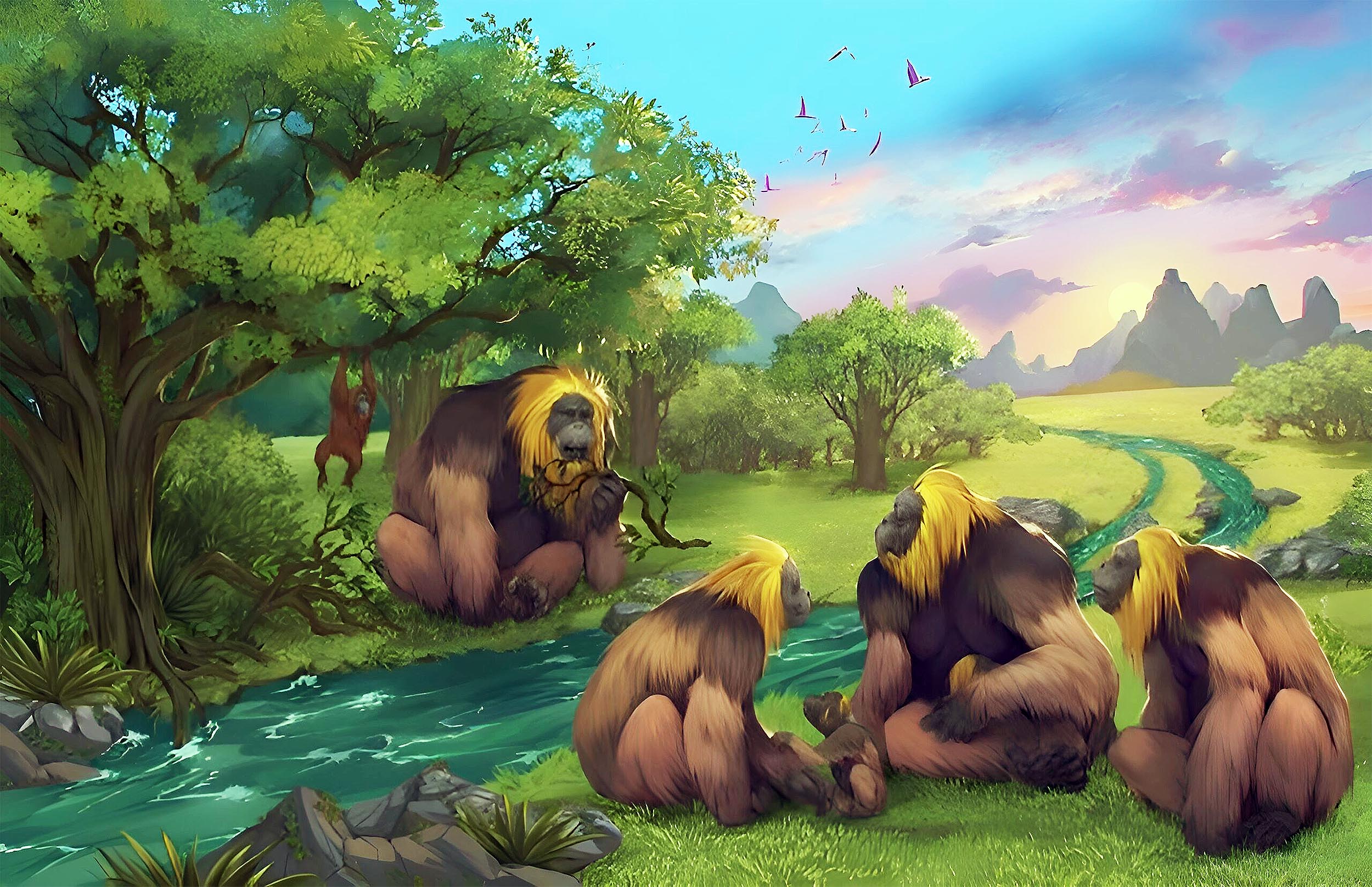
An international team of researchers has determined that Gigantopithecus blacki, the largest known primate, went extinct between 295,000 and 215,000 years ago due to environmental changes that reduced its forest habitat and food sources, highlighting the species' vulnerability as a specialized plant-eater and offering insights into primate resilience and extinction causes.

Satellite Images Reveal Sudden Disappearance of Lake Van

Originally Published 5 months ago — by The Daily Galaxy

Featured image for Satellite Images Reveal Sudden Disappearance of Lake Van
Source: The Daily Galaxy

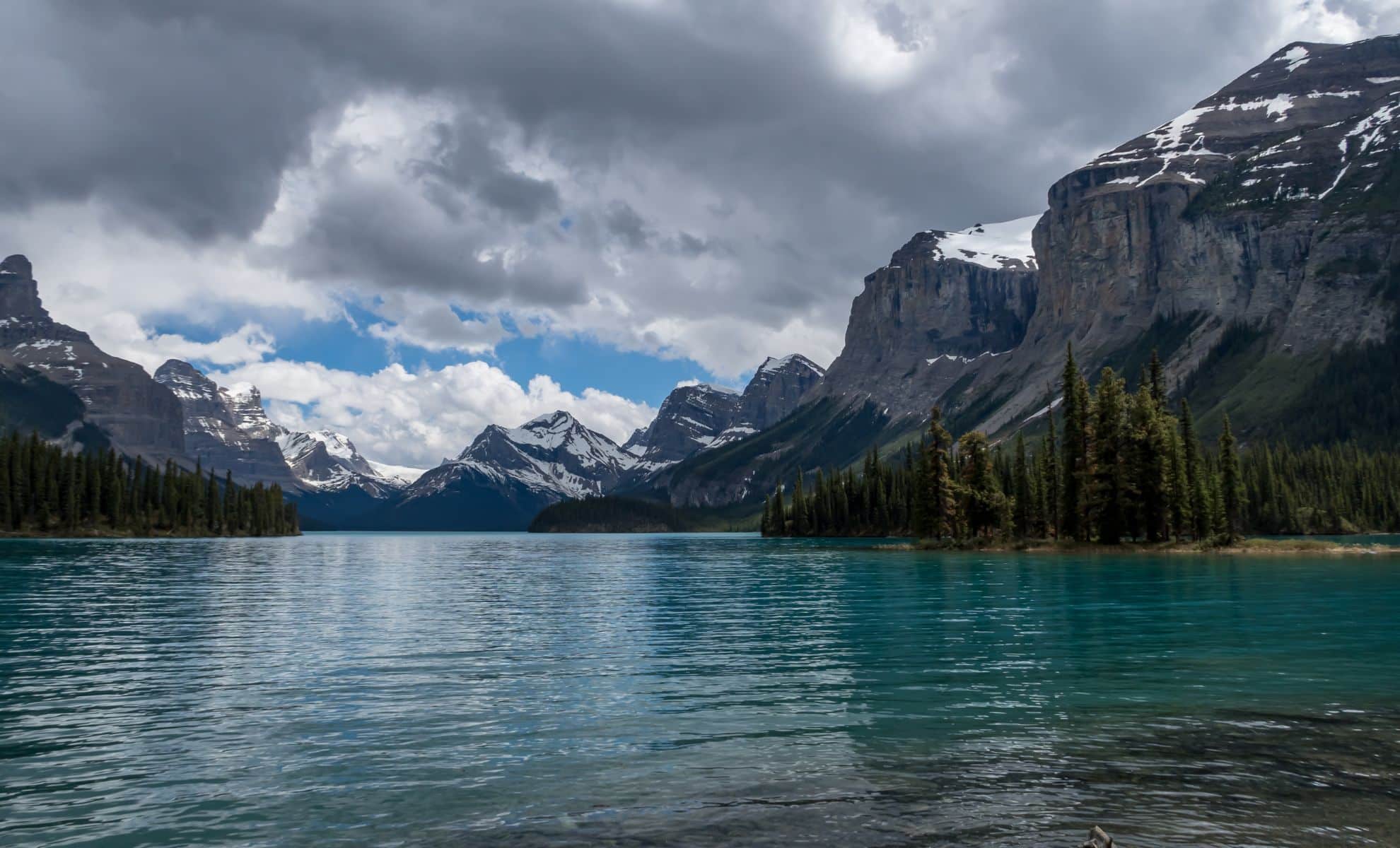
In May 2025, Lac Rouge in Quebec mysteriously drained overnight due to a ground collapse, with satellite images from Landsat 9 capturing the dramatic transformation from a vibrant lake to a barren basin, raising concerns about environmental stability and the impact on local wildlife.

Satellite Images Reveal Mysterious Lip-Shaped Structure

Originally Published 7 months ago — by Indian Defence Review

Featured image for Satellite Images Reveal Mysterious Lip-Shaped Structure
Source: Indian Defence Review

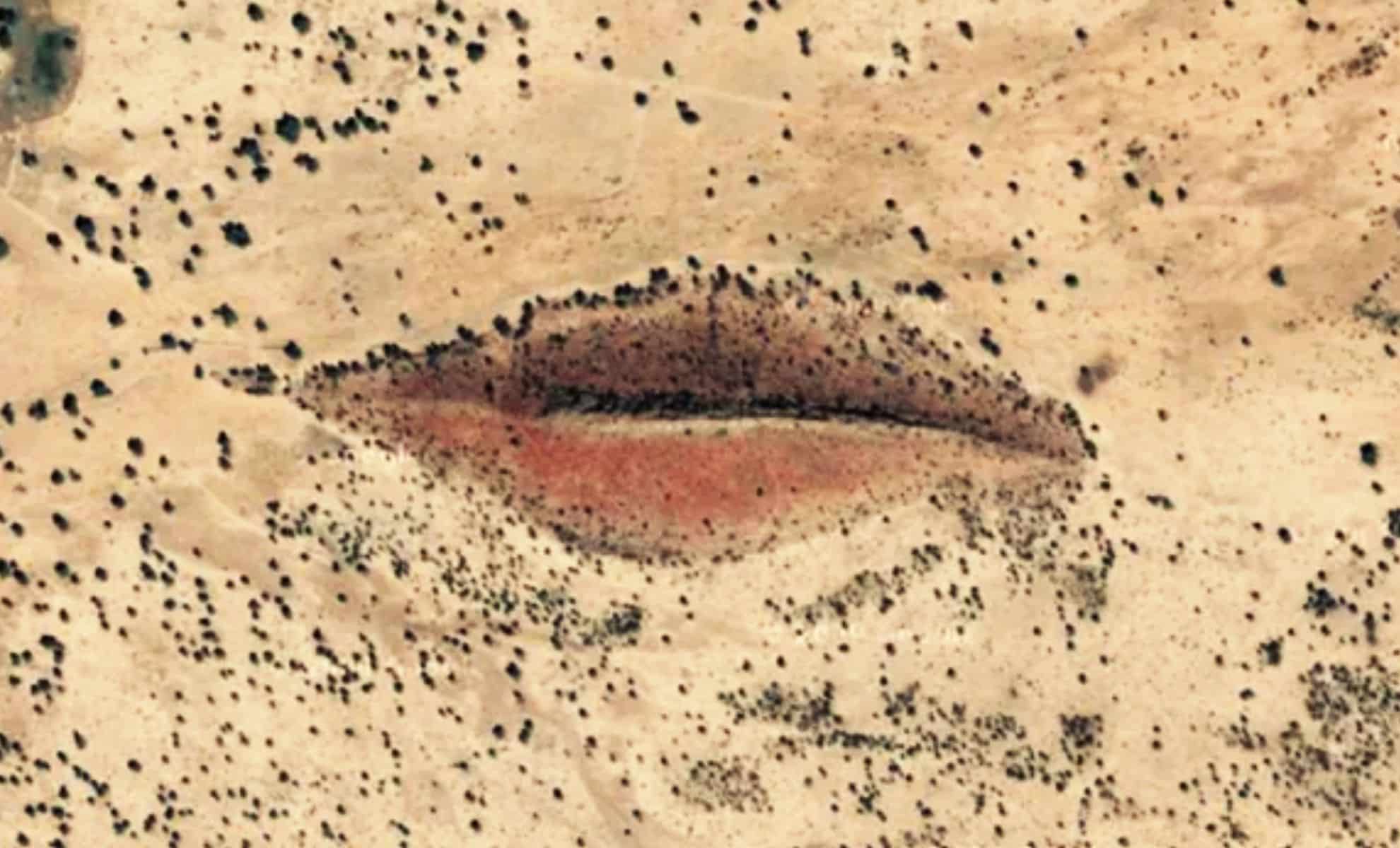
A mysterious hill formation in Sudan resembling human lips was captured by satellite imagery in 2012, sparking curiosity. Experts suggest it may be a resistant rock dike that eroded differently from surrounding material, creating its unique shape. Recent images show the area has become greener, indicating environmental changes over time.

"The Age of Humans: Embracing the Anthropocene Era"

Originally Published 1 year ago — by The Conversation

Featured image for "The Age of Humans: Embracing the Anthropocene Era"
Source: The Conversation

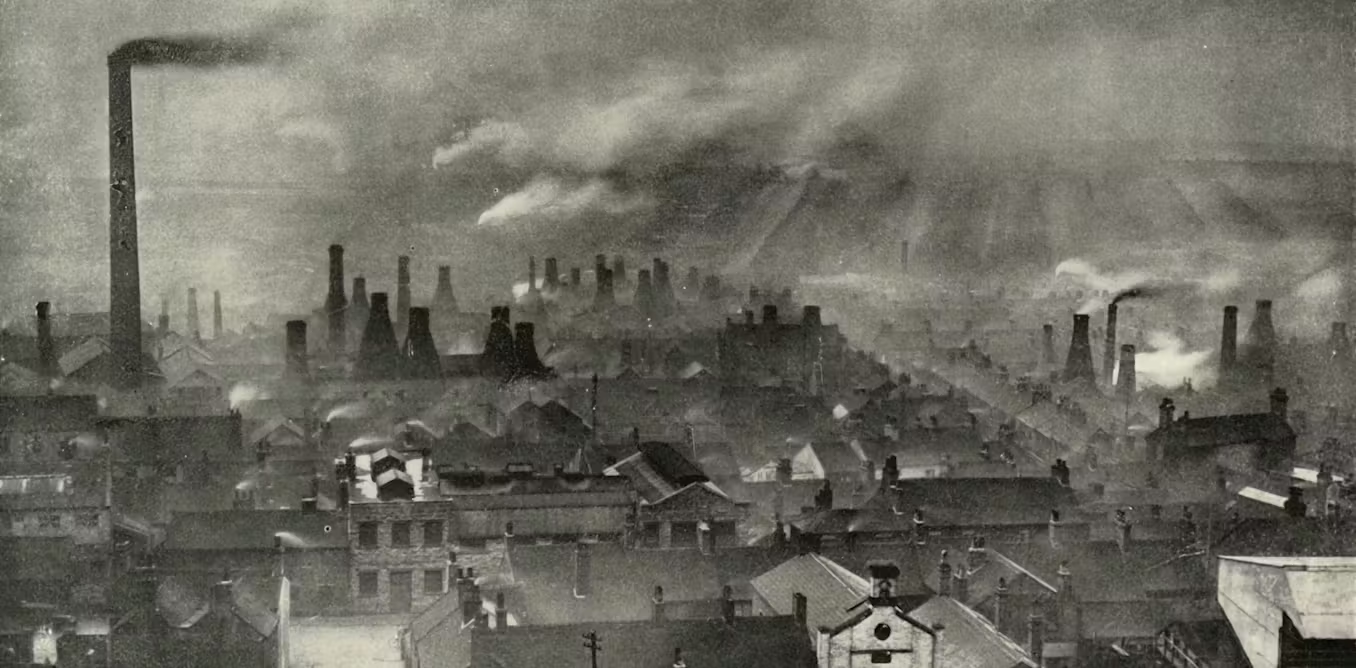
The proposal to mark the Anthropocene as an epoch in the geologic time scale starting in 1952 was rejected by the Subcommission on Quarternary Stratigraphy, with 12 of 18 members voting no. The rejection does not diminish the overwhelming evidence of human impact on the planet, but rather reflects concerns that the proposed start date was too recent and narrow to encompass the deeper evidence of human-caused planetary change. Despite the rejection, discussions about the Anthropocene continue, and a scientific definition of the Anthropocene as an ongoing transformative event remains widely available.

"Uncovering the Ever-Changing Nature of Utah's Bonneville Salt Flats"

Originally Published 1 year ago — by Phys.org

Featured image for "Uncovering the Ever-Changing Nature of Utah's Bonneville Salt Flats"
Source: Phys.org

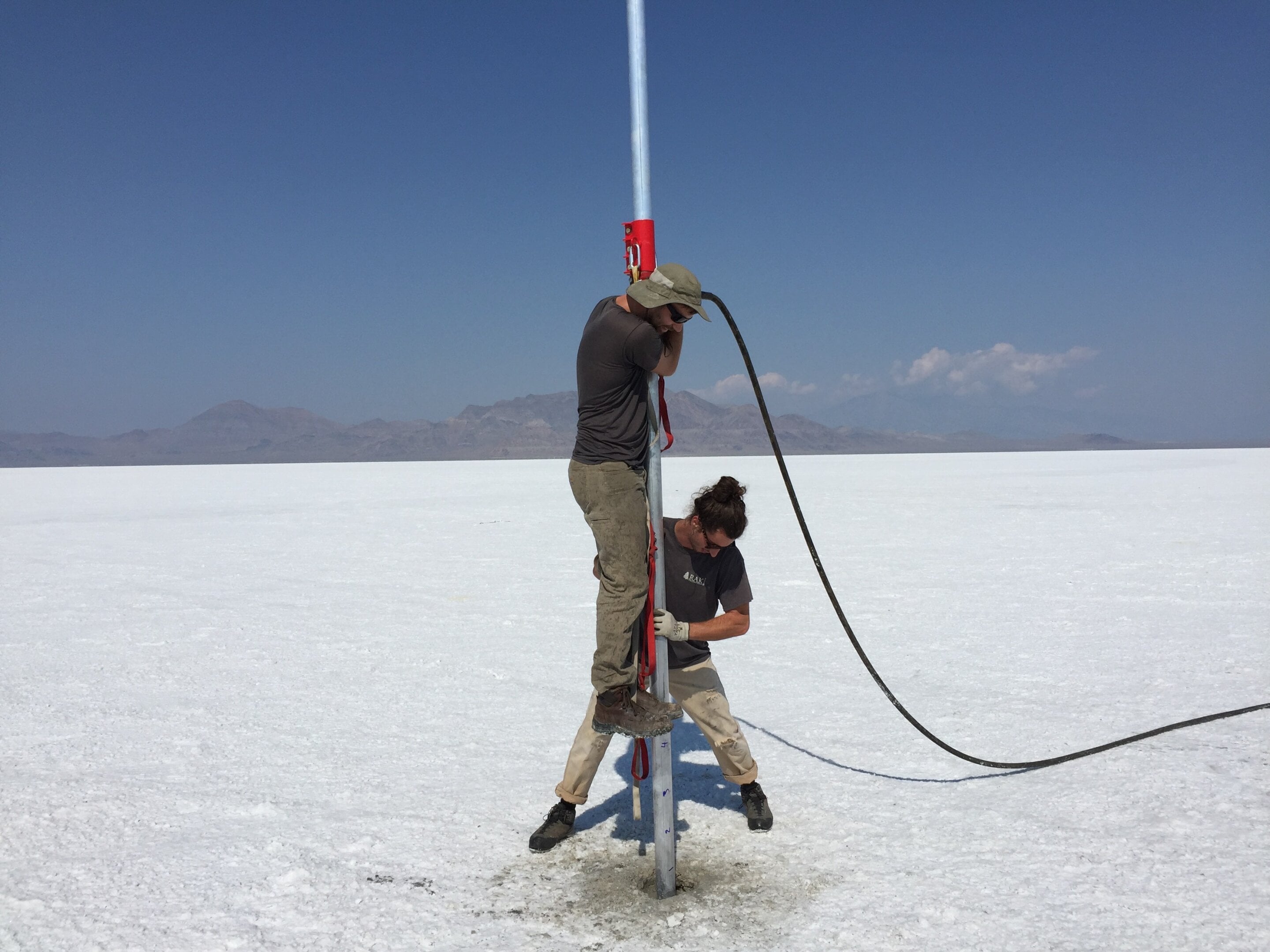
New research from the University of Utah challenges the long-held belief that the Bonneville Salt Flats were formed as Lake Bonneville dried up 13,000 years ago, revealing that the salt crusts actually began accumulating between 5,400 and 3,500 years ago. This study, published in the journal Quaternary Research, suggests that the landscape is more dynamic than previously understood, with evidence of erosion and accumulation of gypsum sand during dry periods. The findings have implications for managing the shrinking salt flats and offer insights into how this unique geological feature could be managed differently in the future.

"Melting Glaciers Unleashing Ancient Zombie Viruses: A Global Warming Concern"

Originally Published 1 year ago — by ScienceAlert

Featured image for "Melting Glaciers Unleashing Ancient Zombie Viruses: A Global Warming Concern"
Source: ScienceAlert

As Tibetan glaciers melt, ancient viruses dating back 15,000 years are being discovered, raising concerns about their potential release into the environment. Researchers have identified dozens of unique viruses from ice core samples, shedding light on their functions and genetic signatures. These viruses likely originated from soil or plants and may have facilitated nutrient acquisition for their hosts. While the release of ancient viruses is a concern, the melting ice also poses a threat by releasing massive reserves of sequestered methane and carbon. The study provides insights into past environmental changes and the evolution of viruses in extreme environments, highlighting the need for further exploration in this area.

"The Evolutionary Mystery of Shrinking Species: New Study Reveals Why Giant Animals Are No Longer"

Originally Published 2 years ago — by ZME Science

Featured image for "The Evolutionary Mystery of Shrinking Species: New Study Reveals Why Giant Animals Are No Longer"
Source: ZME Science

A new study explains the evolutionary shrinkage of animal sizes over millions of years, challenging the outdated Cope’s Rule. The study suggests that animal sizes fluctuate based on ecological drivers such as competition intensity and risk of extinction. It highlights three patterns of body-size change: gradual increase, followed by extinctions, and gradual decrease. Recent trends show most species are shrinking due to factors like climate change and human activity, posing a risk of major disruption to ecosystems and the food chain.

"Climate Change and Diet Shift Led to Extinction of Giganto, the Largest Primate"

Originally Published 2 years ago — by The Guardian

Featured image for "Climate Change and Diet Shift Led to Extinction of Giganto, the Largest Primate"
Source: The Guardian

Scientists have determined that the largest primate, Gigantopithecus blacki, went extinct between 295,000 and 215,000 years ago due to a shift in its environment and diet. The research suggests that as the climate changed, the dense forests with year-round fruit that giganto relied on shifted to more open forests with scarce fruit during drier periods. Unable to adapt, giganto, which primarily ate fibrous plants like bark and twigs, ultimately succumbed to the environmental changes. This study sheds light on how primates respond to environmental stresses and the factors that make some species more vulnerable to extinction.

Unveiling the Secrets of Trilobite Survival in Changing Environments

Originally Published 2 years ago — by Phys.org

Featured image for Unveiling the Secrets of Trilobite Survival in Changing Environments
Source: Phys.org

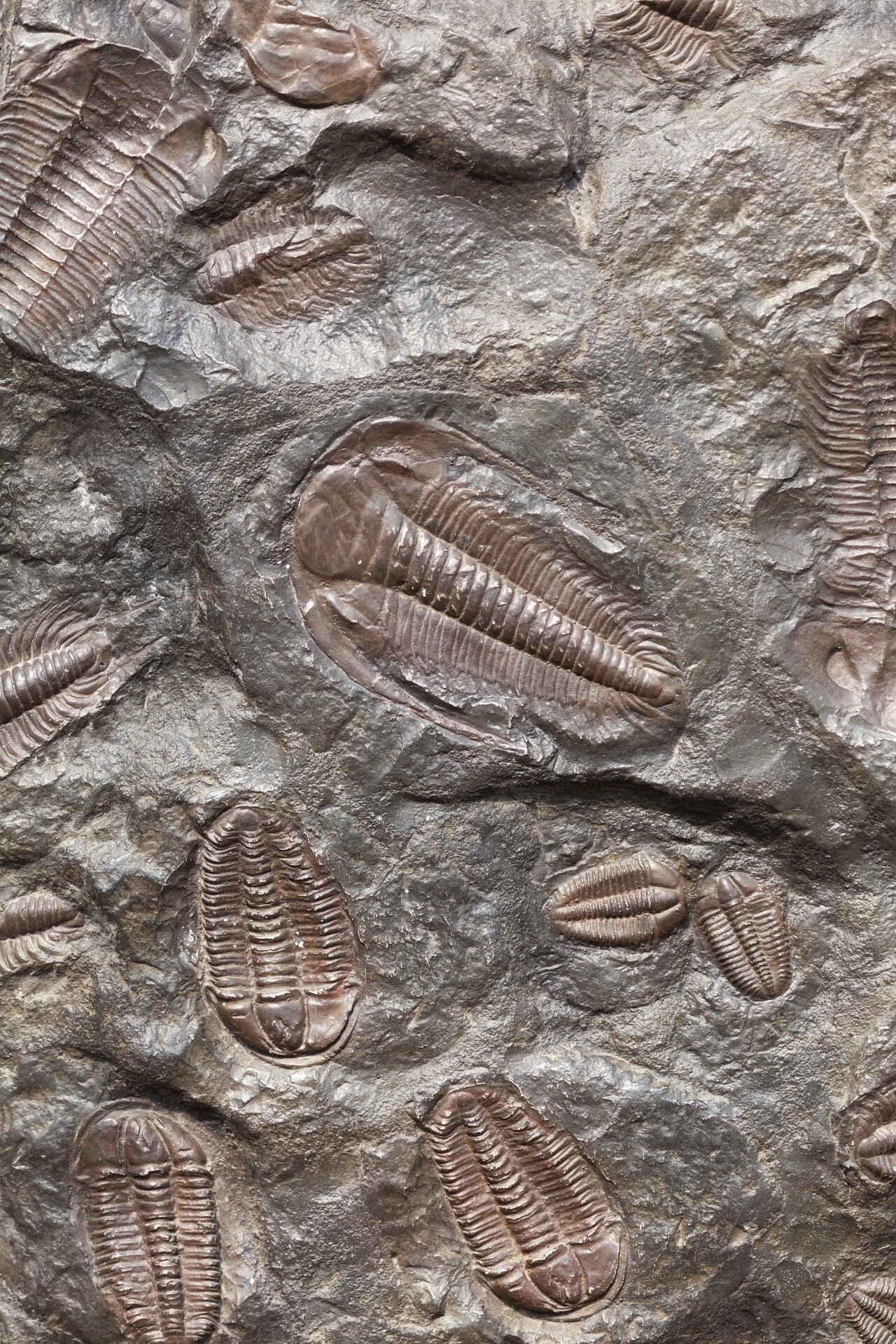
Scientists have discovered how a species of trilobite, Aulacopleura koninckii, was able to defend itself and survive fluctuations in Earth's oxygen levels. Unlike other trilobites, Aulacopleura developed a variable number of mid-section segments, which allowed it to roll up into a defensive position. 3D modeling showed that larger Aulacopleura with more segments would extend their tails past their heads, minimizing the exposed gap. The additional segments also provided more surface area for respiration, enabling the trilobite to tolerate dips in oxygen levels and outcompete predators. Understanding the adaptation of trilobites sheds light on the evolution of survival strategies and the common ancestor of modern arthropods.

"African Megafauna: Unveiling the Lost Giants and their Decline"

Originally Published 2 years ago — by SciTechDaily

Featured image for "African Megafauna: Unveiling the Lost Giants and their Decline"
Source: SciTechDaily

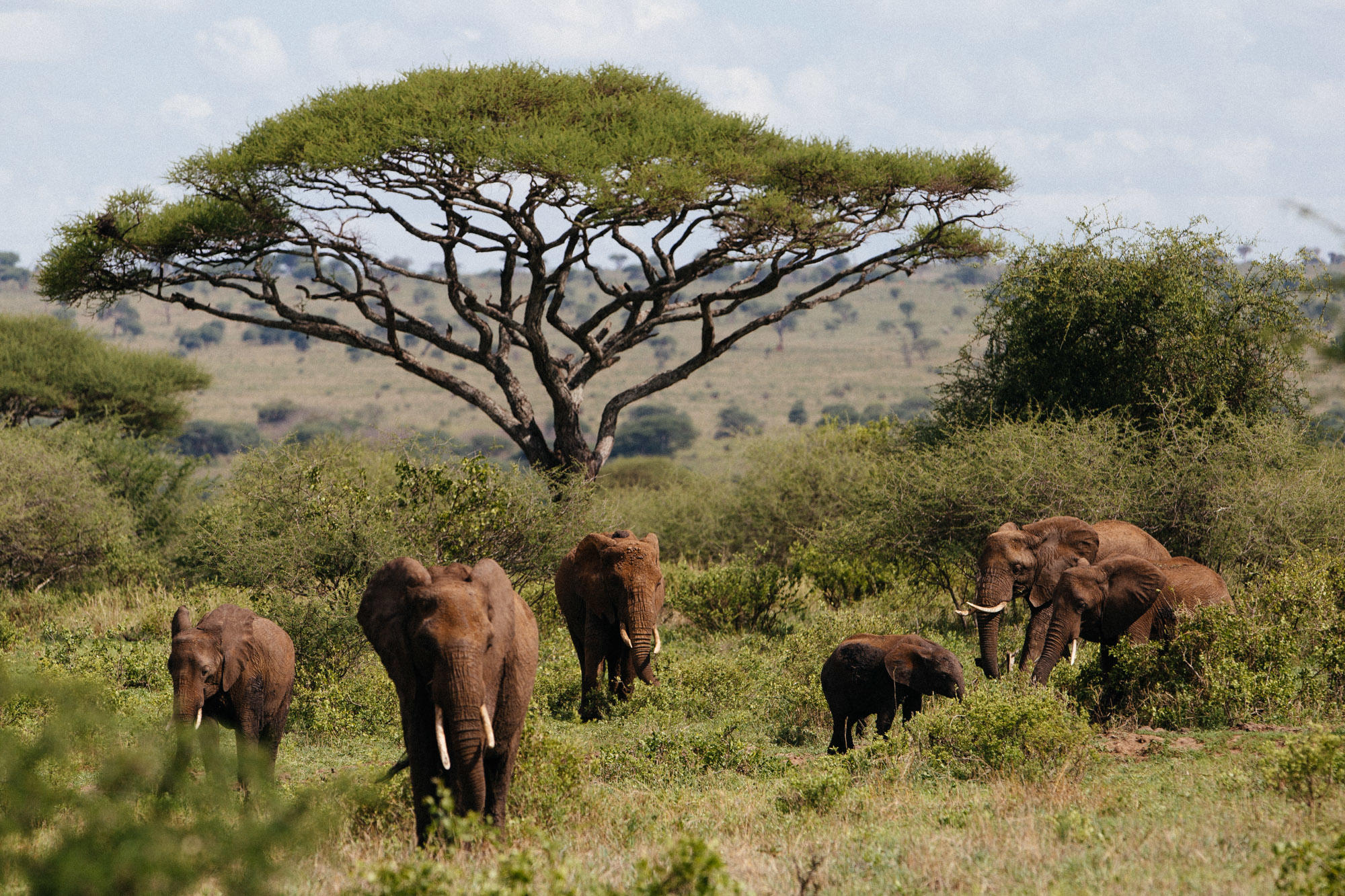
A new study analyzing fossil teeth measurements reveals the decline of African megafauna over the past 10 million years. The research shows a correlation between an animal's size and its population density, with larger species having lower population densities. The study also suggests that the decline of African megafauna began around 4 million years ago, much earlier than previously thought, and was driven by environmental factors such as decreasing global temperatures and the expansion of tropical grasslands. The loss of large individuals and restructuring of biomass distributions in African large mammal communities may have been linked to decreases in primary productivity. These findings have implications for understanding ecosystem dynamics and can inform conservation efforts in the face of biodiversity loss and environmental change.

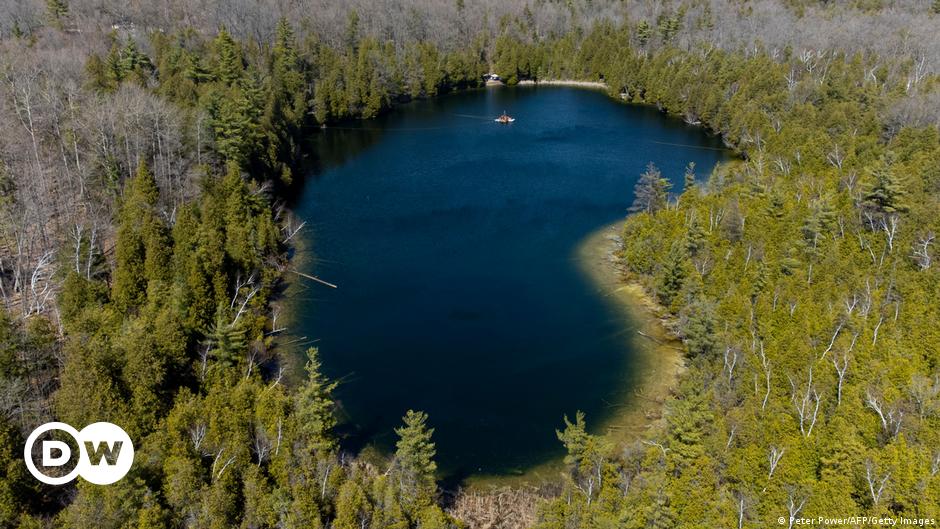
Crawford Lake in Canada: The Start of the Anthropocene Era

Originally Published 2 years ago — by DW (English)

Featured image for Crawford Lake in Canada: The Start of the Anthropocene Era
Source: DW (English)

Scientists studying sediment at Crawford Lake in Canada have found evidence of the beginning of the Anthropocene age, a new epoch defined by human activity's destabilizing influence on the environment. The sediment at the bottom of the lake contains microplastics, residues from burnt oil and coal, and detritus from nuclear bombs, indicating a sudden and irreversible shift in Earth's conditions. The findings will be presented to the International Commission on Stratigraphy to formally recognize the Anthropocene epoch, which began around 70 years ago and marks a significant change in the planet's biology.

"Canada's Crawford Lake: Ground Zero for the Anthropocene Epoch"

Originally Published 2 years ago — by Al Jazeera English

Featured image for "Canada's Crawford Lake: Ground Zero for the Anthropocene Epoch"
Source: Al Jazeera English

Scientists from the Anthropocene Working Group (AWG) presented evidence from Lake Crawford in Ontario, Canada, suggesting that human activity has led to a new geologic epoch known as the Anthropocene. The lake's sediment revealed a "golden spike" indicating a sudden change in Earth's conditions, with plutonium deposits suggesting nuclear testing in the 1950s as a clear marker for the shift. The AWG proposes naming the start of the Anthropocene between 1950 and 1954, marking the end of the Holocene epoch. However, the recognition of the Anthropocene is still subject to debate and requires approval from scientific committees.